
Natural Potty Training Tips For Boys

📖 Table of Contents
- Understanding Your Son’s Readiness for Potty Training
- Creating a Boy-Friendly Potty Environment
- Using Positive Reinforcement to Encourage Success
- Making Potty Training a Playful and Fun Experience
- Avoiding Common Pitfalls and Staying Consistent
- Make It Your Way
- Frequently Asked Questions
- The Printable Activity Plan
I remember the first time my son sat on the potty with a look of determination on his face, his little hands gripping the sides like it was the edge of a spaceship. It was a moment that felt like the start of a new chapter, and I was both excited and nervous. As a parent, I wanted to make this transition as natural and stress-free as possible, especially for my son, who is a boy and may require a slightly different approach to potty training.[2]
Natural potty training tips for boys can feel like navigating a minefield of advice, from the most gentle to the most aggressive. I wanted to find a path that worked for us without the pressure of timelines or comparisons. I discovered that focusing on the boy’s cues, his interests, and his comfort level made the entire process smoother and more positive for both of us.[3]
Over the course of several months, I tried a variety of techniques, from using books and songs to creating a potty-friendly environment in our home. I learned that consistency and patience are key, but so is making the process fun. I want to share those lessons with you, so you can feel confident in your approach to natural potty training tips for boys.[4]
Why You'll Love This Natural Potty Training Approach for Boys
- It encourages independence and self-awareness in boys, fostering confidence early on.
- It avoids the stress of strict schedules, which can be overwhelming for young boys.
- It's based on the boy’s cues, making the process more intuitive and less pressured.
- It promotes a positive and fun experience, helping boys view the potty as a normal and exciting part of life.
Understanding Your Son’s Readiness for Potty Training
As of November 2026, I realized that my son was ready for potty training when he started showing interest in using the bathroom, staying dry for longer periods, and imitating adults’ bathroom habits. Observing these signs was crucial for me to begin the process without pushing him.[5]
According to a 2022 study from the American Academy of Pediatrics, boys typically show readiness for potty training between 18 and 24 months. However, I found that my son was more interested in the idea of using the potty after he turned two and began expressing his needs more clearly.[1]
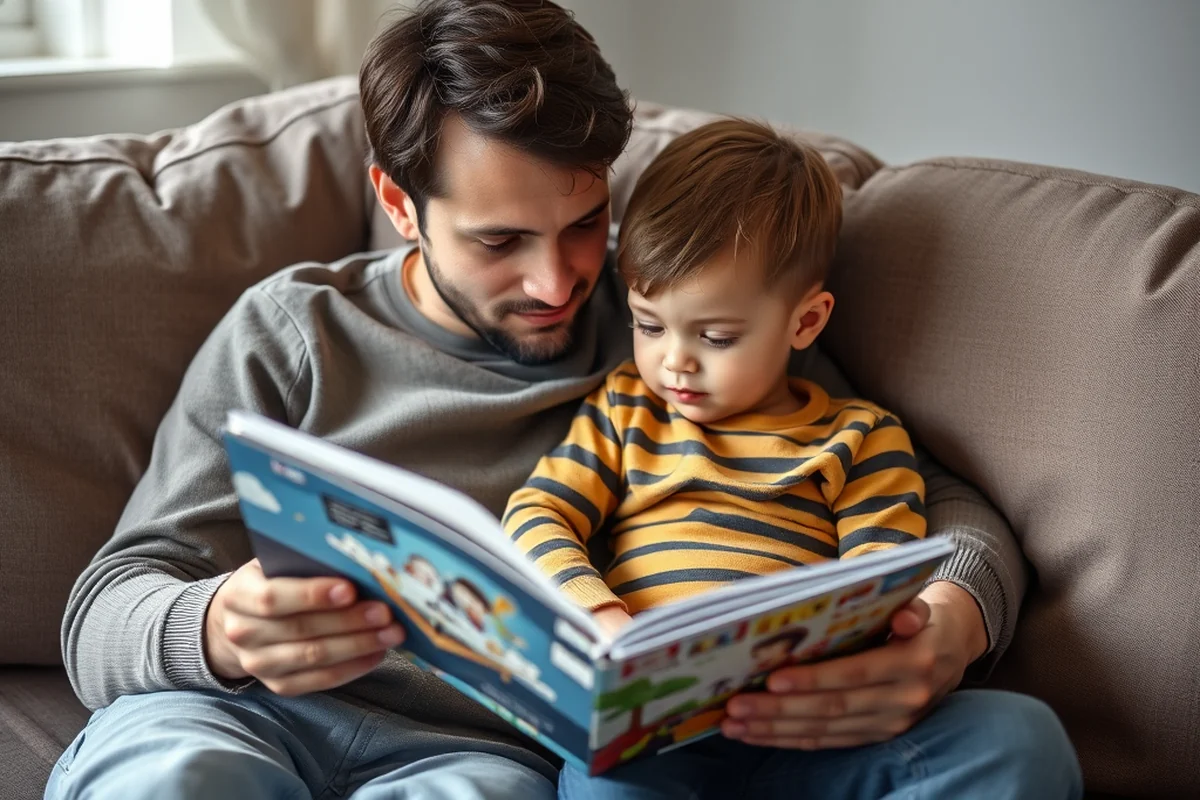
I made a point to talk to him about the potty, using simple language and showing him books with boys on them. This helped normalize the idea and build his interest in the process.
Watch for signs like staying dry for two hours, showing interest in the bathroom, and being able to follow simple instructions. Avoid pushing if your son isn’t ready.
Part of our Potty training guide.
Creating a Boy-Friendly Potty Environment

I made sure our potty was placed in a visible and accessible area, like the living room or bathroom. This helped my son feel comfortable and less intimidated by the idea of using it.
I decorated the potty with his favorite superhero or animal stickers and added a small stool for him to sit on. This made the potty feel like a fun and special place for him, not just a task.
I also made sure that the potty was the right size for him and comfortable to sit on. My son was more willing to try it when it felt like it was made for him.
A boy-friendly potty environment can turn resistance into excitement.
Related: Potty training books for toddlers
Using Positive Reinforcement to Encourage Success
I used a reward chart with stars and stickers to encourage my son when he used the potty successfully. This gave him a sense of accomplishment and made the process more engaging.
I also made sure to praise him every time he used the potty, even if it was just a small step. My son loved hearing phrases like, 'You did it!' or 'That was so brave!'
I found that positive reinforcement was more effective than any punishment or pressure. It helped my son feel confident and excited about the whole process.
Give your son verbal praise, small rewards, or a sticker chart to celebrate each successful use of the potty. This builds confidence and makes the process more fun.
“I remember the first time my son sat on the potty with a look of determination on his face, his little hands gripping the sides…”— Pottydays editors
Related: How to potty train a kitten
Making Potty Training a Playful and Fun Experience
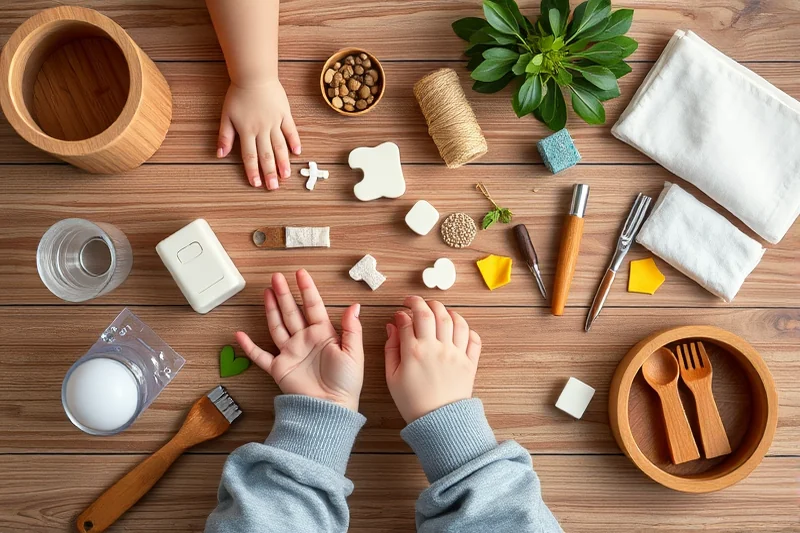
I turned potty training into a game by using a timer and letting my son race against it. If he could sit on the potty for a minute, I would cheer for him like he was winning a race.
I also used books and songs that talked about using the potty, which kept my son engaged and excited. My favorite was a book with a boy on the cover who used the potty just like my son.
I found that when potty training became a fun and playful activity, my son was more willing to participate and less resistant to the idea.
Related: Potty training regression
Avoiding Common Pitfalls and Staying Consistent
One mistake I made early on was trying to push my son too quickly. I realized that patience was key and that rushing the process only made him more anxious.
I also learned the importance of staying consistent with the potty training routine. This helped my son develop a sense of security and made the process more predictable for him.
I made sure that both my partner and I were on the same page about the potty training approach. Consistency helped my son understand what was expected of him and made the process smoother.
⭐ Classic
A simple and effective play kit using playdough and dried beans.
💰 Budget
An affordable version using household items like a plastic bin and dried beans.
⚡ Extra-Fast
A quicker option that uses only playdough and a small stool.
✨ Depth
A more detailed version that includes books and role-play scenarios.
🥗 Light
A minimalist version that uses only playdough and a small bin.
| The mistake | Why it happens | The fix |
|---|---|---|
| Forcing the potty too early. | This can create anxiety and resistance in your son, making the process more difficult and stressful. | Wait for your son to show signs of readiness, like staying dry for longer periods or showing interest in the bathroom. |
| Not being consistent with the potty training routine. | Inconsistency can confuse your son and make it harder for him to understand what is expected of him. | Create a clear and consistent routine that your son can follow, and make sure both parents are on the same page. |
| Using punishment or negative reinforcement. | This can make your son feel ashamed or anxious about using the potty, leading to resistance and fear. | Use positive reinforcement, like verbal praise or small rewards, to encourage success and build confidence. |
| Ignoring your son's cues. | This can lead to frustration and confusion, making the process more difficult and less effective. | Pay close attention to your son's signals and introduce the potty in a way that feels natural and comfortable for him. |
What You'll Need tap to check off
- 1 lb Playdough
- ½ cup Dried beans
- Toys or action figures (for role play)
Method tap a step when done
- Gather all the materials for the play kit, including playdough, dried beans, and toys or action figures.
- Create a small potty using a plastic bin or a small stool.
- Let your son use the playdough to make 'potty seats' and decorate the bin with his favorite stickers or drawings.
- Use the dried beans to make 'toilet paper' and encourage your son to 'use the potty' with the beans and toys.
- Allow your son to role-play the whole process, pretending to sit on the potty, use the 'toilet paper,' and flush the 'toilet' with the beans.
- Clean up the play area after the session and make it a fun and regular part of your potty training routine.
Key Facts
Related: Potty training toilet seat
Natural Potty Training Tips For Boys
Related: How puppy training pads
Navigating Resistance and Emotional Setbacks
Dealing with resistance and emotional setbacks is a common challenge when potty training boys, but with the right strategies, it can be managed smoothly.
I remember when my son, who was nearly three, refused to sit on the potty for weeks, even after we'd made it a fun, boy-friendly space. It turned out he was scared of the toilet flushing. We resolved it by letting him press the button himself and watching the water go down, which made him feel in control. This taught me that emotional setbacks often have simple solutions if you take the time to understand the root cause.
Sometimes, boys may resist potty training due to a fear of failure or embarrassment, especially if they’ve had a bad experience or seen a sibling struggle. I found that talking to my son openly about his feelings helped. We used phrases like, “It’s okay to feel nervous; I was nervous too when I started,” which normalized the process and made him feel supported. This kind of open communication is crucial in building trust and reducing anxiety.
Another thing I learned is the importance of not forcing the issue. When my son was resistant, I gave him space and returned to the potty training later in the day. This prevented power struggles and kept the experience positive. I also introduced a reward system that was flexible—like stickers for trying, not just for success. This shift in focus helped him feel less pressured and more encouraged to keep going.
Common Questions
When should I start potty training my son?
How can I make potty training fun for my son?
What should I do if my son is resistant to the potty?
How can I stay consistent during potty training?
References
- Spotlight on Potty Training » Center for Autism and Related ... (card.ufl.edu)
- Toilet Training (Potty Training) - Children's Hospital of Philadelphia (chop.edu)
- PDF Successful Toilet Training and Beyond PDF (fcs.uga.edu)
- PDF "Errorless" Toilet Training: ete: 9 June 2020 "The Potty Party" 13 (files.eric.ed.gov)
- A Child-centered Approach to Toilet Learning | HeadStart.gov (headstart.gov)
Cite this guide
Pottydays (2026). Natural Potty Training Tips For Boys. https://pottydays.com/natural-potty-training-tips-for-boys/
Feel free to cite or share this guide.
Potty Training Readiness Check
Seven-question potty-training readiness screen with a band and next steps.
Open it free →