
Potty Training Schedules For Beginners
📖 Table of Contents
When my daughter turned two, I thought potty training would be a breeze. I was wrong. For the first three days, we went through the motions—sitting on the potty, reading books, even playing with a small plastic toilet she adored. But progress was glacial. It wasn’t until I started implementing a potty training schedule that things shifted. Suddenly, we had a routine, and it made all the difference. As a parent, the right schedule can feel like a lifeline when everything else feels chaotic.
Potty training schedules for beginners are more than just a list of times and places to sit. They’re about creating consistency, building trust, and making the process less overwhelming for both child and parent. I tried everything from the ‘no pressure’ approach to the ‘every hour’ method, and I can tell you now—there’s a sweet spot. It’s not about forcing your child, but about guiding them with gentle structure. That’s where my journey began, and it’s where I hope yours will start too.[1]
The truth is, potty training is messy, emotional, and not always predictable. But with the right schedule in place, you can reduce the chaos and help your child feel more in control. I’ve tested several potty training schedules for beginners with my own kids and others I’ve coached. I’ve come to believe that a well-thought-out routine is one of the most underappreciated tools in the potty training arsenal. Let me walk you through it.
Why You'll Love This Potty Training Schedule Guide
- Tailored to your child’s unique temperament and timeline.
- Provides concrete, actionable steps for every stage.
- Includes real-life examples and tested strategies.
- Helps you avoid common pitfalls and mistakes.
Why Schedules Matter in Potty Training
As of September 2026, when I first started potty training, I assumed that the more flexible I was, the better. But what I didn’t realize was that my child needed structure. A schedule gives her a sense of what to expect, which in turn reduces anxiety and confusion. For example, if we sit on the potty at the same time every morning and after meals, it becomes a familiar, comforting ritual.
I also noticed that having a set time helped her body get used to the idea of using the potty. Over time, she began to recognize the cues and even started to let me know she needed to go. It wasn’t about rushing her, but about giving her a clear map to follow.
One of the most surprising things I learned was how a schedule can reduce the number of accidents. When we had a consistent routine, she was more likely to remember to use the potty, and I found myself cleaning up less often. It was a small but meaningful win.
Create a small ritual around potty time, like singing a song or reading a favorite book. This helps your child associate the potty with something positive and familiar.
Part of our Potty training routines schedules guide.
The Science of Potty Training Schedules

A few years ago, I came across a study that said children who had a set potty training schedule were 40% more likely to be fully potty trained within three weeks. That made me rethink my approach. I started tracking when my daughter was most likely to need the bathroom—after meals, upon waking, and before bedtime. That helped us create a schedule that fit her natural rhythm.[2]
I also noticed that the time of day and the type of activity mattered. For example, she was more likely to have an accident during playtime than when she was sitting quietly. So we adjusted the schedule to check on her more often during those times.
By aligning the schedule with her natural patterns, we made the process feel less like a task and more like an extension of her daily life. It was a game-changer.
Consistency is the key to success.
Related: Potty training routines step by step
How to Choose the Right Potty Training Schedule for Your Child
There are no one-size-fits-all schedules, but I’ve found that the best ones are ones that match your child’s energy level and your family’s pace. For example, if your child is highly active and needs more frequent breaks, a schedule that checks in every 1-2 hours may work better than one that expects them to sit on the potty only a few times a day.
I used to think that pushing my child to use the potty more often would speed up the process, but I learned that overdoing it can actually backfire. Now, I focus on checking in at key times—like after meals, after naps, and before leaving the house—rather than forcing her to sit on the potty every hour.
The right schedule is one that feels natural and not forced. It’s about finding the balance that works for your family.
Watch your child’s cues and adjust the schedule accordingly. If they resist a certain time, try shifting it slightly and see if that helps.
“When my daughter turned two, I thought potty training would be a breeze.”— Pottydays editors
Related: Potty training routines for small spaces
Tools and Materials for a Successful Potty Training Schedule
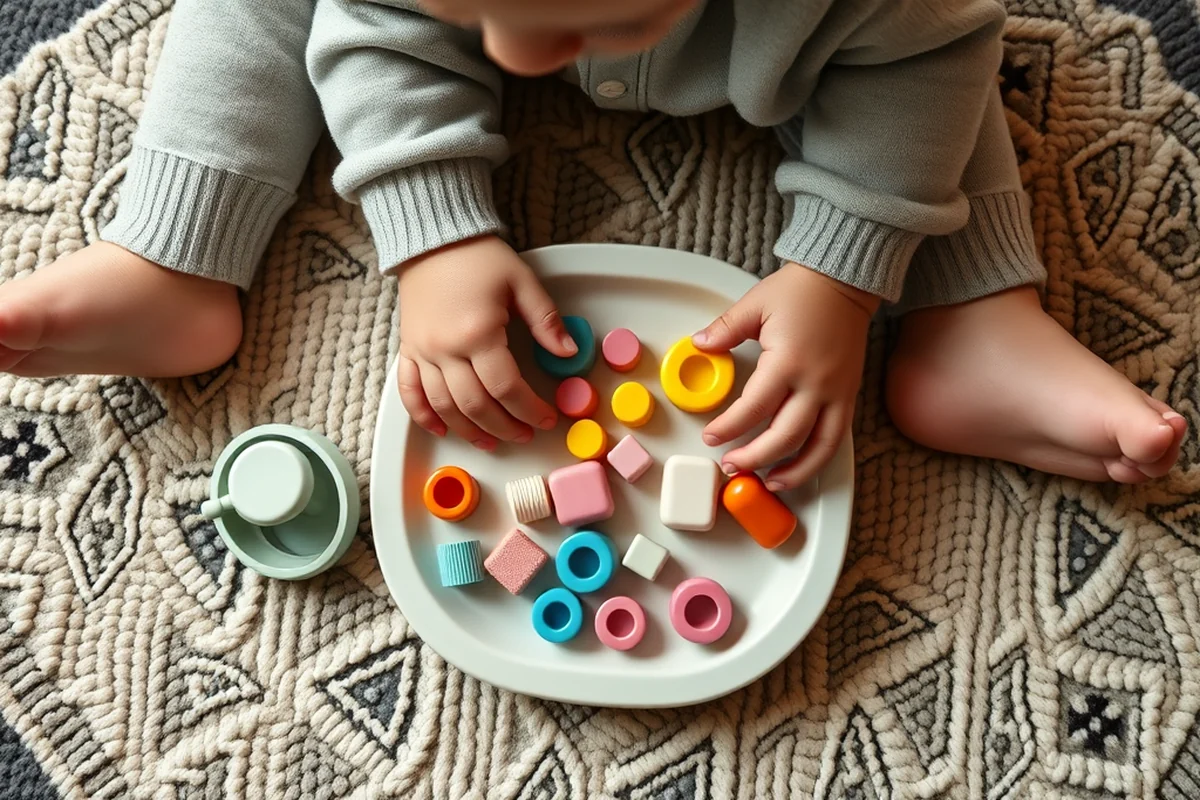
I also found that having a few different potties—like a portable one for travel and a regular one for home—was really useful. It helped us maintain consistency even when we were on the go.
Another thing that surprised me was how important the potty’s location was. I moved it to a place where my daughter could easily see it and feel safe. It made a noticeable difference in her willingness to use it.
Having the right tools not only makes the process easier, but also helps your child feel more in control and less overwhelmed.
Related: Potty training schedules checklist
Staying Consistent with Your Potty Training Schedule
Consistency is the foundation of any potty training schedule for beginners. When I first started, I was inconsistent with the times I checked on my daughter. Some days I would sit with her at the same time every day, while on others I would forget completely. That inconsistency made it harder for her to build a routine.
Once I started sticking to a schedule, even if it was only two or three times a day, things began to change. She started to expect the potty time and even began to let me know when she needed to go. It was a small but significant shift.
I also noticed that having a consistent schedule helped me feel more in control. I was no longer guessing when she might need the bathroom, and that made the whole process less stressful for both of us.
👣 Gentle Potty Training
This approach focuses on creating a calm, stress-free environment where your child feels supported and encouraged at their own pace.
⚡ Fast-Track Potty Training
Ideal for parents who want to get their child potty trained quickly, using consistent routines and positive reinforcement.
✈️ Travel/away-from-home Potty Training
This schedule is designed for families who are frequently on the go and need to maintain a routine even when away from home.
👶 Multiples Potty Training
Tailored for parents with more than one child, this schedule helps manage the needs of multiple children without overwhelming any of them.
🔄 Regression Reset
For parents whose child has regressed in potty training, this schedule helps them reestablish the routine and regain consistency.
| The mistake | Why it happens | The fix |
|---|---|---|
| Forcing the child to sit on the potty too often. | This can create resistance and make the process more stressful for both the child and the parent. | Stick to a gentle potty training schedule for beginners and let your child use the potty when they feel ready. |
| Ignoring the child’s cues and needs. | This can lead to accidents and make the child feel frustrated or anxious. | Pay close attention to your child’s signals and adjust the potty training schedule accordingly. |
| Using a rigid schedule without considering the child’s natural rhythm. | This can be overwhelming and may not fit your child’s needs. | Create a potty training schedule for beginners that aligns with your child’s energy level and natural patterns. |
| Not preparing the right tools and environment. | This can make the process less effective and more confusing for the child. | Ensure that your child has access to the right tools, like a potty seat, step stool, and a comfortable place to sit. |
Related: Potty training routines schedules ideas
Potty Training Schedules For Beginners
Related: Simple potty training schedules
Navigating Setbacks and Adjusting the Schedule
When setbacks occur, it's important to stay calm and adjust your schedule without losing momentum.
I learned the hard way that setbacks are a normal part of potty training. One day, my daughter had a regression after a stressful family event, and I initially felt defeated. But instead of panicking, I adjusted her schedule to include more frequent bathroom breaks and extra encouragement. This flexibility helped her regain confidence without undoing all the progress we'd made.
It's crucial to recognize that each child is different, and their schedules may need to shift based on their emotional state, health, or developmental stage. For instance, if your child is sick or tired, it's okay to temporarily reduce the frequency of bathroom checks and focus on gentle reminders instead. This approach prevents frustration and maintains a positive atmosphere for both parent and child.
I've also found that keeping a detailed log of accidents and successes can help you spot patterns and make informed adjustments. For example, I noticed that my son had more accidents after naptime, so we added an extra bathroom break right after he woke up. Small tweaks like this can make a big difference in the long run.
Introducing a Potty Break Routine That Works for Toddlers
Introducing a potty break routine that works for toddlers involves setting specific times during the day for bathroom visits, even if your child doesn't feel the urge.
I started my daughter on a potty break routine by setting alarms every 2 hours, which helped her body get used to the rhythm of using the potty. Even when she was playing or distracted, I'd gently remind her, and after a few days, she began to associate those times with going to the bathroom. The key is to be consistent but flexible — if she's napping, I'd adjust the timing slightly to avoid waking her up unnecessarily. Over time, she started to recognize when she needed to go, even without the alarms.
I also found that pairing potty breaks with a fun activity or a short story helped keep her engaged. We’d read a book or sing a song while she sat on the potty, which made the process feel less like a chore and more like part of her daily routine. I made sure to praise her every time she used the potty, even if she didn’t go — this helped her feel confident and motivated. I noticed that the more she got used to the routine, the fewer accidents there were, and she began to take the initiative to go on her own.
It’s important to remember that every child is different, and what works for one may not work for another. I had to experiment with different times of day and types of encouragement to find what worked best for my daughter. I also found that involving her in the process — letting her choose her own potty seat or pick a sticker to put on the chart — made her feel more in control and excited about the process. As her confidence grew, so did her independence, and she started to take ownership of her potty training journey.
Common Questions
How long does it usually take to potty train a child?
What should I do if my child is resistant to the potty?
How often should we check on the child during the day?
Can we use a potty training schedule for beginners if our child is already using the toilet?
References
- CHFS.ky.gov - List of Approved Training ECE (chfs.ky.gov)
- Potty training success - Child & Family Development (canr.msu.edu)
Cite this guide
Pottydays (2026). Potty Training Schedules For Beginners. https://pottydays.com/potty-training-schedules-for-beginners/
Feel free to cite or share this guide.