
How To Potty Training Girls
📖 Table of Contents
- When Is Your Daughter Ready for Potty Training?
- Choosing the Right Potty and Supplies
- Creating a Positive and Encouraging Environment
- Setting a Consistent Routine for Success
- Dealing with Accidents and Setbacks
- Making Potty Time Fun and Engaging
- When to Seek Help and Support
- Make It Your Way
- Frequently Asked Questions
I'll never forget the day my daughter took her first step toward independence — when she sat on the potty for the first time and proudly announced, 'I did it!' It was a small moment. It felt like the entire world shifted. Potty training girls is a journey that's equal parts joy and chaos, and as a mom who's been through it, I understand just how overwhelming it can feel. It's not just about teaching a child to use the toilet; it's about empowering them, building confidence, and creating a foundation for future independence.
I remember the early days of potty training my daughter, when I was torn between pushing too hard and waiting too long. I tried everything from bribing with stickers to reading books about potty training, but nothing felt quite right. It wasn't until I found a rhythm that worked for us — one that focused on patience, consistency, and making the process fun — that things started to click. Potty training girls isn't a one-size-fits-all approach. It's personal, and it's different for every child.
Now, as a mom who's walked the path, I want to share what I learned. Potty training girls is about more than just getting them to use the potty. It's about creating a positive, empowering experience that lays the groundwork for future success. In this guide, I'll walk you through everything from the first signs that your daughter is ready, to the best strategies for making the process smooth and stress-free. Let's make this journey a little easier — for you and your little one.[1]
Why You'll Love This Potty Training Approach
- It’s tailored specifically for girls, with gentle strategies that build confidence.
- It’s based on real experience, not just theory — I’ve been through it and survived.
- It includes practical, step-by-step guidance you can use right away.
- It avoids the common pitfalls that make potty training stressful and frustrating.
When Is Your Daughter Ready for Potty Training?
As of September 2026, I noticed my daughter was ready when she started staying dry for a couple of hours and showed interest in the potty. She would point at the toilet and say, 'Potty!' It was a clear sign that she was interested and ready to take the next step. This usually happens between 18 and 30 months, but it varies from child to child.
I also looked for signs like staying dry for a few hours, showing interest in the bathroom, and being able to pull her pants up and down. These are all important clues that your child is on the path to potty training. It's not about rushing — it's about reading the signs and being ready when your child is.
Patience is key during this stage. I remember being excited and a little nervous when I thought my daughter was ready, but I made sure to take it slowly. Rushing the process can cause stress, so it's best to wait until your child shows signs of readiness.
Watch for signs like staying dry for a few hours, showing interest in the bathroom, and being able to pull pants up and down. These are all clues that your child is ready to start potty training.
Part of our Potty training guide.
Choosing the Right Potty and Supplies

I chose a potty that was easy for my daughter to sit on and had a seat that was the right height. I also got a small toilet seat that could fit on the regular toilet. It's important to choose a potty that your child feels comfortable using and that fits well in your home.
I bought a few extra supplies like wipes, a small toilet paper roll, and a potty seat cover. These little things can make a big difference in making the process easier for your child. I also made sure to have a few potty books on hand to help with the learning process.
Investing in a few key supplies can help your child feel more confident and prepared. I made a list of what I needed before we started, which helped me stay organized and focused on the task ahead.
The right potty and supplies can make all the difference in how smoothly potty training goes.
Related: Essential potty training tips for boys
Creating a Positive and Encouraging Environment
I made sure to create a positive environment by praising my daughter every time she used the potty, even if she didn't make it all the way. I used a reward system with stickers and a chart to keep her motivated and excited about the process.
I made potty training a fun experience by reading books about it, singing songs, and using a potty seat that she loved. These little touches helped make the process more enjoyable for her.
Creating a positive environment is all about making your child feel supported and celebrated for their efforts. I made a point to celebrate every small victory, which helped keep my daughter motivated and confident.
Praise your child for every effort, even if it's just sitting on the potty. Small victories can build confidence and make the process more enjoyable.
“I'll never forget the day my daughter took her first step toward independence — when she sat on the potty for the first time and…”— Pottydays editors
Related: Potty training tips
Setting a Consistent Routine for Success
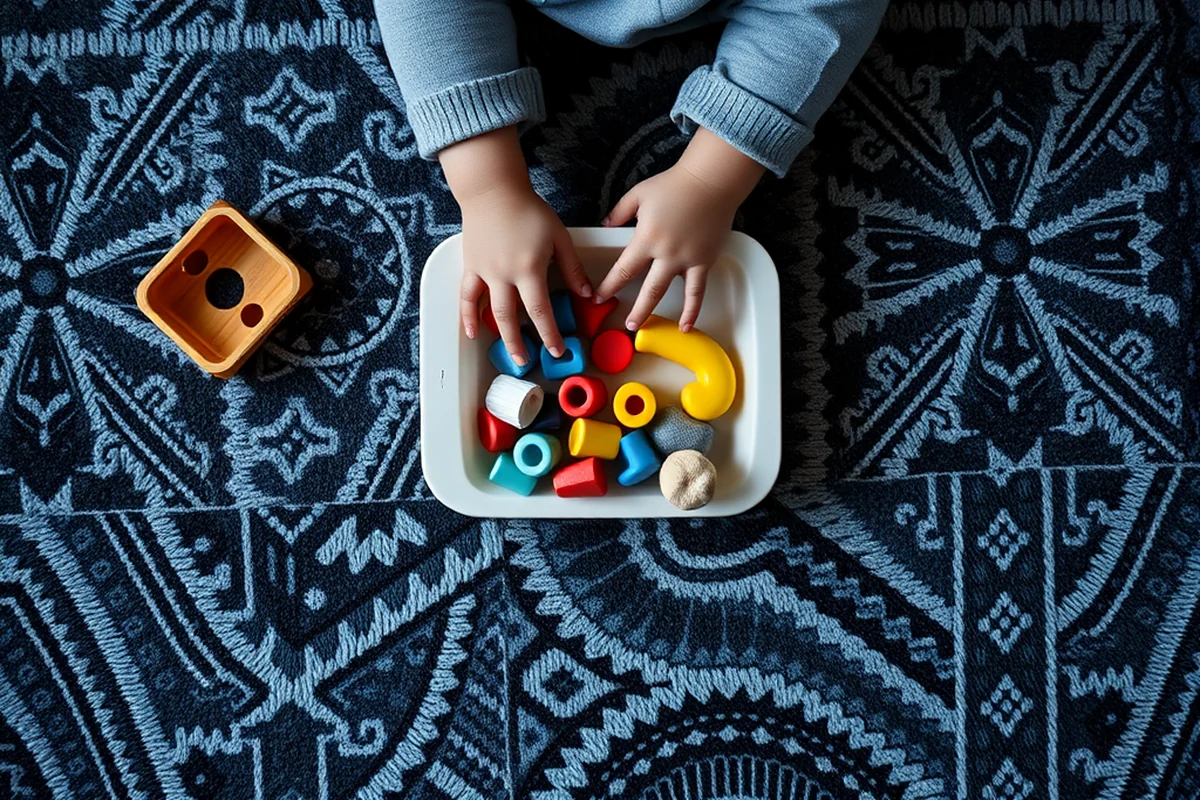
I established a consistent routine by taking my daughter to the potty at the same times every day — right after waking up, after meals, and before bedtime. This helped her develop a sense of predictability and made the process easier for both of us.
I kept a potty training schedule on the fridge so we could both see what we needed to do each day. It helped us stay on track and made the process feel less overwhelming. I also made sure to take breaks when needed, as consistency doesn't mean perfection.
Setting a consistent routine doesn't mean you can't be flexible. I made sure to adjust as needed, but having a general plan helped us stay focused and make progress over time.
Related: Minimalist potty training for toddlers
Dealing with Accidents and Setbacks
I made sure not to get upset when my daughter had accidents, even if it was frustrating. I reminded myself that setbacks are part of the process and that it's important to stay calm and supportive. I would just clean up and encourage her to try again.
I used positive reinforcement to help her feel confident even after an accident. I would say things like, 'That's okay, we'll try again,' and I would make sure not to use any negative language. This helped her feel supported and not discouraged.
Dealing with setbacks is all about staying patient and not letting them define the process. I made sure to focus on the progress we were making, no matter how small, and that helped us keep going even when things got tough.
Related: Best potty training
Making Potty Time Fun and Engaging
I made potty time fun by playing games, singing songs, and using a potty seat with a cute design. I also used a small book that had pictures of other kids using the toilet, which helped my daughter feel more connected to the process.
I made sure to use positive language and keep the mood light. I would say things like, 'Let's have fun on the potty!' and I would make it feel like a special time. This helped my daughter feel excited and not nervous.
Making potty time fun is about creating a positive experience that your child looks forward to. I focused on making it a special time in our day, which helped my daughter feel more confident and comfortable using the toilet.
When potty time is fun, your child is more likely to stay motivated and succeed.
Related: Budget potty training chart
When to Seek Help and Support
I reached out to my pediatrician when I felt like we were stuck in a rut. They gave me some great advice and reassured me that we were on the right track. I also talked to other parents who were going through the same thing, and it helped me feel less alone.
I made sure to stay open to advice and support, even if it came from unexpected places. Sometimes, a friend or family member might have a tip that helps make things easier. I kept an open mind and was willing to try new things.
Seeking help and support is a sign of strength, not weakness. I made sure to lean on my support system when needed, and it helped me stay focused and positive throughout the process.
🌸 Gentle Approach
A slow, flexible method that focuses on making the experience positive and stress-free for your child.
🚀 Fast-Track Method
A more structured approach that helps your child learn quickly and confidently.
✈️ Travel/Away-from-Home Method
A strategy for potty training your child when you're away from home, like at a friend's house or while traveling.
👭 Multiples Method
A tailored approach for families with multiple children, ensuring each child feels supported and encouraged.
🔄 Regression Reset
A method for helping your child overcome setbacks and get back on track with potty training.
| The mistake | Why it happens | The fix |
|---|---|---|
| Trying to force your child to use the potty before they're ready. | Forcing potty training before your child is ready can lead to resistance, fear, and setbacks. | Wait until your child shows signs of readiness and make the process fun and engaging. |
| Using punishment for accidents. | Using punishment can create a negative association with potty training and increase anxiety. | Avoid punishment and focus on positive reinforcement and encouragement instead. |
| Neglecting to establish a consistent routine. | Without a consistent routine, your child may struggle to develop the habits needed for successful potty training. | Create a consistent schedule and make sure to follow it as closely as possible. |
| Not celebrating progress and successes. | Failing to celebrate progress can make your child feel like they're not being recognized for their efforts. | Celebrate every small victory and make your child feel proud of their progress. |
| Ignoring your child's feelings and emotions. | Ignoring your child's emotions can make them feel unsupported and increase their anxiety. | Listen to your child, validate their feelings, and provide support and encouragement throughout the process. |
How To Potty Training Girls
Common Questions
What should I do if my daughter is resistant to using the potty?
How can I make potty training less stressful for my daughter?
What should I do if my daughter has a setback during potty training?
How long does it usually take to potty train a girl?
References
Cite this guide
Pottydays (2026). How To Potty Training Girls. https://pottydays.com/how-to-potty-training-girls/
Feel free to cite or share this guide.