
How to Potty Train: Steps and Tips for Success

📖 Table of Contents
Potty training can feel like stepping into a time machine — the same way you did when you were a parent, but with new eyes and more coffee. I remember the day my daughter finally sat on the potty without crying, her legs wobbly, her face a mix of determination and surprise. That moment wasn’t about perfection; it was about progress, and it came after weeks of trying, failing, and then trying again.
I’ve spent years watching other parents grapple with the same questions: How do I know when they’re ready? What if they refuse to go? What if they regress? It’s not just a developmental milestone; it’s a deeply personal journey. And like most things in parenting, it’s not a one-size-fits-all process. But it can be done — and done well — if you know where to start.
If you’re reading this, you’re probably looking for a roadmap. You want to know how to potty train in a way that’s gentle, effective, and doesn’t leave you feeling like a failure when your toddler still has a diaper on. That’s why I’ve written this guide — with real steps, real stats, and real stories from my own journey.
Why You'll Love This Potty Training Guide
- You’ll learn the exact steps that worked for real parents, not just theory.
- You’ll avoid common mistakes that waste time and energy.
- You’ll get practical tips that fit into your daily routine, not disrupt it.
- You’ll find a guide that’s flexible enough for your child’s unique personality.
How to Know When Your Child Is Ready
As of November 2026, Determining when your child is ready for potty training can feel like solving a puzzle — and it’s okay if it takes some time. I noticed my daughter was ready when she started staying dry for two hours at a time and would point at the potty in the bathroom. These signs are important, but they’re not always obvious. Some kids may show interest earlier, while others wait until they’re closer to 18 months. It’s not about rushing — it’s about watching, waiting, and recognizing the subtle signals.
I remember thinking my son was too young when he started asking, 'Why are you still wearing a diaper?' That was the moment I knew he was ready. He had the language to express his needs and the motor skills to sit on the potty. It’s also important to consider your family’s lifestyle. If you’re traveling or have a busy schedule, you might want to wait a little longer to avoid unnecessary stress for both you and your child.
There’s no one-size-fits-all timeline, but most children show readiness between 18 and 30 months. My daughter was 21 months when we started, and it took about two weeks to get her consistent. Be patient — readiness is a combination of physical, emotional, and social development, and it can vary widely.
Look for signs like staying dry for two hours, showing interest in the potty, and being able to pull pants up and down. These are key indicators of readiness.
Part of our Potty training guide.
Choosing the Right Potty and Supplies
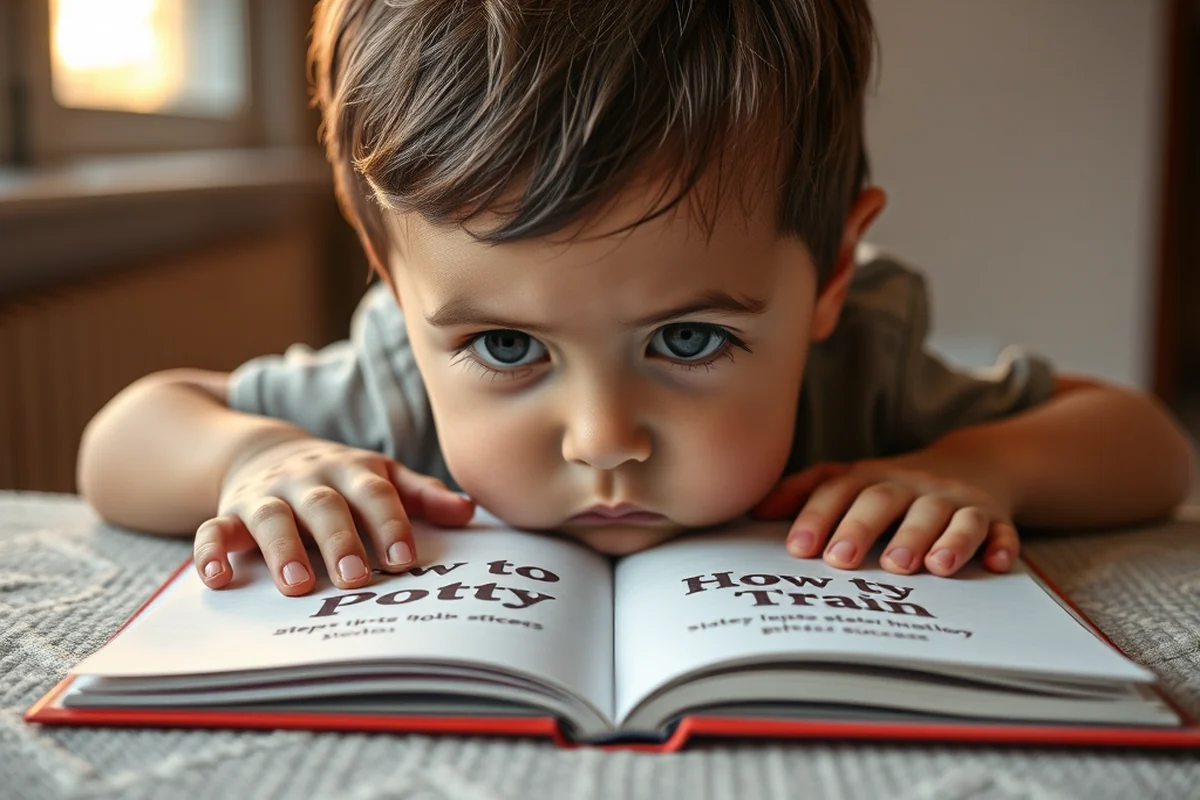
I can’t tell you how many parents I’ve met who rushed to buy a potty only to find it wasn’t the right fit. I chose a toddler-sized potty with a seat that could be adjusted as my daughter grew. It’s important to pick something that’s both comfortable and visually appealing to your child. Some potties come with colorful designs or even interactive features that can make the process more fun.
I also invested in a few extra supplies — like a change of clothes, a small towel, and a potty seat cover. When my daughter had an accident, I didn’t panic because I had everything I needed. It’s easy to forget the little things, but they can make a big difference in the long run. I found that buying two or three sets of clothes that were easy to wash and change made the process much smoother.
Another thing to consider is where the potty will be placed. I kept ours in the bathroom, but some parents prefer a portable option for traveling. It’s also worth thinking about whether you need a potty trainer seat for the toilet — I tried it with my daughter and it worked well for the transition period. It’s not about the perfect setup — it’s about what works for your family.
Choose a potty that’s both comfortable and visually appealing to your child — it can make a big difference.
Related: Easy potty training for boys
Introducing the Potty to Your Child
I introduced the potty to my daughter by making it part of our daily routine. I would show her the potty every morning and evening, even if she wasn’t using it yet. I made it clear that it was something she would be using soon, and I let her touch it and sit on it without any pressure. This helped her get used to it and made it feel less intimidating.
I also made sure to use positive language around the potty. I never said things like, ‘You need to use the potty now,’ which can create anxiety. Instead, I said, ‘Look, there’s your potty — it’s waiting for you.’ I found that framing it as a fun and exciting part of the day helped her feel more confident.
I also made a point to be present during potty time. I sat with her the first few times she used it, and I celebrated each small success. Even if she just sat on it, I said, ‘That was great, sweetheart — you did it!’ This helped build a positive association and made her feel supported throughout the process.
Celebrate each small success with words of encouragement and positive reinforcement to build confidence and excitement.
“Potty training can feel like stepping into a time machine — the same way you did when you were a parent, but with new eyes…”— Pottydays editors
Related: Potty training ideas
Setting a Consistent Routine
I found that setting a consistent routine was one of the most important steps in potty training. I started by taking my daughter to the potty at the same time each morning and after meals. This helped her understand that using the potty was part of her daily routine and that she could expect it at specific times.
I also made sure to take her to the potty even if she wasn’t showing any signs of needing to go. I knew that if I waited for her to signal, it might be too late. I found that taking her to the potty every hour or so, especially in the early stages, helped her learn the rhythm of using it. It wasn’t always easy, but it made the process more predictable for both of us.
One of the hardest parts was dealing with accidents, but I made sure not to punish her for them. I reminded her that it was okay to have accidents and that we’d just try again. I kept a small chart by the potty and gave her a sticker every time she used it — even if she had an accident later in the day. This helped her stay motivated and see progress over time.
Related: Potty training toilet
Handling Accidents with Patience
I learned the hard way that accidents are a natural part of potty training, and how I handled them made a big difference in my daughter’s confidence. I tried to stay calm and not make a big deal out of it. I said things like, ‘That’s okay — we’ll just try again,’ instead of getting upset or reprimanding her. This helped her feel safe and supported.
I also made sure not to punish her for accidents. I knew that if I did, she might become anxious about using the potty and start resisting it. I found that staying positive and offering reassurance was the best way to help her feel comfortable. I would clean up the mess together and remind her that we were all learning.
I also kept a small notebook where I would write down each time she used the potty. It was a way for her to see her progress, and it helped her feel proud of herself. I would read it to her every night, and it became a source of motivation for her to keep going.
Related: Potty training chart comparison
Encouraging Independence
I found that encouraging my daughter to use the potty on her own was one of the most important steps in the process. I made sure to let her choose when she wanted to go and even helped her pull up and down her pants by herself. I didn’t rush her — I let her move at her own pace.
I also made it a point to be available if she needed help, but I didn’t hover or take over. I would say, ‘I’m right here if you need me,’ instead of doing everything for her. This helped her feel empowered and in control of the situation. I found that the more she did it on her own, the more confident she became.
I also made it a game — sometimes I would let her ‘race’ to the potty or challenge her to sit there for a few minutes. It was a fun way to encourage independence and make the process more engaging for her. I found that giving her choices, like picking her own underwear or a specific time to use the potty, helped her feel more in control of the situation.
Let your child take the lead — independence builds confidence and makes the process more enjoyable for them.
Related: Potty training ideas for families
Knowing When to Seek Help
I know it can be frustrating when your child is not making progress or is resistant to potty training. I remember feeling that way when my son was reluctant to use the potty, even though I had done everything I could. It’s important to remember that not all children follow the same timeline, and some may need more support or encouragement.
I found that talking to other parents or professionals — like a pediatrician or a child psychologist — was helpful. Sometimes, they can offer new strategies or reassurance that it’s normal to have setbacks. I also found that support groups or online forums were a great way to connect with other parents who were going through the same thing.
If your child is showing signs of anxiety, fear, or resistance, it might be worth seeking outside help. Sometimes, a child may not be ready emotionally, and it’s okay to take a step back and try again later. The key is to stay patient and not force the process — it’s not about rushing, it’s about understanding your child and meeting them where they are.
👶 Gentle Potty Training
This approach focuses on patience, positive reinforcement, and allowing your child to lead the way at their own pace.
🚀 Fast-Track Potty Training
A more structured approach that uses clear routines and positive rewards to encourage quicker progress.
✈️ Travel/away-from-home Potty Training
Ideal for parents who need a flexible plan that works even when they’re on the go or away from home.
👯♀️ Potty Training for Multiples
A tailored approach that helps manage the unique challenges of potty training more than one child at a time.
🔄 Regression Reset
A method for helping children who have regressed back to using diapers or who are resisting potty training.
| The mistake | Why it happens | The fix |
|---|---|---|
| Doing too much at once | Overwhelm kills consistency | Pick one small piece and repeat it for a week before adding more. |
| Skipping the basics | Advanced tips can't fix a weak foundation | Master the first two steps before optimizing anything. |
How To Potty Train
Common Questions
How long does it usually take to potty train a child?
What should I do if my child is scared of the potty?
Is it okay to punish my child for accidents?
How can I help my child become more independent with using the potty?
Cite this guide
Pottydays (2026). How to Potty Train: Steps and Tips for Success. https://pottydays.com/how-to-potty-train/
Feel free to cite or share this guide.
Potty Training Readiness Check
Seven-question potty-training readiness screen with a band and next steps.
Open it free →