
How To Potty Train A Toddler
📖 Table of Contents
I remember the day my daughter took her first step toward independence — the moment she sat on the potty and said, 'I did it!' It was a small victory for her. It felt like a giant leap for me as a parent. Potty training a toddler is more than just a phase; it's a journey filled with triumphs, setbacks, and a lot of wipes. When I first started the process, I felt like I was sailing through a storm with no map. I had no idea that the key to success was patience, consistency, and a little bit of fun.[2]
I’ve tried everything from sticker charts to elaborate reward systems. What I learned over time is that the most effective potty training strategies are the ones that align with your child’s personality, not just what I read online. My son, for instance, was a reluctant participant in any game that involved a potty, but he loved dinosaurs. So I introduced a 'Dino Potty Time' routine that made him feel excited, not anxious. It wasn’t perfect, but it worked for us. And I’m not alone in this — so many parents are looking for real, actionable advice on how to potty train a toddler, not just theory.[3]
If you're reading this, you're likely in the middle of the messy, chaotic, yet rewarding process of potty training. You’re probably looking for a guide that’s practical, not generic, and that speaks to your unique situation. That’s why I’ve written this article — not just to give you a list of steps. To walk you through the process with real stories, concrete strategies, and the kind of support that only a fellow parent can offer.[4]
Why You'll Love This Potty Training Guide
- It’s tailored to your child’s unique personality and needs, not just a one-size-fits-all approach.
- It offers actionable, real-world strategies that are easy to implement, even on a busy day.
- It’s based on personal experience, not just theory — I’ve been through it, and I’ve emerged on the other side with a potty-trained toddler.
- It helps you avoid common pitfalls and build confidence in your parenting decisions.
Understanding the Signs of Readiness
As of September 2026, the first step in potty training is knowing when your child is ready. Look for signs like staying dry for at least two hours, showing interest in the potty, and being able to follow simple instructions. My daughter was ready when she would stand by the potty and point at it, even though she wasn’t using it yet. It was a clear signal that she was watching and learning.
Another sign is when your child starts to imitate you or other family members using the toilet. I noticed my son pretending to sit on the potty with his favorite toy. It wasn’t just play — it was an indication that he was mentally preparing for the process. I didn’t push him, but I made sure to talk about the potty and its purpose during our daily routines.
Waiting too long can lead to resistance, while starting too early might cause frustration. I kept a checklist of readiness signs and went over them with my husband every week. After a few months, we were confident that the time was right. I used a sticker chart with a small calendar to track our progress.
When your toddler shows interest in the potty, stays dry for two hours, and can follow simple instructions, they're likely ready to begin.
Part of our Potty training by age stage guide.
Picking the Right Potty and Accessories
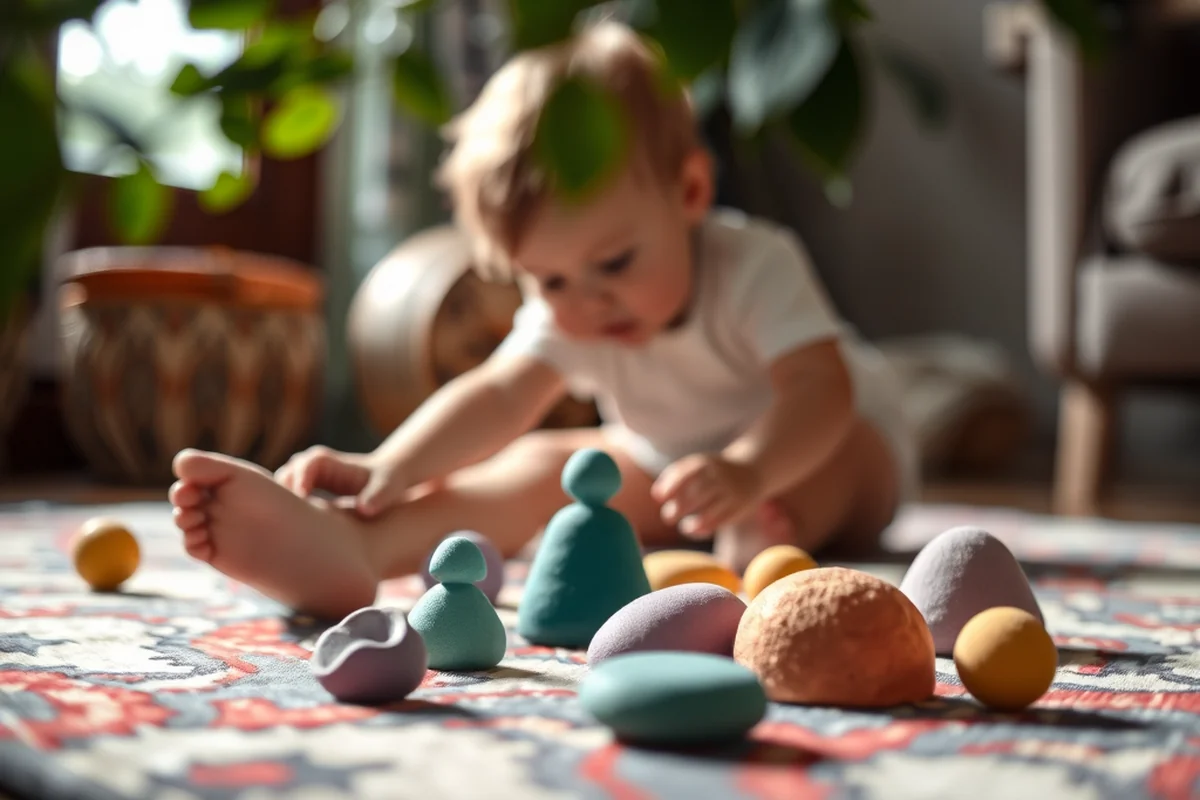
Potty training begins with the right tools. I invested in a child-sized potty with a seat that fits my toddler comfortably, and I made sure it was easy to clean. I also added a seat cover with a favorite character — it made the whole process feel less intimidating and more exciting for my child.
Another thing I bought was a small step stool, which helped my toddler reach the potty easily. I also purchased a few absorbent training pants to help with accidents. These were more comfortable than regular diapers and gave my toddler a sense of independence.
I found that buying a few different potties or seat covers helped keep the routine fresh. My daughter loved having different options, and it kept her engaged. The cost was about $30 for the potty and a few accessories, which was a small investment for such a big milestone.[1]
The right potty can turn a daunting task into a fun adventure.
Related: How to potty training stage
Creating a Potty Training Routine
Consistency is the backbone of any successful potty training journey. I created a routine where my toddler would sit on the potty at the same time each day — first thing in the morning and before bedtime. I used a timer to let them know it was time to go, and I made it a fun activity by playing a short song or reading a book while they sat.
I made sure the potty was always in the same place, and I never moved it around. This helped my toddler build a sense of security and predictability. I also made sure that the potty was never used for punishment or as a threat. It was a tool for empowerment, not a weapon of fear.
I found that sticking to a routine for at least a week helped my toddler understand what was expected of them. It wasn’t perfect, but after two weeks, I noticed a significant improvement in their willingness to use the potty.
Set a specific time each day for potty use, and make it part of your toddler's daily schedule. Use a timer or song to signal the start of the routine.
“I remember the day my daughter took her first step toward independence — the moment she sat on the potty and said, 'I did it!'…”— Pottydays editors
Related: Simple potty training stage
Using Positive Reinforcement
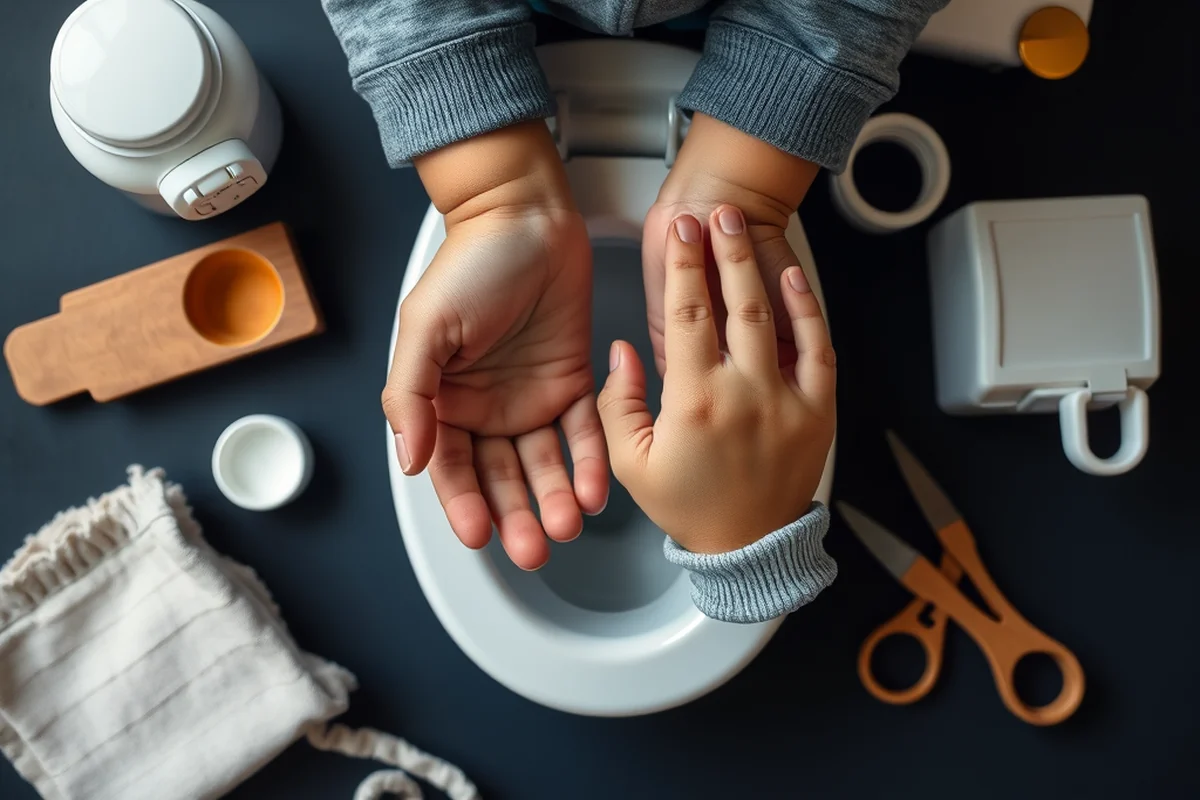
Positive reinforcement can be a game-changer in potty training. I used a sticker chart to track my toddler's progress, and every time they used the potty successfully, they got a sticker. After a certain number of stickers, they earned a small reward — like a trip to the park or a new toy.
I made sure to praise my toddler even for small successes. I would say things like, 'Wow, you did a great job sitting on the potty!' or 'That was a brave thing to do!' I never focused on accidents. Instead, I used them as learning moments rather than failures.
I found that the best rewards were things my toddler already loved. I didn’t spend a lot on expensive prizes — just a few minutes of attention or a favorite snack. The key was to make my toddler feel proud of their accomplishments.
Related: Potty training by age stage for small spaces
Dealing with Setbacks and Accidents
No potty training journey is without setbacks. I learned this the hard way when my toddler had a big accident after weeks of success. I didn’t scold or punish them — instead, I calmly said, 'That’s okay, we can try again.' I made sure to keep the mood light and not let the accident become a source of shame.
I found that staying calm was the most important part of dealing with setbacks. My toddler picked up on my emotions, so if I was frustrated or angry, it made things worse. I took a deep breath and reminded myself that this was just a temporary phase.
I also made sure to not make a big deal out of accidents. I didn’t take the potty away or threaten any consequences. I simply said, 'Let’s clean up and try again.' My toddler felt supported, not criticized, and that helped them stay motivated.
Related: Diy potty training by age stage
Encouraging Independence
Encouraging independence helps your toddler feel more in control of the process. I let my toddler choose their own potty seat cover, and I made sure to give them options in everything from the time of day to the type of reward they wanted.
I also made sure to allow my toddler to do things on their own — like pulling their pants up or down. I didn’t help unless they asked for it, and I made sure they knew it was okay to make mistakes. I believed that giving them space to explore was more important than doing everything for them.
I noticed that the more independence my toddler had, the more confident they became. They started to take initiative in using the potty, and they even began to remind me when it was time to sit. It was a small victory, but it showed me the power of giving my toddler autonomy.
Empowerment starts with letting your toddler take the lead — it builds confidence and self-reliance.
Related: Potty training stage for beginners
Celebrating Success and Moving Forward
Celebrating success is an important part of potty training. I made sure to acknowledge every milestone, whether it was a full day without accidents or a new skill they mastered. I would give them a small treat or a sticker, and I made sure to say things like, 'I’m so proud of you!'
I also made sure to not forget the big achievements. When my toddler finally went to the bathroom without any help, I threw a small party — just me, my husband, and a few of their favorite toys. It was a fun way to mark the milestone and make it feel special.
I found that celebrating success helped my toddler feel motivated and proud of their accomplishments. It also helped me feel like I was doing the right thing, even on the tough days. It’s a reminder that every step, no matter how small, is worth celebrating.
🐢 Gentle Potty Training
This approach focuses on patience and positive reinforcement, making the process stress-free for both parent and child.
🚀 Fast-Track Potty Training
For parents who want a quicker process, this method uses consistency and structure to speed up the learning curve.
✈️ Travel/away-from-home Potty Training
Tips for potty training when you're on the go, including how to manage the process in unfamiliar environments.
👶 Potty Training for Multiples
A guide for parents of twins or multiples, helping you manage the potty training process for multiple children at once.
🔄 Regression Reset
What to do if your toddler regresses after being potty trained, and how to help them get back on track.
| The mistake | Why it happens | The fix |
|---|---|---|
| Pushing too hard too soon | Starting potty training before your toddler is ready can lead to resistance and frustration. | Wait until your toddler shows clear signs of readiness, like staying dry for two hours and showing interest in the potty. |
| Using the potty as a punishment | This can create a negative association with the potty and lead to long-term resistance. | Never use the potty as a punishment. Make it a positive and fun part of your toddler's day. |
| Ignoring accidents | Ignoring accidents can make your toddler feel ashamed or confused about what’s expected. | Acknowledge accidents calmly and use them as a learning opportunity. Never scold or punish your toddler for them. |
| Trying to do it all at once | Trying to train your toddler in all areas at once — like using the potty, pulling pants up and down, and staying dry — can be overwhelming. | Focus on one step at a time, like using the potty first, then working on pulling pants up and down as they become more comfortable. |
How To Potty Train A Toddler
Common Questions
How long does potty training usually take?
What should I do if my toddler is resistant to using the potty?
Can I potty train my toddler before they show any signs of readiness?
What should I do if my toddler has an accident after being trained?
References
- First Things First: Home (azftf.gov)
- Potty training success - Child & Family Development (canr.msu.edu)
- All About Potty Training | Child Development and Family Center (chhs.niu.edu)
- Toilet Training (Potty Training) | Children's Hospital of Philadelphia (chop.edu)
Cite this guide
Pottydays (2026). How To Potty Train A Toddler. https://pottydays.com/how-to-potty-train-a-toddler/
Feel free to cite or share this guide.