
Toddler Potty Training Seat

📖 Table of Contents
- Choosing the Right Toddler Potty Training Seat
- Creating a Positive Potty Training Environment
- Tips for Making Potty Training Fun
- When to Start Potty Training
- Dealing with Setbacks
- When to Seek Help
- The Long-Term Benefits of a Toddler Potty Training Seat
- Involving Siblings in the Potty Training Process
- Make It Your Way
- Frequently Asked Questions
I remember the day my daughter sat on the toddler potty training seat for the first time — her tiny feet dangling over the edge, her face a mix of curiosity and determination. It was a small moment, but it felt like a huge step forward in our journey to potty training. The toddler potty training seat wasn’t just a piece of furniture; it was a symbol of progress, a tool that bridged the gap between diapers and independence.
Choosing the right toddler potty training seat was more important than I ever imagined. After trying a few different options, I realized that the right seat can make all the difference in the world. It needs to be the right height, the right size, and ideally, the right color to keep little ones interested. The toddler potty training seat is a non-negotiable piece of the puzzle in the potty training process.
Over the next few weeks, we made the toddler potty training seat a central part of our routine. We placed it in the bathroom, made it a fun spot to sit, and even decorated it with stickers to make it feel like a special place. It became a fixture in our home, a quiet companion in our child’s transition to using the toilet. The toddler potty training seat was no longer just a seat — it was a milestone.
Why You'll Love This Toddler Potty Training Seat
- It gives your child a sense of autonomy and confidence.
- It can be adjusted to fit your child’s height and needs.
- It’s designed to be safe and comfortable for toddlers.
- It can help reduce the need for diapers and promote toilet use.
Choosing the Right Toddler Potty Training Seat
As of November 2026, the first step in successful potty training is choosing the right toddler potty training seat. I spent hours comparing options in the store, reading reviews, and even asking friends for recommendations. What worked for one child might not work for another.
I found that seats with adjustable heights are the most versatile. They can grow with your child and adapt to different stages of potty training. Some seats are even designed to be used with a regular toilet, which can be a game-changer.
Comfort is also a big factor. A seat that is too hard or too small can make the experience unpleasant. I found that seats with padding and a secure fit made a world of difference in my child's willingness to sit and try.
Choose a seat that can grow with your child and is comfortable for long periods of sitting.
Part of our Potty training guide.
Creating a Positive Potty Training Environment
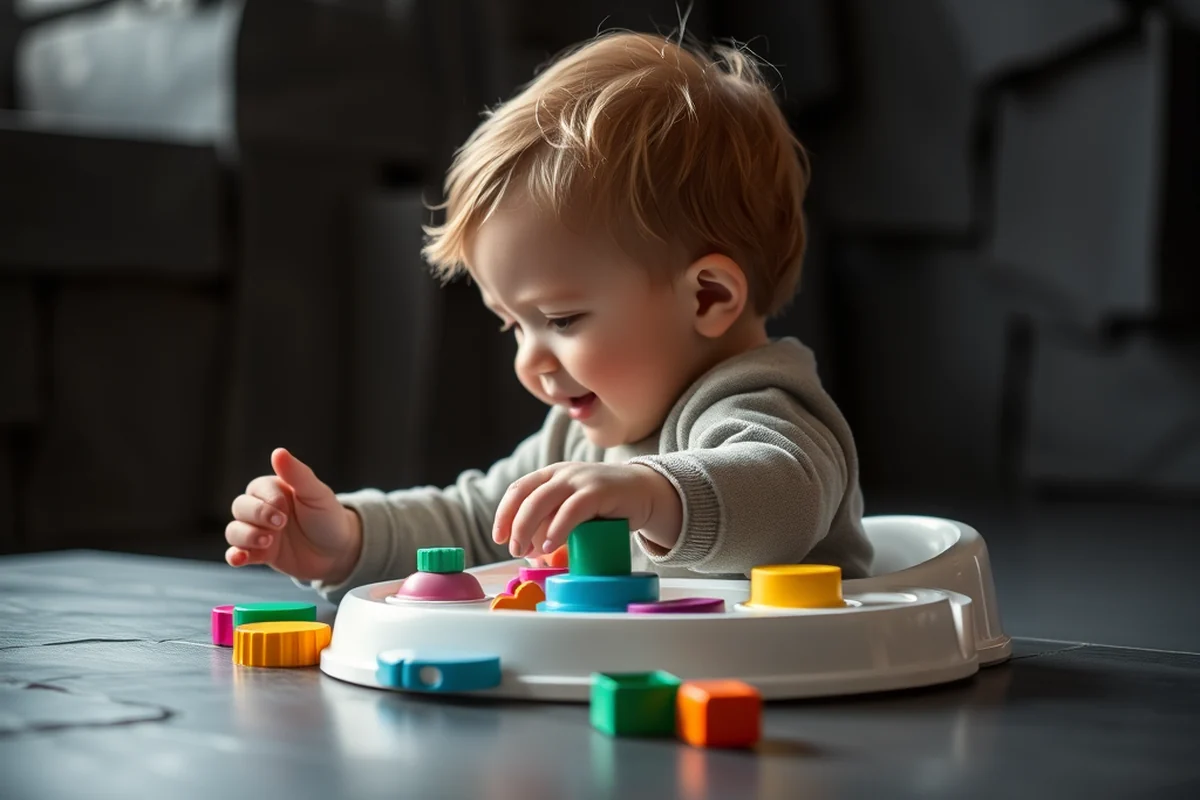
Making the potty training experience fun and positive is key. I turned the toddler potty training seat into a special place by adding a small cushion and some colorful stickers. My child loved the stickers and would often ask if she could sit on the seat with them.
We created a routine that included sitting on the seat at least twice a day, even if there was no urge to go. This helped her get used to the seat and made it a regular part of her day. I also made sure to praise her every time she sat on the seat.
Consistency and positivity went a long way. My child started to associate the toddler potty training seat with success, and she was more willing to try again if she had an accident.
A positive environment can make all the difference in the potty training journey.
Related: Potty training a puppy
Tips for Making Potty Training Fun
I used a chart with stickers to track my child's progress. Every time she sat on the toddler potty training seat or used it successfully, she would get a sticker. Once she had a certain number of stickers, she would get a small reward, like a new book or a trip to the park.
I also made a game out of using the seat. We would play a short song every time she sat down, and she would try to sing it with me. It made the experience more interactive and engaging for her.
These small, fun touches helped my child stay motivated. The toddler potty training seat became more than just a seat — it was a part of a fun and rewarding game.
Incorporate play and rewards to keep your child engaged and excited about potty training.
“I remember the day my daughter sat on the toddler potty training seat for the first time — her tiny feet dangling over the edge…”— Pottydays editors
Related: Easy potty training for boys
When to Start Potty Training
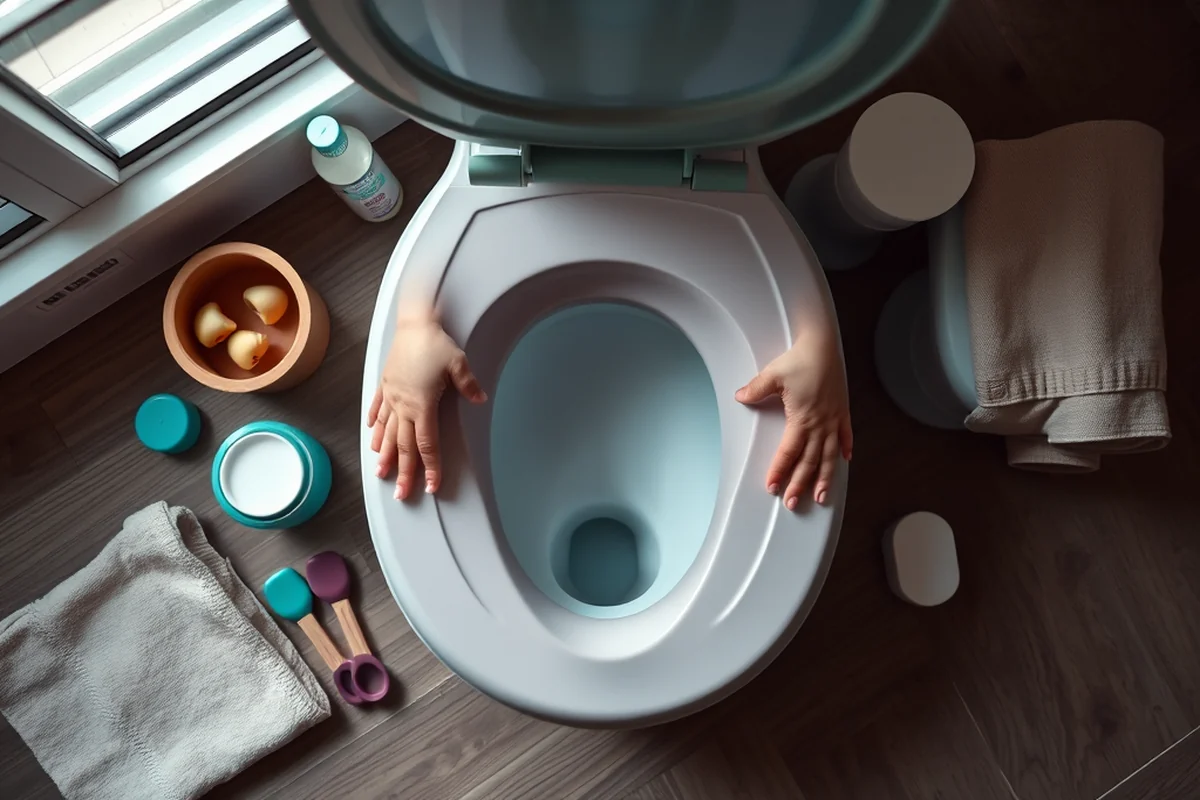
I started potty training my daughter when she was 18 months old, which is on the earlier side. While some children are ready as early as 18 months, others may not be ready until they are 2 or 3 years old.
It’s important to look for signs that your child is ready. These include staying dry for longer periods, showing interest in the toilet, and being able to follow simple instructions. I noticed that my daughter was showing these signs around 18 months, so I decided to start.[1]
Starting early can help your child get used to the idea of using the toilet, but it’s also important to be patient. If your child isn’t ready yet, it’s okay to wait a little longer and try again later.
Related: Potty training ideas
Dealing with Setbacks
There were a few times when my child had setbacks and started wearing diapers again. It was frustrating, but I reminded myself that setbacks are a normal part of the process. It can take several weeks or even months for a child to become fully potty trained.
I made sure to stay consistent with our routine and never punish my child for accidents. Instead, I focused on praising her successes and keeping things positive. My child learned that accidents were okay and that she could try again.
Patience and consistency were key. Even though the journey had its ups and downs, we eventually reached a point where my child was using the toddler potty training seat on a regular basis and was almost fully potty trained.
Related: Potty training toilet
When to Seek Help
I noticed that my child was having a hard time using the toddler potty training seat consistently. After a few weeks of effort, she still wasn’t making progress, and I started to feel worried.
I reached out to our pediatrician, who gave me some additional tips and reassured me that my child was just taking a little longer to adjust. She also recommended a few resources that we could use at home.
It was comforting to know that help was available if we needed it. Sometimes, a little guidance from a professional can make a big difference in the potty training journey.
If progress is slow, don’t hesitate to seek help from a healthcare professional.
Related: Potty training chart comparison
The Long-Term Benefits of a Toddler Potty Training Seat
Looking back, I can see how the toddler potty training seat played a crucial role in my child’s development. It helped her gain confidence and independence as she learned to use the toilet on her own.
The skills she learned during potty training, like using the toilet and staying dry, have carried over into other areas of her life. She’s more confident and capable now than she was before.
The toddler potty training seat wasn’t just a tool — it was a stepping stone toward greater independence and self-reliance. It helped my child take her first steps toward growing up.
Involving Siblings in the Potty Training Process
I found that involving my older child in my younger daughter’s potty training journey helped both of them feel more comfortable and supported. I let my older child help by holding the potty training book or encouraging her sister with a sticker when she succeeded. This not only made the process more fun, but it also helped my older child feel like a big sibling and a role model.
I made sure to give my older child a small reward — like 10 minutes of extra screen time — every time my younger daughter successfully used the potty. This helped align their goals and created a positive dynamic. It also gave my older child a sense of responsibility and pride in helping her sister.
I also noticed that when my older child used the potty independently, my younger daughter was more eager to follow suit. This peer influence was powerful, and I saw a noticeable increase in her willingness to try the potty after my older child had a successful day. Involving siblings can be an effective and low-cost strategy to support potty training.
👶 Gentle Approach
Take things slowly and focus on making the experience fun and positive, even if progress is slow.
🚀 Fast-Track Method
Use a structured routine and a clear plan to help your child transition to using the toilet quickly.
🧳 Travel/away-from-home Method
Choose a portable potty training seat that can be used in different environments, such as at a friend’s house or while traveling.
👥 Multiples Method
Use the same toddler potty training seat for all children in the household to create consistency and make things easier for parents.
🔄 Regression Reset
If your child has regressed, use the toddler potty training seat as a tool to help them regain their confidence and restart the process.
| The mistake | Why it happens | The fix |
|---|---|---|
| Starting too early | If your child is not ready, starting too early can lead to frustration and setbacks. | Wait until your child shows signs of readiness, such as staying dry for longer periods and showing interest in the toilet. |
| Using punishment for accidents | Punishing your child for accidents can create negative associations with potty training and reduce their confidence. | Stay positive and focus on celebrating successes instead of punishing mistakes. |
| Not being consistent with the routine | Inconsistency can confuse your child and make it harder for them to learn the routine. | Establish a consistent routine and stick to it, even on busy or stressful days. |
| Using the wrong type of seat | A seat that is uncomfortable or not suited to your child’s needs can make the experience unpleasant. | Choose a seat that is adjustable, safe, and comfortable for your child. |
Toddler Potty Training Seat
Common Questions
What is the best age to start potty training?
How long does potty training typically take?
What should I do if my child is resistant to using the potty training seat?
Can I use a toddler potty training seat with a regular toilet?
References
Cite this guide
Pottydays (2026). Toddler Potty Training Seat. https://pottydays.com/toddler-potty-training-seat/
Feel free to cite or share this guide.
Potty Training Readiness Check
Seven-question potty-training readiness screen with a band and next steps.
Open it free →