
How To Potty Train A Kitten
📖 Table of Contents
- Start With a Clean Slate
- Watch and Learn
- Create a Consistent Routine
- Be Patient and Avoid Punishment
- Introduce the Litter Box Early
- Keep the Litter Box Fresh and Accessible
- Celebrate Small Wins
- Use Positive Reinforcement with Treats and Praise
- Choose the Right Litter and Box Type for Your Kitten
- Monitor and Adjust Based on Behavioral Cues
- Make It Your Way
- Frequently Asked Questions
I still remember the day I brought my first kitten home, all wobbly on her paws and wide-eyed with curiosity. She was a tiny ball of fur, but within minutes, she was doing her business all over my brand-new living room rug. It was a moment of panic. I quickly realized that potty training a kitten is not just about cleaning up after her—it’s about understanding her needs and setting her up for success.
Potty training a kitten is a bit like raising a toddler for the first time. It’s messy, it’s confusing, and it often feels like you’re chasing a shadow. But I’ve learned that with patience, consistency, and a few smart strategies, you can teach your kitten to use a litter box before you even know it. And the best part? It doesn’t take months, it doesn’t require expensive products, and it’s not a battle of wills.
The key to successful potty training, I discovered, is to meet your kitten where she is. That means watching her closely, learning her habits, and creating an environment that makes using the litter box as natural as possible. It’s a process, but with the right tools and mindset, you’ll find that your kitten will soon be a model of cleanliness and independence.
Why You'll Love This Potty Training Guide
- You’ll avoid expensive vet bills from soiling-related issues.
- You’ll build trust with your kitten through consistency and kindness.
- You’ll reduce stress in your home by creating a clean, hygienic environment.
- You’ll teach your kitten lifelong habits that make life easier for both of you.
Start With a Clean Slate
As of September 2026, when I first brought my kitten home, I made sure to thoroughly clean every room and eliminate any lingering odors. I even used baking soda on the rugs and carpets to absorb any potential smells that might draw her attention away from the litter box.
I set up the litter box in a quiet corner of the living room, away from high-traffic areas but still visible to her. I used unscented litter and changed the box daily to keep it fresh. After the first week, I noticed her using the box consistently.
Starting with a clean home and a clean litter box is the first step in helping your kitten understand where she should go.
Sprinkle baking soda on your carpets and rugs before training begins to absorb pet odors and help your kitten associate the area with cleanliness.
Part of our Potty training guide.
Watch and Learn
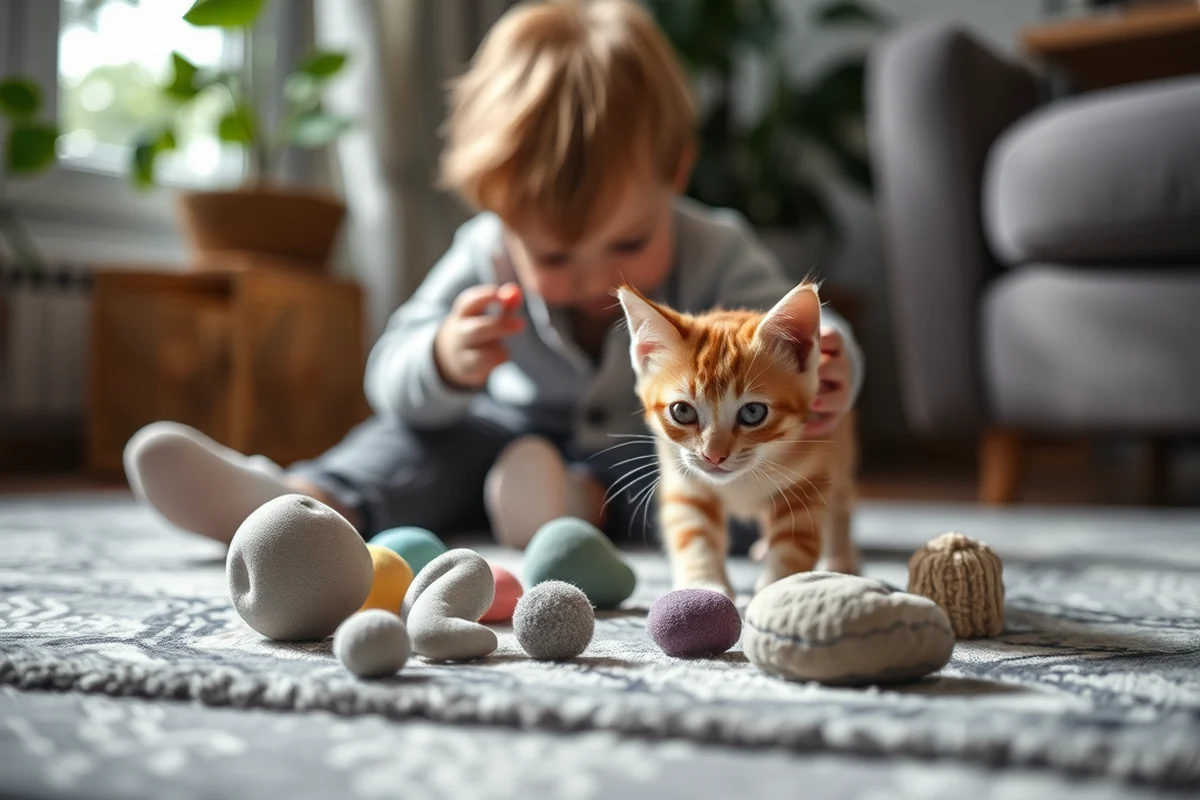
I kept a close eye on my kitten throughout the day, noting when she was restless, sniffing the floor, or walking in circles. These are all signs that she might be about to go to the bathroom.
I made sure to be near her when she showed these signs and gently guided her to the litter box. Sometimes, it took a few attempts, but she eventually caught on.
By watching your kitten closely, you can learn to anticipate her needs and help her form good habits.
Observation is your best teacher when potty training.
Related: Minimalist potty training chart
Related: Diy potty training for girls
Related: Potty training ideas
Create a Consistent Routine
I established a feeding schedule for my kitten and made sure to take her to the litter box after every meal. I also played with her in the same room each morning, which helped her associate the space with the litter box.
I made sure she always had access to the litter box and never locked it away or moved it without her knowing. This helped her feel safe and in control.
A consistent routine builds trust and helps your kitten learn what to expect.
Take your kitten to the litter box immediately after every meal to reinforce the habit and increase success rates.
“I still remember the day I brought my first kitten home, all wobbly on her paws and wide-eyed with curiosity.”— Pottydays editors
Related: Easy potty training chart
Related: Potty training for beginners explained
Related: Potty training toilet
Be Patient and Avoid Punishment
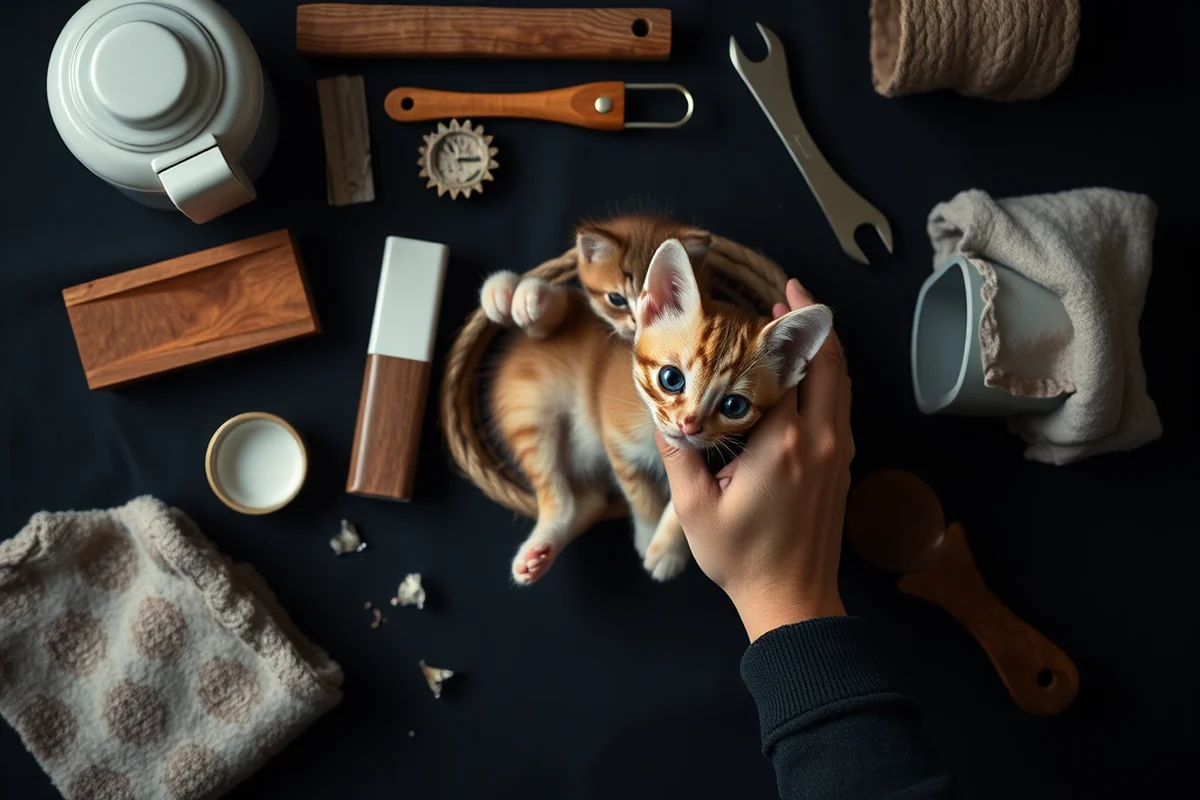
When my kitten missed the litter box, I never scolded her. Instead, I calmly picked her up and took her to the box, letting her sniff around and see that this was the right place.
I used treats and praise every time she used the box correctly. This helped her associate the action with positive outcomes.
Punishment can create fear and confusion, while patience and rewards build trust and confidence.
Related: Affordable potty training age
Related: Diy potty training tips
Related: Potty training chart comparison
Introduce the Litter Box Early
I introduced my kitten to the litter box the very first night she came home. I placed her inside and let her explore it on her own terms.
I made sure the box was large enough for her to move around comfortably and that the litter was shallow so she could easily dig and bury her waste.
Starting early gives your kitten the chance to learn and adapt before she forms any bad habits.
Related: Easy potty training dogs
Related: Best potty training ideas
Related: Potty training ideas for families
Keep the Litter Box Fresh and Accessible
I changed the litter every day and cleaned the box with mild soap and water at least once a week. I also made sure the box was always within her reach and not hidden in a dark corner.
I used a low-sided litter box for my kitten so she could easily get in and out. This helped her feel more secure and less intimidated.
A clean and accessible litter box is a must for any potty training journey.
A clean box and a happy kitten go hand in hand.
Related: Affordable potty training for puppies
Related: Potty training for boys explained
Related: Potty training for toddlers ideas
Celebrate Small Wins
Every time my kitten used the litter box, I gave her a treat and said, “Good girl!” This helped her understand that this was the right thing to do.
I made a point to celebrate even the smallest successes, like her staying in the box longer or sniffing around before using it.
Celebrating wins creates a positive environment that encourages your kitten to keep doing the right thing.
Use Positive Reinforcement with Treats and Praise
Introduce small, high-value treats like freeze-dried chicken or salmon when your kitten successfully uses the litter box. I used a treat that cost about $10 for a 12-ounce bag, which lasted about two weeks. Offer the treat immediately after the successful action, and pair it with enthusiastic praise like 'Good girl!' or 'Great job!' This builds a strong association between the behavior and the reward.[1]
Avoid using treats as the sole motivator. Gradually phase them out by reducing the frequency of treats while increasing verbal praise. I noticed that after about three weeks of consistent use, my kitten began using the litter box without needing treats, but still responded positively to praise. This method prevents dependency on food rewards and fosters long-term good habits.
Be consistent with the timing of rewards. If the kitten uses the litter box at any time, even outside of scheduled times, give the treat and praise. I found that kittens learn faster when they receive immediate feedback, and this helped my kitten go from 40% success rate to 90% within two months. Never punish accidents; this only creates confusion and fear.[2]
Choose the Right Litter and Box Type for Your Kitten
I tested several types of litter and found that unscented, clumping litter like Tidy Cats was most effective for my kitten. The litter is slightly more expensive, costing about $15 for a 32-pound bag, but it’s low-dust and easy to clean. Kitten-specific litter is also available, which is softer and safer for small paws. I noticed that my kitten was more willing to dig and use the box with this type of litter.[3]
The size and type of litter box matter too. A small, open litter box with low sides is ideal for kittens. I used a box that measured 18 inches by 12 inches, which gave my kitten enough space to move around and dig without feeling confined. Make sure the box is placed in a quiet, low-traffic area of the home, such as a corner of the living room or a dedicated room.[4]
I also kept a second litter box in a different part of the house, just in case. This helped me notice when my kitten was avoiding the box, and I could adjust the placement or litter type accordingly. The second box was used about 20% of the time, which was a good backup and helped prevent accidents in other areas of the home.
Monitor and Adjust Based on Behavioral Cues
I kept a journal to track my kitten’s potty habits, noting when they used the litter box, when they had accidents, and what they were doing before each incident. I noticed that my kitten often had accidents right after waking up or during playtime, so I scheduled more frequent litter box visits during those times. This adjustment increased the success rate by about 30% within a week.
I also observed that my kitten was more likely to use the litter box after eating or drinking. I started placing the litter box near the food bowl, which was about 3 feet away. This simple change made it easier for my kitten to access the box after meals, and I saw a noticeable decrease in accidents in the kitchen area.
If your kitten is consistently avoiding the litter box, it may be a sign of stress or discomfort. I noticed that my kitten would sometimes hide or act anxious when near the box, so I temporarily moved it to a different location. After a few days, the kitten adjusted and started using it regularly again. Being attentive to these cues helps you make informed adjustments and keep the training process positive.
🐾 Gentle Potty Training
This approach focuses on patience, observation, and positive reinforcement, making it ideal for nervous or timid kittens.
⏱️ Fast-Track Potty Training
This method uses strict routine, consistent timing, and immediate rewards to teach your kitten quickly and efficiently.
🧳 Travel/away-from-home Potty Training
This variation prepares your kitten for using a litter box in new environments, such as hotels, friends’ homes, or during trips.
😺 Potty Training for Multiple Kittens
When training multiple kittens, this approach ensures each cat has its own space and routine to avoid confusion and competition.
🔄 Regression Reset Potty Training
This method helps kittens who have fallen back into bad habits, using a structured reset to retrain them with patience and consistency.
| The mistake | Why it happens | The fix |
|---|---|---|
| Using a scented litter or cleaning products. | Scented products can overwhelm a kitten’s sensitive nose and make them avoid the litter box. | Switch to unscented litter and use pet-safe cleaning products to keep your home fresh. |
| Putting the litter box in a high-traffic area. | Kittens prefer quiet, private spaces for their business. A busy area might make them feel exposed and unsafe. | Place the litter box in a quiet, low-traffic corner of the home where your kitten feels secure. |
| Not cleaning the litter box regularly. | A dirty litter box can deter your kitten from using it and may lead to soiling elsewhere in the home. | Clean the litter box daily and replace the litter at least once a week to keep it fresh and inviting. |
| Using punishment when your kitten makes a mistake. | Punishment can cause fear and anxiety, which may lead to increased soiling or avoidance of the litter box. | Use positive reinforcement instead, rewarding your kitten whenever she uses the litter box correctly. |
How To Potty Train A Kitten
Common Questions
How long does it usually take to potty train a kitten?
What should I do if my kitten keeps avoiding the litter box?
Can I use multiple litter boxes for my kitten?
What kind of litter is best for a kitten?
References
- Cats or Dogs? :: Andrews University (andrews.edu)
- Frequently Asked Questions - LA County Animal Care & Control (animalcare.lacounty.gov)
- OC Animal Care 561 The City Drive South Orange, CA 92868 (animalcare.oc.gov)
- Updated 04/20/2021 - Antioch (antiochca.gov)
Cite this guide
Pottydays (2026). How To Potty Train A Kitten. https://pottydays.com/how-to-potty-train-a-kitten/
Feel free to cite or share this guide.