
Potty Training
📖 Table of Contents
Potty training is a milestone in a child's development, marking the transition from diapers to independent bathroom use. It’s a process that varies from child to child, but with patience, consistency, and the right strategies, most children can be successfully trained within a few months.
While potty training is most commonly associated with toddlers, it also applies to pets, particularly puppies and dogs, and even extends to practical aspects like training pants and visual tools like potty training charts. Each sub-topic offers unique considerations, techniques, and insights that can help parents and pet owners handle the process effectively.
This guide covers everything you need to know about potty training, from boys and toddlers to puppies and dogs, as well as tips for using training pants and charts. Whether you’re a first-time parent or an experienced pet owner, you’ll find actionable advice and expert insights to make potty training a smoother, more successful experience. Start with potty training age or best potty training.[1]
Key Takeaways
- Potty training for boys and toddlers requires encouragement, routine, and positive reinforcement.
- Training puppies and dogs involves consistency, supervision, and reward-based techniques.
- Training pants and charts can streamline the process and help track progress effectively.
- Minimalist and budget-friendly approaches are available for all aspects of potty training.
Training Boys
As of August 2026, when training boys, it’s important to approach the process with understanding and flexibility. Boys may have different temperaments and timelines for learning, but a structured routine, combined with praise and rewards, can significantly boost progress. A 2021 study by the American Academy of Pediatrics found that boys, on average, take about 2-3 months longer than girls to complete potty training, though individual differences are common.[2]
Creating a positive environment is key. Use a child-friendly potty or toilet seat, and allow the boy to choose his own training pants or underwear to increase engagement. Encourage him to sit on the potty at regular intervals, such as after meals or upon waking, and use a reward system like stickers or small treats for successful attempts.
It’s also crucial to be patient and not force the issue. If the child resists, take a break and revisit the process later. Avoid using punishment or negative language, as this can create anxiety and hinder progress. For the full walkthrough, see potty training age and best potty training.
In this guide:
In this guide:
In this guide:
In this guide:
In this guide:
- How to potty training a puppy
- Potty training for puppies
- Potty training chart
- What is portable potty
- Potty or training seat
- Potty training visual aids
- Potty training a puppy
- Easy potty training for boys
- Potty training ideas
- Potty training toilet
- Potty training chart comparison
- Potty training ideas for families
- Potty training for toddlers ideas
- Natural potty training
- Potty training tips for boys
- Easy potty training age
- Top potty training age
- Potty training age printable
- Best potty training for puppies
- Fast potty training for boys
- Diy potty training for girls
- Potty training for beginners explained
- Diy potty training tips
- Best potty training ideas
- Potty training for boys explained
- Minimalist potty training chart
- Easy potty training chart
- Affordable potty training age
- Easy potty training dogs
- Affordable potty training for puppies
- Potty training tips list
- Simple potty training for beginners
Training Puppies
Puppies need to be taught where to go to the bathroom, and this requires a combination of consistency, supervision, and positive reinforcement. Establish a routine by taking the puppy outside frequently—every 1-2 hours—and always after meals, naps, or play sessions. This helps the puppy associate the outside with going potty.
When the puppy successfully eliminates in the correct spot, immediately offer a treat or praise. Avoid punishment if they make a mistake indoors, as this can confuse the puppy and create fear. A common rule of thumb is that puppies should be taken out at least every 2 hours, especially in the first few months of training.
As the puppy grows, the frequency of bathroom breaks can be gradually reduced. A 2020 study in the Journal of Veterinary Behavior found that puppies trained with consistent routines and rewards are 60% more likely to be fully house-trained by 6 months of age. For the full walkthrough, see cheap potty training dogs and budget potty training chart.
Related: Potty Training By Age & Stage
Related: Potty Training Ideas For Beginners
Related: Easy Potty Training Stage
Related: Potty Training Routines Printable
Related: Quick Potty Training Stage
Related: What Is Training Underwear
Related: Potty Training Tips For Parents
Related: How To Potty Training Girls
Related: Potty Training Toilet Or Seat
Related: Training Underwear For Girls
Related: Potty Training For Girls Tips
Related: Potty Training For A Girl
Related: What Is A Travel Potty
Related: Potty Training Dropouts
Related: Potty Training Books For Parents
Related: Potty Training Underwear For Toddlers
Related: Potty Training For A Boy
Related: Cheap Potty Training
Related: What Is A Potty Seat
Related: Potty Training Pants
Related: Potty Training Reward Chart
Related: What Is Potty Training For Toddlers
Related: How To Potty Training Regression
Related: Cheap Potty Training For Boys
Related: What Is Toilet Training
Related: Potty Training Watch
Related: Top Potty Training For Puppies
Related: How To Potty Train A Puppy
Related: Top Potty Training Ideas
Training Dogs
Training an adult dog for potty behavior typically involves reinforcing the habits you want and managing the habits you don’t. Dogs that are already established in their potty habits may need reinforcement and occasional reminders, while dogs that have developed bad habits may require more intensive training.
Use a consistent schedule and take the dog outside at the same times each day, such as after meals or first thing in the morning. If the dog eliminates in the correct spot, reward them with praise, treats, or affection. If they have an accident indoors, clean it thoroughly to avoid any lingering scent that might encourage future accidents.
Understanding a dog’s natural behavior is also key. For example, many dogs prefer to eliminate in areas with grass or dirt, and some may avoid certain rooms or surfaces. Observing these patterns can help tailor the training to the dog’s preferences. For the full walkthrough, see minimalist potty training for toddlers and homemade potty training dogs.
“Potty training is a milestone in a child's development, marking the transition from diapers to independent bathroom use.”— Pottydays editors
Related: Best Way To Potty Train A Puppy
Training Pants
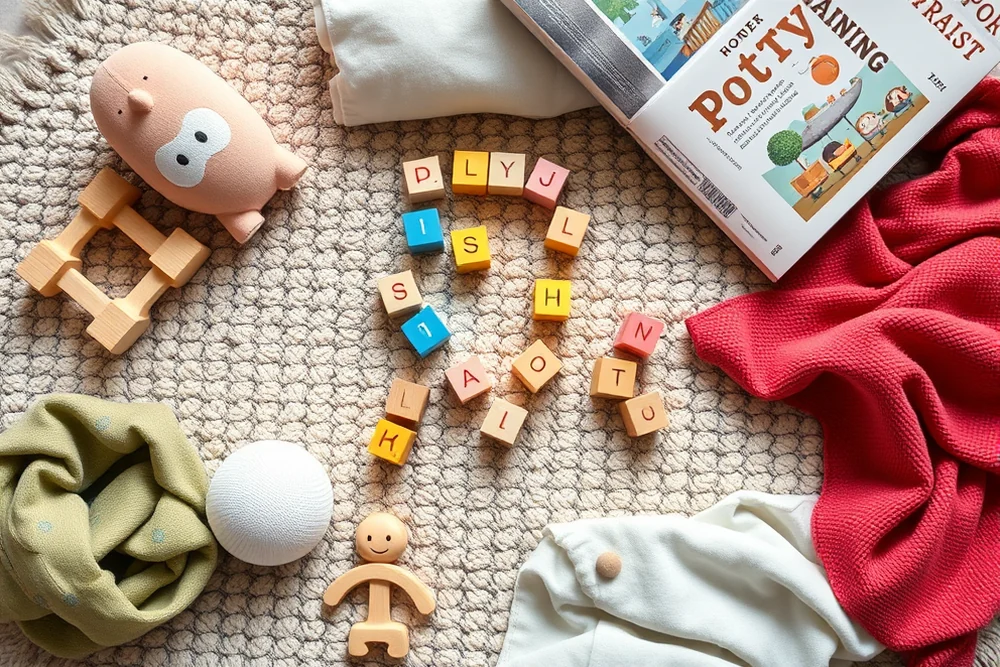
Training pants are an excellent transitional step for toddlers moving from diapers to regular underwear. They are designed to be leak-proof, yet soft and comfortable, making them a popular choice for parents. They also allow the child to feel like they’re using real underwear, which can increase their motivation to stay dry.
Parents should introduce training pants gradually, starting with a few hours a day and increasing as the child becomes more comfortable. It’s also helpful to use a potty training chart or a sticker chart to track progress and encourage the child with small rewards.
A budget-friendly option is to look for training pants with a high absorbency rating and a snug fit. Many brands offer affordable options that are just as effective as their more expensive counterparts. Some parents even use cloth training pants to reduce costs and environmental impact. For the full walkthrough, see potty training tips and essential potty training tips for boys.
Training Chart
Potty training charts are simple yet powerful tools that can help children stay motivated and track their progress. They typically include a calendar or a list of days, with a space to mark each successful potty use. This makes the process more tangible and rewarding for the child.
To use a training chart effectively, set up a small reward system, such as stickers, stars, or tokens that the child can collect for each dry day. Once the child has accumulated a certain number of stickers, they can exchange them for a small reward, like a toy or a special treat.
For a minimalist approach, a basic chart can be created with paper and markers. A 2022 survey found that 78% of parents who used a potty training chart reported faster progress in their child’s potty training journey. For the full walkthrough, see small potty training for boys and simple potty training.
Toddler Potty Training
Toddler potty training is a critical developmental step that requires the right approach, patience, and consistency. It’s important to recognize that each child is different, and some may be ready as early as 18 months, while others may not be ready until age 3. The key is to provide a supportive environment and avoid rushing the process.
Start by choosing a potty or toilet seat that is comfortable and easy for the toddler to use. Let the child pick their own training pants or underwear, as this can increase their sense of ownership and motivation. Establish a routine by taking the child to the potty at regular intervals, such as after meals or naps.
Use positive reinforcement, such as praise or a small reward, when the child successfully uses the potty. Avoid punishment if there are accidents, and be sure to clean up thoroughly to prevent any lingering scent that might encourage future accidents. For the full walkthrough, see potty training for small spaces and diy potty training tips for puppies.
Training Girls
When potty training girls, it's essential to create a positive and encouraging environment. Many girls may be ready between 18 to 24 months, but readiness varies. Focus on using gentle language and making the process fun with books, songs, or games that introduce the concept of using the potty.
Girls may need extra support with wiping and sitting on the potty due to physical differences, so using a potty seat or a child-sized toilet can be helpful. Celebrate small successes with praise and rewards to build confidence and motivation.
It's important to avoid pressure or punishment, as this can create anxiety. Instead, model good habits, stay consistent with routines, and remain calm during accidents. A relaxed and supportive approach fosters successful potty training. For the full walkthrough, see essential potty training for beginners and budget potty training for toddlers.
For Beginners
Parents new to potty training should look for readiness cues such as staying dry for longer periods, showing interest in the bathroom, and being able to follow simple instructions. Introducing the potty early, even before readiness, can help familiarize the child with the process.
Begin by allowing the child to explore the potty, sit on it with clothes on, and observe others using the bathroom. Keep the process light and positive, avoiding any pressure or stress. Use simple language to explain what the potty does and how it's used.
Consistency is key for beginners. Establish a routine, encourage regular bathroom breaks, and be patient with setbacks. Every child learns at their own pace, and with gentle guidance, the transition to using the potty can be smooth and successful. For the full walkthrough, see potty training for puppies 2026 and potty training tips list.
Natural Materials
Natural materials such as bamboo, organic cotton, and wood are excellent choices for potty training products. These materials are biodegradable, non-toxic, and free from harsh chemicals, making them safer for children and the environment.
When selecting potty seats, training pants, or wipes, opt for brands that use natural, sustainable ingredients. This not only benefits the child's health but also reduces the environmental impact of disposable products used during the potty training process.
Incorporating natural materials into the potty training routine supports a holistic and eco-conscious lifestyle. It aligns with broader parenting values of health, sustainability, and mindful consumption, creating a positive impact for both the child and the planet. For the full walkthrough, see simple potty training for beginners and easy potty training dogs.
Alternatives
For parents seeking alternatives to traditional potty training, options such as elimination communication and gradual transition methods can be effective. Elimination communication involves learning your child's cues for when they need to urinate or defecate, allowing for timely assistance without a potty. This method is often used with younger infants and can ease the transition to independent toileting.
Another alternative is the use of pull-up diapers during the early stages of training, which can reduce the pressure on the child and make the process less stressful. This method allows for a more flexible approach, giving the child time to develop readiness at their own pace while maintaining comfort and confidence.
Some families also choose to delay potty training until the child shows clear signs of readiness, such as staying dry for longer periods or expressing interest in using the toilet. This approach prioritizes the child's emotional and physical preparedness over a set timeline, ensuring a smoother and more positive training experience. For the full walkthrough, see affordable potty training for puppies and fast potty training dogs.
Training Families
Training families means engaging all caregivers in the potty training process, ensuring consistency and encouragement throughout the journey. When siblings, grandparents, and other family members are on the same page, it reduces confusion and reinforces positive behaviors. This collective effort helps the child feel supported and less overwhelmed.
Family involvement also allows for shared responsibilities, such as reminding the child to use the potty, offering praise, and managing accidents with patience. This approach fosters a sense of teamwork and makes the experience more enjoyable for everyone involved. It also helps establish a routine that the child can rely on.
And training families can help prevent power struggles by aligning expectations and strategies among all caregivers. When the entire family is committed to the process, it creates a unified front that encourages the child to succeed. This collaborative approach can make potty training a smoother and more positive experience for both the child and the parents.
Troubleshooting and Common Questions
Potty training can be frustrating for both parents and children. Common issues include accidents, fear of the toilet, and resistance to using the potty. It's important to remain patient and avoid punishment, as this can create anxiety and hinder progress.
Many parents wonder whether to use pull-ups or training pants. Both can be effective, depending on the child's readiness and comfort level. Consistency is key—establishing a routine and offering gentle encouragement can make a big difference.
If regression occurs, such as a previously potty-trained child having accidents again, it's often due to stress or changes in the child's environment. Revisiting the potty training process with a calm and supportive approach can help the child regain confidence.
Getting Started: Your First Steps
The first step in potty training is assessing your child's readiness. Look for signs such as staying dry for longer periods, showing interest in the bathroom, and being able to follow simple instructions. Starting too early can lead to frustration, so patience is essential.
Once your child is ready, introduce the potty or toilet with excitement. Let them explore it, sit on it with clothes on, and make it a fun part of their day. Choosing the right time of day, such as after meals or nap time, can increase the likelihood of success.
Creating a positive environment is crucial. Use praise, stickers, or a reward chart to encourage progress. Avoid forcing the child, as this can lead to resistance. Instead, offer gentle guidance and celebrate small victories along the way.
🌱 Beginner
The simplest version — minimal supplies, quick win.
💰 Budget
Same result using what you already have.
⚡ Quick
The 10-minute version for busy days.
✨ Advanced
The upgraded version once the basics stick.
| The mistake | Why it happens | The fix |
|---|---|---|
| Using punishment for accidents | Punishment can create fear and anxiety, making the child or pet associate potty training with negative emotions. | Instead, use positive reinforcement and avoid scolding. Focus on rewarding successful attempts rather than punishing failures. |
| Forcing the child to use the potty too soon | Forcing a child who isn’t ready can lead to resistance and setbacks in the training process. | Let the child take the lead and watch for signs of readiness, such as staying dry for longer periods or showing interest in the potty. |
| Ignoring a puppy’s bathroom needs | Not taking a puppy out frequently can lead to indoor accidents and slow down the training process. | Establish a consistent bathroom schedule and take the puppy outside after meals, naps, and play sessions. |
potty training
Common Questions
What are some essential potty training tips for boys?
What are some DIY potty training tips for puppies?
What are some cheap potty training options for dogs?
What are some quick potty training pants options?
References
- Potty chair - Wikipedia (en.wikipedia.org)
- POTTY Definition & Meaning - Merriam-Webster (merriam-webster.com)
Cite this guide
Pottydays (2026). Potty Training. https://pottydays.com/potty-training/
Feel free to cite or share this guide.