
Cheap Potty Training For Boys

📖 Table of Contents
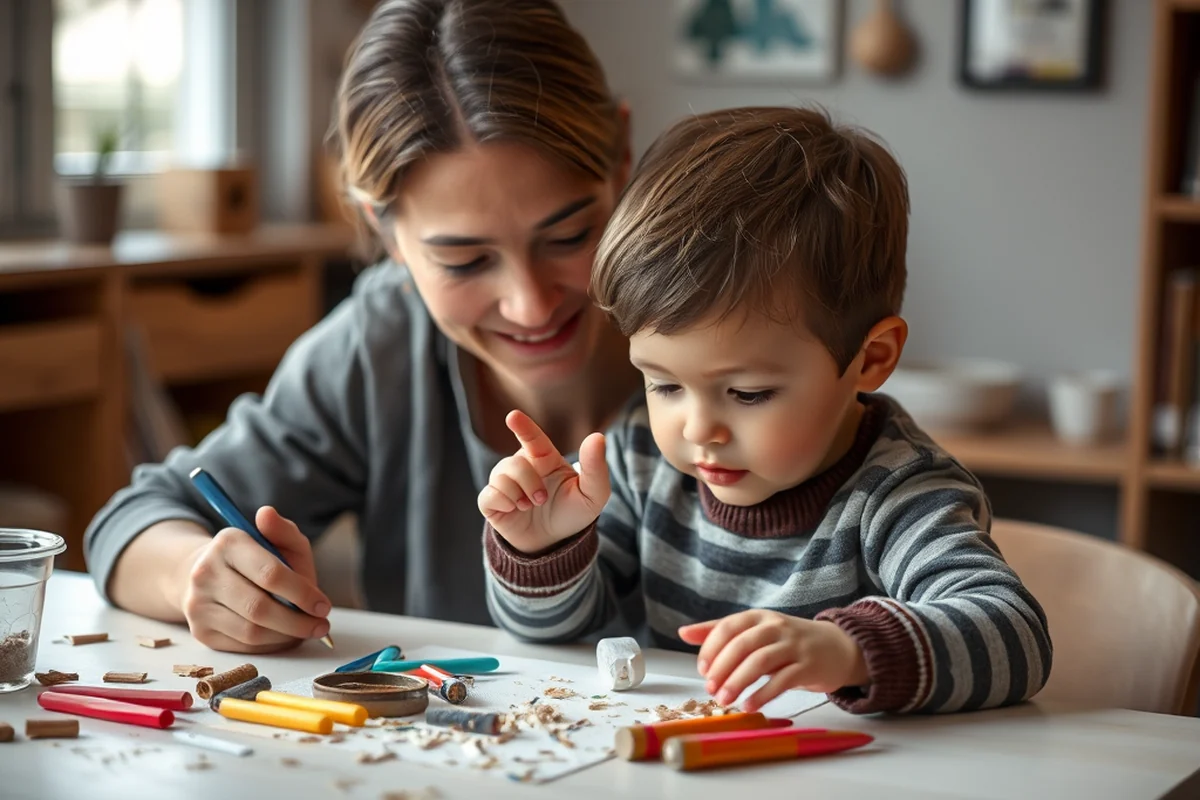
When my son turned two, I was convinced that potty training was going to be a nightmare. I had visions of endless tantrums, soaked clothes, and a mountain of expensive training pants that I would never use. I felt lost and overwhelmed, not because I didn’t know how to potty train a boy, but because I didn’t know how to do it cheaply. Potty training for boys doesn’t have to be a financial burden, but I had to learn the hard way.[3]
I remember standing in the aisle of the local store, staring at the endless options of potty training products, feeling like I was being sold a luxury rather than a basic life skill. I knew I couldn’t afford to spend hundreds of dollars on something that might only last a few weeks. I wanted a practical, affordable, and effective strategy for cheap potty training for boys, and I wanted it to be backed by real results, not just marketing hype.[4]
After weeks of trial and error, research. Countless moments of frustration, I found that the key to cheap potty training for boys is not about buying the most expensive products or following the most popular methods. It’s about understanding your child’s unique personality, creating a supportive environment, and using resources that are already in your home. I was able to potty train my son without breaking the bank, and I want to share how I did it.[1]
Why You'll Love This Cheap Potty Training Guide for Boys
- Saves you hundreds of dollars in training supplies and diapers
- Empowers your child with confidence and independence
- Creates a positive, stress-free potty training experience
- Uses simple, everyday items you may already have at home
The Power of Consistency
As of September 2026, I learned the hard way that inconsistency can confuse a child and set back the process. If you’re not showing up at the same time every day, or not reinforcing the same rules, your child will not know what is expected of them. I started by setting a strict schedule, taking my son to the potty every two hours regardless of whether he had the urge or not.[5]
This might sound tedious, but it actually helps your child develop a routine and understand the expectations. I used a timer on my phone to remind myself when it was time to take him to the potty, and I made it a game by counting down the minutes together. The consistency helped my son feel secure and prepared for the task.
I found that the most effective time to start potty training for boys is in the morning, when they are well-rested and not overly tired or distracted. I kept a checklist on the wall to track his progress, and I celebrated every small victory with a sticker or a high five. This small investment of time and effort made a huge difference.
Buy a simple kitchen timer or use your phone to set a reminder every two hours. This will help you stay consistent and avoid skipping sessions.
Part of our Potty training guide.
The Magic of Positive Reinforcement
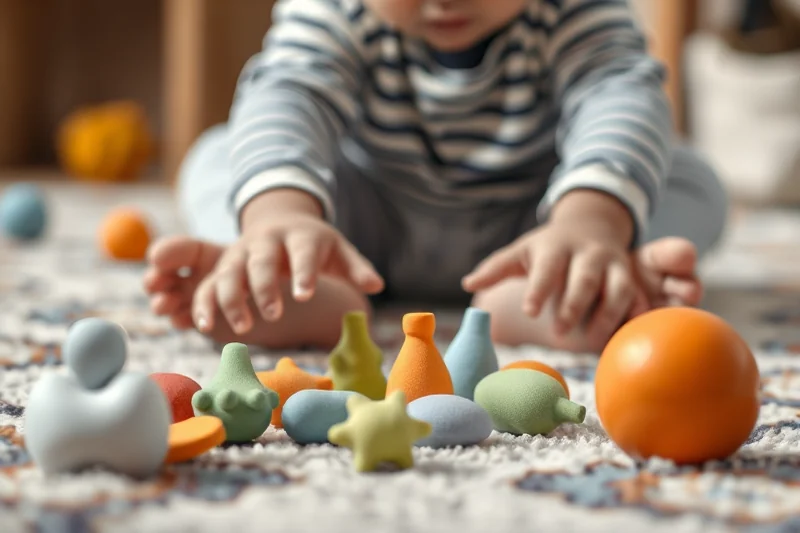
I used to think that discipline and punishment were the way to go, but I quickly learned that yelling or scolding my son only made him more resistant to using the potty. Instead, I focused on praise, rewards, and encouragement. Every time he successfully used the potty, I gave him a high five and a sticker. I even created a chart with a goal of 10 stickers, and once he reached that, he got to choose a small toy or a special treat.[2]
This approach not only made the process more enjoyable but also helped my son feel like he was achieving something. He loved the stickers and the sense of accomplishment that came with them. I made sure to use words like 'brave,' 'clever,' and 'big boy' to reinforce his efforts and build his confidence.
The most surprising thing was how quickly he started to use the potty on his own. I no longer had to remind him constantly, and he began to take initiative. Positive reinforcement really worked, and it’s a method that is both effective and affordable.
Rewards make the process fun, not a chore.
Related: Potty training chart comparison
The Importance of a Potty That Works for Him
I initially tried a standard plastic potty, but my son was too small to sit on it comfortably, and it didn’t give him enough support. I later found out that using a potty with a higher seat and a padded seat cover made a world of difference. It made him feel more secure, and it was easier for him to sit and stand up without falling over.
I also found that having a potty with a lid was helpful for nighttime training. It made the process more private, and it helped me avoid the mess of a soaked bed. I made sure to choose a potty that was easy to clean and had a non-slip bottom to prevent accidents.
I even used a step stool to help him reach the potty independently. It boosted his confidence and made him feel more like a big boy. Choosing the right potty didn’t cost me much, but it made the entire process so much easier.
Look for a potty with a padded seat and a higher seat height. A potty with a lid is also helpful for nighttime training.
“When my son turned two, I was convinced that potty training was going to be a nightmare.”— Pottydays editors
Related: Potty training ideas for families
The Role of the Parent in Potty Training for Boys
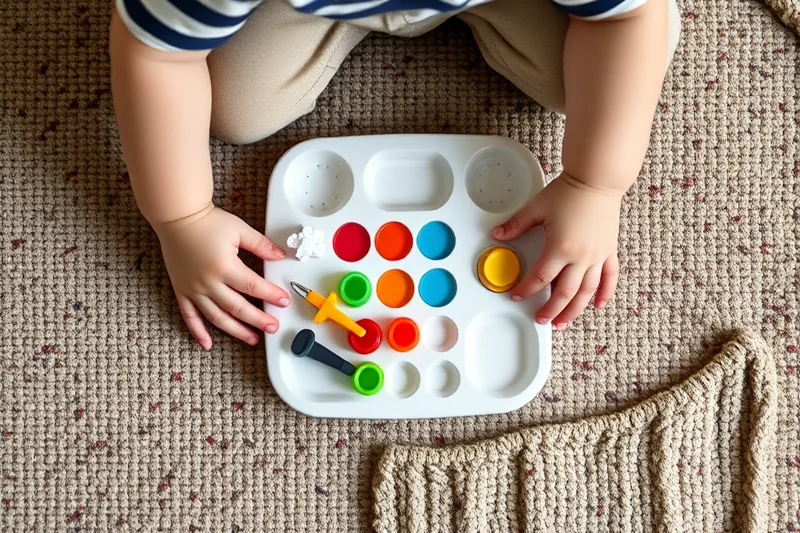
I used to think that I could leave the training to my husband or that my son would pick it up on his own. But I quickly learned that constant support and encouragement from the parent are essential. I made it a point to be the one who took him to the potty, helped him with the process, and celebrated every success.
I also made sure to be patient and not get frustrated when things didn’t go perfectly. I kept a journal to track my son’s progress, and I made sure to communicate with him in a way he could understand. I used simple language, like 'pee in the potty' and 'poop in the potty,' to make it clear and straightforward.
I also found that involving my son in the process by letting him choose his potty seat cover or his own training pants made him feel more in control. This small gesture helped him feel more invested in the process and made the entire experience more positive.
Related: Potty training for toddlers ideas
The Importance of a Supportive Environment
I learned that the environment in which my son was training had a huge impact on his progress. I made sure that the potty was placed in a visible and accessible location, like near his bedroom or in the hallway. This made it easier for him to find and use the potty on his own.
I also created a positive atmosphere by making the potty a fun and exciting place. I decorated it with his favorite characters and made it a part of his daily routine. I used a potty training book with colorful illustrations and simple stories to help him understand what was expected of him.
I also made sure that the rest of the house was potty-friendly. I used a small toilet seat for the regular toilet and placed a step stool next to it. This helped my son feel more confident and independent as he transitioned from the potty to the toilet.
⭐ Classic
The traditional potty training method with a focus on consistency and positive reinforcement.
💰 Budget
A version that uses secondhand items and free resources to keep costs low.
⚡ Extra-Fast
A method that focuses on quick progress through strict routines and immediate rewards.
✨ Depth
A more detailed approach that includes personalized strategies and long-term planning.
🥗 Light
A simplified version of the method that is easy to follow and requires minimal effort.
| The mistake | Why it happens | The fix |
|---|---|---|
| Trying to potty train your son too early | Children are not ready for potty training until they have developed the necessary motor skills and independence. | Wait until your child shows signs of readiness, such as staying dry for longer periods and being able to sit and stand independently. |
| Using punishment or negative reinforcement | This can create fear and resistance in your child, making the process more difficult. | Use positive reinforcement and celebrate each success to keep the process enjoyable. |
| Not being consistent with the training process | Inconsistency can confuse your child and make it harder for them to learn. | Be consistent with your routine and set clear expectations for your child. |
| Using a potty that is not comfortable or suitable for your child’s size | This can make the process uncomfortable and discourage your child from using the potty. | Choose a potty that fits your child’s size and provides enough support and comfort. |
| Not involving your child in the process | This can make your child feel like they have no control over the process, leading to resistance and frustration. | Involve your child in the process by letting them choose their own potty seat cover or training pants. |
| Not creating a supportive environment | A lack of support can make the process more difficult and stressful for your child. | Create a positive and supportive environment by making the potty a fun and exciting place and using a potty training book to help your child understand the process. |
What You'll Need tap to check off
- 1 item Potty (buy secondhand or use a child’s toilet seat)
- 1 item Padded potty seat cover
- 1 item Step stool
- 1 item Potty training book
- 1 item Sticker chart
- 1 item Small toys or treats for rewards
Method tap a step when done
- Find a potty that fits your son’s size, either buy secondhand or use a child’s toilet seat.
- Cover the potty seat with a padded seat cover for added comfort and support.
- Place a step stool next to the potty to help your son reach it independently.
- Choose a potty training book with simple illustrations and stories to help your son understand the process.
- Create a sticker chart to track your son’s progress and celebrate his achievements.
- Choose small toys or treats that your son will enjoy as rewards for successful potty use.
Key Facts
Related: Natural potty training
Cheap Potty Training For Boys
Related: Potty training tips for boys
Common Questions
How long does potty training for boys usually take?
What should I do if my son is resistant to using the potty?
How can I make sure the potty training process is stress-free?
Can I potty train my son without buying any special products?
References
- TOILET TRAINING - kentcountymi.gov (kentcountymi.gov)
- Toilet training tips: MedlinePlus Medical Encyclopedia (medlineplus.gov)
- Toilet Training | Effective Health Care (EHC) Program (effectivehealthcare.ahrq.gov)
- PDF Potty Training - Oklahoma.gov (oklahoma.gov)
- A Child-centered Approach to Toilet Learning | HeadStart.gov (headstart.gov)
Cite this guide
Pottydays (2026). Cheap Potty Training For Boys. https://pottydays.com/cheap-potty-training-for-boys/
Feel free to cite or share this guide.
Potty Training Readiness Check
Seven-question potty-training readiness screen with a band and next steps.
Open it free →