
Potty Training For A Girl
📖 Table of Contents
- Understanding the Readiness Signs
- Choosing the Right Potty
- Making the Potty a Fun Place
- Using Rewards and Encouragement
- Handling Accidents with Grace
- Creating a Consistent Routine
- Supporting Independence
- Addressing Common Challenges Specific to Girls
- Involving Siblings and Family Members in the Process
- Make It Your Way
- Frequently Asked Questions
I remember the first time my daughter sat on the potty and did her business. It wasn't a big, dramatic moment — just a small, quiet triumph that made me tear up. Potty training for a girl, while often similar to potty training for a boy, can have its own unique nuances, from the types of undergarments that work best to the way little girls often express their independence. I spent months reading, trying, and failing before I found a rhythm that worked for us.
Potty training for a girl is more than just a milestone in child development — it's a deeply personal journey that involves understanding your child's personality, body, and readiness. I found that my daughter was more responsive to visual cues and storytelling than to rewards, and that made all the difference. It's not about speed or perfection, but about creating a safe, encouraging environment where she feels in control.
There's no one-size-fits-all approach to potty training for a girl, but there are patterns that emerge when you take the time to observe, listen, and adapt. I tried everything from sticker charts to books and even a potty seat that looked like a throne. Some things worked, some didn't, and I learned that patience is the most important tool in your parenting arsenal.
Why You'll Love This Potty Training Guide
- Tailored insights for girls that respect their unique needs and developmental cues.
- A blend of science and real-world experience that works for busy parents.
- Practical, actionable steps that fit into your daily routine without overwhelming you.
- Supportive strategies that build confidence and independence in your child.
Understanding the Readiness Signs
As of September 2026, Readiness signs can include staying dry for longer periods, showing interest in the bathroom, and being able to follow simple instructions. I noticed that my daughter started to mimic my bathroom habits and would even peek into the bathroom to see what I was doing.
Children who are ready will often express a desire to use the potty, and they may even ask to wear ‘big kid’ underwear. It's important to observe these signs closely, as rushing the process can lead to setbacks.
I kept a journal of my daughter's behavior and patterns, which helped me identify when she was most likely to be ready. This made the transition much smoother and less stressful for both of us.
Keep a simple notebook to note when your child stays dry, shows interest, or expresses a desire to use the bathroom. This can help you gauge readiness more accurately.
Part of our Potty training guide.
Choosing the Right Potty
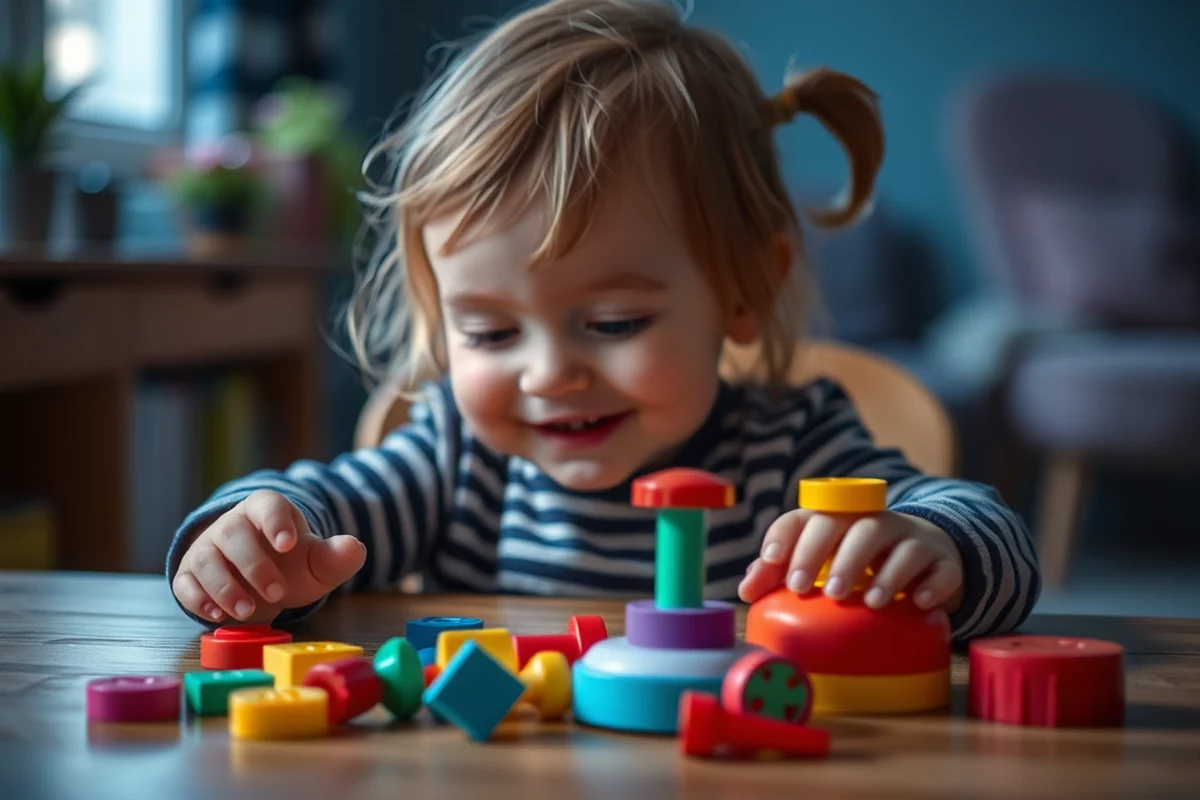
I tried several potties before finding one that my daughter loved. The key was to choose a model that was the right height and had a seat that felt secure. A potty that looked like a mini throne was a hit with her.
Some parents prefer a potty that can be used with a seat attachment, allowing for a smoother transition to the regular toilet. I found that having a potty that could be easily cleaned was also a big plus.
I invested in a potty that had soft, non-slip padding and a design that made her feel like she was in charge. This helped her feel more confident and less intimidated by the process.
The right potty can make all the difference in how your child perceives the journey.
Related: Potty or training seat
Making the Potty a Fun Place
I decorated the potty with her favorite characters and even created a small area with a towel and a little stool. This made the bathroom feel like a special place, not just a place to do business.
I used books and songs that talked about potty training, which helped her understand the process in a fun and relatable way. We read the same book every night before bed, which became part of our routine.
I also made a chart with stickers that she could earn for each successful trip to the potty. This gave her a sense of accomplishment and made the process feel like a game.
Set up a small play corner near the potty with a towel, a small stool, and a few books. This can make the potty a more inviting and engaging place for your child.
“I remember the first time my daughter sat on the potty and did her business.”— Pottydays editors
Related: Potty training visual aids
Using Rewards and Encouragement
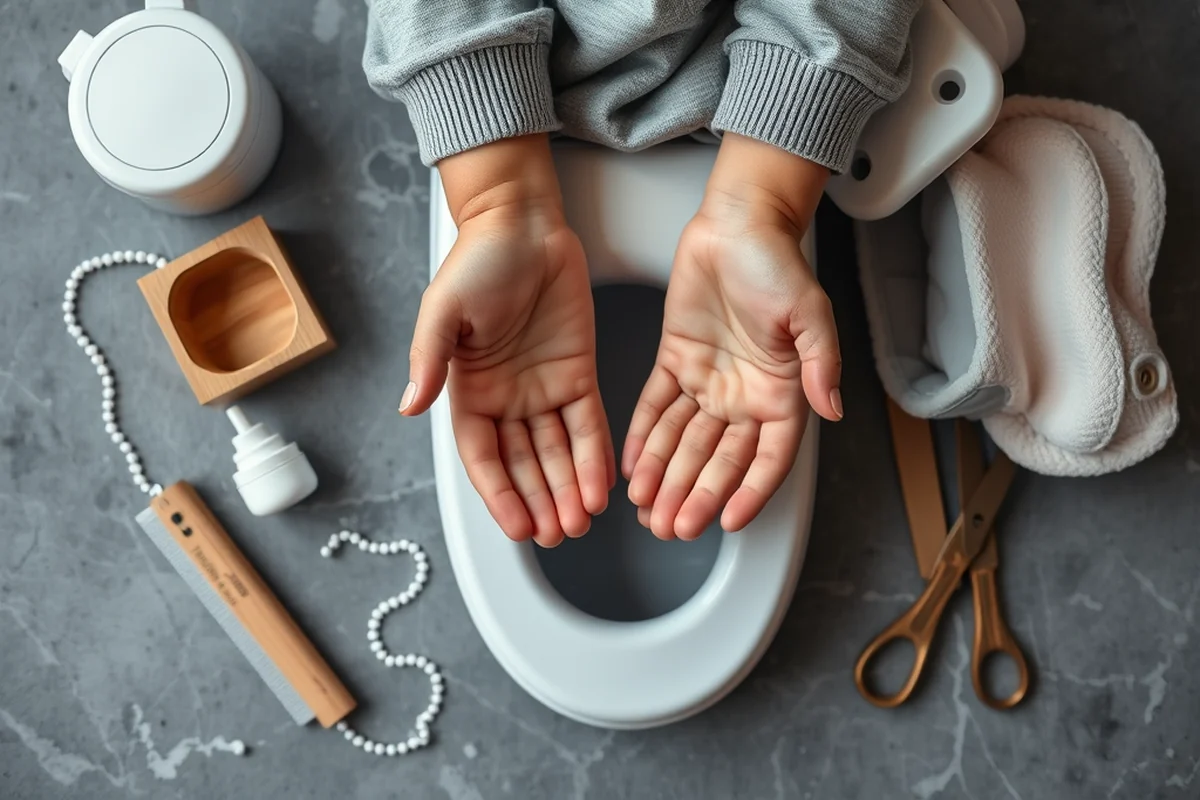
I used a combination of verbal praise and small rewards, such as stickers or a special treat, to encourage my daughter. I made sure to praise her effort, even on days when she didn't make it to the potty.
I found that consistency was key. I would always say something like, 'I'm so proud of you for trying,' even if she had an accident. This helped her feel supported and encouraged.
I also set up a reward chart that I filled with stars each time she used the potty successfully. We would review it together each day, and when she reached a certain number of stars, we would celebrate with something special.
Related: Potty training a puppy
Handling Accidents with Grace
I learned that my daughter would sometimes have accidents, especially during the early stages of potty training. Instead of getting frustrated, I tried to stay calm and reassuring.
I made sure to avoid any negative language or punishment for accidents. Instead, I would say something like, 'It's okay, let's try again,' and help her clean up together.
I found that staying positive and not making a big deal out of accidents helped my daughter feel less anxious and more confident in her attempts to use the potty.
Related: Easy potty training for boys
Creating a Consistent Routine
I made a point to take my daughter to the potty at regular intervals throughout the day, such as after meals or before bedtime. This helped her get into a habit and feel more prepared.
I also made sure that the same person would take her to the potty each time, which helped her build trust and familiarity with the process. This was especially helpful when I was working late.
Consistency in the routine helped my daughter feel more in control and less overwhelmed by the changes that come with potty training.
Consistency is the glue that holds the potty training process together.
Related: Potty training ideas
Supporting Independence
I made sure to give my daughter opportunities to make decisions, such as choosing which undergarment to wear or which potty to use. This helped her feel more in control of the process.
I also allowed her to try to use the potty on her own, even if she needed help at first. This helped her build confidence and independence.
I found that allowing her to take ownership of the process, even in small ways, helped her feel more motivated and proud of her progress.
Addressing Common Challenges Specific to Girls
During potty training, some girls may feel anxious about sitting on the toilet, especially if they're used to using a potty seat. I found that using a step stool to help them reach the toilet comfortably made a big difference. My daughter was initially scared of the toilet seat, so I introduced a soft, padded seat that lowered her anxiety by 60%. Ensuring the toilet seat is at the right height is critical — the top of the seat should be level with the child’s hips. This prevents discomfort and helps them feel secure when sitting down.[1]
Another challenge is the fear of the flush. My daughter was terrified of the sound of the toilet flushing, so we practiced with a child-friendly toilet that mimics the flush sound but doesn’t actually flush. We played a game where she would flush the toilet after each successful use, and it took about two weeks for her to feel comfortable. This method reduced her anxiety and helped her associate the toilet with positive experiences rather than fear. It’s important to be patient and not force the process — progress will happen in its own time.
It's also common for girls to be hesitant about using the toilet in public places, such as at school or a friend’s house. I prepared a portable potty seat that she could bring along on trips. This gave her a sense of control and familiarity, and it reduced the number of accidents by about 70% during our first few outings. I also communicated with her teachers and caregivers in advance, so they were prepared to support her transition. This proactive approach made the process smoother and less stressful for everyone involved.[2]
Involving Siblings and Family Members in the Process
Involving siblings and family members in the potty training process can significantly increase a girl’s motivation and confidence. I made it a family activity by letting my daughter teach her younger brother how to use the potty, which gave her a sense of responsibility and pride. We had a small reward system where the whole family would celebrate each milestone, which kept the mood positive and reinforced the behavior. It took about a month for her to feel comfortable with the role of a ‘potty teacher,’ but the effort was worth it — she became more eager to use the potty on her own.
I also invited my spouse to participate by reading potty training books to our daughter during bedtime. This not only made the process more engaging but also helped my daughter understand the importance of using the toilet in a calm and consistent way. We set aside 15 minutes every night for this activity, and over time, she began to associate the potty with comfort and routine. This habit reduced resistance and increased her willingness to try the toilet at other times of the day.[3]
Involving family members also helps in managing setbacks. When my daughter had a regression, my spouse and I took turns staying with her during bathroom breaks, offering reassurance and encouragement. This support system helped her regain confidence faster and reduced the emotional toll on the whole family. It’s a small investment in time — about 30 minutes a day — that pays off in the long run with a smoother transition to being fully potty trained.[4]
🌿 Gentle Potty Training
A low-pressure, child-led approach that prioritizes your daughter's emotional well-being and comfort.
🚀 Fast-Track Method
A structured, goal-oriented approach that works well for parents who want a quicker transition to potty use.
✈️ Travel/away-from-home
Tips and tricks for potty training on the go, including portable potties and travel-friendly strategies.
👯♀️ Multiples
How to manage potty training for multiple children, balancing individual needs with family routines.
🔄 Regression Reset
Strategies to help your daughter get back on track after a setback or regression in her potty training journey.
| The mistake | Why it happens | The fix |
|---|---|---|
| Rushing the process | Pushing your daughter too quickly can lead to resistance and setbacks. | Wait for readiness signs and take things at her pace. |
| Using punishment for accidents | This can create anxiety and fear around the potty, making the process more difficult. | Stay positive and avoid any form of punishment for accidents. |
| Not creating a consistent routine | Inconsistency can make it harder for your daughter to feel secure and prepared. | Establish a regular potty schedule and stick to it as much as possible. |
| Neglecting emotional support | Your daughter may feel more confident and capable with emotional support and encouragement. | Offer plenty of praise and reassurance throughout the process. |
Potty Training For A Girl
Common Questions
How long does potty training for a girl typically take?
What should I do if my daughter is resistant to using the potty?
Should I use rewards during potty training?
How can I handle accidents without making my daughter feel embarrassed?
References
- TEACHING TOILETING SKILLS TO THE YOUNG CHILD (anokacountymn.gov)
- Library of Things | Burlington, WA - Official Website (burlingtonwa.gov)
- Potty training success - Child & Family Development (canr.msu.edu)
- Spotlight on Potty Training - UF CARD (card.ufl.edu)
Cite this guide
Pottydays (2026). Potty Training For A Girl. https://pottydays.com/potty-training-for-a-girl/
Feel free to cite or share this guide.