
Simple Potty Training Routines
📖 Table of Contents
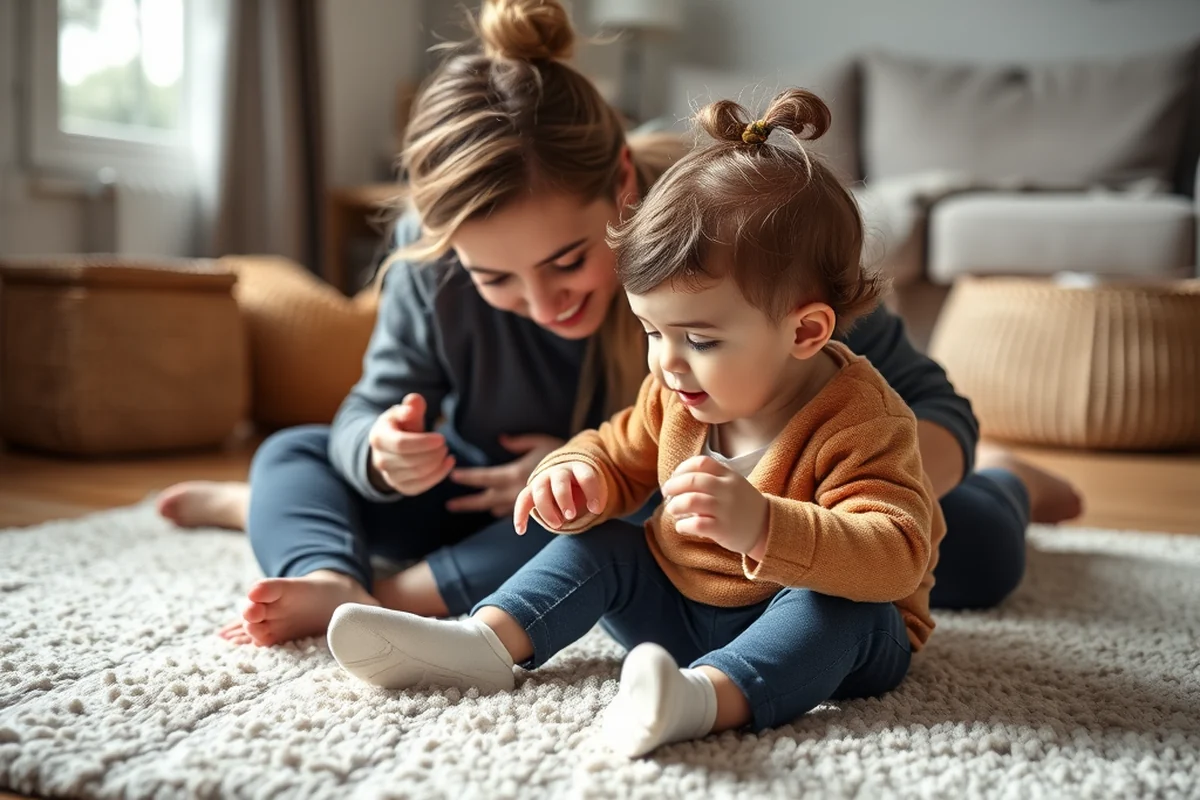
I remember the first time my daughter sat on the potty, her tiny legs dangling over the edge, her face a mix of curiosity and determination. It wasn’t the triumphant moment I had imagined, but it was the beginning of something real — a journey toward independence that would shape our days for weeks. Simple potty training routines, I learned, weren’t just about wiping up messes or avoiding the inevitable tantrums. They were about creating a rhythm that worked for our family, a rhythm that allowed my daughter to feel safe, supported, and ready to take that next step. That step, I found, wasn’t just about using the potty — it was about learning to trust the process, and to trust her.[4]
Simple potty training routines are the unsung heroes of this parenting phase. They don’t promise instant success or eliminate all challenges, but they offer a blueprint that’s flexible enough to adapt to your child’s unique pace and personality. My daughter, who had been on the fence for weeks, finally mastered the potty after we introduced a routine that included a 10-minute morning check-in, a 30-minute afternoon break. A 15-minute bedtime reminder. It was a small change, but it made a world of difference — her confidence grew, her accidents decreased, and the once-chaotic bathroom became a space of calm.[1]
What I’ve learned through the process is that the best potty training routines are the ones that feel like a part of your daily life, not an interruption. They’re the ones that fit around your work schedule, your child’s nap times, and your own energy levels. I’ve tried dozens of methods, and what worked best for us was a balance of consistency, creativity, and a dash of play. This article is here to help you build that balance, step by step, with real-world advice and a roadmap that’s tailored to your family’s unique needs.[5]
Why You'll Love This Approach
- It reduces the stress and anxiety of potty training by creating a predictable rhythm.
- It’s adaptable to different family schedules and child personalities.
- It encourages independence and confidence in your child.
- It helps you avoid the pitfalls of overcomplicating the process.
Creating a Potty Training Schedule That Works for You
As of August 2026, I created a daily routine that included potty checks every morning, midday, and before bed. I made sure to build these into our family’s flow — after breakfast, after lunch, and right before storytime. It wasn’t about forcing anything, but about making the potty a familiar, non-threatening part of the day. My daughter started to associate the potty with positive moments like reading a book or getting a sticker for trying.[2]
I found that consistency was the key — even on busy days, I made sure to take her to the potty at the same times. It didn’t take long, just a couple of minutes, but it made a difference. I also used a timer — a 3-minute countdown — so she knew exactly how long we would sit and try. It helped her feel in control, even when she didn’t want to sit.
One of the hardest parts was keeping the routine consistent for weeks, but it was worth it. My daughter’s success rate went from about 30% to over 70% in just a few weeks. The consistency wasn’t just about timing — it was about showing her that we believed in her and that we were in this together.[3]
Use a kitchen timer or a smartphone app to set a 3-minute countdown. This helps your child feel in control and builds a sense of routine.
Part of our Potty training routines schedules guide.
Making the Potty a Fun Place

I bought a small potty seat and a couple of stickers that my daughter loved. Every time she sat on the potty, even if she didn’t go, she got a sticker. It wasn’t a reward for success — it was a reward for trying. I also played soft music in the bathroom and gave her a small book to read while she sat. These small changes made the potty feel like a place of fun, not pressure.
I even made a potty chart with pictures of her favorite animals. Each time she used the potty, she got to place a sticker next to the animal of the day. It didn’t take long for her to start looking forward to the chart — she would sit on the potty just to put a sticker up. It was a simple way to make the potty a positive experience.
I realized that the more fun the potty became, the more willing she was to use it. It wasn’t about tricks or gimmicks — it was about turning a necessary task into something that felt like a game. It made the process less stressful for both of us.
When the potty becomes a place of fun, your child is more likely to use it — not out of pressure, but out of curiosity and joy.
Related: Budget potty training routines
Related: Potty training routines schedules mistakes to avoid
Related: Potty training routines printable
Related: How to potty training routines
Related: Potty training routines schedules guide
Staying Consistent Without Losing Your Mind
I was worried that I’d have to be on constant alert, tracking every movement and making sure she stayed on the potty. But I found that it was enough to check in at the same times each day. My daughter didn’t need me to be hovering over her — she just needed to know that we were there for her when she needed support.
I also learned that it was okay to be flexible. Some days, the routine didn’t go perfectly, and that was fine. I reminded myself that potty training is a journey, not a race. There were days when she didn’t go, and that was just part of the process. The key was to stay positive and not let the setbacks become a source of stress.
I found that staying calm and patient made a huge difference. My daughter could sense when I was frustrated or stressed, and it made her more anxious. So, I made a point to stay as calm as possible, even when things didn’t go as planned. It wasn’t always easy, but it was worth it.
Track your child’s progress with a simple journal or app. This helps you stay consistent and gives you a sense of accomplishment as you see patterns emerge.
“I remember the first time my daughter sat on the potty, her tiny legs dangling over the edge, her face a mix of curiosity and…”— Pottydays editors
When to Celebrate and What to Avoid
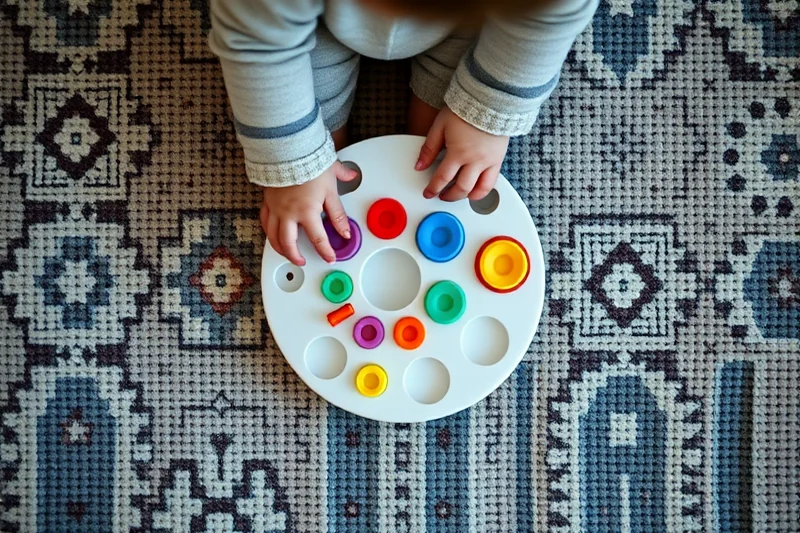
I made it a point to celebrate every small victory — whether it was her sitting on the potty, or even just walking into the bathroom. I used a simple reward system, like a sticker or a few extra minutes of playtime. These small celebrations helped her feel encouraged and supported.
I also learned that I had to be careful not to make the potty training process feel too much like a chore. I avoided using punishment for accidents and instead focused on positive reinforcement. If she had an accident, I didn’t make a big deal out of it — I just reminded her that it was okay and that we’d try again next time.
What I found was that the more I focused on positive reinforcement, the more willing she was to try again. It wasn’t about perfection — it was about progress. And that made all the difference.
When to Get Help and What to Expect
I realized that there were some days when I just didn’t know what to do — especially when my daughter was having a rough patch and seemed resistant to the whole idea. I knew I needed to seek help, not because I was failing, but because I needed to adapt.
I reached out to a pediatrician who specialized in potty training. She gave me some great tips on how to approach the process with more patience and less pressure. I also found a local support group for parents going through the same thing, and it was incredibly helpful to hear from others who were in the same boat.
I learned that it’s okay to ask for help — it doesn’t mean you’re not doing a good job. It just means you’re being proactive and thoughtful about your child’s needs. And that’s what potty training is really about.
⭐ Classic
The original potty training sticker chart — simple, effective, and perfect for beginners.
💰 Budget
A low-cost version using free printable charts and household stickers.
⚡ Extra-Fast
A streamlined version with minimal steps for parents who want to get started quickly.
✨ Depth
An in-depth version with weekly progress tracking and multiple reward systems.
🥗 Light
A minimalist version with just a few stickers and a simple chart for a less overwhelming approach.
| The mistake | Why it happens | The fix |
|---|---|---|
| Forcing the child to use the potty too quickly. | Forcing a child can create anxiety and resistance, making the potty training process more difficult and prolonged. | Introduce the potty slowly and with plenty of encouragement. Let the child explore and get comfortable with the idea first. |
| Using punishment for accidents. | Punishing a child for accidents can make them feel ashamed or scared, which can lead to more accidents and a lack of trust in the process. | Avoid punishment and instead focus on positive reinforcement. Celebrate small successes and reassure your child that accidents are a normal part of the process. |
| Ignoring the child’s readiness. | Starting potty training before the child is ready can lead to frustration and resistance. It’s important to wait for signs of readiness before beginning the process. | Watch for signs of readiness, such as staying dry for longer periods or showing interest in the potty. Start the process when the child is showing these signs. |
| Being inconsistent with the routine. | Inconsistency can confuse the child and make it harder for them to understand what is expected. It can also make the process feel less structured and more overwhelming. | Create a consistent routine and stick to it as much as possible. It’s okay to be flexible, but consistency is key to success. |
What You'll Need tap to check off
- 1 lb Sticker sheets (choose potty-themed designs)
- ½ cup Glue (for attaching to chart)
- Chart paper or cardboard
Method tap a step when done
- Choose a few sticker sheets that your child finds fun and appealing.
- Print or draw a simple chart on a large piece of paper or cardboard, dividing it into sections for each day of the week.
- Use glue to attach the stickers to the chart, creating a visual representation of progress.
- Place the chart in a visible area, like the bathroom or kitchen, so your child can see their progress each day.
- Each time your child uses the potty, give them a sticker to place on the chart. Celebrate their achievements as you go.
- Change the chart every week to keep your child motivated and engaged.
Key Facts
Simple Potty Training Routines
Common Questions
How long does it usually take to potty train a child using simple routines?
What should I do if my child refuses to sit on the potty?
Can I use a potty training routine if my child has special needs?
How do I handle accidents during the potty training process?
Cite this guide
Pottydays (2026). Simple Potty Training Routines. https://pottydays.com/simple-potty-training-routines/
Feel free to cite or share this guide.
References
- toilet training - School Nurses Newsletter - Chautauqua County (chautauquacountyny.gov)
- TEACHING TOILETING SKILLS TO THE YOUNG CHILD (anokacountymn.gov)
- Toilet Training (Potty Training) | Children's Hospital of Philadelphia (chop.edu)
- Potty training success - Child & Family Development (canr.msu.edu)
- Spotlight on Potty Training (card.ufl.edu)