
Potty Training Reward Chart
📖 Table of Contents
- How to Create Your Own Reward Chart
- The Benefits of a Reward Chart
- What to Include on the Chart
- Customizing the Chart for Your Child
- Using the Chart Consistently
- When the Chart Stops Working
- Making the Transition to the Big Kid Toilet
- Involving the Whole Family in Potty Training
- Make It Your Way
- Frequently Asked Questions
I remember the first time my daughter sat on the potty and said, 'Look, Mom, I peed!' It was a tiny moment, but it felt like the universe shifted. Potty training can be both a thrilling and exhausting chapter of parenting, and it's easy to feel like you're navigating a maze without a map. A potty training reward chart became my lifeline — not just a visual aid, but a tangible way to celebrate progress and keep the momentum going.[1]
I started with a simple chart from a local store, but after a few weeks of mixed results, I realized I needed to tailor it to our family's rhythm. I tried different charts, some with stickers, some with stars, and even one that had a little train that moved forward each time my daughter made it to the bathroom. What I learned was that the right chart can be the difference between a smooth transition and a long, frustrating journey.
Now, I use a chart that fits our home and our child's personality. It's not just about stickers and points; it's about creating a sense of accomplishment, consistency, and fun. If you're looking for a practical and effective way to make potty training a positive experience for your child, a potty training reward chart might be the tool you've been searching for.
Why You'll Love This Reward Chart
- It keeps your child motivated with clear, visual milestones.
- It reduces the stress of potty training for both you and your child.
- It allows for customization based on your child's interests and needs.
- It can be adapted for different stages of the training process.
How to Create Your Own Reward Chart
As of September 2026, Start by selecting a chart that matches your child's interests — maybe a dinosaur chart, a rainbow chart, or a superhero chart. My daughter loved a chart with a spaceship that moved forward with each successful trip to the bathroom.[2]
You can easily make one at home with poster board and markers or buy a pre-made one from a store. I found that using a chart with spaces for each day or each attempt helped track progress clearly.
Add a few small rewards at the end — like a trip to the park or a favorite toy — and make sure to celebrate each milestone with your child. It's the little things that make the biggest difference.
Pick a chart with a character or scene your child is excited about — this increases their motivation and engagement.
Part of our Potty training guide.
The Benefits of a Reward Chart
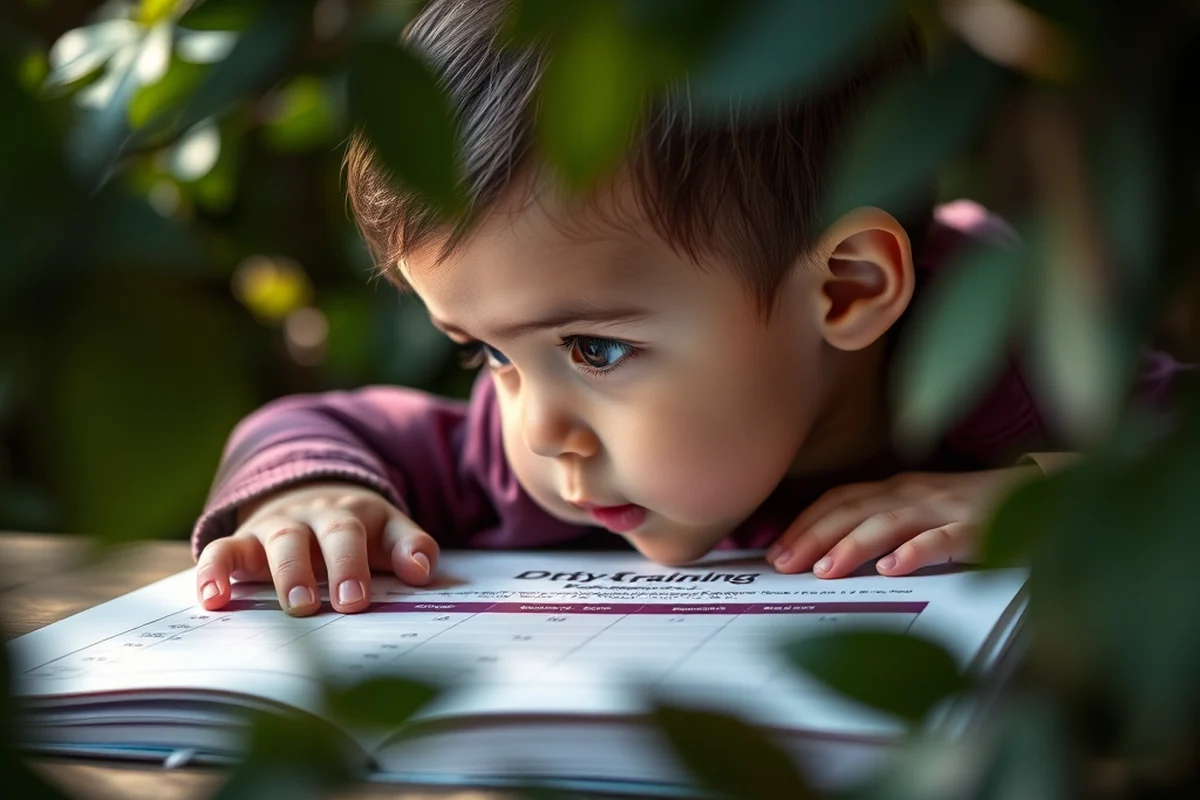
Reward charts help reinforce positive behavior by making progress visible and rewarding. I noticed that my daughter became more motivated to use the potty when she saw the spaceship moving closer to Mars.
They also give you a visual way to track progress and keep things organized. I could easily see if my daughter was making consistent progress or if we needed to adjust our approach.
The sense of achievement that comes with reaching a reward is incredible. My daughter would skip with joy every time she reached a new milestone, and I could see her confidence growing.
Small steps lead to big wins — and a reward chart makes every step count.
Related: How to potty train a kitten
What to Include on the Chart
Start by setting a goal — like 'Use the potty three times this week' or 'Stay dry for two days in a row.' I used a chart with a row of stars that my daughter could fill in each time she successfully used the potty.
You can also add a small reward at the end of each week or each milestone — like a sticker, a small toy, or a special activity. I found that a small treat at the end of the week kept my daughter motivated to keep going.
Make sure the chart is easy to understand and visually appealing. I used a chart that had a cute dinosaur character who would 'win' the game when my daughter reached the final goal.
Use clear symbols or images that your child can easily recognize. Place the chart somewhere visible, like on the bathroom wall, so your child can see their progress every day.
“I remember the first time my daughter sat on the potty and said, 'Look, Mom, I peed!' It was a tiny moment, but it felt…”— Pottydays editors
Related: Potty training regression
Customizing the Chart for Your Child
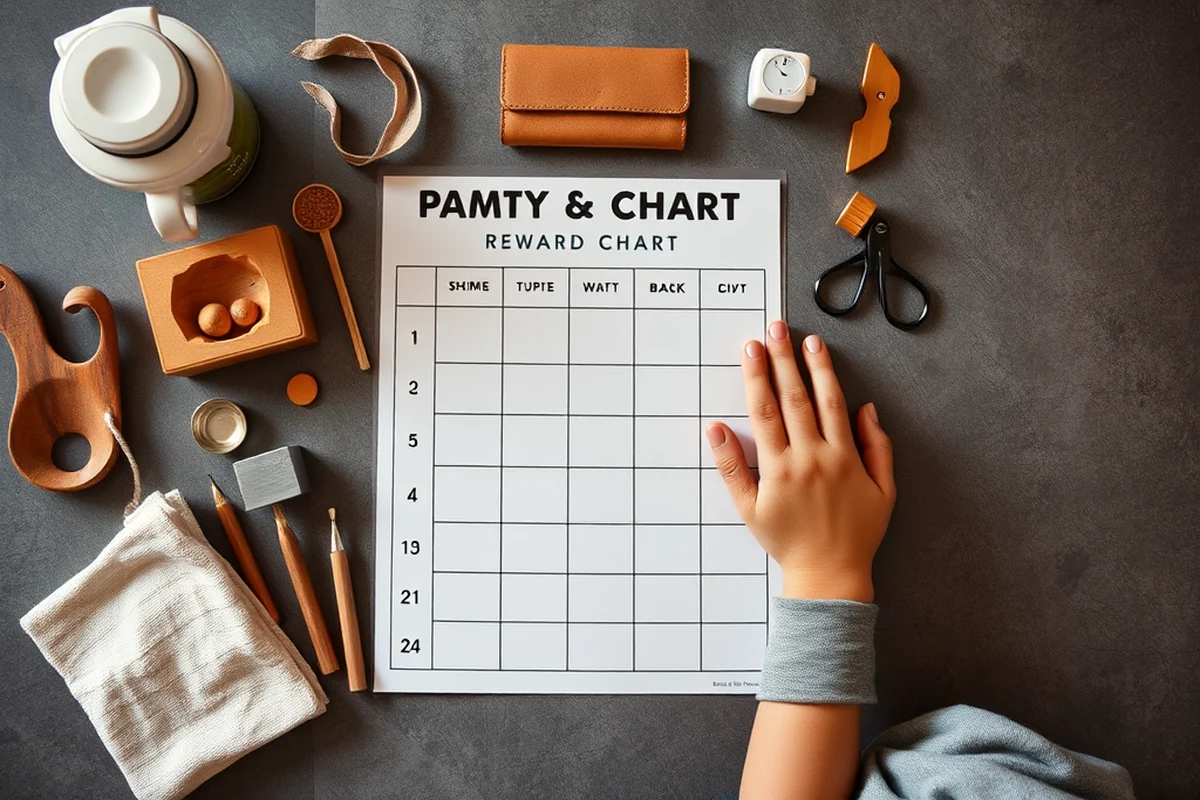
If your child loves animals, use a chart with animal characters. If they enjoy space, use a chart with planets and rockets. I found that my daughter was more excited to use the potty when she saw her favorite dinosaur characters on the chart.
You can also incorporate their favorite colors or activities into the chart. I used a chart with a row of stars that matched the color of my daughter's favorite blanket, and it made the whole experience more personal.
Don't be afraid to get creative — a chart that reflects your child's personality will make the process more fun and more effective.
Related: Potty training toilet seat
Using the Chart Consistently
Make sure to use the chart every day and celebrate each success, no matter how small. I would give my daughter a sticker every time she used the potty, and it helped her feel accomplished.
Be patient and flexible — sometimes the chart might need to be adjusted as your child progresses or as their needs change. I found that after a few weeks, I had to change the goal from 'three times a week' to 'every day' to keep my daughter motivated.
Involving your child in the process helps them feel more invested. I would ask my daughter what she wanted to put on the chart or what she wanted to earn at the end of the week — it made her feel like she was in control.
Related: How puppy training pads
When the Chart Stops Working
Sometimes the chart might not be working as well as it used to — maybe the rewards are no longer exciting or the chart is no longer visible. I noticed that after a few weeks, my daughter was less motivated to use the potty, so I had to change the rewards and the chart itself.
Try changing the rewards or the way the chart looks. I switched from stickers to small toys, and it made a big difference. I also tried using a different chart with more colorful images.
Involving your child in making the change can help them feel more invested. I asked my daughter what she wanted to earn next, and it reignited her motivation.
When one chart doesn't work, try a new one — your child's motivation is worth it.
Related: Potty training for boys
Making the Transition to the Big Kid Toilet
As your child becomes more comfortable with the potty, you can start introducing the big kid toilet. I used the chart to mark each time they used the big toilet, and it helped them feel like they were growing up.
Make sure the big toilet is accessible and easy for your child to use. I made sure the seat was at the right height and that the toilet paper was within reach.
Celebrating the transition is important — I made a big deal out of my daughter using the big toilet for the first time, and it made her feel proud and excited.
Involving the Whole Family in Potty Training
I involved my spouse and other family members in the potty training process by holding weekly family meetings to discuss progress and challenges. We made it a point to praise my child whenever she used the potty, even if it was in front of others. This helped her feel supported and less self-conscious about the process. Within a month, she had become more confident and independent in using the potty.
I also created a family potty training rule that everyone would use the potty together during meals. This helped normalize the process and made it a shared experience. We used a timer to track how long it took for each family member to complete the process, and the one who finished first would get a small reward. This not only made it fun but also taught my child the importance of consistency and patience.
Involving siblings was also key. I had my older child help my younger one by showing her how to use the potty and offering encouragement. This peer support made the process less intimidating and more engaging. After a few weeks, both children were fully potty trained. The whole family became more involved, and the process felt less like a burden and more like a shared achievement.
🌱 Gentle Approach
Focus on positive reinforcement and gentle encouragement without a strict reward system.
🚀 Fast-Track Method
Use a clear, goal-oriented reward chart to speed up the potty training process.
🧳 Travel/away-from-home Method
Use a portable, lightweight chart that can be used in different environments.
👶 Multiples Method
Tailor the chart for each child to handle potty training for multiple children at once.
🔄 Regression Reset
Use a new or updated chart to help your child get back on track during a potty training regression.
| The mistake | Why it happens | The fix |
|---|---|---|
| Using too many rewards at once. | This can confuse your child and make the chart less effective. | Start with one or two rewards and build up as your child becomes more consistent. |
| Forcing the chart on your child without their input. | This can create resistance and make the process more stressful for both of you. | Involve your child in the process and let them choose the theme or rewards they prefer. |
| Not being consistent with updates. | Inconsistency can make the chart feel less meaningful over time. | Update the chart every day and celebrate each small success to keep your child motivated. |
| Letting the chart sit unused for too long. | This can cause your child to lose interest and make the process more difficult later on. | Use the chart daily and keep it visible and accessible in your home. |
Potty Training Reward Chart
Common Questions
What if my child doesn't want to use the reward chart?
How often should I update the chart?
Can I use the chart for other skills besides potty training?
What if the rewards are no longer working?
References
- Potty training success - Child & Family Development (canr.msu.edu)
- Five do's and don'ts of potty training your toddler - UC Davis Health (health.ucdavis.edu)
Cite this guide
Pottydays (2026). Potty Training Reward Chart. https://pottydays.com/potty-training-reward-chart/
Feel free to cite or share this guide.