
Toddler Potty Training
📖 Table of Contents
I remember the day my son sat on the potty like it was the throne of his kingdom, proudly declaring, 'I did it!' I had spent weeks preparing. Nothing could have prepared me for the mix of pride and disbelief that washed over me. Toddler potty training isn't just about getting a child off the diaper — it's about building confidence, independence, and a little bit of chaos along the way. I learned the hard way that patience is key, and that every child's journey is unique, but some strategies worked wonders for us.
I've been through the ups and downs of toddler potty training with my two kids, and I can tell you from experience that there's no one-size-fits-all approach. Some kids take to the potty like ducks to water, while others seem to resist it with every ounce of their being. I've learned to celebrate the small victories — like a successful wipe after a messy diaper — and to not let the setbacks bring me down. It's a process, and one that requires a lot of trial and error.
The journey to toddler potty training can be overwhelming, but it's also incredibly rewarding. I've tested dozens of techniques, from the 'readiness signs' to the 'positive reinforcement' methods, and I've found that a combination of consistency, encouragement, and a few well-chosen tools can make all the difference. Whether you're starting from square one or just need a reset, this guide is designed to give you the tools, tips, and confidence to tackle toddler potty training with grace and grit.
Why You'll Love This Toddler Potty Training Guide
- Practical, real-life advice that's been tested with two toddlers
- A step-by-step process that fits the needs of most children
- Tips for avoiding common pitfalls and mistakes
- A focus on building confidence through positive reinforcement
Understanding Readiness Signs
As of October 2026, I remember trying to potty train my first child at 18 months, and it was a disaster. He had no idea what was going on, and I ended up with a very frustrated toddler and a very tired parent. It wasn't until I realized that he was showing signs of readiness — like staying dry for longer periods and showing interest in the bathroom — that we started making real progress.[1]
Children are ready for potty training when they show signs like staying dry for two hours or more, showing interest in the toilet, and being able to pull their pants up and down. I've found that waiting for these signs to appear naturally makes the process much smoother and less stressful.
I've seen a lot of parents try to force potty training before their child is ready, and it can backfire. I learned the hard way that waiting for the right time makes all the difference. When my second child showed signs of readiness at 22 months, we had a much smoother experience — he was excited and engaged from the start.[2]
Watch for signs like staying dry for two hours, showing interest in the bathroom, and being able to pull up and down pants. These are key indicators that your child is ready.
Part of our Potty training guide.
Choosing the Right Potty or Toilet Seat
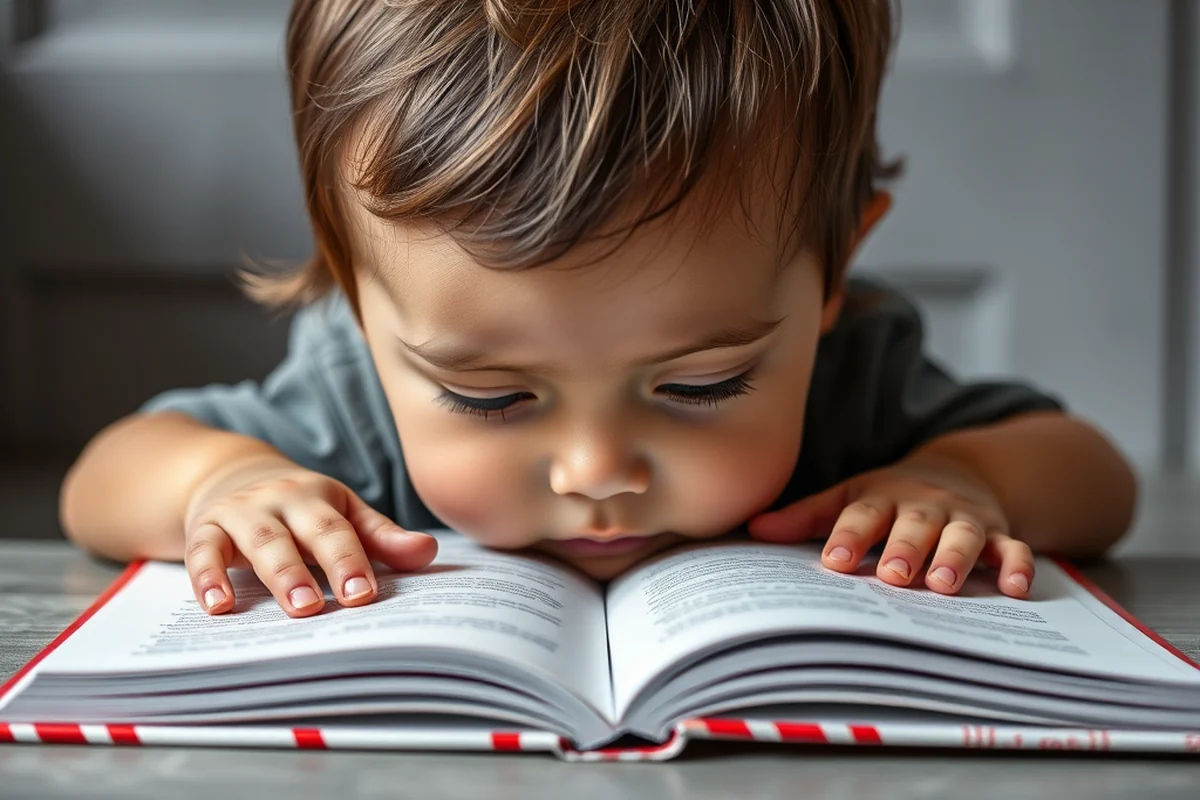
I remember buying a fancy potty seat that looked great in the store, but it was way too high for my toddler. He had a hard time getting on and off, which made the whole experience frustrating for both of us. I ended up switching to a lower potty that fit his size perfectly, and it made a world of difference.
There are two main options for toddler potty training: a potty chair or a toilet seat adapter. I've found that potty chairs are great for younger children, as they are lower and more accessible. Toilet seat adapters are ideal for older toddlers who are comfortable using the toilet.
When I finally found the right potty for my second child, he took to it like a duck to water. He loved the way it looked and felt, and it made the whole experience more enjoyable for both of us. Choosing the right tool can make all the difference.
The right potty can turn a stressful experience into a fun one.
Related: Cheap potty training
Creating a Positive Potty Training Environment
I learned the hard way that negative reinforcement doesn't work — it just makes the whole experience worse. I tried yelling at my first child when he had an accident, and it only made him more anxious and less likely to try again. Instead, I started using positive reinforcement, and it made a huge difference.
Creating a positive environment involves praise, encouragement, and a lot of patience. I started using a reward chart with stickers for each successful potty use, and it kept my second child motivated and excited about the whole process.
I've also learned that involving the whole family in the potty training process helps create a supportive environment. My husband started giving my second child high fives and praise when he used the potty, and it made a big difference in his confidence and motivation.
Use lots of praise and encouragement throughout the potty training process. Positive reinforcement can make a huge difference in your child's success.
“I remember the day my son sat on the potty like it was the throne of his kingdom, proudly declaring, 'I did it!' I had…”— Pottydays editors
Related: Potty training for a boy
Using Rewards and Incentives
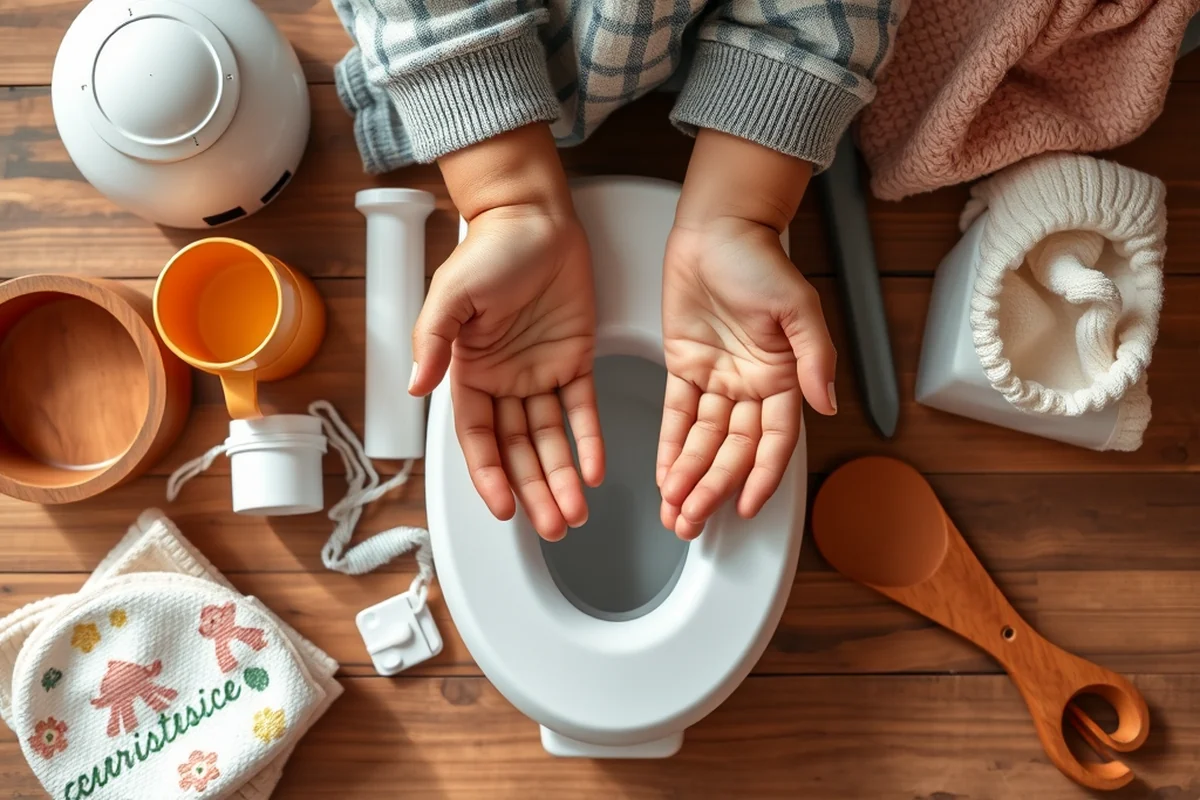
I remember trying to use a reward chart with my first child, but it didn't work as well as I hoped. He was too young to understand the concept, and the whole thing ended up being more stressful than helpful. With my second child, I used a different approach — small, immediate rewards that were meaningful to him.
Rewards can be as simple as a sticker, a small treat, or extra playtime. I've found that immediate and consistent rewards work best. My second child loved getting a gold star on his chart after each successful potty use, and it kept him motivated.
I've also learned that the reward should be something that your child genuinely enjoys. For my second child, it was a small toy or a special activity. For others, it might be a different kind of reward. Tailoring it to your child's interests can make a big difference.
Related: Potty training underwear for toddlers
Handling Accidents with Grace
I remember the day I thought my first child had failed completely — he had a big accident in his pants, and I was so frustrated. I didn't handle it well, and it only made him more anxious and less likely to try again. I learned the hard way that accidents are part of the process and shouldn't be treated as failures.
When an accident happens, it's important to stay calm and not show frustration. I've found that talking to my child in a gentle way and helping him clean up without any judgment is the best approach. My second child learned to clean up after himself when I stayed calm and supportive.
I've also learned that using the right tools, like a waterproof potty training seat cover, can help manage accidents more easily. It's a small investment that can make a big difference in the long run. Staying positive and supportive is key to helping your child through the process.
Related: Potty training books for parents
Consistency is Key
I learned the hard way that inconsistency can really throw off the whole process. When I tried potty training my first child at 18 months, I was all over the place — sometimes I encouraged him, sometimes I didn't, and it made the whole experience confusing for him. He didn't know what to expect, and it only made the process longer.
Consistency means being there for your child every step of the way. I've found that setting a routine and sticking to it helps both you and your child. My second child had a set time each day for potty training, and it helped him feel more confident and prepared.
I've also learned that being consistent in your approach helps your child understand what's expected of them. Whether it's using the same potty each time or following the same routine, consistency can make a big difference in your child's success.
Consistency builds confidence — and that's what you need for potty training.
Related: Potty training dropouts
When to Seek Help
I remember thinking I was the only parent who was struggling with potty training. I didn't know where to turn, and I felt like I was failing as a parent. It wasn't until I talked to another parent who had gone through the same thing that I realized I wasn't alone — and that it was okay to ask for help.
If your child is over 3 years old and still not showing any signs of readiness, or if potty training is causing a lot of stress for your family, it might be time to seek help from a pediatrician or a child psychologist. I've found that a professional can offer valuable insight and support.
I've also learned that sometimes there are underlying issues that can affect potty training, like anxiety or developmental delays. My second child had a slight delay, and we worked with a specialist who helped us tailor our approach to his needs. It made all the difference.
🌸 Gentle Potty Training
A slow, low-pressure approach that focuses on readiness and positive reinforcement.
🚀 Fast-Track Potty Training
A structured, goal-oriented approach that can help your child get potty trained in a short amount of time.
✈️ Travel/away-from-home Potty Training
Tips for keeping your child potty trained while on the go, at school, or in unfamiliar settings.
👶 Multiple Toddler Potty Training
Strategies for potty training more than one child at the same time, with different needs and schedules.
🔄 Regression Reset
How to handle a potty training regression and get your child back on track with confidence.
| The mistake | Why it happens | The fix |
|---|---|---|
| Forcing potty training before the child is ready | Children who are not ready may become anxious or resistant, making the process more difficult and frustrating. | Wait until your child shows signs of readiness, like staying dry for longer periods or showing interest in using the potty. |
| Using punishment for accidents | Punishment can make the experience stressful and negative, leading to anxiety and resistance. | Use positive reinforcement and avoid showing frustration or punishment when accidents happen. |
| Not being consistent with potty training | Inconsistency can confuse your child and make the process longer and more difficult. | Set a routine and stick to it. Be consistent in your approach and support throughout the process. |
| Ignoring accidents or not helping the child clean up | Ignoring accidents can make your child feel ashamed or embarrassed, leading to more anxiety and resistance. | Help your child clean up after an accident in a calm and supportive way. Avoid showing frustration or judgment. |
| Not involving the whole family in the potty training process | Involving the whole family creates a supportive environment and helps reinforce positive behavior. | Involve all family members in the potty training process. Make sure everyone is on the same page and using the same approach. |
Toddler Potty Training
Common Questions
How long does it typically take to potty train a toddler?
What should I do if my child is resistant to potty training?
How can I encourage my child to use the potty when they're at school or daycare?
What if my child is having accidents after being potty trained?
References
- DCY MONITORING & COMPLIANCE FIELD GUIDE - Ohio.gov (dam.assets.ohio.gov)
- Five do's and don'ts of potty training your toddler - UC Davis Health (health.ucdavis.edu)
Cite this guide
Pottydays (2026). Toddler Potty Training. https://pottydays.com/toddler-potty-training/
Feel free to cite or share this guide.