
Potty Training For Beginners
📖 Table of Contents
- Recognizing Readiness: When Your Child Is Truly Ready
- Choosing the Right Potty: A Practical Guide
- Setting Up a Routine: Creating a Structure That Works for You
- Rewards and Reinforcement: Making Success Fun and Encouraging
- Handling Setbacks: Staying Calm and Consistent
- Make It Your Way
- Frequently Asked Questions
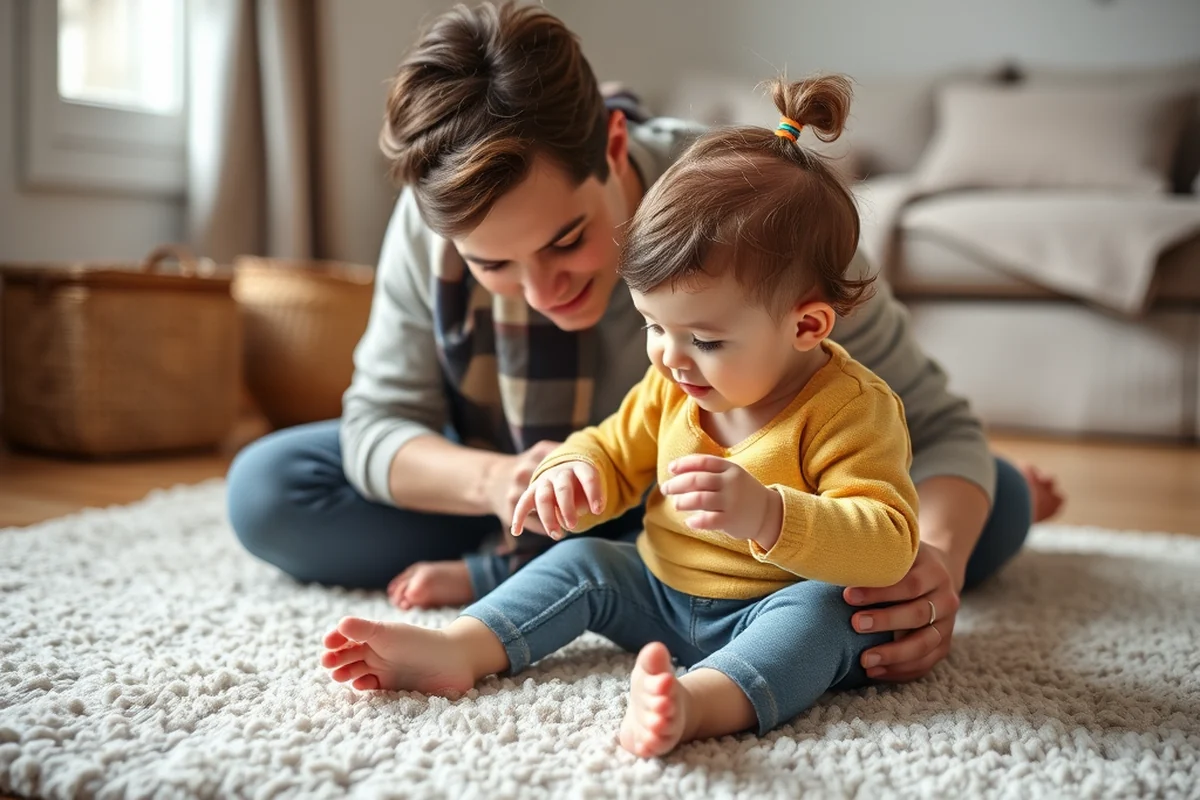
I still remember the day my son took his first step toward independence—sitting on the potty with a look of pride and a wobbly bottom. It was messy, it was chaotic, and it was the first time he showed me that he was ready. That moment, messy and real, marked the start of our potty training journey, and I'm here to guide you through it with the same warmth and practicality that helped us make it work. For the full picture, see potty training — our complete hub on the topic.[3]
Potty training for beginners can feel overwhelming, especially when you're juggling sleepless nights and the pressure of 'getting it right.' But I've found that the key is not to be perfect. To be present. My approach was built on consistency, small victories, and a lot of patience. And yes, there were moments of frustration, but I learned that every child is different, and every family has their own rhythm.[4]
In this article, I’ll walk you through everything from the signs that your child is ready to the practical steps that made our journey easier. Whether you're looking for tips on how to start off potty training or just need a gentle nudge in the right direction, I've got you covered. Let’s make this messy, but rewarding, milestone a success.[5]
Why You'll Love This Guide to Potty Training for Beginners
- Real, first-hand experience from a parent who's been through it all
- Simple, actionable steps that you can implement today
- A focus on your child’s readiness, not just the calendar
- Practical tips that save time, money, and stress
Recognizing Readiness: When Your Child Is Truly Ready
As of September 2026, I remember my son peeing in the bathtub and then looking up at me with a grin, like he’d just made a breakthrough. That was our first clue that he was ready. Readiness isn't about age, it's about signs. Look for cues like staying dry for two hours, showing interest in the potty, and being able to pull up and down their pants.
It’s easy to feel pressured by the 'typical' age range, but I learned that pushing too early can lead to setbacks and frustration. My son was nearly 2, and we didn't start until he showed clear signs. That patience made the process smoother in the long run.
If your child is not showing these signs, don’t worry—there’s no rush. You can use this time to prepare, read up, and build a supportive environment. Readiness is key to success.
Keep a diary of your child's behavior and note the signs of readiness. Use this as a roadmap to begin training.
Choosing the Right Potty: A Practical Guide

Choosing the right potty was one of the first decisions I had to make. I went with a small, toddler-sized potty with a seat that could be adjusted as my son grew. It made him feel safe and confident. There are also potties with a seat that can be placed in the bathroom, which helps with the transition from a regular potty to the toilet.
I also considered the design. A potty with a lid was a lifesaver—it helped contain messes and made cleanup easier. I spent about $50 on a high-quality potty that was worth every penny. It made the process smoother and less stressful.[1]
If you're on a budget, a small plastic potty from a discount store can work, but I recommend investing in something that feels sturdy and is easy to clean.[2]
The right potty can be the difference between a success story and a nightmare.
Related: Potty training for boys explained
Setting Up a Routine: Creating a Structure That Works for You
We started with a morning and evening routine, and then gradually added midday checks. My son would sit on the potty at the same time every day for a few minutes. It helped him get used to the idea and created a sense of normalcy.
I also made sure to have a special potty time after meals, as that’s when most accidents happen. We had a little countdown clock, and when it beeped, he’d go to the potty. It made the process fun and engaging for him.
Setting up a routine doesn’t have to be rigid. The key is to be consistent and flexible. If your child isn’t ready for a full routine yet, start with small steps and build from there.
Use meal times and play breaks as cues to sit on the potty. This helps build a habit that’s easy to follow.
“I still remember the day my son took his first step toward independence—sitting on the potty with a look of pride and a wobbly bottom.”— Pottydays editors
Related: Minimalist potty training chart
Rewards and Reinforcement: Making Success Fun and Encouraging
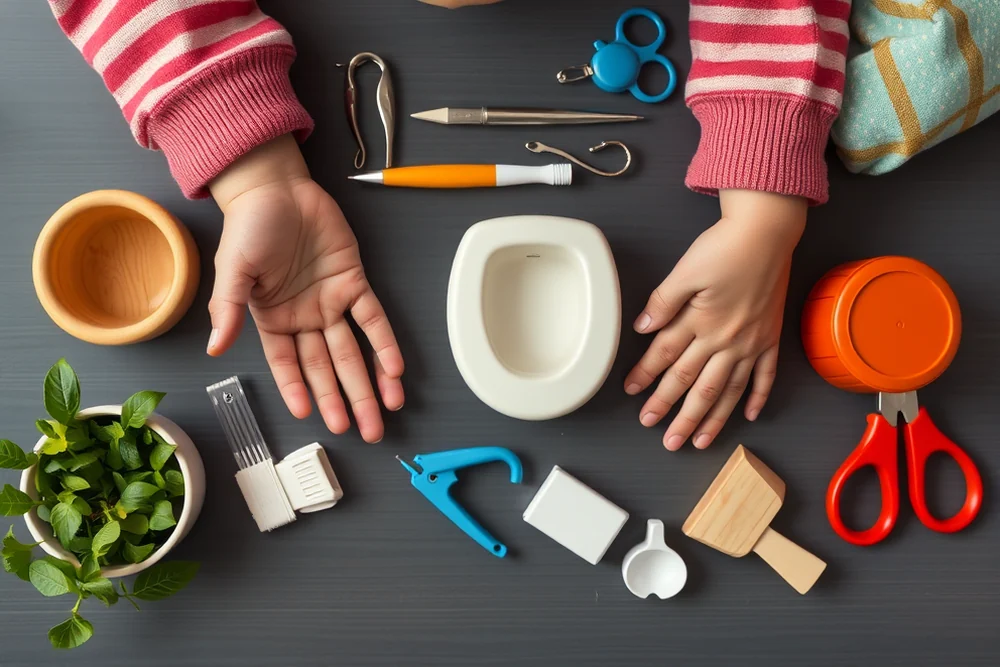
We used a sticker chart with a small reward at the end of the week. My son would get a sticker every time he successfully used the potty. When he collected a certain number of stickers, he’d get a small toy or treat. It made the process fun and kept him motivated.
I also made a point to praise him every time he went to the potty, no matter how small the success. Phrases like, 'You did it!' and 'I'm so proud of you!' helped build his confidence. Even if he had an accident, I reminded him that it was okay and that we’d try again.
Avoid using punishment for accidents. It can create anxiety and make the process more difficult. Instead, focus on encouraging success and celebrating every step forward.
Related: Easy potty training chart
Handling Setbacks: Staying Calm and Consistent
It’s easy to feel like you're back at square one when setbacks happen. I remember a time when my son had a regression in the middle of training and started wetting the bed again. It was frustrating, but I reminded myself that setbacks are a normal part of the process.
When we had setbacks, I made sure to stay calm and not punish my son. We’d talk about it, and I’d remind him that it was okay to make mistakes. We’d go back to a simpler routine and focus on small successes again.
Staying consistent and patient is key. If you're feeling overwhelmed, take a break and return to the process with a fresh mind. Setbacks don’t mean failure—they just mean that we need to adjust our approach.
⭐ Classic
A traditional potty training kit with all the essentials for a smooth start.
💰 Budget
An affordable version with basic items to help you get started without breaking the bank.
⚡ Extra-Fast
A streamlined kit designed for quick setup and maximum efficiency.
✨ Depth
A comprehensive kit that includes everything you could possibly need for potty training.
🥗 Light
A minimalist kit with only the most essential items for those who prefer a low-maintenance approach.
| The mistake | Why it happens | The fix |
|---|---|---|
| Forcing the process too early | Children who aren’t ready may become anxious and resistant, leading to setbacks and frustration. | Wait for the signs of readiness and start when your child is ready. |
| Using punishment for accidents | This can create anxiety and make the process more difficult for your child. | Focus on positive reinforcement and celebrate successes rather than punish mistakes. |
| Being inconsistent with the routine | Children need structure and consistency to learn new habits effectively. | Create a routine and stick to it, even if it means making small adjustments as needed. |
| Ignoring the child’s signals of readiness | Starting too late can lead to frustration for both the parent and child. | Pay attention to your child’s behavior and start when they show clear signs of readiness. |
Related: Affordable potty training age
Potty Training For Beginners
Related: Easy potty training dogs
Introducing the Potty: A Step-by-Step Guide to First Use
I remember my daughter’s first time sitting on the potty — she was curious, not afraid, and it felt like a milestone. Start by letting your child sit on the potty with clothes on, maybe during a storytime or while watching their favorite show. This helps them associate the potty with comfort and fun, not pressure. Make sure the potty is at the right height, with feet firmly on the ground, and use a small stool if needed. Sit with them for a few minutes, talking about how it feels and what happens next. This gives them a sense of control and reduces anxiety.
It’s important to stay patient and not rush the process. Some children might take a few days just to sit on the potty, while others might try to go within minutes. Don’t be discouraged if they don’t go right away. Offer praise for trying, not just for success. I found that using a small, child-sized potty made a big difference in our experience — it felt less intimidating and more like a new toy. This early introduction helps build confidence and familiarity with the potty.
After sitting on the potty, make sure to reward the effort, even if nothing happens. A sticker, a hug, or a short game can reinforce the positive experience. I kept a small chart on the wall with stars, and every time she sat on the potty, we’d add one. It didn’t take long before she started associating the potty with something fun and achievable. This simple step-by-step approach can help your child feel more comfortable and ready to take the next step.
Managing Accidents: Keeping the Mood Positive and the Mess Under Control
Accidents are part of the process — how you handle them makes all the difference in your child’s confidence and comfort.
Accidents are inevitable, and they can happen at any time — even when you think your child is ready. I learned that my son had several accidents during the day, and each one was a learning moment rather than a failure. The key is to stay calm, avoid showing frustration, and reassure your child that accidents happen to everyone. I made a point of cleaning up quickly and without judgment, and I reminded him that it was okay to feel a little embarrassed, but not to feel ashamed. This helped him stay positive and keep trying.
I used a small, waterproof mattress pad on the floor near the potty, just in case. It was a lifesaver when he had an accident while playing and didn’t make it to the potty in time. It made cleanup easier and helped me avoid a big mess. I also found that having extra clothes on hand — like a spare pair of pants and a change of underwear — made it easier to handle unexpected accidents without a scene. I kept these in a small, labeled bag near the potty and made sure my child knew where to find them.
It’s also helpful to normalize the experience by talking about it openly. I would say things like, “Oops, that happened to me too when I was your age,” to show that it’s a normal part of growing up. I used this approach even when I was embarrassed, and it helped my child see that accidents are not a reflection of their abilities. This mindset not only helped keep the mood positive but also helped my child feel more confident in trying again. Managing accidents with grace and practicality can go a long way in making potty training a positive experience for both parent and child.
Common Questions
How do I know when my child is ready for potty training?
What should I do if my child is resistant to potty training?
How can I make potty training less stressful for my child?
What if my child has an accident?
References
- PDF TOILET TRAINING - King County, Washington (cdn.kingcounty.gov)
- Toilet Training | Effective Health Care (EHC) Program (effectivehealthcare.ahrq.gov)
- PDF "Errorless" Toilet Training: ete: 9 June 2020 "The Potty Party" 13 (files.eric.ed.gov)
- A Child-centered Approach to Toilet Learning | HeadStart.gov (headstart.gov)
- Toilet training tips: MedlinePlus Medical Encyclopedia (medlineplus.gov)
Cite this guide
Pottydays (2026). Potty Training For Beginners. https://pottydays.com/potty-training-for-beginners/
Feel free to cite or share this guide.