
Baby Potty Training Seat

📖 Table of Contents
- Choosing the Right Potty Training Seat
- Making the Potty a Positive Space
- Introducing the Potty Training Seat at the Right Time
- The Role of Consistency in Potty Training
- The Importance of Involving the Whole Family
- Dealing with Setbacks and Regression
- The Benefits of a Successful Potty Training Experience
- Make It Your Way
- Frequently Asked Questions
The first time my son sat on the potty training seat, I had a moment of pure panic. He was two and a half, and the thought of him sitting there for five minutes without a peep made me feel like I’d failed before we even started. But the baby potty training seat turned out to be a game-changer. Its stability, the way it fits snugly around the toilet, and the soft padding made it feel like a safe space for him — not a foreign object. It was like a tiny throne, and he was the king.[2]
I remember the exact moment he peed on it — it was a quiet, almost imperceptible drip, but I knew. I jumped up, grabbed the phone, and took a picture. That was the first time I realized how much the baby potty training seat could change the dynamics of our daily routine. It wasn’t just about the potty; it was about confidence, autonomy, and a little bit of pride. The seat itself made the process feel less like a battle and more like a shared journey.[3]
In the weeks that followed, the baby potty training seat became a fixture in our bathroom, a symbol of progress. I started to notice how it influenced his behavior: he’d run to the bathroom at the first sign of needing to go. He’d even ask where the seat was when we were at a friend’s house. It wasn’t just a tool — it was a bridge to independence, and it made the whole process feel like a team effort.[4]
Why You'll Love This Baby Potty Training Seat
- It offers stability and comfort for your little one.
- It reduces the need for constant supervision and encouragement.
- It makes the transition from diaper to toilet feel natural and safe.
- It encourages independence and a sense of accomplishment.
Choosing the Right Potty Training Seat
As of November 2026, the first time I tried a potty training seat, I picked one with a high back and adjustable straps, thinking it would be the most secure. But after a few days, I realized my son was uncomfortable and would often remove the straps, leading to frustration. I swapped it for a seat with a lower back and softer padding, and the difference was immediate. He felt more at ease, and the transition from diapers to the toilet felt less overwhelming.
When choosing a seat, consider your child’s size and mobility. A seat that’s too high can make it hard for them to reach the toilet, while one that’s too low might not provide the support they need. I found that seats with a built-in handle or a footrest were helpful for my son, especially when he was still learning how to balance.
Also, look for seats with non-slip bases and easy-to-clean materials. I had a seat that left a sticky residue on the toilet and ended up discarding it after a few weeks. The one we ended up with had a rubber bottom and a smooth surface that wiped clean easily, which made the process much more manageable.
Make sure the seat fits your child’s height and weight. A seat that is too small can be uncomfortable and may cause the child to feel insecure.
Part of our Potty training guide.
Making the Potty a Positive Space
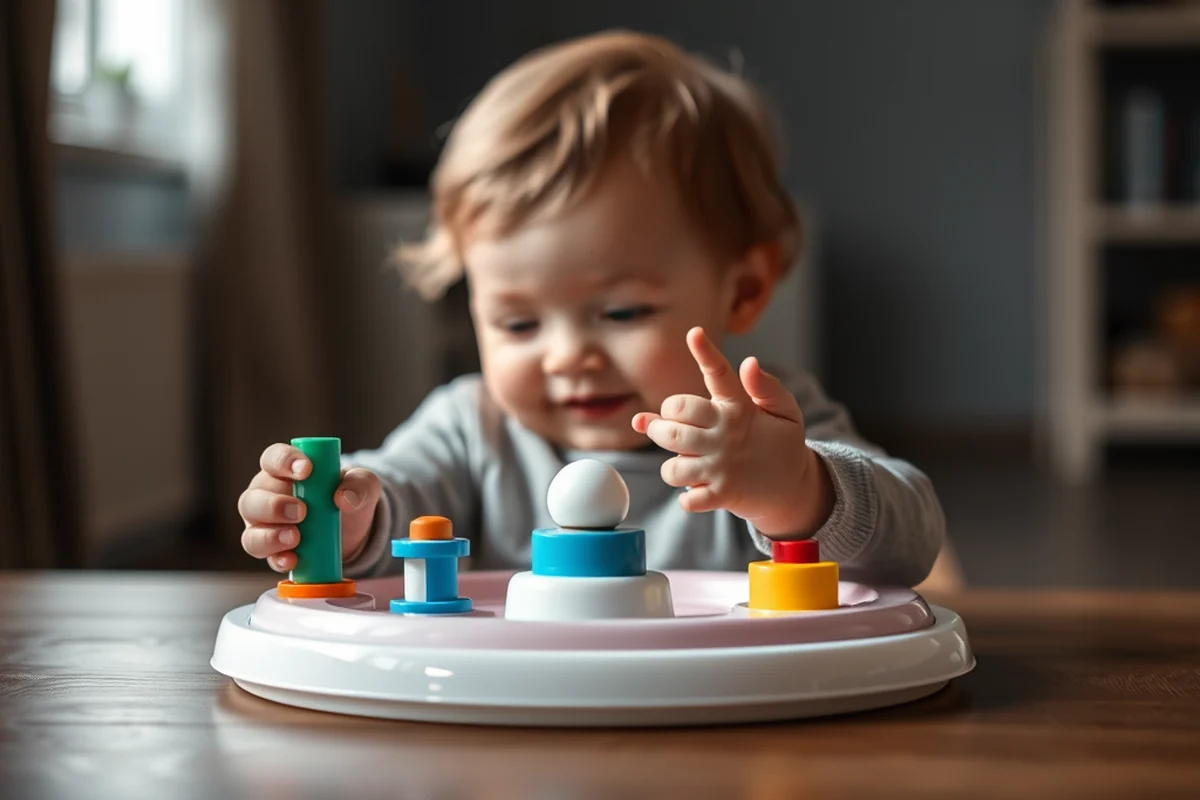
I tried to make the potty a fun place for my son, not just a place to do business. I painted the seat with his favorite dinosaur and put a small sticker on the back that said 'Super Potty Hero'. It made him want to sit there even more, and he’d often ask to go to the potty just to 'be a hero'.
I also made a chart with stars, where he could earn a sticker every time he used the potty. It didn’t take long before he was running to the bathroom with excitement, and he’d ask me to put a star on the chart even when he didn’t need to go. It turned the whole experience into a game, and he was motivated to keep going.
Positive reinforcement works best when it's immediate. If he goes on the potty, I’d give him a high-five or a quick hug. If he had an accident, I’d just say, 'That’s okay, we’ll try again.' It helped him feel supported rather than punished, and he became more confident over time.
A positive attitude turns the potty into a place of pride.
Related: What is portable potty
Introducing the Potty Training Seat at the Right Time
I tried starting the process when my son was two, and it didn’t go well. He was too young to understand the concept of using the potty, and he’d often scream or throw a tantrum when I tried to get him to sit. I realized that starting too early could set the whole process back, so I waited until he was a little older.
Typically, most children are ready to start potty training between 18 and 30 months. During that time, they begin to show signs of readiness, like staying dry for longer periods or showing interest in the bathroom. I noticed that my son started to imitate my bathroom habits around 22 months, and that was the right time to introduce the potty training seat.[1]
It’s important to look for these signs before starting the process. If your child isn’t showing any interest in using the toilet or if they seem resistant, it might be best to wait a little longer. I found that patience made the whole process smoother in the long run.
Look for signs like staying dry for longer periods, showing interest in the bathroom, or imitating your toilet habits. These are all indicators that your child might be ready for potty training.
“The first time my son sat on the potty training seat, I had a moment of pure panic.”— Pottydays editors
Related: Potty or training seat
The Role of Consistency in Potty Training
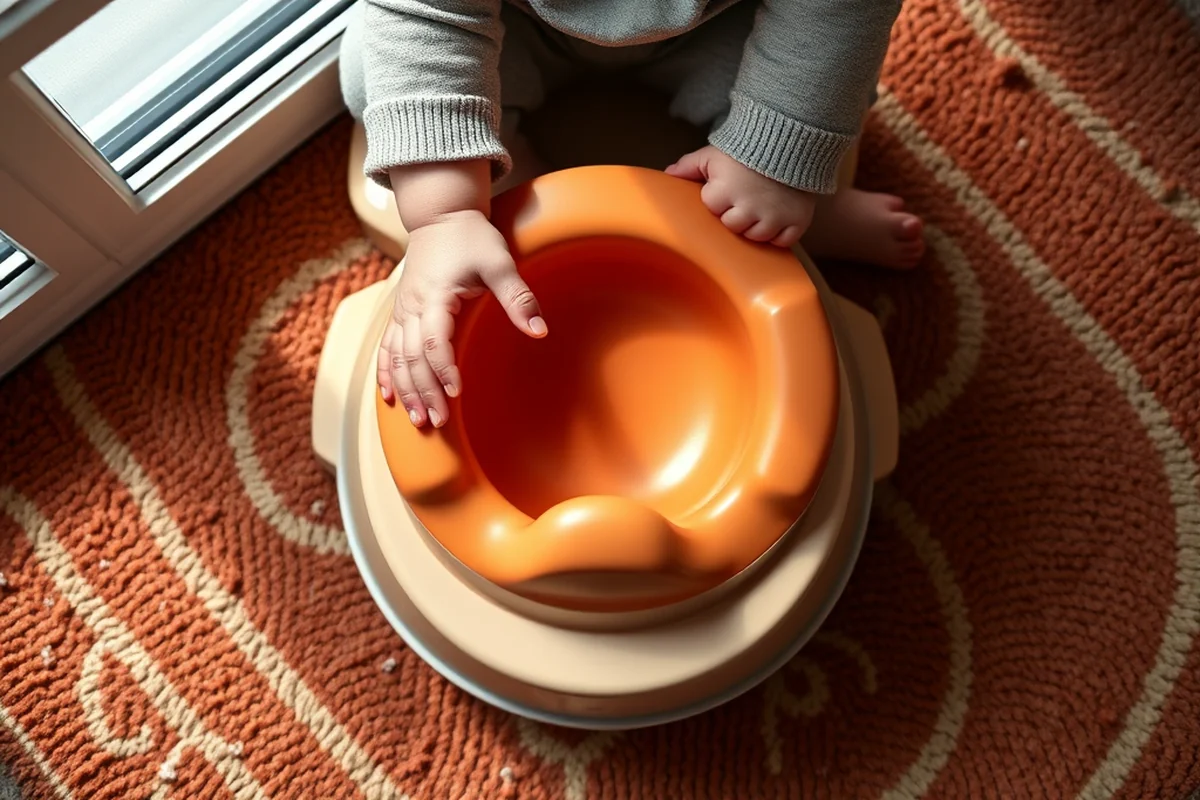
I made a big mistake early on by not being consistent with the potty training seat. One day, I’d let him use the potty, and the next day, I’d take him to the bathroom but let him use a diaper. This inconsistency only confused him, and he didn’t understand what was expected of him.
Consistency means taking the child to the potty at regular intervals, even if they don’t need to go. I started taking him every two hours, and I’d sit with him on the seat for a few minutes each time. It didn’t take long before he began to recognize that routine and started using the potty on his own.
It also means not giving in to accidents too easily. If he had an accident, I’d gently remind him that it’s okay to try again and not make a big deal out of it. Over time, he learned that using the potty was the right thing to do, and he became more confident in his ability to do it correctly.
Related: Potty training visual aids
The Importance of Involving the Whole Family
I made the mistake of keeping the potty training process a secret from my husband. He didn’t know we had started, and he ended up undoing all my progress by not following the same routine. When I finally told him, he was surprised, but he was also happy to help out.
Involving the whole family in the process means everyone should follow the same rules and routines. I made a checklist for my husband and even my parents when they came to visit, so they knew how to handle the situation if my son had an accident.
It also helps to have a consistent message from everyone. If the child hears different things from different people, it can be confusing. I found that when we all said the same things and followed the same rules, my son was more likely to succeed.
Related: Potty training a puppy
Dealing with Setbacks and Regression
There were times when my son would have a regression, like going back to using diapers after weeks of success. It was frustrating, but I realized that it was just part of the process. He was learning, and sometimes he’d make mistakes.
When a regression happens, it’s important to stay calm and not punish the child. I’d remind him that it was okay to have an accident and that we’d keep trying. I didn’t make a big deal out of it, and I didn’t let it affect our routine.
If the regression continues for a long time, it might be worth looking into what’s causing it. Sometimes it’s a change in routine, like starting a new school or a family event. Other times, it’s just the natural ebb and flow of the learning process.
Setbacks are not the end of the road — they're a part of the journey.
Related: Easy potty training for boys
The Benefits of a Successful Potty Training Experience
After my son was fully potty trained, the changes were immediate. He had more confidence, and he was more independent. He didn’t need to be reminded to go to the bathroom, and he’d even go to the potty on his own during the night.
I found that the process also helped me become a better parent. I learned how to be patient, how to set consistent rules, and how to support my child without being overbearing. The baby potty training seat was a small tool, but it played a big role in shaping our relationship.
The benefits didn’t just stop with my son. I had more time to focus on other things, and I felt less stressed about managing accidents. The whole process was a learning curve, but in the end, it was worth it.
🐢 Gentle Approach
This approach focuses on gradual steps, giving the child time to adjust at their own pace.
⚡ Fast-Track Method
This method involves setting a strict routine and using clear expectations to speed up the process.
✈️ Travel/away-from-home
This approach is useful when traveling and focuses on portability and convenience.
👯♀️ Multiples
This approach is ideal for parents with multiple children and focuses on consistency across all children.
🔄 Regression Reset
This method is used when a child experiences a setback and helps them get back on track.
| The mistake | Why it happens | The fix |
|---|---|---|
| Starting too early or too late | Starting too early can cause frustration and resistance, while starting too late can make the process more difficult. | Look for signs of readiness, like staying dry for longer periods or showing interest in the bathroom, before starting. |
| Inconsistent routines | Changing the routine too often can confuse the child and make the process slower. | Be consistent with the potty training seat and the routine, even if the child has an accident. |
| Not involving the whole family | If only one parent is involved, the child can feel inconsistent support, which may slow down progress. | Make sure all family members are aware of the routine and follow the same rules. |
| Reacting negatively to accidents | Punishing or showing frustration can make the child feel embarrassed or scared, which can slow progress. | Stay calm and remind the child that it’s okay to make mistakes and that they can try again. |
Baby Potty Training Seat
Common Questions
How long does it usually take to potty train a child?
What should I do if my child is scared of the potty?
Is it okay to use a potty training seat during the night?
What should I do if my child has an accident after being trained?
References
- TEACHING TOILETING SKILLS TO THE YOUNG CHILD (anokacountymn.gov)
- Management Bulletin 25-03 - Child Development (CA Dept of ... (cde.ca.gov)
- RC2 Recalls Potty Training Seats Due to Violation of Lead Paint ... (cpsc.gov)
- Guidance on Diapering and Toileting Hygiene in Ohio Schools (dam.assets.ohio.gov)
Cite this guide
Pottydays (2026). Baby Potty Training Seat. https://pottydays.com/baby-potty-training-seat/
Feel free to cite or share this guide.
Potty Training Readiness Check
Seven-question potty-training readiness screen with a band and next steps.
Open it free →