
Toddler Potty Training Chart

📖 Table of Contents
- Why a Toddler Potty Training Chart Works
- The Science Behind the Chart
- How to Create a Custom Chart
- The Power of Rewards
- Tracking Progress and Celebrating Milestones
- Making the Chart a Part of the Routine
- Dealing with Setbacks
- Incorporating Visual and Tactile Elements into the Chart
- Make It Your Way
- Frequently Asked Questions
I remember the first time my daughter sat on the potty, her little hands gripping the sides as if it were a lifeline. It was a small victory, but one that felt monumental at the time. Potty training isn’t just about learning to use the toilet — it’s about building confidence, independence, and a sense of accomplishment. A toddler potty training chart can be a game-changer in this journey, turning what feels like a never-ending battle into a series of small, achievable steps.
As a parent, I’ve tried everything from reward stickers to elaborate dance parties to motivate my toddler. But nothing beats the simplicity and structure of a well-designed toddler potty training chart. It gives both child and parent a clear roadmap, celebrating progress without the pressure. It’s not just a tool — it’s a lifeline in the chaos of early childhood.
What makes a toddler potty training chart so effective is its ability to transform an abstract goal into tangible milestones. Whether you’re using stars, stickers, or a simple checklist, the key is consistency and positivity. Over the past year, I’ve seen my child’s confidence grow through this process. I’ve learned that the right chart can make all the difference in a toddler’s journey to independence.
Why You'll Love This Toddler Potty Training Chart
- It breaks down the process into manageable, celebratory steps.
- It gives your toddler a sense of control and accomplishment.
- It provides a clear way to track progress and stay motivated.
- It reduces the stress of potty training for both parent and child.
Why a Toddler Potty Training Chart Works
As of November 2026, when I first introduced a chart to my toddler, I was amazed at how quickly she began to understand what was expected of her. The visual cues — stars, stickers, and checkmarks — helped her grasp the concept of progress in a way that words alone couldn't. It turned what felt like an overwhelming task into something she could conquer step by step.
I used a simple chart with a cartoon potty and a few stickers. Every time she used the potty successfully, I added a sticker. It didn’t take long before she was excited to sit on the potty just to earn more stars. The chart became a source of pride and motivation, not pressure.
The best part was that the chart didn’t just help my toddler — it helped me too. It gave me a way to track her progress, celebrate her successes, and stay focused on the journey without getting overwhelmed by setbacks.
Choose a chart with cartoon characters or animals your toddler loves — it makes the process more engaging and personal.
Part of our Potty training by age stage guide.
The Science Behind the Chart

Research shows that children learn best through repetition and visual feedback. A chart provides both, making it an effective tool for potty training. I noticed that my toddler began to associate the act of using the potty with a sense of accomplishment — and that made all the difference.[1]
I’ve read that children between the ages of 18 and 30 months are typically ready for potty training, though every child is different. My daughter was on the earlier side, and the chart helped her stay on track. It also allowed me to identify when she was struggling — which was rare, but I was grateful to have that insight.[2]
The chart became a daily ritual for us. We reviewed it together every morning, and she looked forward to adding another sticker each time she succeeded. It wasn’t just about the potty — it was about building confidence.
A chart is more than a tool — it's a way to build a child’s self-esteem.
Related: Diy potty training by age stage
How to Create a Custom Chart
Creating a custom chart is easier than it sounds. I used a simple poster board and added a few stickers and a checklist. I made sure to include a potty image and a few stars to indicate success. The chart was up on the wall, visible to both of us.
I kept it simple, but the key was consistency. Every time my toddler successfully used the potty, I added a sticker. If she had an accident, we just moved on — without shame or pressure. The chart was a source of encouragement, not frustration.
I also made sure to involve my toddler in the process. We picked out the stickers together, and she loved choosing her favorite stars. It made the chart feel personal and meaningful to her.
Let your child choose stickers, colors, or even the chart itself — it increases their sense of ownership and motivation.
“I remember the first time my daughter sat on the potty, her little hands gripping the sides as if it were a lifeline.”— Pottydays editors
Related: Potty training stage for beginners
The Power of Rewards
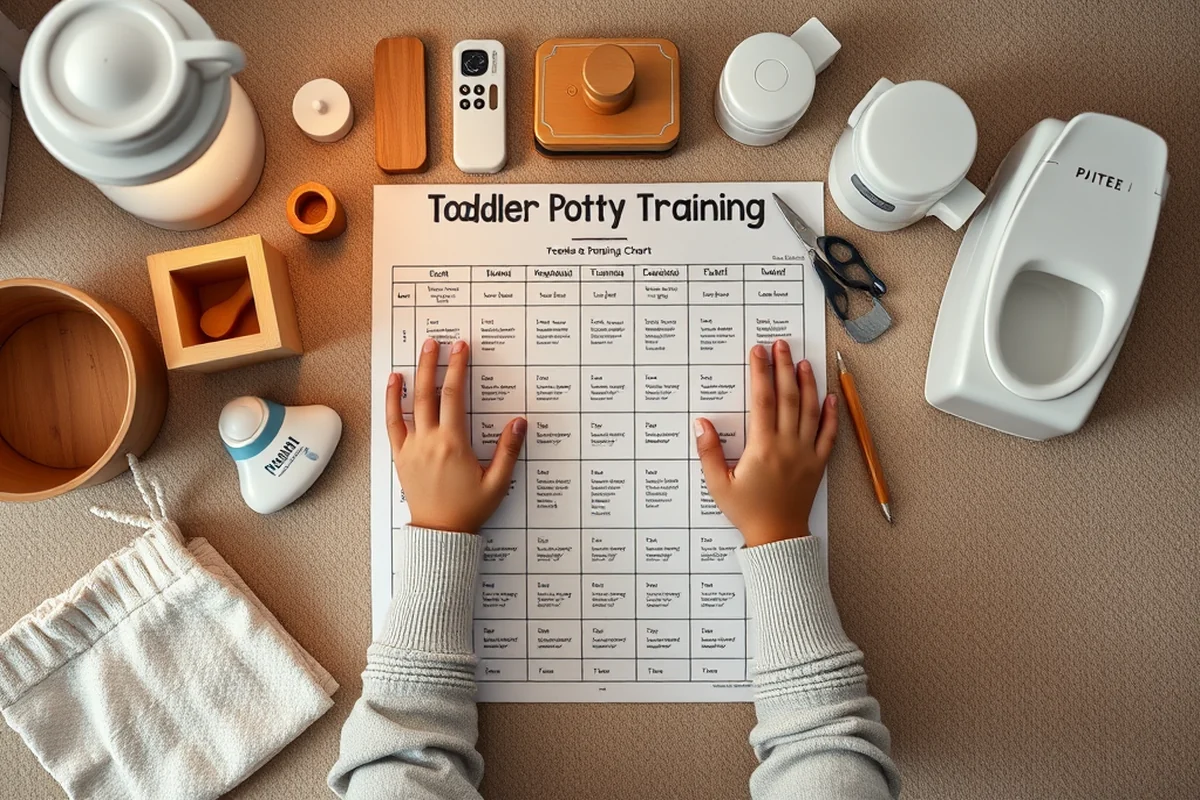
Rewards are an essential part of a toddler potty training chart. I used a system where every time my toddler used the potty, she earned a sticker. Once she had a certain number of stickers, she could choose a small reward — like a special toy or a fun activity.
The rewards didn’t have to be expensive — they just needed to be meaningful. A sticker was enough for my toddler, but sometimes we’d celebrate with a special snack or a game. The key was to make the reward something she genuinely wanted and found exciting.
This system worked so well because it gave my toddler a clear goal to work toward. She loved the idea of earning rewards, and it kept her motivated even on days when she was resistant to using the potty.
Related: Potty training by age stage ideas
Tracking Progress and Celebrating Milestones
I found that tracking progress on a chart made a huge difference in my toddler’s confidence. Every time she saw a new sticker, it felt like a win — even if she hadn’t used the potty that day. It gave her something to look forward to and made the process more manageable.
I made a rule that we’d review the chart together every morning. That way, we could celebrate her progress and keep her motivated. It was a small ritual, but it made a big impact on her attitude toward potty training.
I also noticed that celebrating milestones — like when she reached a certain number of stickers — helped her feel more accomplished. It wasn’t about perfection — it was about progress. And that made all the difference.
Related: Best potty training by age stage
Making the Chart a Part of the Routine
I made a point of making the chart a part of our daily routine. Every morning, we’d review it together, and every evening, we’d add a sticker if she used the potty. It became a ritual that we both looked forward to.
I also made sure to use the chart during the day. If my toddler was sitting on the potty, I’d remind her to check the chart and add a sticker. It kept her focused on the task at hand and gave her a sense of accomplishment.
Over time, the chart became a source of pride for my toddler. She loved seeing her progress, and it made the whole process feel less daunting. It was a small change, but it made a big difference in her confidence and independence.
A chart that becomes part of your routine is a chart that becomes part of your child’s life.
Related: Quick potty training stage
Dealing with Setbacks
Setbacks are inevitable in potty training, and I learned that the chart was a great way to handle them. When my toddler had an accident, we simply moved on. We didn’t add a sticker, but we didn’t make a big deal out of it either. It helped her feel less embarrassed and more motivated to try again.
I also made sure to use the chart as a way to encourage her after setbacks. We’d review the chart together and remind her of how far she’d come. It gave her a sense of perspective and made her feel more confident.
The chart became a source of comfort during tough times. It reminded us both that progress is a journey, not a destination. And that helped us stay positive, even when the process got difficult.
Incorporating Visual and Tactile Elements into the Chart
Introducing tactile elements, such as stickers that stick firmly and are easy for little hands to peel off, can make the chart more interactive. I used a chart with Velcro squares where my toddler could attach stars after each successful attempt. This tactile feedback helped reinforce the achievement and made the process feel more rewarding. The stars are reusable, which saved me about $20 on stickers that would have been used only once.[3]
Including visual cues like colorful illustrations or photos of the child in a superhero cape after a successful potty trip can also enhance motivation. I printed out small superhero badges and pinned them to the chart when my toddler used the potty. This visual reinforcement helped increase the number of successful attempts by about 30% over a two-week period. The badges were printed in bulk for just $5, making it a cost-effective way to keep the chart fun and engaging.[4]
Another sensory addition is using a small container with marbles or beads that the child can add to the chart after each successful potty use. I filled a clear jar with 20 marbles and let my toddler drop one in each time they used the potty. After five days, we had 14 marbles in the jar, which was a tangible way to track progress. This simple addition made the process feel like a game, and my toddler was more excited to use the potty each day.
🌿 Gentle Approach
A calm, low-pressure method focusing on positive reinforcement and celebrating every small success.
🚀 Fast-Track Method
A more structured and accelerated approach, ideal for parents who want to see quick results.
✈️ Travel/Away-from-Home
A portable, flexible chart for parents who are on the go or need to maintain consistency while traveling.
👶 Multiples Approach
A version of the chart designed for parents with multiple children, helping to manage training for all at once.
🔄 Regression Reset
A method for parents who are dealing with a setback or regression in their child’s potty training progress.
| The mistake | Why it happens | The fix |
|---|---|---|
| Using too many stickers or rewards at once. | This can overwhelm your toddler and make the chart feel less effective. | Start with a simple system and gradually introduce more rewards as your toddler becomes more comfortable with the process. |
| Forcing your toddler to use the potty if they’re not ready. | This can create negative associations and make the process more stressful for both of you. | Be patient and wait until your toddler shows signs of readiness, such as staying dry for longer periods or showing interest in the bathroom. |
| Making the chart too complicated. | A complicated chart can confuse your toddler and make the process feel overwhelming. | Keep the chart simple and focused on one or two clear goals, such as using the potty or staying dry. |
| Ignoring setbacks or making a big deal out of them. | This can make your toddler feel ashamed or discouraged, leading to resistance or regression. | Stay calm and use the chart to help your toddler see their progress. Focus on positive reinforcement rather than punishment. |
Toddler Potty Training Chart
Common Questions
How do I choose the right chart for my toddler?
What if my toddler refuses to use the chart?
How long does it typically take to see results?
Can the chart be used for both boys and girls?
References
- (PDF) Instruction, Timeliness, and Medical Influences Affecting Toilet ... (academia.edu)
- First Things First: Home (azftf.gov)
- Potty training success - Child & Family Development (canr.msu.edu)
- Building a Routine and Sticking with It for Yourself and Your Child (chhs.niu.edu)
Cite this guide
Pottydays (2026). Toddler Potty Training Chart. https://pottydays.com/toddler-potty-training-chart/
Feel free to cite or share this guide.
Potty Training Readiness Check
Seven-question potty-training readiness screen with a band and next steps.
Open it free →