
Potty Training Stage Tips
📖 Table of Contents
I remember the first time my daughter sat on the potty, legs wobbly and eyes wide with curiosity. It was a moment that felt like the start of a new chapter — not just for her, but for our family. Potty training is one of those phases that feels equal parts exhilarating and exhausting, and if you're in the middle of it, you know exactly what I mean. The journey isn't linear, but with the right potty training stage tips, you can make it smoother for everyone involved.[1]
Every child is different, and so is every potty training journey. Some kids are ready at 18 months, others not until they're three. There's no 'right' time or 'right' way, but there are strategies that work — if you're willing to try them. I've spent countless hours researching, experimenting, and learning from other parents, and here's what I've discovered: consistency, patience, and the right tools can make all the difference.[2]
Potty training stage tips aren't just about getting your child to use the bathroom — they're about understanding where your child is at, emotionally and physically, and supporting them through the process. It's about celebrating small victories, like a successful diaper change or a brave attempt on the potty, and learning from setbacks without frustration. With the right approach, you can turn this chaotic time into a positive, empowering experience for your little one.
Why You'll Love This Article
- Practical, real-life advice tailored to each potty training stage
- Expert insights and tips that have been tested and refined
- Simple, actionable strategies that work for a variety of children
- A supportive, encouraging tone that makes the journey feel manageable
Understanding the Potty Training Timeline
As of October 2026, the average child starts showing signs of readiness between 18 and 30 months, but this can vary widely. Some children may be ready as early as 18 months, while others may not be fully prepared until they're three. It's important to recognize that readiness is more than just age — it's about physical, emotional, and cognitive development.
Signs of readiness include staying dry for longer periods, showing interest in the bathroom, and being able to follow simple instructions. If your child is not showing these signs, it's okay to wait. Trying to force potty training before they're ready can lead to frustration and setbacks.
I found that waiting until my child showed consistent interest in the bathroom made the process smoother. It's a reminder that potty training is a journey that's best approached with patience and understanding.
Watch for signs of readiness, like staying dry for a couple of hours or showing interest in the toilet. These signals mean your child is more likely to succeed.
Part of our Potty training by age stage guide.
Creating a Supportive Environment
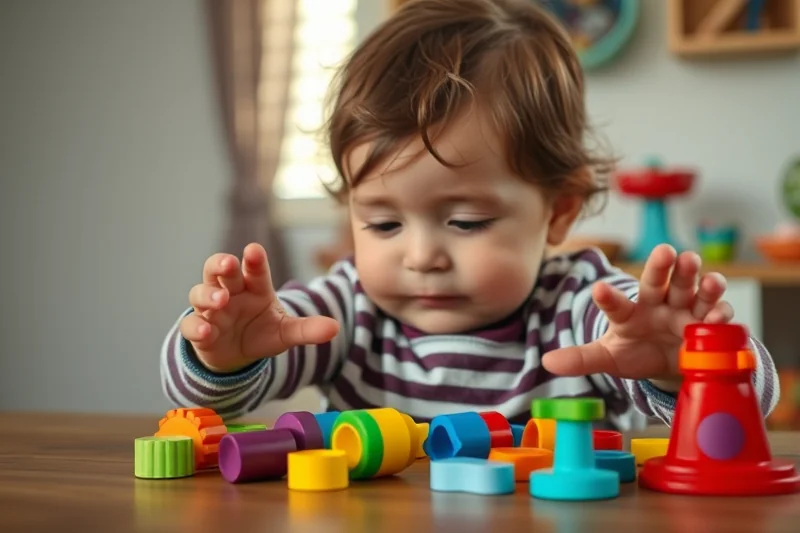
Creating a positive environment around potty training can make all the difference. This includes having a potty or toilet seat that is the right height for your child, keeping it in a visible place. Using child-friendly items like a potty seat or toilet paper holder.
I made sure to keep the potty in a place where my child could see it, and I decorated it with their favorite characters. This made the potty feel like a fun and safe space for them to explore. Positive reinforcement, like praise and stickers, also helped build confidence.
When your child successfully uses the potty, celebrate it. Even small successes are worth acknowledging. This positive feedback builds motivation and makes the process more enjoyable for both of you.
A happy child on the potty is the best reward.
Related: Diy potty training by age stage
Setting Realistic Expectations
Potty training is not a linear journey, and it's normal for your child to have accidents or refuse to use the potty. Setting realistic expectations can help you stay calm and consistent, even during tough times.
I learned that expecting perfection can lead to unnecessary stress. Instead of getting frustrated when my child had an accident, I focused on encouraging them to try again. This mindset made the process more manageable for both of us.
It's also important to remember that some days will be better than others. Being flexible and adjusting your approach as needed can make a big difference in the long run.
Be prepared to adjust your routine and expectations. Some days will be easier, others harder — and that's okay.
🌸 Gentle Approach
This method focuses on gradual progress and positive reinforcement, making it ideal for children who are not yet ready for structured potty training.
🚀 Fast-Track Method
This approach is ideal for children who are showing strong signs of readiness and can handle a more structured, goal-oriented potty training process.
🧳 Travel/away-from-home
This method helps parents prepare for potty training on the go, with tips for managing trips, hotel stays, and other away-from-home scenarios.
👶 Multiples
This approach is tailored for parents with more than one child, offering strategies for potty training siblings together or separately.
🔄 Regression Reset
This method helps parents navigate potty training setbacks or regresses, with strategies to help children get back on track.
| The mistake | Why it happens | The fix |
|---|---|---|
| Forcing potty training before the child is ready | Forcing a child to use the potty before they are ready can lead to frustration and setbacks, making the process more difficult for both parent and child. | Wait until your child shows signs of readiness, like staying dry for longer periods and showing interest in the bathroom. |
| Using punishment for accidents | Using punishment for accidents can create a negative association with potty training and increase anxiety for your child. | Avoid punishment and instead use positive reinforcement and encouragement to build confidence and motivation. |
| Being inconsistent with the routine | Inconsistency can confuse your child and make it harder for them to understand what is expected. | Establish a consistent routine and stick to it as much as possible, even during busy or challenging days. |
| Overlooking the emotional aspect of potty training | Potty training is not just about learning a new skill — it's also about building confidence and emotional security. | Make sure to provide emotional support and encouragement throughout the process, and celebrate your child's progress, no matter how small. |
“I remember the first time my daughter sat on the potty, legs wobbly and eyes wide with curiosity.”— Pottydays editors
Related: Potty training stage for beginners
Potty Training Stage Tips
Related: Potty training by age stage ideas
Navigating Regression and Setbacks
Regression is normal during potty training, and knowing how to handle it can ease the process for both parent and child.
Regression is more than just a temporary slip—it's a sign that your child is processing change or learning something new. It’s easy to feel discouraged when progress halts, but it’s crucial to remember that setbacks are part of the journey. I found that keeping a calm and steady approach helped my child navigate regression without feeling overwhelmed. I also made sure to avoid negative language like 'why are you going back to diapers?' which can increase anxiety. Instead, I focused on reassurance and support, even if that meant slowing down the process.
One of the most effective tools I used during regression was consistency. Even if my daughter wasn’t making progress, I maintained her routine—taking her to the potty at the same times and praising her for trying. I also made sure not to place any pressure on her to 'get it right' immediately. I reminded myself that patience is key, and that regression doesn’t mean failure. I found that celebrating small victories, even if they were just sitting on the potty, helped her feel more motivated.
If regression persists for more than a week or two, it’s a good idea to check in with your pediatrician. Sometimes, regression can be linked to things like teething, illness, or changes in sleep patterns. I found that addressing these issues early helped my daughter return to her progress. In the meantime, I kept the tone of our interactions positive and focused on what she could do, rather than what she couldn’t. This approach helped both of us feel more in control and less stressed.
Related: Best potty training by age stage
The Role of Rewards in Potty Training Success
When I potty trained my daughter, I found that small, immediate rewards like stickers or a special song helped reinforce positive behavior. These rewards didn’t need to be expensive — a few minutes of praise or a small treat after successful use of the potty made a big difference. The key was consistency, so we used the same reward each time to avoid confusion and build a routine. Over time, we gradually phased out the tangible rewards and focused on verbal encouragement, which helped her feel more independent and confident.
I also noticed that non-material rewards were just as effective. For example, giving her a choice of underwear or letting her pick a book after using the potty made her feel empowered. It was important to celebrate every success, even small ones, to keep her motivated. I avoided using rewards that could create pressure, like offering candy or screen time, which might backfire if she didn’t succeed. Instead, we focused on making the process fun and positive, which kept her engaged and willing to try again after setbacks.
It's also crucial to avoid over-rewarding, as this can lead to dependency. I found that after a few weeks, my daughter began using the potty without needing a sticker or a treat. We still acknowledged her progress with praise, but the real motivation came from her growing sense of autonomy. This approach helped her transition smoothly from relying on external rewards to internal motivation, which is essential for long-term success in potty training. It's a balance, but with patience and consistency, it works.
Related: Quick potty training stage
Common Questions
How long does potty training usually take?
What should I do if my child is resisting the potty?
How can I make potty training more engaging for my child?
Is it okay to use a potty seat in the regular bathroom?
References
- McClain, Doris G. Infant Family Day Care Training - ERIC (files.eric.ed.gov)
- The Effectiveness of Different Methods of Toilet Training for Bowel ... (govinfo.gov)
Cite this guide
Pottydays (2026). Potty Training Stage Tips. https://pottydays.com/potty-training-stage-tips/
Feel free to cite or share this guide.