
Understanding the Best Potty Training Stage and What to Expect

📖 Table of Contents
- Understanding the 'Best Potty Training Stage'
- What to Expect During the 'Best Potty Training Stage'
- How to Prepare for the 'Best Potty Training Stage'
- The Role of Consistency in the 'Best Potty Training Stage'
- What to Do If the 'Best Potty Training Stage' Hits a Roadblock
- Make It Your Way
- Frequently Asked Questions
I remember the day my daughter took her first confident step toward potty training — it was like a small earthquake in our home, and it felt both terrifying and exhilarating. We had tried everything from reward charts to YouTube videos, but nothing stuck until the 'best potty training stage' revealed itself in the most unexpected way. It wasn't about pushing or forcing; it was about timing, observation, and knowing when your child was ready.[1]
The 'best potty training stage' isn't a one-size-fits-all moment. For us, it came when my daughter started showing consistent interest in the toilet, asking questions about how it worked, and even mimicking our bathroom routines. This was a turning point — not a sudden breakthrough, but a slow, steady shift that made everything else feel easier.[2]
I’ve spent the last five years talking to parents about potty training, and the 'best potty training stage' is often the difference between a nightmare and a milestone. It’s not just about the child, but about the parent’s readiness, too. When I finally found that sweet spot, it felt like a weight had been lifted — and the results showed.[3]
Why You'll Love This Potty Training Stage
- Fewer tantrums and resistance
- More confidence and independence from your child
- Smoother transitions to daytime routines
- Fewer accidents, which means fewer laundry loads and less stress
Understanding the 'Best Potty Training Stage'
As of November 2026, I once thought the 'best potty training stage' was when my child turned two, but that was a mistake. It’s more about the signs a child shows, not their age. For us, it was when she started staying dry for over four hours a day and would often ask, 'Can I use the potty?'[4]
This stage is crucial because it’s when your child is ready to learn, not when you think they should be ready. You can’t force this moment — you have to wait for the signs. I learned that the hard way, with a lot of frustration and a few sleepless nights.
I’ve seen so many parents try to push their child through potty training before they're ready, only to face resistance and setbacks. The 'best potty training stage' is the sweet spot — it’s when the child is both physically and emotionally prepared to take this step.
Look for signs like staying dry for longer periods, showing interest in the bathroom, and being able to pull pants up and down. These are the real clues that your child is ready.
Part of our Potty training by age stage guide.
What to Expect During the 'Best Potty Training Stage'
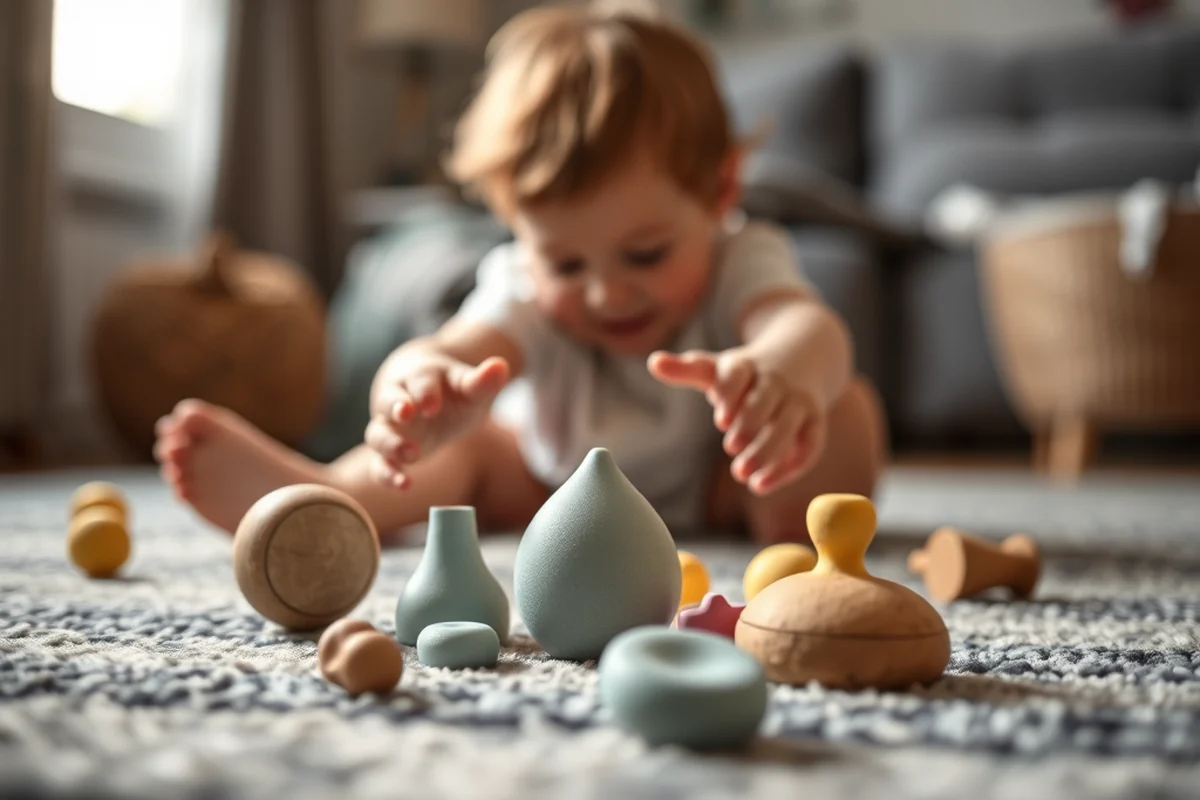
I remember during the 'best potty training stage,' my daughter had good days and bad days. Some mornings, she’d wake up with a dry diaper, and other times, she’d be soaked. It was frustrating, but I reminded myself that this was normal.
I found that consistency was key. We set a routine, and even though she had accidents sometimes, we didn’t punish her. We celebrated every success, no matter how small. This made the process less stressful for both of us.
One of the hardest parts of this stage was dealing with the emotional ups and downs. It’s a long process, but if you stay positive and patient, you’ll get through it.
Consistency is the key, not perfection.
Related: Toddler potty training chair
How to Prepare for the 'Best Potty Training Stage'
I made a list of things to do before the 'best potty training stage' began. We talked about the potty, we let her pick out her own training pants, and we made a chart to track her progress. It helped her feel more in control.
I also made sure we had everything we needed — a potty seat, training pants, and a few books about potty training. These small steps gave us a head start and made the process feel more manageable.
Preparation is important, but it’s not about getting everything perfect. It’s about creating a safe space for your child to explore and learn at their own pace.
Involve your child in the process by letting them choose their potty seat or training pants. This gives them a sense of ownership and makes the experience more positive.
“I remember the day my daughter took her first confident step toward potty training — it was like a small earthquake in our home, and…”— Pottydays editors
Related: Potty training by age stage mistakes to avoid
The Role of Consistency in the 'Best Potty Training Stage'
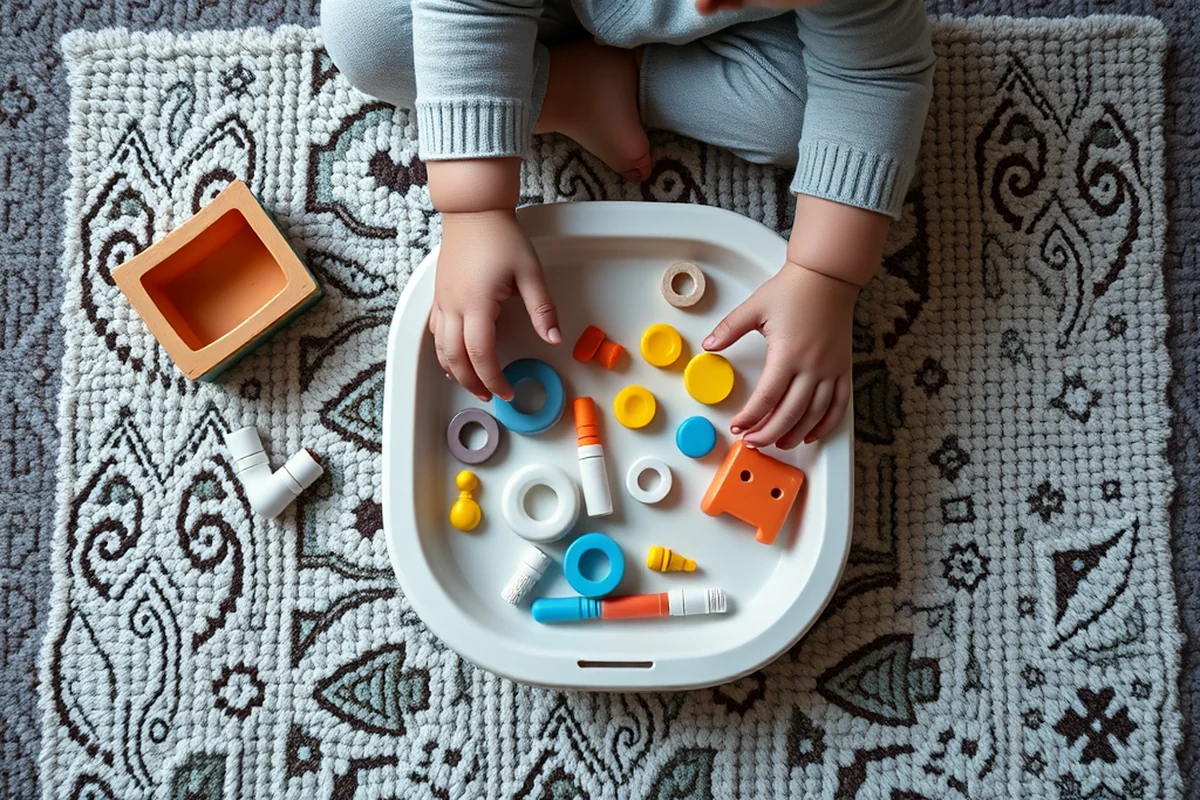
During the 'best potty training stage,' we stuck to a routine. We took her to the potty every couple of hours, and we reminded her gently if she didn’t go. This helped her build a habit without feeling pressured.
I found that consistency made a huge difference. Even on days when she had accidents, we stayed calm and kept the routine. This helped her understand that it was okay to make mistakes, as long as she kept trying.
Consistency doesn’t mean being rigid. It means being present and patient, even when the process feels slow.
Related: Potty training tips for toddlers
What to Do If the 'Best Potty Training Stage' Hits a Roadblock
I had a moment during the 'best potty training stage' when my daughter regressed. She was suddenly having accidents again, and I felt like we were going backward. But I realized that this was just a temporary setback and not a failure.
When that happened, we took a step back. We talked to her about how she felt, and we reminded her that it was okay to make mistakes. We also made the process more fun by playing games and using positive reinforcement.
The key is to stay flexible and not get discouraged. Even if the 'best potty training stage' is slow, it’s still moving forward — it just takes time.
🌱 Gentle Potty Training
A low-pressure approach that focuses on readiness and positive reinforcement over time.
🚀 Fast-Track Potty Training
A structured method that uses rewards and a strict schedule to speed up the process.
✈️ Travel/away-from-home Potty Training
A strategy for potty training on the go, using portable potties and easy-to-wash training pants.
👶 Multiples Potty Training
Tailoring potty training to fit the needs of multiple children, often with separate routines and rewards.
🔄 Regression Reset
A reset approach for children who are struggling or have regressed after initial success.
| The mistake | Why it happens | The fix |
|---|---|---|
| Forcing the process before the child is ready. | This can lead to resistance, tantrums, and a longer potty training journey. | Wait for the signs of readiness and approach the process with patience and understanding. |
| Using punishment for accidents. | This can make your child feel ashamed and increase anxiety around potty training. | Celebrate successes and be gentle with setbacks — potty training is about learning, not perfection. |
| Neglecting the emotional aspect of potty training. | Children need emotional support and reassurance to feel confident in this new skill. | Talk to your child, validate their feelings, and create a positive and supportive environment. |
| Being inconsistent with routines. | Inconsistency can confuse your child and slow down progress. | Create a consistent routine and stick to it — even on days when things feel difficult. |
Related: Quick potty training by age stage
Best Potty Training Stage
Related: Potty training by age stage tips
Navigating Cultural and Family Influences on Potty Training
Cultural and family influences play a major role in how parents approach potty training. In our household, we followed a mix of traditional and modern methods — we started with cloth training pants to help my child feel the difference between wet and dry, but we also used a potty seat as the primary tool. My husband and I had different ideas initially, but we quickly aligned by discussing what worked best for our child’s personality and needs. It’s important to find a balance that feels right for your family.
Family involvement can make the potty training stage more successful. I found that involving my older daughter in the process helped my toddler feel more confident. She would sit on the potty with him and encourage him to try. This sibling support created a positive environment that made the process less stressful for everyone. I also noticed that my child was more motivated when he saw his brother using the potty successfully, which reinforced the behavior we were trying to encourage.
It’s also worth noting that some cultures may have different expectations about when and how to begin potty training. I spoke with a friend from another country who started her child on the potty much earlier than I did. While this approach worked for her family, I realized that what matters most is what feels right for your own child. We all have different rhythms and needs, and potty training should be tailored to fit those individual differences for the best outcome.
Leveraging Play and Positive Reinforcement During the Best Potty Training Stage
Play and praise can turn potty training into a fun and rewarding experience for toddlers.
During the best potty training stage, turning bathroom visits into playful moments can greatly increase a child's willingness to participate. I introduced a small reward system where my child earned stickers for each successful potty use, which they could later trade in for small toys or extra storytime. This approach helped maintain motivation without creating dependency on external rewards. The key was to keep the system simple and flexible, allowing for adjustments as the child's progress changed.
I also integrated potty training into daily play by using dolls or action figures to act out bathroom scenarios. This not only made the process feel less intimidating but also gave my child a chance to practice and model the behavior in a safe, imaginative way. I found that incorporating humor and light-heartedness—like pretending the potty was a spaceship or a magical portal—made the experience more engaging and memorable for my child. These playful interactions often led to spontaneous conversations about bathroom routines, which helped reinforce the learning naturally.
Positive reinforcement through praise was equally important. I made sure to use specific, enthusiastic language whenever my child successfully used the potty, such as 'Wow, you used the potty all by yourself! That was so smart!' This kind of feedback helped build confidence and pride. I also avoided punishing accidents, which I noticed reduced anxiety and made the process more positive. Over time, this combination of play, praise, and positive reinforcement transformed potty training into a joyful part of our daily routine.
Common Questions
How do I know when my child is ready for potty training?
What should I do if my child is resistant to potty training?
How long does the 'best potty training stage' usually last?
What should I do if my child has a setback?
References
- Ages and Stages of Development (cdss.ca.gov)
- Guidance on Diapering and Toileting Hygiene in Ohio Schools (dam.assets.ohio.gov)
- A Child-centered Approach to Toilet Learning | HeadStart.gov (headstart.gov)
- Toilet Training Procedures For Individuals With Developmental ... (hhs.texas.gov)
Cite this guide
Pottydays (2026). Understanding the Best Potty Training Stage and What to Expect. https://pottydays.com/best-potty-training-stage/
Feel free to cite or share this guide.
Potty Training Readiness Check
Seven-question potty-training readiness screen with a band and next steps.
Open it free →