
What Is a Potty Train and How to Use It Effectively

📖 Table of Contents
I still remember the first time my son sat on the potty train — not the one with wheels, but the one that taught him to be in control. It was a quiet afternoon, and I had spent weeks preparing for this moment. I wasn't sure if it would be a success or a disaster, but I knew one thing: this wasn't just about getting him to stop using diapers. It was about building confidence, independence, and a new chapter in his life. The potty train was more than a tool; it was a step toward freedom and self-reliance.[2]
The potty train is a term I've heard used in different ways, but in my experience, it refers to the process of teaching a child to use the toilet independently. It's not about the physical object, though some parents do use a training potty. It's about the journey — the small victories, the setbacks, the moments that feel like progress even when they're not. It's a process that takes time, patience, and a lot of encouragement, especially when you're the one doing the heavy lifting.[3]
I’ve had my ups and downs with the potty train. Some days, my child would proudly sit on the toilet, and other days, he’d run away in tears. But through it all, I learned that the potty train isn’t just about getting rid of diapers. It’s about teaching a child that they can do things on their own, even if it takes a little time. That’s the real power of the potty train — it’s not a race, and it’s not a competition. It’s about growth, one step at a time.[4]
Why You'll Love This Potty Train Journey
- Empowers your child with a sense of independence and self-confidence.
- Reduces the stress of constant diaper changes and cleanup.
- Helps your child develop important life skills like self-regulation and responsibility.
- Strengthens the bond between parent and child through patience and support.
What Is a Potty Train, Really?
As of November 2026, the term 'potty train' might be confusing because it sounds like it's a vehicle, but it's actually a metaphor for the journey your child takes toward independence. I’ve seen parents use training potties, regular toilets with seat covers, and even special seats that make the process easier for little ones. It's all about finding the right setup that works for your child and your home.
The potty train begins when your child is ready — usually around 18 to 30 months, though some kids are earlier and others later. It's not about rushing them, but about being ready when they are. I remember when my son was 22 months old, and he started asking to sit on the toilet — that was the first sign that he was ready for the potty train.[1]
I’ve found that the best way to start the potty train is with a few small steps. I introduced a training potty and let him sit on it with books or toys. It was a simple, non-pressured way to get him comfortable with the idea of using the toilet.
Let your child sit on the training potty with a favorite toy or book. It makes the experience fun and non-threatening.
Part of our Potty training guide.
The Real Purpose of the Potty Train
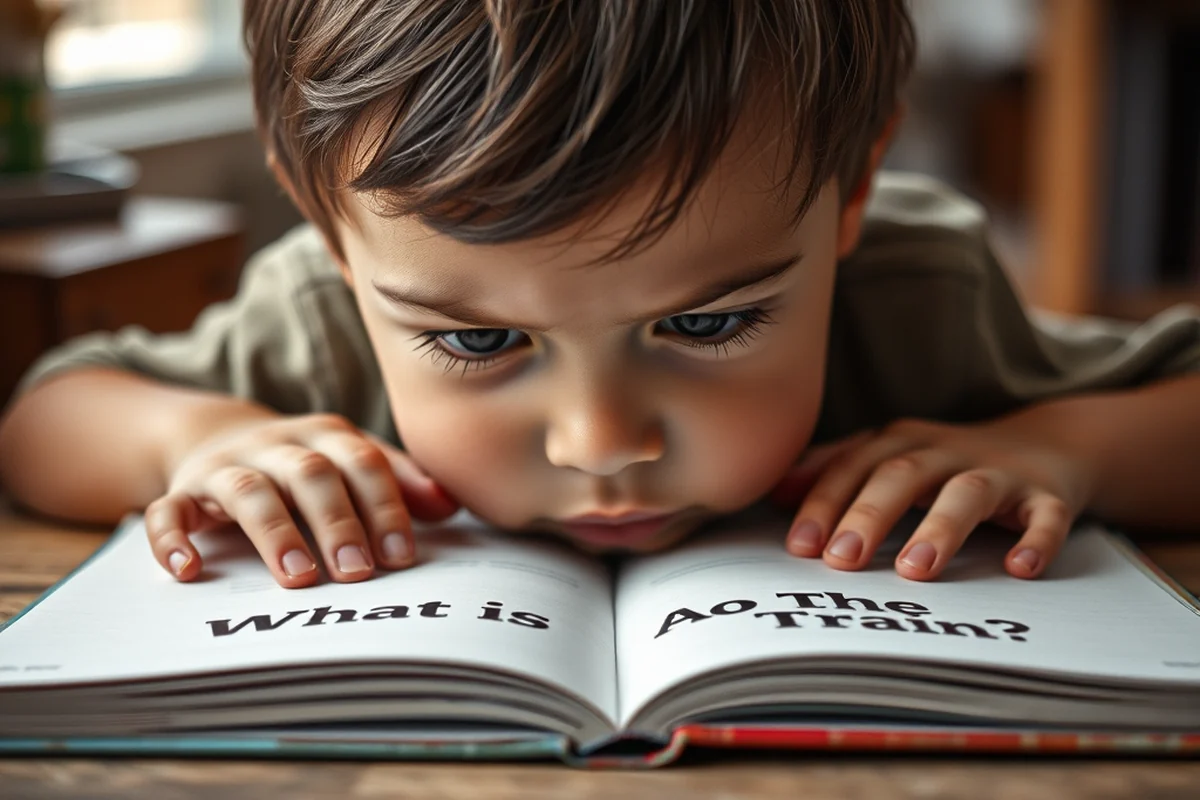
I was surprised to learn that the potty train isn't just a way to reduce the mess of diapers. It's about teaching your child that they can take care of themselves. It's a milestone that shows they're growing up, and it's a huge confidence booster for them.
When my son finally used the toilet on his own, I felt like I'd been waiting for that moment forever. It wasn’t about a dry diaper — it was about pride and accomplishment. He had done something on his own, and it felt like a huge win for both of us.
I’ve also noticed that the potty train helps with self-regulation. Kids who are on the potty train tend to be more aware of their bodily needs and more in control of their impulses. It’s an early lesson in responsibility.
The potty train isn’t just a step toward independence — it’s a step toward confidence.
Related: Potty training diapers
How to Start the Potty Train
I found that the best way to start the potty train is by preparing your home and your child for the change. I bought a training potty and placed it in a visible spot. I also made sure to talk about it in a positive way — I would say things like, 'This is where you go pee-pee and poop-poop now!'
I made a point to not make it feel like a big deal. I didn’t rush the process or pressure him. Instead, I let him explore the training potty at his own pace. That meant he could sit on it, look at it, even play with it — and that was okay.
One of the most important things I did was to create a positive environment. I used a special word, like 'potty time,' to signal when it was time to use the toilet. I also used a chart with stickers to encourage him — every time he used the potty, he got a sticker, and after a few days, we celebrated together.
Make the potty train a fun and positive experience by using a special word, a chart with stickers, and a training potty in a visible place.
“I still remember the first time my son sat on the potty train — not the one with wheels, but the one that taught him…”— Pottydays editors
Related: Potty training tips for parents
Common Mistakes Parents Make on the Potty Train
I made a few mistakes myself on the potty train, and I've seen others do the same. One of the biggest mistakes is rushing the process. I tried to get my son to use the toilet before he was ready, and it didn’t work. He became anxious and even started having accidents again.
Another mistake is using punishment or shaming if your child has an accident. I learned the hard way that this doesn’t help — it only makes the potty train feel like a chore. Instead, I started to be more encouraging, even when accidents happened.
I’ve also seen parents try to use the potty train as a way to control their child’s behavior. That doesn’t work, and it can lead to resistance or even a regression. The potty train should be about support, not control.
Related: Potty training books for toddlers
How Long Does the Potty Train Take?
I found that the potty train took about a month for my son, but other parents have told me it took longer. It all depends on the child and the approach. Some kids learn quickly, while others take more time.
I’ve also heard that it can take up to three days before your child actually goes from the training potty to the real toilet. That’s not uncommon — it’s a big step, and it takes time. I remember the first time my son used the real toilet, and I was so proud of him.
I’ve also learned that consistency is key. If you start the potty train and then stop, it can make the process longer. It’s important to stick with it, even if it takes a few weeks or months.
Related: How to potty train a kitten
The Benefits of a Successful Potty Train
I’ve seen the benefits of a successful potty train firsthand. My son now uses the toilet on his own, and it’s made life so much easier for both of us. There are no more surprises, and I don’t have to change diapers as often.
I’ve also noticed that a successful potty train helps with self-regulation and responsibility. My son is more aware of his needs, and he’s also more confident in his ability to take care of himself.
One of the biggest benefits is the sense of accomplishment. When a child successfully completes the potty train, they feel proud of themselves, and it’s a huge confidence booster. It’s a milestone that shows they’re growing up, and it’s something to celebrate.
The potty train is more than a step toward independence — it’s a step toward confidence.
Related: Potty training regression
What to Do if the Potty Train Doesn’t Work
I’ve seen parents get frustrated when the potty train doesn’t go as planned. It can be disheartening to see your child not making progress, but it’s important to stay calm and reassess. If the potty train isn’t working, it’s not always the child’s fault — sometimes it’s just a matter of timing.
One of the things I’ve learned is that it’s okay to take a break from the potty train if it’s not working. Sometimes, a child needs more time to be ready, and forcing the process can make it more stressful. It’s better to wait and try again when the child is more prepared.
I’ve also learned that it’s important to be flexible. If one approach isn’t working, try a different method. Maybe your child needs more encouragement, or maybe they need a different setup. There are many ways to approach the potty train, and it’s important to find the one that works best for your child.
🧸 Gentle Potty Train
A relaxed approach that focuses on building confidence and trust, with no pressure or time limits.
🚀 Fast-Track Potty Train
A more structured approach that uses rewards and consistency to speed up the process.
🧳 Travel/away-from-home Potty Train
An approach that prepares your child for using the toilet in different places, such as at a friend’s house or while traveling.
👶 Multiples Potty Train
A strategy that works for parents with more than one child, using similar methods and resources for each child.
🔄 Regression Reset Potty Train
A method used when a child has regressed in their potty training, helping them get back on track.
| The mistake | Why it happens | The fix |
|---|---|---|
| Rushing the potty train | Rushing the potty train can make your child feel anxious and lead to setbacks. | Wait for your child to show signs of readiness before starting the potty train. |
| Using punishment for accidents | Using punishment for accidents can make the potty train feel like a chore and increase anxiety. | Be encouraging and positive, even if there are accidents. Celebrate the small victories instead. |
| Trying to control your child during the potty train | Trying to control your child can lead to resistance and make the potty train feel more like a battle. | Be supportive and flexible. Let your child take the lead and make decisions about when and how they want to use the toilet. |
| Giving up too quickly | Giving up too quickly can make the potty train feel like a failure and discourage your child from trying again. | Be patient and persistent. If the potty train doesn’t work, reassess and try a different approach when the child is more ready. |
What Is A Potty Train
Common Questions
What if my child is not ready for the potty train?
How long does the potty train usually take?
What should I do if my child has an accident after the potty train?
Can I use a training potty for the potty train?
References
- s Potty Chart - | dcps (dcps.dc.gov)
- Toilet Training Procedures For Individuals With Developmental ... (hhs.texas.gov)
- Overview: Potty training - InformedHealth.org - NCBI Bookshelf (ncbi.nlm.nih.gov)
- Potty Training a Child Who Had Prenatal Substance Exposure (raisingrelatives.ebci-nsn.gov)
Cite this guide
Pottydays (2026). What Is a Potty Train and How to Use It Effectively. https://pottydays.com/what-is-a-potty-train/
Feel free to cite or share this guide.
Potty Training Readiness Check
Seven-question potty-training readiness screen with a band and next steps.
Open it free →