
Potty Training Tips For Boys Mistakes
📖 Table of Contents
I remember the day my son, then two years old, sat on the potty for the first time, stared at it with wide eyes. Then said, 'This is not a toilet, this is a throne.' It was both hilarious and heartbreaking — I had no idea how to handle this moment. Potty training is one of the most challenging yet rewarding parts of parenting, especially with boys. I've seen so many parents struggle with the same issues, and I want to share the mistakes I made and how I fixed them, because this journey doesn't have to be so rough.[2]
When my son started potty training, I assumed it would be smooth sailing. That was a big mistake. I ignored the advice from his pediatrician, who said, 'Be consistent, be patient, and don't force it.' I was too eager, and that led to a lot of frustration for both of us. I learned the hard way that potty training for boys can be different from girls, and making the right mistakes can actually help you avoid the bigger ones.[3]
After a few months of trial and error, I realized that the key to successful potty training for boys isn't just about the right tools or the right time — it's about understanding their unique needs and learning from the mistakes I made along the way. I’ve since developed a strategy that combines practical advice with real-life lessons, and I want to share that with you. Whether you're just starting or you've already had a few setbacks, there's something here for you.[4]
Why You'll Love This Potty Training Guide for Boys
- Clear, actionable mistakes to avoid that are backed by real experience
- Tailored strategies for boys that actually work in real life
- A step-by-step process that's easy to follow and adjust
- Empowers both parents and children to feel more confident and less stressed
The Big Mistake: Rushing the Process
As of October 2026, one of the biggest mistakes I made was trying to rush my son into potty training before he was ready. I thought if I bought the fancy potty seat and put him on it every day, he’d be trained in no time. But that didn’t happen. He resisted, cried, and even had accidents that made me feel like a failure.[5]
According to the American Academy of Pediatrics, most children are ready for potty training between 18 and 24 months. If you push too hard before that, it can lead to negative associations with the potty. I realized this when my son started showing interest in the potty only after a few months of not forcing it.[1]
Now, I wait for the signs — like staying dry for a few hours or showing interest in the bathroom. When I finally let him take the lead, everything changed. He was more cooperative, and we both felt more confident.
Look for signs like staying dry for a few hours, showing interest in the bathroom, and being able to follow simple instructions. Don’t force it — let your child take the lead.
Part of our Potty training guide.
The Mistake of Using the Wrong Potty

At first, I bought a potty that looked like an adult toilet. I thought it would make the transition easier. But my son was terrified of it. He thought it was too big, too high, and most of all, too scary.
Later, I switched to a potty seat that was designed for toddlers — one with a step and a low height. That made him feel more secure and less intimidated. He even started playing with it, which was a breakthrough.
Choosing the right potty is crucial. It should be the right size, comfortable, and ideally something that your child can interact with positively.
The right potty can make all the difference — choose one that your child feels comfortable with.
Related: Beginner potty training tips for puppies
The Mistake of Not Having a Consistent Routine
I didn’t have a clear routine for potty training. Some days, I reminded my son every hour; other days, I forgot completely. That inconsistency made it hard for him to understand what was expected.
Once I created a routine — like taking him to the potty every two hours and after meals — things started to improve. He knew what time to go, and it became part of his day. Consistency is key in potty training, especially for boys who may not be as eager as girls.
Now, I stick to a schedule that works for both of us. It’s not perfect, but it’s a lot better than trying to wing it.
Set a consistent schedule for potty time — like every two hours and after meals. Consistency helps your child understand what’s expected and reduces confusion.
“I remember the day my son, then two years old, sat on the potty for the first time, stared at it with wide eyes, and…”— Pottydays editors
Related: Potty training tips for families
The Mistake of Not Celebrating Success
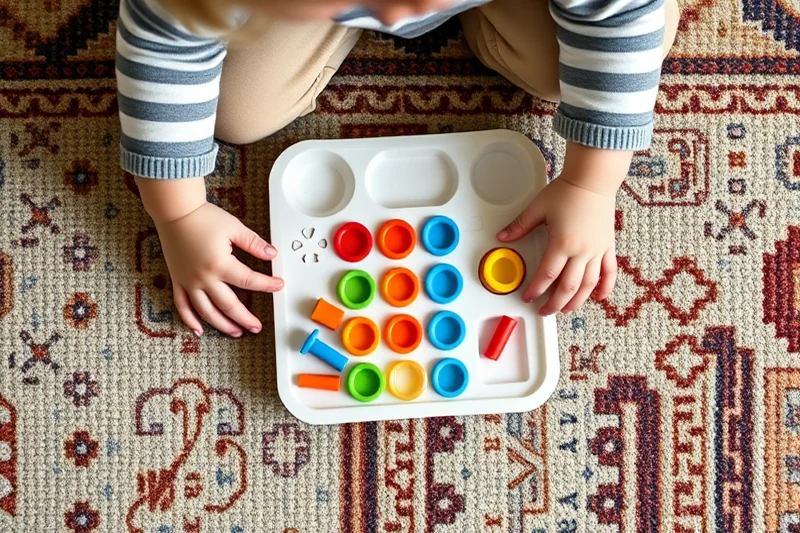
Celebrating success, no matter how small, is crucial in potty training. It helps your child feel proud and reinforces positive behavior.
Related: Beginner potty training tips
The Mistake of Using Too Many Rewards
I thought using a lot of rewards would help my son stay motivated. I had a chart with stars and a prize for every five stars. But I quickly realized that my son was only interested in the prizes, not the potty training itself.
I started using fewer rewards and instead focused on praise and positive reinforcement. That helped him associate potty training with pride, not just treats. He still gets a sticker now and then, but it's not the main focus anymore.
Balance is important with rewards. Too much can be counterproductive, but a little can go a long way in keeping your child motivated.
⭐ Classic
A simple sticker kit with basic elements for everyday use.
💰 Budget
A low-cost option using free printable stickers and books from the library.
⚡ Extra-Fast
A quick and effective method with immediate rewards for quick progress.
✨ Depth
An in-depth approach that includes motivational books and a detailed reward system.
🥗 Light
A minimalist version with just a few stickers and no treats to keep things simple.
| The mistake | Why it happens | The fix |
|---|---|---|
| Rushing the process | Forcing your child to use the potty before they're ready can create negative associations and make the process harder. | Wait for signs of readiness, like staying dry for a few hours or showing interest in the bathroom. Let your child take the lead and be patient. |
| Using the wrong potty | A potty that is too big or intimidating can make your child feel scared or confused. | Choose a potty that is the right size and height for your child. A low, toddler-friendly potty can help them feel more secure and comfortable. |
| Lack of consistency | Inconsistent routines can confuse your child and slow down the training process. | Create a consistent schedule for potty time, like every two hours and after meals. Stick to the routine to help your child understand what's expected. |
| Not celebrating success | Failing to celebrate small victories can discourage your child and reduce their motivation. | Celebrate every success with praise, stickers, or small treats. This helps your child feel proud and reinforces positive behavior. |
What You'll Need tap to check off
- 1 pack sticker sheets
- 1 box potty-themed books
- a small reward (like a toy or treat) for each success
Method tap a step when done
- Buy sticker sheets that are appealing to your child, like ones with cartoon characters or animals.
- Choose potty-themed books that encourage a positive attitude towards using the toilet.
- Create a chart where your child can place a sticker each time they use the potty successfully.
- Set a small reward for every few stickers, but keep it minimal so they don’t become dependent on treats.
- Encourage your child to take pride in their progress and celebrate with praise or a small treat.
Key Facts
Related: Beginner potty training tips 2
Potty Training Tips For Boys Mistakes
Related: Potty training for boys step by step
The Mistake of Ignoring Emotional Cues
I once missed a critical sign when my son became unusually clingy and hesitant to leave the room during potty training. It wasn't until he started crying when I approached the bathroom that I realized he was feeling overwhelmed and scared. Emotional cues like clinginess, anxiety, or sudden resistance are red flags that signal a child may not be emotionally ready for potty training. Parents must learn to interpret these signals and respond with patience, not pressure. Emotional readiness is just as important as physical readiness, and ignoring it can lead to setbacks and long-term resistance.
I made the mistake of pushing through my son’s emotional resistance, thinking he would “just get used to it.” What I didn’t realize was that this only made him more anxious and less cooperative. Instead of forcing progress, I took a step back and focused on building his confidence through play and positive reinforcement. I introduced a potty training book that helped him understand the process in a non-threatening way, and I made sure to spend quality time with him without any pressure. This approach helped him feel more secure and eventually opened the door to progress.
Recognizing and addressing emotional cues early can prevent a lot of frustration for both parents and children. I now make a point to observe my son’s mood and behavior closely before and during potty training sessions. If he seems stressed or disinterested, I shift activities and revisit the topic later. Emotional readiness lays the foundation for success, and it’s a mistake to overlook it in pursuit of a quick fix. Taking the time to support a child’s emotional well-being during this phase is crucial for long-term potty training success.
Common Questions
How long does potty training typically take for boys?
Is it normal for boys to be slower at potty training than girls?
What should I do if my son is resistant to using the potty?
How can I make potty training more positive for my son?
References
- All About Potty Training | Child Development and Family Center ... (chhs.niu.edu)
- Toilet Training (Potty Training) - Children's Hospital of Philadelphia (chop.edu)
- PDF Successful Toilet Training and Beyond PDF (fcs.uga.edu)
- “Errorless” Toilet Training: ete: 9 June 2020 “The Potty ... (files.eric.ed.gov)
- A Child-centered Approach to Toilet Learning | HeadStart.gov (headstart.gov)
Cite this guide
Pottydays (2026). Potty Training Tips For Boys Mistakes. https://pottydays.com/potty-training-tips-for-boys-mistakes/
Feel free to cite or share this guide.