
Potty Training Schedules Checklist
📖 Table of Contents
I remember the day my son finally sat on the potty without crying — it felt like a small victory that changed everything. Potty training is a journey that’s equal parts frustration and triumph, and if you’re not careful, it can feel like a never-ending maze. The key, I’ve learned, is not to wing it but to build a solid potty training schedule checklist that works for your family. This article is built from my own trial and error, and it’s designed to help you avoid the pitfalls that make potty training so stressful.
When we first started, I thought a few days of consistency would be enough. But I quickly realized that potty training is more than just sitting on a toilet — it’s about creating a routine, managing expectations, and knowing exactly what to do when things go wrong. My checklist became the anchor I needed, and it’s what turned our chaos into a manageable, even enjoyable process. Whether you're new to this or you’ve tried and failed before, this guide is for you.
I’ve created this potty training schedules checklist based on what worked for my own kids and what I’ve read from trusted parenting experts. It’s not a one-size-fits-all solution — that’s not how parenting works — but it’s a framework that you can adapt to your family’s unique needs. If you’re ready to take the guesswork out of potty training and start seeing progress, read on.[1]
Why You'll Love This Potty Training Schedules Checklist
- It reduces stress by providing a clear, step-by-step plan.
- It helps you avoid common mistakes that slow progress.
- It’s customizable to fit your family’s lifestyle and child’s personality.
- It gives you measurable goals to track success.
What Is a Potty Training Schedule Checklist?
As of August 2026, a potty training schedule checklist is not just a list of things to do — it’s a roadmap that helps you stay on track and avoid the pitfalls of inconsistency. I used mine to set specific times for bathroom breaks, track successes, and even prepare my child mentally for the process. It’s the kind of thing that can take the guesswork out of a chaotic phase that usually lasts weeks or even months.
When I first started potty training, I didn’t have a checklist. I just hoped my toddler would get it. But that approach didn’t work. Once I created a schedule that included time for sitting on the potty, a reward system, and even a way to measure progress, things began to change. The checklist made it easier for me to know exactly what to do, even when my child didn’t.
Your checklist should be tailored to your child’s personality and your family’s lifestyle. Some kids thrive on structure, while others need more flexibility. The checklist should reflect that balance. It’s not about perfection — it’s about setting your child up for success by providing a consistent, predictable path forward.
Use stickers or a calendar to track progress. My son loved seeing his name next to the days he successfully used the potty, and it kept him motivated.
Part of our Potty training routines schedules guide.
How to Build Your Potty Training Schedule
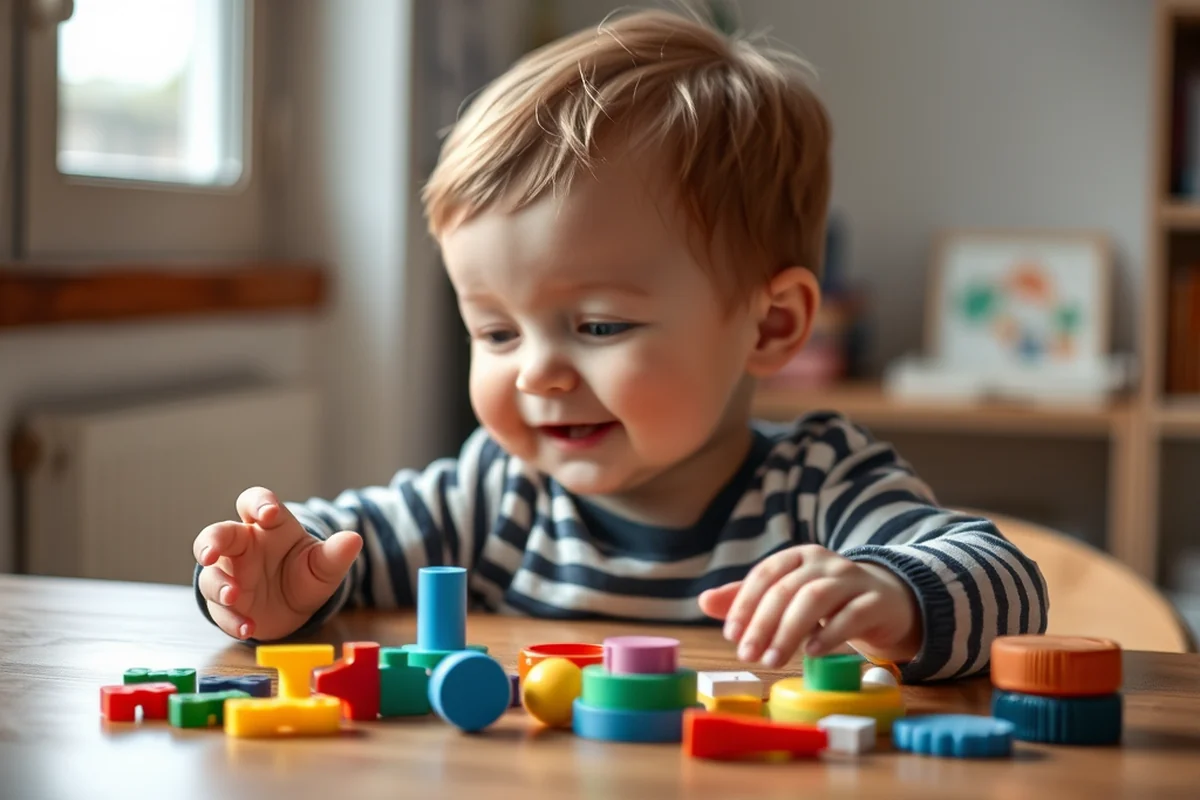
Start by setting a specific time for your child to sit on the potty each day, such as after breakfast or before bedtime. I found that doing this every day at the same time helped my toddler form a habit. It didn’t matter if he didn’t go — the routine was important.
Next, track progress using a checklist or a chart. I used a sticker chart with my son, and it worked wonders. Every time he sat on the potty, he got a sticker. When he successfully used it, he got two. It made the process feel like a game, and it kept him engaged.
Don’t forget to set realistic goals. I used to expect my toddler to be potty trained in a week — and that was unrealistic. Setting small, achievable goals helped me stay focused on progress, not perfection.
A schedule is just a guide — it’s the consistency that makes the difference.
Related: Potty training routines schedules mistakes to avoid
Related: Budget potty training schedules
Related: Potty training routines printable
Related: How to potty training routines
Related: Potty training schedules ideas
Related: Potty Training Schedules For Beginners
The Benefits of a Potty Training Checklist
One of the biggest benefits I found with a potty training checklist was the reduction in stress. I used to feel like a failure when my toddler had a setback. But with a checklist, I could see the progress he was making, even on days when things didn’t go perfectly.
Tracking progress with a checklist also helped me understand what was working and what wasn’t. For example, I realized that my son was more likely to go on the potty in the morning than the afternoon. That insight helped me adjust the timing of his bathroom breaks for better results.
A checklist also gives your child a sense of accomplishment. When they see their name on the chart or their sticker count go up, it reinforces their effort and encourages them to keep going. This is a powerful motivator that many parents overlook.
Include a section on the checklist for both successes and setbacks. This helps your child understand that setbacks are part of the process and not a failure.
“I remember the day my son finally sat on the potty without crying — it felt like a small victory that changed everything.”— Pottydays editors
Common Mistakes to Avoid With Your Checklist
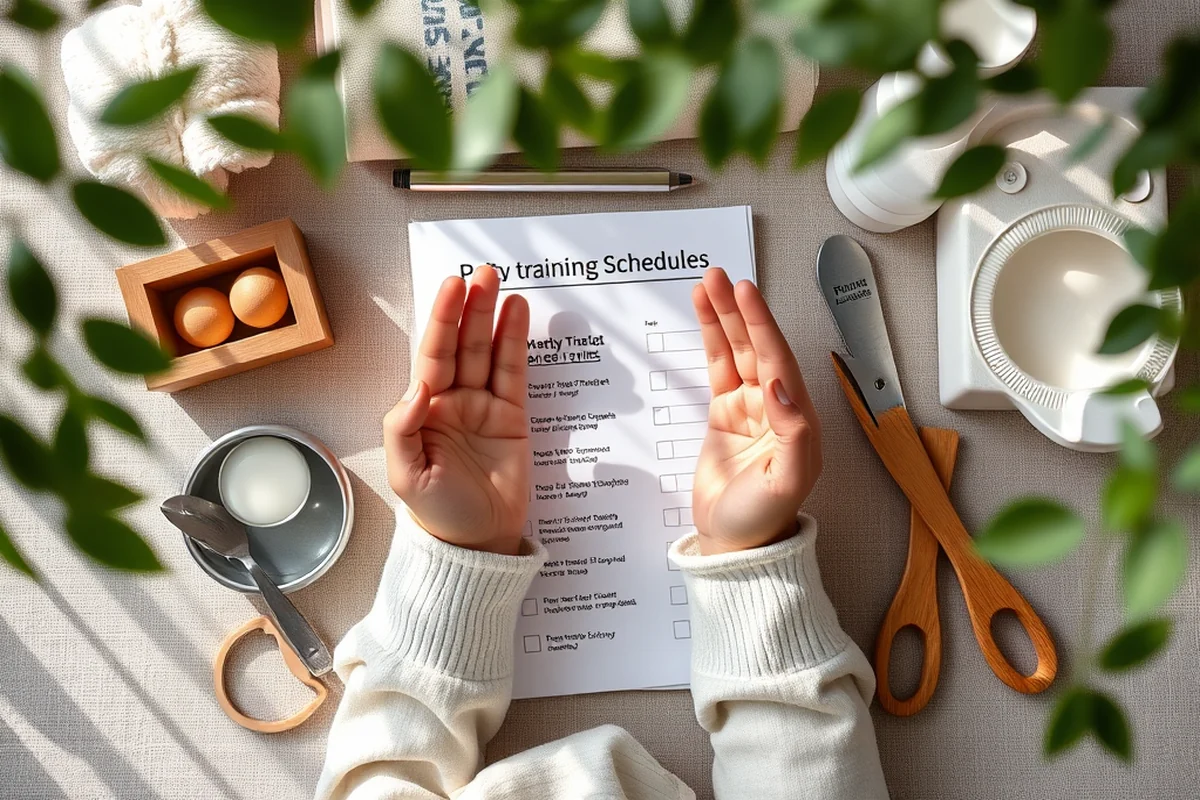
One of the biggest mistakes I made was being inconsistent with the schedule. I would sometimes skip a bathroom break or forget to track progress, and that disrupted the routine my toddler had started to build. Consistency is key — even if it means adjusting your schedule to fit your life, it’s better to be slightly late than completely off track.
Another mistake was over-relying on rewards. I used to give my son a treat every time he went on the potty, and while that initially worked, it didn’t teach him to use the potty for the right reasons. I had to adjust and focus more on praise and positive reinforcement instead of tangible rewards.
Finally, I realized that ignoring my child’s readiness was a major mistake. Some kids are ready earlier than others, and pushing them before they’re ready can lead to resistance and setbacks. It’s important to watch for signs that your child is ready and adjust the checklist accordingly.
How to Adjust the Checklist for Different Family Needs
Adjusting the checklist for your family’s needs could mean changing the timing of bathroom breaks to fit your daily routine or modifying the reward system to suit your child’s personality. For example, I had to adjust my checklist to accommodate my work schedule, which meant having my toddler sit on the potty at different times depending on the day.
If your child is shy or resistant to the idea of using the potty, you can modify the checklist to include more time for them to explore the potty without pressure. I found that letting my toddler sit on the potty for just a few minutes at a time, without expecting them to use it, helped them feel more comfortable over time.
Finally, consider adjusting the checklist based on the number of children in your family. If you have multiple kids, you might need to create a separate checklist for each child or use a shared checklist that tracks progress for all of them. This helps you stay organized and ensures each child gets the attention they need.
👶 Gentle Potty Training
A slow, pressure-free approach that prioritizes readiness and comfort over speed.
🚀 Fast-Track Potty Training
A structured, time-sensitive method that uses consistency and clear expectations to accelerate progress.
✈️ Travel Potty Training
A checklist tailored to help your child stay on track while on the go, with tips for airports and hotels.
👨👩👧👦 Multiple Child Potty Training
A checklist designed to help parents manage potty training for multiple children at the same time.
🔄 Regression Reset Potty Training
A revised checklist for when your child regresses and needs to re-establish their potty training habits.
| The mistake | Why it happens | The fix |
|---|---|---|
| Skipping the checklist when life gets busy. | Consistency is key, and skipping the checklist even once can disrupt your child’s progress and make them feel confused. | Try to maintain the routine even on busy days. If you can’t follow the checklist exactly, make sure your child still gets their bathroom breaks and positive reinforcement. |
| Using the checklist too rigidly without adjustments. | Children are different, and a rigid checklist may not work for every family or child. Being too rigid can lead to frustration and resistance. | Be flexible and adjust the checklist as needed based on your child’s progress and your family’s schedule. |
| Neglecting to track progress or celebrate successes. | Tracking progress is crucial for staying motivated and seeing how far your child has come. Neglecting this can lead to a lack of momentum. | Make sure to track progress using your checklist and celebrate small victories. Even a simple sticker or a high-five can make a difference. |
| Overlooking your child’s readiness and pushing too hard. | Pushing your child too hard before they’re ready can lead to resistance, setbacks, and a negative association with the potty. | Wait for signs that your child is ready, and adjust the checklist to match their pace and comfort level. |
Potty Training Schedules Checklist
Common Questions
How long should I follow a potty training checklist before adjusting it?
Should I use a reward system on the checklist?
Can I use the same checklist for multiple children?
How do I know when my child is ready for the potty training checklist?
References
Cite this guide
Pottydays (2026). Potty Training Schedules Checklist. https://pottydays.com/potty-training-schedules-checklist/
Feel free to cite or share this guide.