
Potty Training For Boys Step By Step
📖 Table of Contents
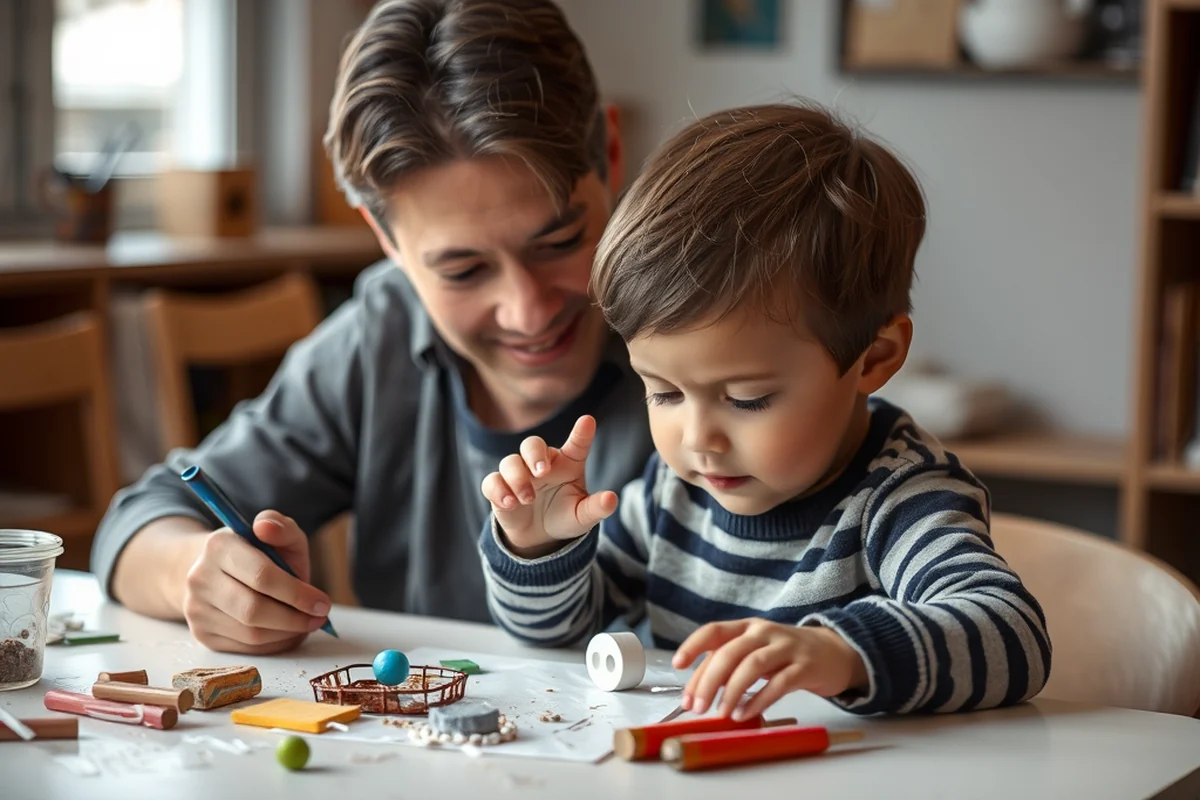
I remember the exact moment my son sat on the potty for the first time — it was 7:30 AM, and he was wearing his favorite dinosaur onesie. I had been preparing for this for weeks. Nothing could have prepared me for the sheer joy of watching him proudly say, 'I did it!' That moment, though small, marked the beginning of a journey that would change our lives. Potty training for boys step by step is not just about a milestone — it's about patience, consistency, and understanding the unique way each child learns.[1]
As a mom of two boys, I've walked the tightrope of encouraging progress without pushing too hard, celebrating every tiny success, and staying calm when the inevitable setbacks happened. Potty training for boys step by step is more than a guide — it's a roadmap through the emotional and physical challenges of this phase. Whether your child is 18 months old or two and a half, this journey is different for every family, and it's important to find what works best for your child and your lifestyle.[2]
There's no magic wand, no guaranteed timeline — just a lot of diapers, a few accidents, and the occasional meltdown. But if you're looking for a clear, hands-on approach that blends practical tips with emotional support, this is your place. Potty training for boys step by step is a process that can be made easier with the right tools, mindset, and, most importantly, love.
Why You'll Love This Potty Training Guide
- Step-by-step guidance tailored specifically for boys, with actionable tips that work for real-life situations.
- Real-world examples and experiences from a mom who has successfully trained two boys, offering insights you won't find in generic advice.
- Empowerment through practical, low-stress strategies that help both parents and kids feel confident during the process.
- A focus on emotional and psychological support for both children and parents, reducing anxiety and making the journey more enjoyable.
Why Potty Training for Boys Might Feel Different
As of October 2026, I noticed that my oldest son, who is now potty-trained, had a stronger resistance to the potty at first. He didn't like being in unfamiliar places and often preferred the toilet at home rather than the potty. This is not uncommon for boys, who may feel more self-conscious about their bodies and more hesitant to sit on a new surface.
Studies show that boys may take longer to be potty-trained than girls, possibly due to differences in motor skills and emotional development. For example, one study found that boys are more likely to be potty-trained after the age of two, compared to girls who may show readiness as early as 18 months.[3]
This doesn't mean boys are less capable — it just means they may need a different approach. I found that incorporating play and allowing them to choose their own potty (like a small throne) helped my son feel more in control and less resistant.
Pick a potty that feels like a toy to your child — colorful, with wheels, or shaped like a car. My son loved a potty shaped like a dragon, and it made him feel like he was playing, not going to the bathroom.
Part of our Potty training guide.
The Importance of Readiness Signs
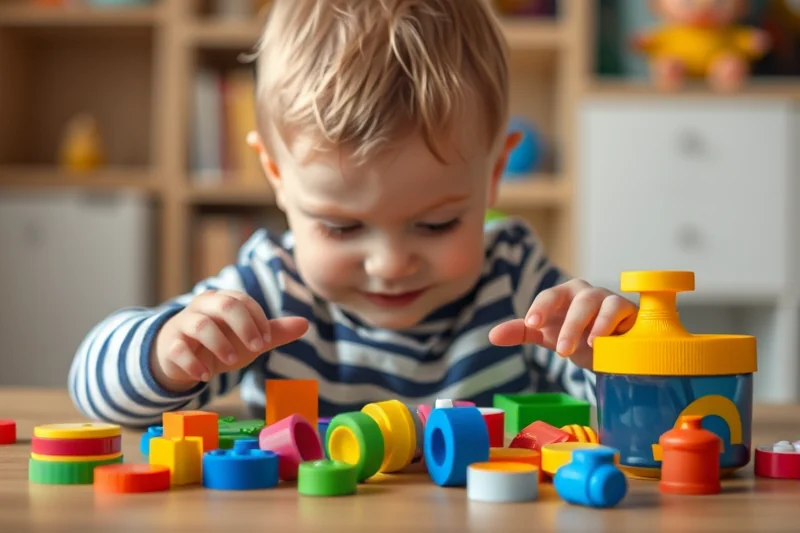
I remember when my son started showing signs of readiness — he was staying dry for longer periods, showing interest in the bathroom, and even trying to sit on the potty on his own. These small clues are important to catch early.
Readiness signs include staying dry for at least two hours, showing interest in the bathroom, and being able to pull pants up and down. However, for boys, these signs might appear later than for girls. According to the American Academy of Pediatrics, about 30% of boys are not potty-trained by age two, compared to 20% of girls.[4]
It’s crucial not to start training before your child is ready. I made the mistake of starting too early with my first son, and it led to a lot of frustration. Now, I wait for the signs, and it makes the process so much smoother.
Don’t rush the process — readiness is key.
Related: Potty training for small spaces
Creating a Positive Environment
I made a game out of potty training, using stickers and a chart that my son could see every day. He would get a sticker each time he used the potty, and after 10 stickers, he could choose a small toy. This made it feel like a reward and not a chore.[5]
I also introduced a potty training book that we read together every night. It helped my son understand what was happening and made the whole idea of using the potty less intimidating. I found that involving his older brother (who was already trained) helped too — he became a role model.
Creating a positive environment is about making the child feel supported, not criticized. I made sure to never scold him for accidents, and I celebrated every small success with high fives and hugs.
Use a reward system that your child loves, like stickers, a chart, or a favorite toy. I used a sticker chart, and it worked wonders for my son — it made him feel motivated to keep going.
“I remember the exact moment my son sat on the potty for the first time — it was 7:30 AM, and he was wearing his…”— Pottydays editors
Related: Essential potty training for beginners
Dealing with Setbacks
I remember when my son had a massive setback — after being dry for two weeks, he had a full-blown accident and cried for 20 minutes. It was hard not to feel frustrated, but I knew that setbacks are a normal part of the process.
I made sure to stay calm, explain that accidents happen to everyone, and never made him feel ashamed. I used this as an opportunity to teach him about responsibility and how to clean up after himself. It helped him feel more in control.
Setbacks can teach both parent and child important lessons about patience and perseverance. I found that remaining consistent and not giving in to frustration is key to long-term success.
Related: Potty training for toddlers checklist
When to Seek Help
If your child is over three years old and still not showing any signs of readiness, it may be time to consult a pediatrician. In some cases, there may be an underlying issue that needs addressing, such as a urinary tract infection or a developmental delay.
I spoke to my pediatrician when my son was three and still not showing any interest in the potty. He recommended a few simple strategies, like using a potty seat on the toilet, which made him feel more secure and confident.
Sometimes, a professional perspective can help you see things from a new angle and offer tailored advice that works for your child’s specific needs.
⭐ Classic
A traditional potty with no frills, designed for functionality and simplicity.
💰 Budget
An affordable potty made with durable, cost-effective materials.
⚡ Extra-Fast
A high-speed potty with quick-dry technology and easy-to-clean surfaces.
✨ Depth
A potty designed for deep seating and maximum comfort, ideal for older children.
🥗 Light
A lightweight potty that’s easy to move and suitable for travel or small spaces.
| The mistake | Why it happens | The fix |
|---|---|---|
| Starting potty training too early. | Starting potty training before your child is ready can lead to frustration, resistance, and setbacks. | Wait for signs of readiness, such as staying dry for longer periods and showing interest in the potty. |
| Using punishment for accidents. | Punishing your child for accidents can make them feel ashamed and lead to more anxiety around the potty. | Stay calm, explain that accidents are normal, and avoid any form of punishment or criticism. |
| Trying to force your son to use the potty. | Forcing a child to use the potty can create resistance and a negative association with the process. | Make the potty feel like a fun and positive experience, and let your child take the lead. |
| Not being consistent with the training. | Inconsistent training can confuse your child and lead to setbacks. | Be consistent with your approach and maintain a positive environment throughout the process. |
What You'll Need tap to check off
- 1 lb Soft, molded plastic
- ½ cup Waterproof fabric
- Adjustable straps, to taste
Method tap a step when done
- Select a soft, molded plastic potty that is appropriate for your child’s size.
- Ensure the potty is easy to clean and has a non-slip base.
- Add a waterproof fabric liner if needed, especially if your child tends to be messy.
- Install adjustable straps for comfort and safety.
- Introduce the potty to your child by letting them sit on it with their clothes on first, to get used to it.
- Encourage them to use it by making it a fun and positive experience, using games or songs.
Key Facts
Related: Potty training pants without tools
Potty Training For Boys Step By Step
Related: Potty train for puppy
Common Questions
How long does potty training for boys usually take?
What should I do if my son is resistant to the potty?
Is it okay to use a potty seat on the toilet instead of a separate potty?
How do I handle accidents without making my son feel ashamed?
References
- PDF Toilet Training Protocol (asdnetwork.unl.edu)
- PDF OH CRAP POTTY TRAINING EBOOK - beta.centralseminary.edu (beta.centralseminary.edu)
- Potty training success - Child & Family Development (canr.msu.edu)
- The Four Stages of Toilet Learning | Child Development and Family ... (chhs.niu.edu)
- Toilet Training (Potty Training) - Children's Hospital of Philadelphia (chop.edu)
Cite this guide
Pottydays (2026). Potty Training For Boys Step By Step. https://pottydays.com/potty-training-for-boys-step-by-step/
Feel free to cite or share this guide.