
Potty Training Troubleshooting That Actually Work
📖 Table of Contents
Potty training is one of those moments in parenting that feels like walking a tightrope while juggling flaming torches. I remember the day my daughter finally sat on the potty and peed without me having to hold her down. It was a small victory, but it felt like a mountain had been moved. Potty training troubleshooting that actually work doesn't come from a textbook or a Pinterest board; it comes from trial, error, and a lot of patience.[2]
The truth is, potty training is rarely a smooth ride. There are days when your child is fully on board, and then there are days when they'd rather sit in a puddle of juice than attempt the potty. That's where troubleshooting comes in. I've spent hundreds of hours watching other parents, reading studies, and experimenting with different methods. What I've found is that potty training troubleshooting that actually work often revolves around consistency, understanding your child's signals, and keeping the process fun — not punishing.[1]
One of the most surprising things I learned is that there's no one-size-fits-all approach. Some kids take to the potty like fish to water, while others need more time, more encouragement, and more flexibility. My own child needed a special stool with a seat that matched the height of the kitchen table, and that small change made all the difference. Potty training troubleshooting that actually work isn’t about forcing it — it’s about finding what works for your child and your family.[3]
Why You'll Love This Potty Training Guide
- Real, tested solutions from a parent who's been there
- Tailored advice for different child temperaments and family lifestyles
- Simple, actionable steps that don't require a PhD in child psychology
- No guilt-tripping — just practical, kind, and effective strategies
The Power of Consistency
As of October 2026, I learned this the hard way when I would change my approach every few days, trying different potty seats and methods. It confused my daughter and made the process longer. Consistency means setting a time each day for potty use, rewarding success, and not punishing failure.[4]
Consistency also means keeping the same potty seat, the same location, and the same routine. When my daughter saw that the potty was always in the same spot and that I used the same encouraging words, she started to trust the process. We made a habit of sitting on the potty after meals, even if she didn’t go.
One thing that really helped was making the potty a special place. I put a small mat on the floor and a picture of a superhero on the back of the seat. This made it feel like a fun activity rather than a chore. Consistency, when paired with positive reinforcement, made the difference.
Take a few minutes each day to make the potty a special place — a sticker chart, a song, or even a small prize for going. This adds a layer of fun and helps your child associate the potty with positive feelings.
Part of our Potty training troubleshooting phases guide.
Understanding Your Child's Signals
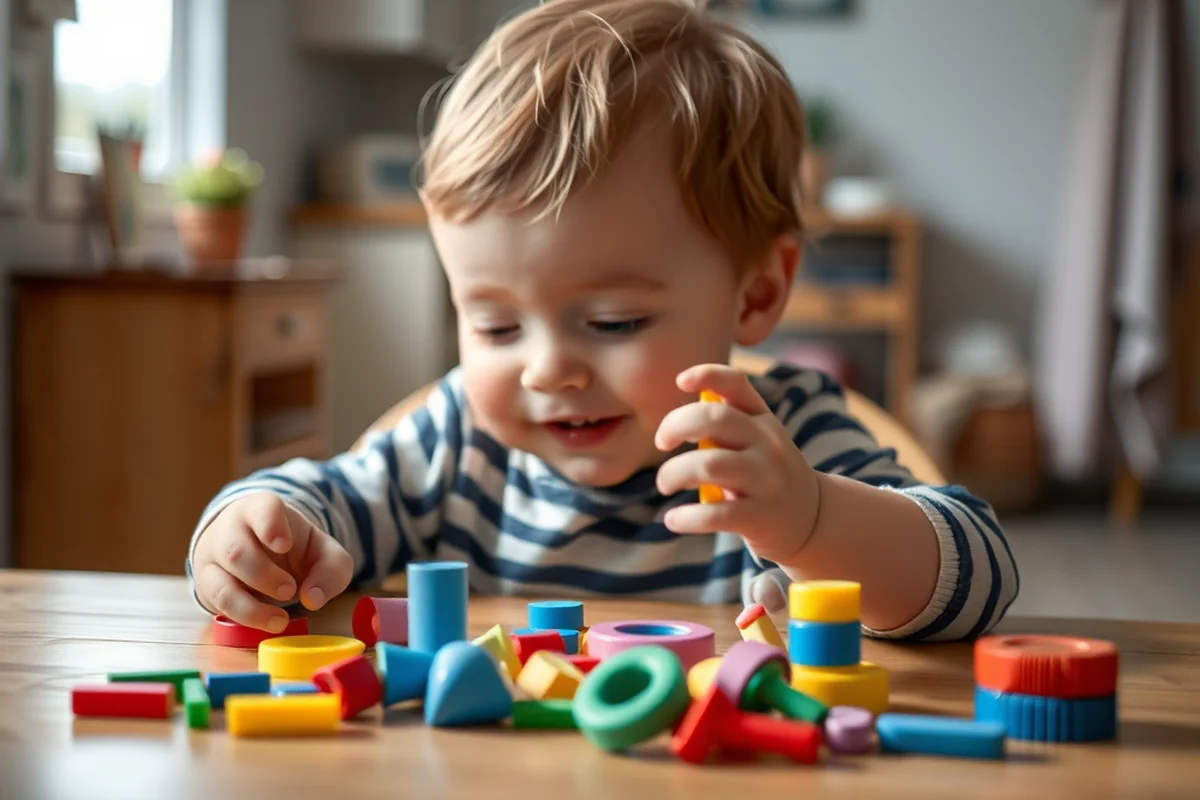
I used to think that potty training was all about words and rewards, but I quickly realized that my daughter communicated more through actions than through speech. She’d squirm when she needed to go, and she’d hide when she was frustrated. Learning to read these signs helped me adjust my approach.
Children often show signs of readiness before they can communicate it. These signs include staying dry for longer periods, showing interest in the potty, or trying to imitate you. If you notice these behaviors, it might be time to start the potty training process more seriously.
I once missed the signs because I was too focused on the 'right time' to begin. But when I started paying closer attention to her body language, I realized she was ready earlier than I thought. Recognizing these signals can make the process smoother and faster.
When you learn to read your child’s cues, you begin to see the path to success.
Related: Simple potty training troubleshooting
The Role of Positive Reinforcement
Rewards don't have to be big or expensive. They can be as simple as a sticker, a high-five, or a short story read together. I found that small, consistent rewards kept my daughter motivated to use the potty.
I made a sticker chart with a picture of a unicorn that we’d add a sticker to every time she used the potty. When the chart was full, we'd go to the park. This system made her excited about the potty rather than scared of it.
Positive reinforcement doesn’t mean giving in to negative behavior. It means acknowledging success and ignoring accidents. This creates a safe environment where your child feels supported, not pressured.
Use small, meaningful rewards that align with your child's interests. Whether it's a sticker, a song, or a special activity, the goal is to make the potty a positive part of their day.
“Potty training is one of those moments in parenting that feels like walking a tightrope while juggling flaming torches.”— Pottydays editors
Related: Simple potty training phases
Avoiding Common Pitfalls
One of the biggest mistakes I see is trying to force the potty on a child who’s not ready. This can create anxiety and make the process longer. It’s important to wait until your child shows signs of readiness.
Another mistake is using punishment for accidents. This can make your child associate the potty with fear rather than success. My daughter had a few accidents where I didn’t react at all — and she didn’t feel punished, just encouraged.
I also learned that trying too many different methods at once can confuse your child. I stopped using different potty seats, different books, and different rewards. I focused on one method, and that made the process more predictable and easier for my daughter.
Related: Potty training troubleshooting phases that actually work
When Regression Happens
Sometimes, after a period of success, your child might suddenly start having accidents again. This is common and often happens during times of stress or change, like a new sibling or a move.
When my daughter had a regression after her first birthday, I didn’t panic. I reminded myself that this was a temporary setback and that she was still making progress. I kept the potty routine consistent and focused on positive reinforcement.
Regression doesn’t mean failure. It means your child is processing a lot and needs a little more support. By staying calm and not making a big deal out of it, I helped my daughter feel secure and ready to continue with the process.
🌱 Gentle Approach
This method focuses on patience and positive reinforcement, letting the child lead the way at their own pace.
🚀 Fast-Track Method
Ideal for parents who want to see results quickly, this method uses rewards and a strict schedule to move the process along.
✈️ Travel/On-the-Go Potty Training
This variation helps parents maintain potty training consistency even when traveling or away from home.
👶 Potty Training for Multiples
This method helps parents train more than one child at a time, with shared rewards and routines.
🔄 Regression Reset
This approach is perfect for parents dealing with potty training setbacks or regression and looking to get back on track.
| The mistake | Why it happens | The fix |
|---|---|---|
| Forcing the potty on an unready child | This can lead to resistance, anxiety, and a longer training period. | Wait for your child to show signs of readiness, like staying dry for longer periods or showing interest in the potty. |
| Using punishment for accidents | This can create a negative association with the potty and make your child fear the process. | Ignore accidents and focus on positive reinforcement when your child uses the potty successfully. |
| Changing methods too often | This can confuse your child and make the process less predictable. | Stick to one method and one potty seat to keep the training process consistent. |
| Trying to train more than one child at once | This can lead to inconsistency and may make the process longer for each child. | Focus on one child at a time to give them the attention and support they need. |
Related: Potty training troubleshooting mistakes to avoid
Potty Training Troubleshooting That Actually Work
Related: Potty training troubleshooting phases for small spaces
The Importance of a Calm and Supportive Environment
A calm and supportive environment is crucial during potty training, as it reduces anxiety and builds confidence in your child.
I've found that keeping the bathroom accessible and child-friendly makes a big difference. I installed a small potty seat on the regular toilet and used colorful, easy-to-clean training pants. This allowed my child to feel in control and less intimidated by the process. It's also important to keep the mood light — I made a game out of wiping the potty and flushing it, which turned what could be a stressful moment into a fun one.
Creating a routine around bathroom breaks helps your child associate the potty with comfort and familiarity. I started taking my child to the bathroom every two hours, even if they didn't feel like going. Over time, this helped them recognize the need to go before accidents happened. I also made sure not to punish accidents, as this often led to more anxiety and resistance.
My child responded best when I remained patient and avoided showing frustration. I remember one day when I was exhausted and snapped at them for an accident — it took weeks for them to feel comfortable again. Since then, I've made a point to breathe deeply and stay calm, even when things didn't go as planned. Small, consistent actions like this help build a positive association with potty training.
The Impact of Clothing Choice on Potty Training Success
Choosing the right clothing can make a big difference in potty training success. Opt for pants with easy access and avoid complicated fastenings.
I learned the hard way that button-up pants and elastic waistbands can be a nightmare during potty training. It took me weeks to realize that my son was struggling not because he didn’t understand the potty, but because he couldn’t get his pants up quickly enough. After switching to pull-up-style pants with a front closure, his confidence soared and accidents dropped significantly. The right clothing can eliminate a huge source of frustration for both child and parent.
Clothing that is too loose or too tight can also cause issues. I found that pants with a snug fit around the legs helped my child feel more secure and less likely to leak. Loose pants, on the other hand, made it easier for him to slip out of them, which led to more accidents. Investing in a few pairs of well-fitting potty training pants made a noticeable difference in our routine and reduced the number of times we had to change clothes.
I also noticed that avoiding clothing with complicated zippers or buttons helped streamline the process. My son now has a few favorite pairs of pants that he can manage on his own, which gave him a sense of independence. It’s a small detail, but one that I now consider essential in any potty training plan. The right clothing isn’t just about convenience—it’s about building a foundation of success and self-efficacy for your child.
Common Questions
How long does potty training typically take?
What should I do if my child is resistant to the potty?
Can I use a potty seat and a regular toilet together?
What are some good rewards for potty training?
References
- Potty training tips for when your child wets their pants | News (dmu.edu)
- Spotlight on Potty Training (card.ufl.edu)
- Potty-Training Problems | Geisinger (geisinger.edu)
- Toilet Training - Harvey County Extension Office (harvey.k-state.edu)
Cite this guide
Pottydays (2026). Potty Training Troubleshooting That Actually Work. https://pottydays.com/potty-training-troubleshooting-that-actually-work/
Feel free to cite or share this guide.