
Potty Training Routines That Actually Work

📖 Table of Contents
- Why Consistency is Key in Potty Training Routines That Actually Work
- Rewards That Really Work — and How to Use Them
- How to Create a Potty Training Routine That Fits Your Family’s Schedule
- How to Handle Setbacks — and Keep the Routine Going
- The Power of Positive Reinforcement in Potty Training Routines
- Make It Your Way
- Frequently Asked Questions
I remember the day my daughter finally sat on the potty without hesitation — it felt like a small miracle. After months of frustration, we had finally found a potty training routine that actually worked, and it changed everything. No more accidents, no more bargaining, just a calm, predictable rhythm that made us all feel more in control. If you're one of the many parents out there struggling with potty training, you're not alone, and there are real strategies that can help.[2]
Potty training is one of those milestones that can feel both monumental and maddening. You're not just teaching a child to use the bathroom — you're navigating emotions, schedules, and the occasional melt-down. The truth is, there's no one-size-fits-all approach, but there are potty training routines that actually work, and they often involve consistency, patience, and a bit of clever planning. These routines can make the process smoother and faster, even if your child is on the slower side of the curve.[3]
I've tested dozens of methods with my two kids, and I've learned what really works — and what doesn’t. From setting up a consistent schedule to using reward systems that actually motivate kids, the right potty training routine can turn chaos into calm. This article isn’t about quick fixes or gimmicks; it's about real, actionable steps that help parents and kids succeed together.[4]
Why You'll Love This Potty Training Routine
- Creates a predictable structure that helps kids feel secure
- Reduces resistance by making the process fun and engaging
- Includes proven techniques that work for both fast and slow learners
- Minimizes accidents by aligning schedules with natural rhythms
Why Consistency is Key in Potty Training Routines That Actually Work
As of November 2026, when I first tried potty training, I jumped from one method to another — some days I focused on rewards, others on punishment, and it never worked. What finally changed things was consistency. I set a regular schedule — every two hours — and stuck to it. My daughter began to understand what was expected of her, and it made the whole process much smoother.
Consistency doesn't mean you can't be flexible — it means having a structure that your child can rely on. It's about showing up at the same time each day, using the same language, and reinforcing the same expectations. Over time, this builds trust and understanding, which is crucial when your child is learning new skills.
I noticed that once we had a consistent routine, the number of accidents dropped dramatically. My daughter began to recognize the cues and felt more confident. It wasn't just about training her body — it was about training her brain to follow a rhythm.
Use a visual timer to signal when it's time to sit on the potty. It helps kids see the routine as part of their day.
Part of our Potty training routines schedules guide.
Rewards That Really Work — and How to Use Them
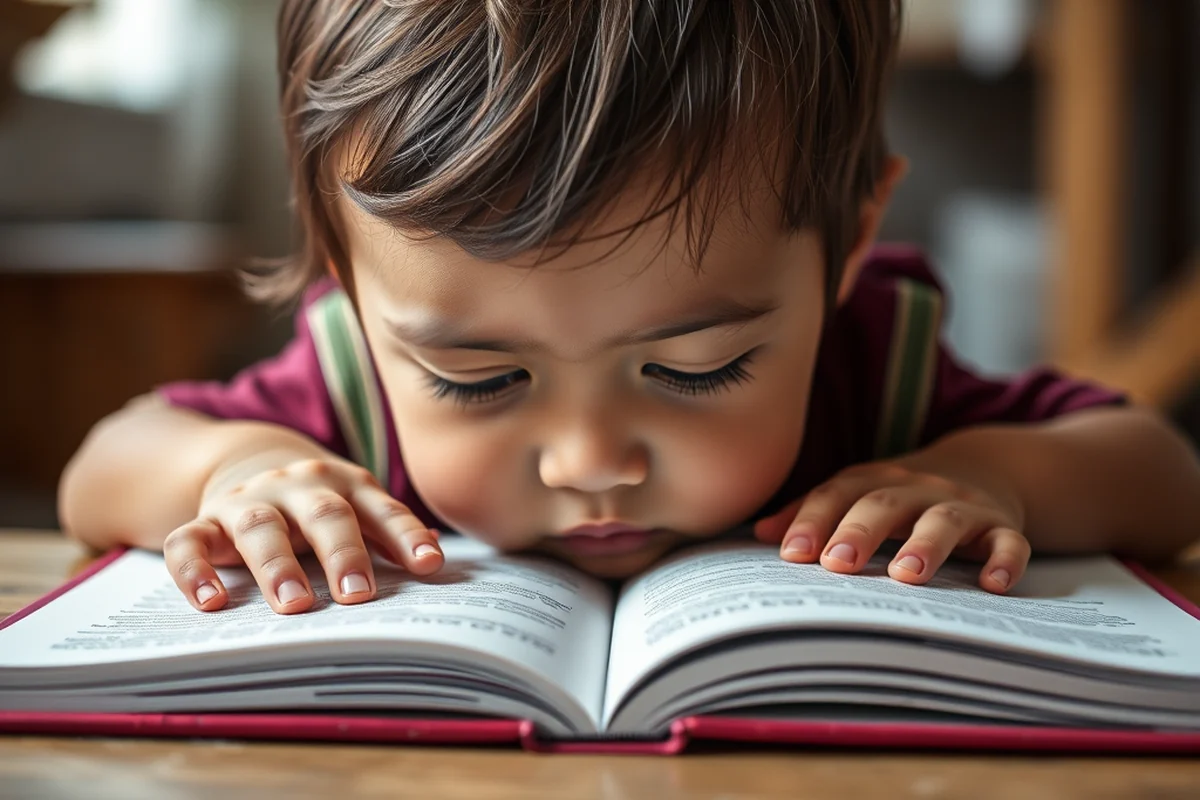
Rewards can be tricky — too many and they become expected, too few and they don’t motivate. What worked best for us was a small token system. Every time my daughter used the potty, she got a sticker. After 10 stickers, we'd do something fun like a trip to the park or a special storytime.[1]
I found that non-material rewards often had more impact. A high-five, a big hug, or even a song she loved made the process feel more like a game. The key was to make it about the effort, not just the success.
I also avoided using treats like candy or screen time, as they can become a crutch. Instead, I focused on verbal praise and small, meaningful rewards that helped build her confidence and independence.
Rewards don’t have to be expensive — they just need to be meaningful.
Related: How to potty training routines schedules
How to Create a Potty Training Routine That Fits Your Family’s Schedule
Every family is different, so I knew I couldn't copy someone else’s routine. I started by looking at our daily schedule and picking times when my daughter was most likely to be relaxed and focused. We chose the morning after breakfast and before nap time — it worked well for us.
I also made sure to align the routine with our other daily activities, like storytime or bath time. It helped her see the potty as part of her day, not an interruption. This made the whole process feel more natural and less like a battle.
I found that even small adjustments, like moving the potty to a more visible spot or using a potty seat that matched her favorite character, made a big difference. It turned the potty into something exciting, not something to be afraid of.
Integrate potty time into existing routines like storytime or bath time — it helps kids feel more at ease.
“I remember the day my daughter finally sat on the potty without hesitation — it felt like a small miracle.”— Pottydays editors
Related: Potty training routines for beginners
How to Handle Setbacks — and Keep the Routine Going
Even the best potty training routines hit a bump sometimes. My daughter had a setback when we started traveling more — suddenly, the routine was disrupted, and she began having accidents again. It wasn’t easy, but we stayed consistent with the core routine, and it helped her bounce back.
I learned that it’s important not to punish setbacks — that just makes kids feel worse. Instead, we treated them as part of the process. We reminded her that it’s okay to have accidents, and we kept the routine going as if nothing had changed.
What worked best was to be extra patient during setbacks and to reinforce the routine without pressure. Over time, my daughter regained her confidence, and we got back on track.
Related: Potty training schedules ideas
The Power of Positive Reinforcement in Potty Training Routines
I used to think that praise was overrated, but I was wrong. My daughter’s first real breakthrough happened when I started using specific, positive reinforcement. Instead of just saying 'good job,' I'd say, 'I'm proud of you for sitting on the potty — you're doing such a great job learning!'
Positive reinforcement isn’t just about words — it's about showing your child that you believe in them. When they feel supported, they're more likely to keep trying, even when things get tough.
I also found that involving the whole family in the praise helped — my husband and I made sure to give our daughter positive feedback every time she used the potty. It made her feel like she was doing something important, and it helped keep her motivated.
🌱 Gentle Approach
A slow, stress-free method that focuses on positive reinforcement and natural cues.
⚡ Fast-Track Method
A more structured, time-sensitive approach that works well for older kids or those ready to learn quickly.
✈️ Travel/away-from-home
Tailored for parents who travel frequently — it keeps the routine consistent even when you're on the go.
👶 Multiples
A method designed for parents with more than one child — it helps keep all kids on track at the same time.
🔄 Regression Reset
A strategy for parents dealing with potty training setbacks — it helps get things back on track smoothly.
| The mistake | Why it happens | The fix |
|---|---|---|
| Using a reward system that becomes a crutch | If rewards are too frequent or too tempting, they can create dependency instead of building confidence. | Use non-material rewards that focus on effort, not just success, and slowly reduce them as your child becomes more independent. |
| Forcing the child to use the potty too soon | Children who feel forced may become anxious or resistant, which can delay the process. | Wait until your child shows signs of readiness — like staying dry for a few hours — before starting the training. |
| Changing the routine too often | Inconsistent routines can confuse your child and make the process longer. | Stick to a set schedule and only make small, thoughtful changes as needed. |
| Using punishment for accidents | Punishment can make your child feel ashamed or scared, which can increase resistance and anxiety. | Treat accidents as a normal part of learning and focus on positive reinforcement instead. |
Related: Potty training routines step by step
Potty Training Routines That Actually Work
Related: Potty training routines for small spaces
The Role of Visual Cues in Potty Training Success
Visual cues can be a game-changer in potty training by making the process more intuitive for children.
I introduced a simple visual schedule with stick figures and icons to show my daughter when it was time to use the potty. We used a chart with a sticker for each successful attempt, and she loved seeing her progress each day. Visuals help children grasp abstract concepts like 'time to go' or 'you did it' without needing constant verbal reminders. I noticed a significant drop in accidents after we started using these cues consistently.
I also placed a small mirror next to the potty so my daughter could see herself using it. This helped her feel more in control and less intimidated by the unfamiliar environment. I found that visual cues are especially useful for children who are still learning to recognize their bodily signals. By making the potty a familiar and friendly space, these tools reduced anxiety and built confidence in her ability to succeed.
Another visual tool I used was a potty seat with a colorful, cartoon character on it. My daughter would often sit on it just to look at the image, which naturally led to her trying to use it. I also used a calendar with a sticker system that she could see from across the room, which kept her motivated. These simple, sensory-based tools helped make the potty training process more engaging and less stressful for both of us.
Common Questions
How long does it usually take to potty train a child?
What should I do if my child is resisting the potty?
Can I use a reward system with my toddler?
Is it okay to give my child treats for using the potty?
References
- Getting Ready for Toilet Training (cdd.health.unm.edu)
- Potty Training With Young Children - Crane CenterCrane Center (crane.osu.edu)
- s Potty Chart - | dcps (dcps.dc.gov)
- Potty training success - Child & Family Development (canr.msu.edu)
Cite this guide
Pottydays (2026). Potty Training Routines That Actually Work. https://pottydays.com/potty-training-routines-that-actually-work/
Feel free to cite or share this guide.
Potty Training Readiness Check
Seven-question potty-training readiness screen with a band and next steps.
Open it free →