
Potty Training Routines For Beginners
📖 Table of Contents
When I sat my then-2-year-old daughter on the potty for the first time, I was equal parts hopeful and terrified. It wasn’t the act of sitting down that scared me—it was the idea that she might not cooperate. Potty training routines for beginners are more than just a series of steps; they're a delicate dance of patience, timing, and understanding. I quickly realized that there’s no one-size-fits-all approach, but there are patterns that can guide you through the chaos.[1]
My first attempt at a routine was all over the place—sometimes we tried in the morning, sometimes at night, and I had no idea what to do when she refused. It took a few weeks of trial and error, but eventually, we found a rhythm. Potty training routines for beginners are about creating habits that fit your family's lifestyle, not about forcing a timeline. I learned that consistency, even in small doses, can make a big difference.
Now, when I see other parents struggling with the same challenges, I want to share what worked for us. Potty training routines for beginners are not just about getting the child to sit on the potty; they’re about building trust and confidence. It’s about creating a safe, supportive environment where the child feels empowered to take this important step. I still remember the exact day she said, 'I did it!'—and it was one of the proudest moments of my life.
Why You'll Love This Potty Training Guide
- Real, actionable routines tested in my own home
- Simple strategies that fit busy family schedules
- Tips to reduce resistance and build confidence
- A supportive framework for first-time pottiers
Choosing the Right Time to Start
As of August 2026, most parents begin potty training between 18 and 30 months, but it’s not a hard-and-fast rule. I started with my daughter at 22 months because she showed signs of readiness—like staying dry for longer periods and expressing interest in the potty. Starting too early can lead to frustration, while waiting too long might mean missing the window of opportunity. I recommend looking for signs like staying dry for two hours or more, showing interest in the bathroom, and being able to follow simple instructions.[2]
I remember being nervous about starting too early, so I watched for these signs closely. When my daughter began to point at the potty and say, 'I go potty,' I knew it was the right time. It’s not about forcing it—it’s about being ready. I also made sure we had a consistent routine, which made the process smoother for both of us.
It’s important to keep things relaxed. I didn’t rush her, and I made sure she felt in control. If you start too early, it can feel like a game, and if you wait too long, the child may resist. Finding that sweet spot is key. I started in the middle of the 18–30-month window, and it worked well for our family.[3]
Keep a log of your child’s behavior and note when they stay dry for two hours or more, show interest in the toilet, or use words like 'potty' or 'pee.'
Part of our Potty training routines schedules guide.
Creating a Consistent Daily Routine
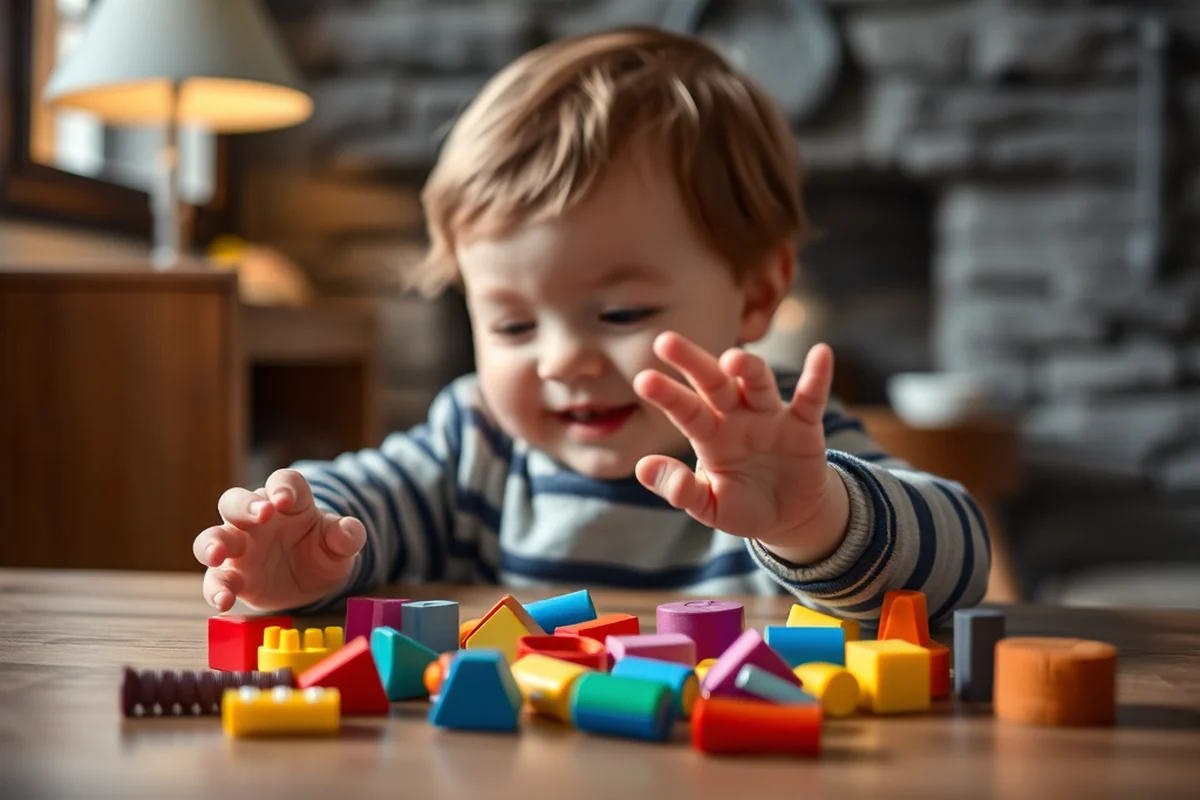
I created a daily routine that included potty time after meals, right before bedtime, and whenever my daughter showed signs of needing to go. I made it a game, and we sat on the potty together every day. This helped her feel more comfortable and less anxious about the process. Consistency helps the brain form new habits, so I kept it the same every day.
One of the most important parts of our routine was making it a normal part of the day. I didn’t treat it like something new or scary. Instead, I made it part of our morning and night rituals. I still remember how proud she was when she stayed dry all day and made it to the potty. It was a small victory, but it meant a lot.
I kept things simple and predictable. We always went to the potty at the same times, which helped my daughter feel in control. Consistency, even in small steps, was the key to our success. It’s not about perfection—it’s about showing up every day and making it part of the routine.
Consistency is the key to success in potty training.
Related: Potty training routines schedules guide
Related: Affordable potty training routines schedules
Related: Potty training routines schedules ideas
Related: How to potty training routines schedules
Related: Potty training routines schedules on a budget
Related: Potty Training Routines Schedules For Beginners
Making the Potty a Fun Place to Be
I decorated the potty with stickers and a small rug, and I made it a special place in our bathroom. I even bought a small reward chart, where we put a sticker every time she used the potty. It made the process feel like a game, and she was excited to participate. Turning the potty into a fun place helped reduce the anxiety that comes with new experiences.
I remember when my daughter first sat on the potty, and I was worried she might be scared. But the stickers and the colorful rug made it feel like a toy, not a task. I even bought a small book about potty training, and we read it together every night. It helped her understand what was happening and made the process feel less scary.
By making the potty a fun space, I created a positive association with using it. I didn’t force her to sit there, but I made it a place she wanted to be. It was all about creating a happy, supportive environment where she felt safe to try new things. That made a huge difference in our potty training journey.
Decorate the potty with your child’s favorite characters or colors, and make it a special place in the bathroom. Use stickers, small rugs, and books to create a positive environment.
“When I sat my then-2-year-old daughter on the potty for the first time, I was equal parts hopeful and terrified.”— Pottydays editors
Dealing with Accidents with Calm and Confidence
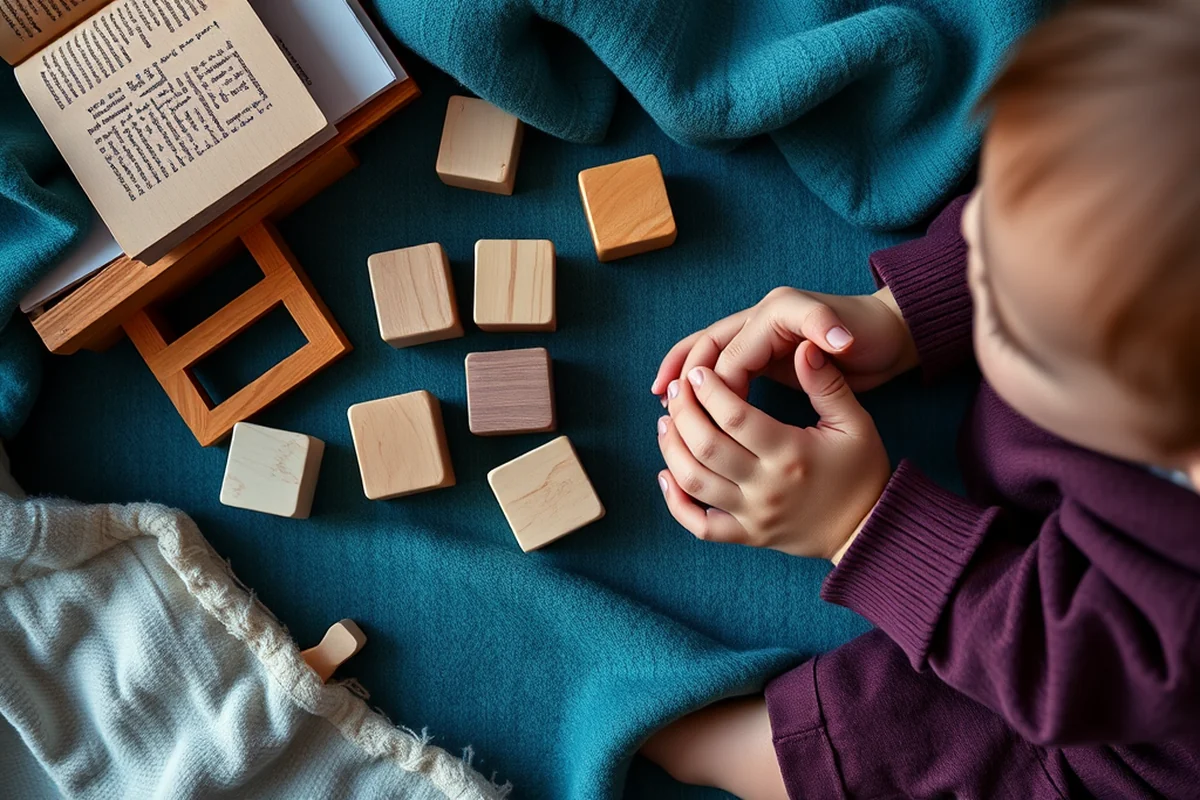
Accidents are inevitable, and I made sure to handle them with grace and understanding. I never scolded my daughter or made her feel ashamed. Instead, I treated each accident like a normal part of the process. I changed her clothes calmly, and I reminded her that it was okay to make mistakes. This helped her feel supported, not judged.
I remember one time when she had an accident right after I had just praised her for using the potty. I stayed calm and told her, 'It’s okay. We all have accidents sometimes.' I made sure she didn’t feel embarrassed. It was important for her to know that it was just a small setback, not a failure.
I kept a change of clothes in the bathroom, and I made sure to be prepared at all times. I never let an accident turn into a big deal. By staying calm and showing her that mistakes were normal, I helped her build confidence and reduce stress. It made the process smoother for both of us.
Encouraging Success with Positive Reinforcement
I used a reward system to encourage my daughter to use the potty. We had a chart where she could put a sticker every time she used the toilet successfully. After a week of consistent use, we went out for a treat, like an ice cream cone or a trip to the park. This helped her understand that using the potty was a positive thing.
I made sure to give specific praise when she used the potty. Instead of just saying 'good job,' I said things like, 'You did a great job using the potty all by yourself!' This helped her feel proud of her accomplishments. I also made sure to celebrate each small success, even if she didn’t make it to the potty every time.
Positive reinforcement helped build her confidence and made the process more enjoyable. I never used punishment or negative language. Instead, I focused on praise and celebration. It made the whole experience feel more like a game and less like a chore. That made a big difference in her willingness to try again.
🌼 Gentle Approach
This method focuses on gentle encouragement and patience, allowing the child to lead the way at their own pace.
⚡ Fast-Track Method
For parents who want to move quickly, this approach uses consistent routines and immediate rewards for success.
🧳 Travel/away-from-home
This method is ideal for families who travel a lot, focusing on portability and adaptability of the potty training routine.
👶 Multiples
Designed for parents of twins or siblings, this approach helps manage potty training for multiple children at once.
🔄 Regression Reset
This method helps parents reestablish potty training routines after a setback or regression.
| The mistake | Why it happens | The fix |
|---|---|---|
| Forcing the child to use the potty | This can cause anxiety and resistance, making the process harder for both parent and child. | Use gentle encouragement and make the potty a fun, inviting space. Let the child lead the way. |
| Changing the routine too often | Children thrive on consistency, and changing the routine can confuse and frustrate them. | Stick to a consistent schedule and avoid making sudden changes to the potty training process. |
| Using punishment for accidents | This can create shame and fear, leading to more resistance and a longer training process. | Stay calm and use positive reinforcement to encourage good behavior. Never punish for accidents. |
| Ignoring the child’s signals | Not recognizing signs of readiness can lead to unnecessary delays and frustration. | Watch for signs like staying dry for two hours or more, showing interest in the potty, and following simple instructions. |
Potty Training Routines For Beginners
Common Questions
What should I do if my child refuses to sit on the potty?
How long does potty training typically take?
What if my child has an accident during the day?
How can I help my child feel more confident about using the potty?
References
- Potty training: Learn More – Helping your child with ... - NCBI - NIH (ncbi.nlm.nih.gov)
- BIRTH THROUGH THREE - Oregon Judicial Department (courts.oregon.gov)
- Toilet Training: 12 Tips to Keep the Process Positive - HealthyChildren.org (healthychildren.org)
Cite this guide
Pottydays (2026). Potty Training Routines For Beginners. https://pottydays.com/potty-training-routines-for-beginners/
Feel free to cite or share this guide.