
How To Potty Training Routines
📖 Table of Contents
The first time my son sat on the potty without a diaper on, I was equal parts terrified and proud. It was a small moment, but it marked the beginning of a journey that would change our family dynamics forever. Potty training is more than just learning to use the bathroom — it's about building trust, creating habits, and setting the stage for independence. I've tried every method, from the gentle encouragement of a toddler to the more aggressive timing of an older child. I've found that having a clear, consistent routine is the difference between success and frustration.
I remember how my daughter would sit on the potty for 10 minutes with no results and then sprint to the bathroom, only to be met with a disaster. That's when I realized that potty training isn't just about the child — it's about the whole family's rhythm. A routine isn't just a schedule; it's the structure that gives both parents and kids a sense of security. I've tested different routines over the years, and I've noticed that the most successful ones are those that are flexible, yet firm. They're built on small, actionable steps that fit into the daily chaos of raising young children.
If you're reading this, you're probably in the middle of that chaotic yet beautiful phase of potty training. You've probably tried the ‘wait for the child to be ready’ approach and the ‘just do it’ method, and neither has worked. I get it — it's one of those phases that can feel like a never-ending loop of accidents, frustration, and a lot of cleaning. But I promise you, there's a way to make it easier. I'm not here to tell you to buy a special potty or pay for a course — I'm here to share the real, tried-and-true routines that worked for my family and others. That can work for yours.
Why You'll Love This Potty Training Routine
- It gives your child a sense of control and reduces anxiety around using the bathroom.
- It makes potty training more predictable, which helps both parents and kids feel more in charge.
- It reduces the number of accidents and helps you save money on diapers long-term.
- It sets the stage for future independence and healthy habits.
The Power of a Daily Potty Time
As of August 2026, I started with a daily potty time at 7:30 am and 4:00 pm, right after meals. It didn't matter if my child had no urge — the point was to teach them that the potty was part of their day, like brushing teeth or having breakfast. Within two weeks, my son began going on the potty more often, even when he wasn't scheduled. This became a key part of our routine, and it made the whole process easier for both of us.[1]
Consistency is the name of the game here. I found that if we skipped a day or moved the time around too much, it would disrupt the flow. So I stuck to the same time every day, even on weekends. I even set an alarm on my phone to remind me, because I know how easy it is to forget in the middle of a busy day. The key is to make it a non-negotiable part of your day, just like any other ritual.
I've seen so many parents struggle with this part — they're so focused on when the child is ready that they forget to create a schedule. But a daily potty time is one of the most powerful tools in the potty training toolkit. It gives your child a sense of control and helps them feel more confident in the process.
Pair the potty time with a fun activity, like reading a book or singing a song. This adds a positive association and makes the time feel more like a game than a task.
Part of our Potty training routines schedules guide.
How to Use Rewards Strategically
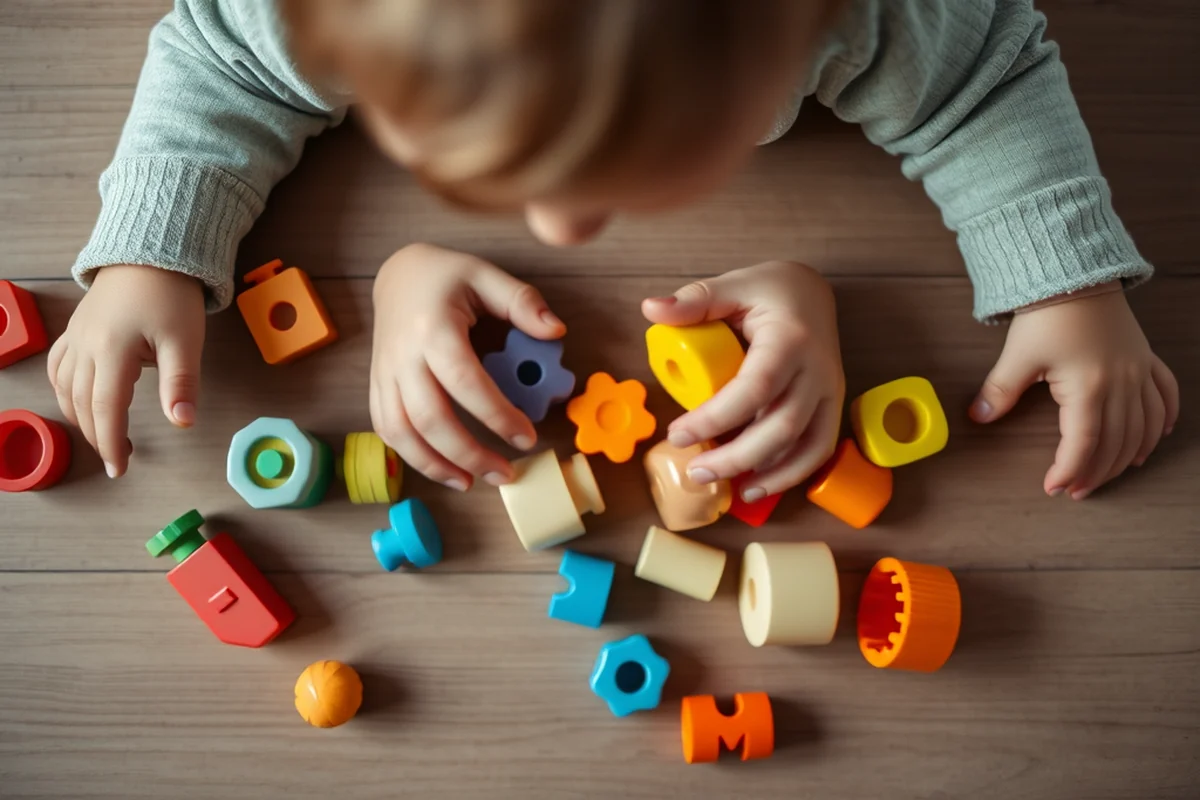
I used a sticker chart for my daughter — every time she used the potty, she got a sticker. After 10 stickers, she got a small reward, like a trip to the park or a new book. It worked for her because it gave her a sense of accomplishment and progress. But I made sure to never use food or money as the reward — that's where it can get messy.[2]
The key is to make the reward something your child truly loves and that’s easy to give. It doesn’t have to be expensive or elaborate. I’ve seen parents use stickers, points, or even simple praise. The most important thing is that the child feels proud of themselves and that the reward is tied to their effort, not just the outcome.
One of the mistakes I see often is when parents forget to remove the reward once the child is fully potty trained. That can lead to a regression or the child expecting a reward for every use. So I recommend starting with a reward system and gradually phasing it out as your child becomes more confident and independent.[3]
“Rewards are like training wheels — they help your child get started but should be removed once they’re ready to ride on their own.”
Related: Potty training routines schedules step by step
Related: Simple potty training routines
Related: Budget potty training routines
Related: Potty training routines schedules guide
Related: Potty training routines schedules ideas
Related: Potty Training For A Girl
What to Do When Things Go Wrong
One of the hardest parts of potty training is dealing with accidents. I remember when my daughter had a huge accident on the floor, and she was so embarrassed that she ran out of the room. It was a tough moment for both of us, but I made sure not to yell or scold her. Instead, I calmly helped her clean up and reminded her that accidents happen to everyone.
I’ve also seen parents give up after a few setbacks. That’s when I learned that it's important to be patient and not take it personally. Accidents are a normal part of the process, and the key is to stay calm and not let them become a source of stress. If things get too overwhelming, it's okay to take a short break and revisit potty training in a few weeks.
One of the most helpful things I did was to create a ‘potty success’ chart where we celebrated every small victory. It helped both of us stay positive and reminded us that progress, even if slow, is still progress.
When accidents happen, take a deep breath and remind yourself that this is a normal part of the process. Let your child know that mistakes are okay and that you're proud of them for trying.
“The first time my son sat on the potty without a diaper on, I was equal parts terrified and proud.”— Pottydays editors
What to Buy (and What Not to Buy)
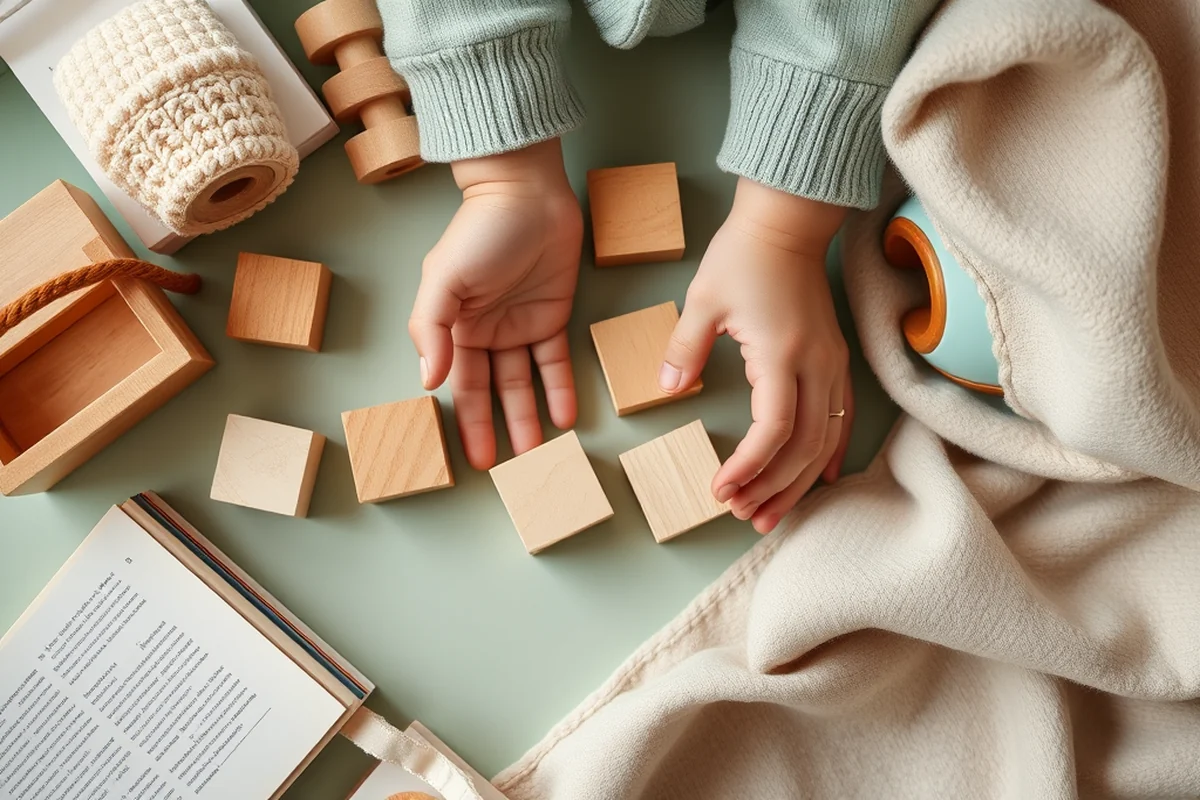
I started with a potty seat that fit over our regular toilet — it was a game-changer. It gave my toddler a sense of security and made it easier for her to sit and use the toilet. I also bought a few extra pull-ups in case of accidents, but I found that they were only used a couple of times.
Other things I recommend are a potty book, a small wipe container, and a few fun stickers or toys to keep your child entertained during potty time. I avoided buying a separate potty for the bathroom because it felt too much like a ‘training’ tool and not part of the family routine.
One of the most expensive mistakes I made was buying a potty that didn't fit our toilet. It took me weeks to figure out that it was the wrong size and that I had to return it. So I recommend measuring your toilet first and looking for a potty seat that fits securely.
The One Rule That Changed Everything
That rule was: never punish your child for accidents. I know it sounds simple, but it's one of the hardest things to do when you're in the middle of a messy accident. I had to remind myself that punishment only creates fear and can make your child more anxious about using the toilet.
Instead of scolding or yelling, I focused on staying calm and helping my child clean up. I'd say something like, 'Oops! That's okay. Let's clean it up and try again.' This helped my kids feel safe and supported, even when things didn’t go perfectly.
I've seen so many parents use punishment as a way to get their child to use the potty, but the truth is, it backfires. The child becomes scared of the potty and more likely to have accidents. Instead, focus on positive reinforcement and never let your child feel ashamed for trying.
🌸 Gentle Approach
This method focuses on creating a relaxed, positive environment for your child to explore the potty at their own pace.
⚡ Fast-Track Method
Ideal for parents who want to move quickly through potty training and establish a routine as soon as possible.
✈️ Travel/On-the-Go Potty Training
This approach helps your child stay consistent with potty training even when you're away from home.
👶 Potty Training for Multiples
Tailored for parents with more than one child, this method helps you manage potty training for multiple kids at once.
🔄 Regression Reset
This method is designed for parents who are dealing with a potty training regression and need to get back on track.
| The mistake | Why it happens | The fix |
|---|---|---|
| Using punishment for accidents | It creates fear and can make your child more anxious about using the toilet. | Instead of punishing, stay calm and help your child clean up. Reinforce positive behavior with praise. |
| Changing the potty time too often | It disrupts the routine and makes it harder for your child to build a habit. | Stick to the same potty time each day, even on weekends or holidays. |
| Buying too many unnecessary potty training items | It can be expensive and overwhelming for your child and family. | Invest in a few key essentials, like a potty seat and some wipes, and avoid buying items that aren’t necessary. |
| Forcing your child to use the potty before they're ready | It can create resistance and make your child more reluctant to try. | Wait until your child shows signs of readiness, like staying dry for longer periods or showing interest in the bathroom. |
How To Potty Training Routines
Common Questions
What if my child refuses to sit on the potty?
How long does potty training usually take?
Can I use a potty seat for a child who’s already using the toilet?
What should I do if my child is scared of the potty?
References
- Potty Training Story Book (jobs.jacksonms.gov)
- Potty Training Reward Chart Printable - Printable Study Planner (fwd.iws.edu)
- Title 922 Chapter 2 Regulation 120 • Kentucky Administrative ... (apps.legislature.ky.gov)
Cite this guide
Pottydays (2026). How To Potty Training Routines. https://pottydays.com/how-to-potty-training-routines/
Feel free to cite or share this guide.