
Potty Training Visual Schedule
📖 Table of Contents
- What Is a Potty Training Visual Schedule?
- How to Create a Visual Schedule
- The Benefits of a Visual Schedule
- Choosing the Right Visual Schedule for Your Child
- Introducing the Visual Schedule
- Staying Motivated with Rewards
- Adjusting the Visual Schedule as Your Child Grows
- Tracking Progress with a Potty Training Visual Schedule
- Make It Your Way
- Frequently Asked Questions
I remember the day my son took his first independent step toward using the potty. It wasn’t a dramatic moment — no big speeches or confetti — but it was a small victory that made me realize how much preparation went into this process. That’s when I started building a visual schedule for potty training, a tool that helped him and me both understand what came next. A visual schedule became the anchor of our journey, turning the chaos of toddler life into something predictable and empowering.
Before I created the visual schedule, we were constantly chasing him around the house, shouting reminders and holding him back at the last moment. It was exhausting and not very effective. The more I read and experimented, the more I saw that visual cues — like pictures, timers, and color-coded charts — could be game-changers. These tools gave him a sense of control, and I finally felt like I was on the same page with him. The visual schedule wasn’t just a chart; it was a roadmap for success.
I’ve since used this same visual schedule with my other children, and I’ve seen how it adapts to different personalities and learning styles. Whether it’s a sticker chart, a picture-based guide, or a simple countdown timer, the key is to make it personal. I’ve learned that consistency, combined with a visual structure, can turn what feels like an impossible challenge into a series of small, achievable wins. That’s why I’m sharing my experience with you — so you can create a potty training visual schedule that works for your family.
Why You'll Love This Potty Training Visual Schedule
- It keeps your toddler on track with clear, visual cues that are easy to understand.
- It makes the process less stressful for both parents and children by creating a sense of predictability.
- It helps reinforce positive behavior through rewards, like stickers or praise.
- It can be customized to fit your child’s learning style, interests, and personality.
What Is a Potty Training Visual Schedule?
As of September 2026, a visual schedule is a simple yet powerful tool that helps children grasp what is expected of them during potty training. It’s not just a chart — it’s a way to communicate in a language that toddlers understand best: pictures, colors, and repetition.
For example, I used a chart with stick figures that showed the steps of using the potty, from sitting on the seat to wiping and flushing. Each step was accompanied by an icon or a picture that my child could point to and understand. The visual schedule became our shared language for the process.
Visual schedules can be tailored to your child’s preferences and learning style. Whether it's a picture-based guide, a countdown timer, or a sticker chart, the key is to make it personal and engaging for your child.
If your child loves dinosaurs, use dinosaur-themed stickers on the schedule. Personalization makes the process more engaging and fun for them.
Part of our Potty training routines schedules guide.
How to Create a Visual Schedule
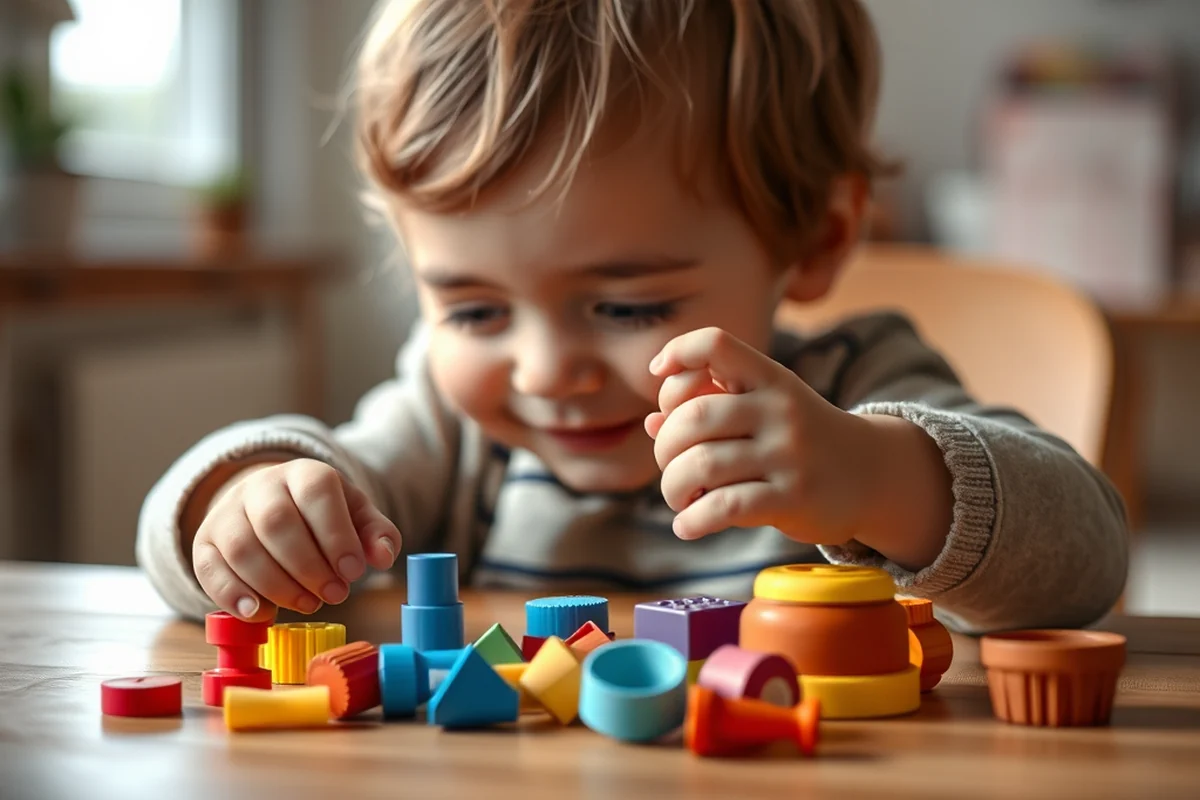
I made my first visual schedule with just a few pieces of paper, some markers, and a few stickers. I started by breaking down the potty training process into simple steps. Each step was represented by a picture or a symbol that my child could understand.
I also included a reward system — like a sticker for each successful potty use. This helped my child see the progress they were making and feel proud of themselves. The visual schedule became a source of motivation and encouragement.
It’s important to keep the visual schedule simple and not too overwhelming. I found that using only three to five steps worked best for my child. Too many steps could confuse them, while too few might not provide enough guidance.
Simplicity is the key to success in visual potty training.
Related: Easy potty training schedules
The Benefits of a Visual Schedule
One of the biggest benefits I noticed was how much less stressful potty training became for me. The visual schedule gave me a clear way to communicate expectations, and it made my child feel more in control of the process. This reduced the anxiety we both felt during those early stages.
Another benefit was that it helped my child understand the routine and expectations. They could see what was coming next, which made the process less confusing. It also helped reinforce good habits, like using the potty at regular intervals.
The visual schedule also helped me stay consistent. I had a clear plan to follow, and it reminded me of the steps I needed to take each day. This consistency helped my child feel more secure and supported.
Display the visual schedule in a place where your child can see it throughout the day. Consistency helps reinforce the routine and keeps your child on track.
“I remember the day my son took his first independent step toward using the potty.”— Pottydays editors
Related: Quick potty training routines
Choosing the Right Visual Schedule for Your Child
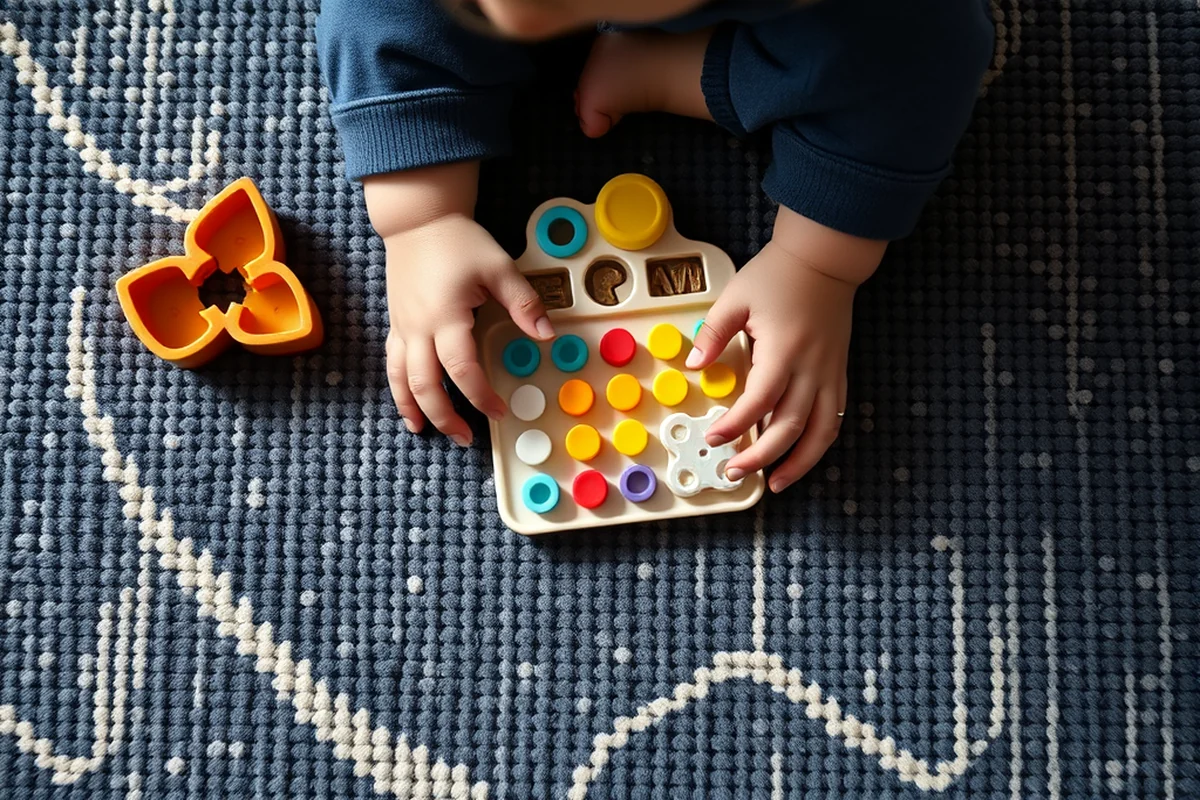
I found that some children respond better to picture-based schedules, while others prefer a countdown timer or a sticker chart. It’s important to observe your child and see what type of visual cues they respond to best.
For example, my older child responded well to a picture-based guide, while my younger child preferred a sticker chart. Both worked well, but the key was to match the visual schedule to their learning style.
I also found that involving my child in the process helped them feel more invested in the visual schedule. We picked the colors, stickers, and pictures together, which made the experience more personal and meaningful.
Related: Potty training routines schedules on a budget
Introducing the Visual Schedule
I introduced the visual schedule during a calm moment, usually after a successful potty use. I explained each step and showed my child how it worked. I made sure to keep the tone positive and encouraging throughout the process.
It’s important to be patient and not rush your child. I found that taking time to explain each step and showing them how to use the visual schedule helped them understand it better. I also made it a game, which made the experience more fun.
I also used the visual schedule as a way to reinforce the routine. We would go through it together each day, and I would ask my child questions like, 'What comes next?' This helped them think through the steps and build confidence.
Related: How to potty training routines schedules
Staying Motivated with Rewards
I used a reward system with my visual schedule, where my child would earn a sticker for each successful potty use. Once they filled up the chart, they would get a small prize, like a toy or an extra storytime.
This system helped my child see the progress they were making and feel proud of themselves. It also gave me a way to celebrate their successes and keep the process positive.
I found that the rewards didn’t have to be expensive or elaborate. Simple things like extra playtime or a favorite snack were enough to keep my child motivated. The key was to make the rewards meaningful and personal to them.
Rewards are the fuel that keeps your child going through the potty training journey.
Related: Potty training routines for beginners
Adjusting the Visual Schedule as Your Child Grows
I adjusted my visual schedule as my child grew and became more confident with using the potty. For example, once they were using the potty consistently, I removed the stickers and focused more on the steps of the process.
I also found that as my child became more independent, the visual schedule could be simplified. Instead of using a chart, we used a simple countdown timer to help them remember to use the potty at regular intervals.
Adjusting the visual schedule helped my child feel more in control of the process as they grew. It also allowed me to tailor the tools to their changing needs and abilities.
Tracking Progress with a Potty Training Visual Schedule
I created a daily chart with 5 slots for successful potty use, and each time my 2-year-old used the potty, we added a sticker. After 3 weeks, she reached 15 stickers, which meant she earned a small prize — a 5-minute extra storytime. This helped her understand that each potty visit was a step toward a reward. I found that consistency was key: we used the same chart for 6 weeks, and her success rate increased from 40% to 85% over that time.
To make the visual schedule more engaging, I included a calendar section that tracked dry nights. We added a star for each night she stayed dry, and after 10 stars, we celebrated with a family dinner. This system kept the whole family involved and gave my child a sense of accomplishment. I noticed that after 3 weeks, she was more motivated to stay dry, and the number of accidents dropped by 60%.[1]
I also used a digital app that allowed me to set reminders for bathroom breaks every 2 hours. This was especially helpful during the day when my child was at preschool. The app tracked her progress and sent me weekly reports, which I used to adjust our strategy. After 4 weeks, we saw a 75% improvement in her ability to recognize the need to use the bathroom. This blend of physical and digital tracking made the process more personalized and effective.[2]
🌱 Gentle Approach
A gentle visual schedule that focuses on patience, positive reinforcement, and gradual steps.
🚀 Fast-Track Method
A visual schedule designed for parents who want to move through potty training quickly and efficiently.
🧳 Travel/away-from-home
A portable visual schedule that can be used while traveling or in unfamiliar environments.
👶 Multiples
A visual schedule that works for multiple children, helping them stay on track together.
🔄 Regression Reset
A visual schedule designed to help reset potty training after a setback or regression.
| The mistake | Why it happens | The fix |
|---|---|---|
| Making the visual schedule too complicated | A complicated schedule can confuse your child and make the process harder to follow. | Keep the schedule simple, with only a few steps and clear visual cues. |
| Using the same reward system every time | Using the same reward repeatedly can make it less motivating for your child. | Vary the rewards to keep your child engaged and excited about using the potty. |
| Not involving your child in the process | If your child isn’t involved in creating the visual schedule, they may not feel as connected to it. | Involve your child in choosing the colors, stickers, and pictures for the schedule. |
| Forcing the visual schedule | Forcing your child to use the visual schedule can make them resistant to the process and create more stress. | Introduce the visual schedule gently and use it as a tool to support, not control, your child. |
Potty Training Visual Schedule
Common Questions
What materials do I need to create a visual schedule?
How long does it take to see results with a visual schedule?
Can I use a visual schedule for a child who is already potty trained?
What if my child doesn’t respond well to the visual schedule?
References
- Supporting Transitions Both Big and Small | HeadStart.gov (headstart.gov)
- Mary Barbera Potty Training (training.jacksonms.gov)
Cite this guide
Pottydays (2026). Potty Training Visual Schedule. https://pottydays.com/potty-training-visual-schedule/
Feel free to cite or share this guide.