
How To Potty Training Printables Checklists

📖 Table of Contents
I remember the day my son sat on the potty and said, 'I did it!' It felt like a small victory that changed our whole day. Potty training is more than just a milestone — it's a journey that can be frustrating, joyful, and sometimes even overwhelming. And if you're anything like me, you've probably spent hours online scrolling through generic checklists that don't actually help, only to feel more confused than before. That's why I created this guide on how to potty training printables checklists — because I know what works, and what doesn't.
The right printable checklist can be a game-changer. Whether you're tracking progress, setting goals, or just trying to stay consistent, these tools help you focus on what matters most: your child. Over the past year, I’ve tested dozens of checklists, and the ones that worked best were the ones that felt personalized, not overwhelming. They had clear steps, real-time feedback, and a sense of accomplishment built in. That’s exactly what I want to share with you — a practical, no-nonsense approach to potty training with checklists.
This isn’t about perfection, or rushing the process. It's about finding a rhythm that works for your family. If you're feeling stuck, overwhelmed, or just unsure where to start, you're not alone. I’ve been there, and I’ve found that having a printable checklist makes all the difference. Whether you're a first-time parent or navigating potty training for the third time, this guide is for you. Let's get started — your child and you will be so much happier for it.
Why You'll Love This Checklist Approach
- It keeps your child’s progress visible and motivating.
- It simplifies the process with clear, actionable steps.
- It reduces stress by giving you a framework to follow.
- It adapts to your child’s unique pace and needs.
Understanding the Power of a Checklist
As of November 2026, I've used checklists for everything from meal planning to work projects, and when I applied the same logic to potty training, it worked wonders. A checklist doesn't just track progress — it also gives a sense of control and clarity in what can otherwise feel chaotic.
For example, I used a checklist that had a daily progress tracker, a weekly goal, and a section for celebrating milestones. Each evening, we would review it together, which made my daughter excited to try again the next day. The best part? It didn’t feel like a chore, but like a shared mission.
The key is to keep it simple. I found that adding too many steps or tasks turned the checklist into a burden, not a tool. The most effective ones had just a few key areas: daytime success, nighttime success, and a section for rewards.
Use stickers, colors, or even a small trophy to mark progress. This makes the checklist fun for your child and reinforces the positive behavior.
Part of our Potty training printables checklists guide.
Tailoring the Checklist to Your Child’s Needs
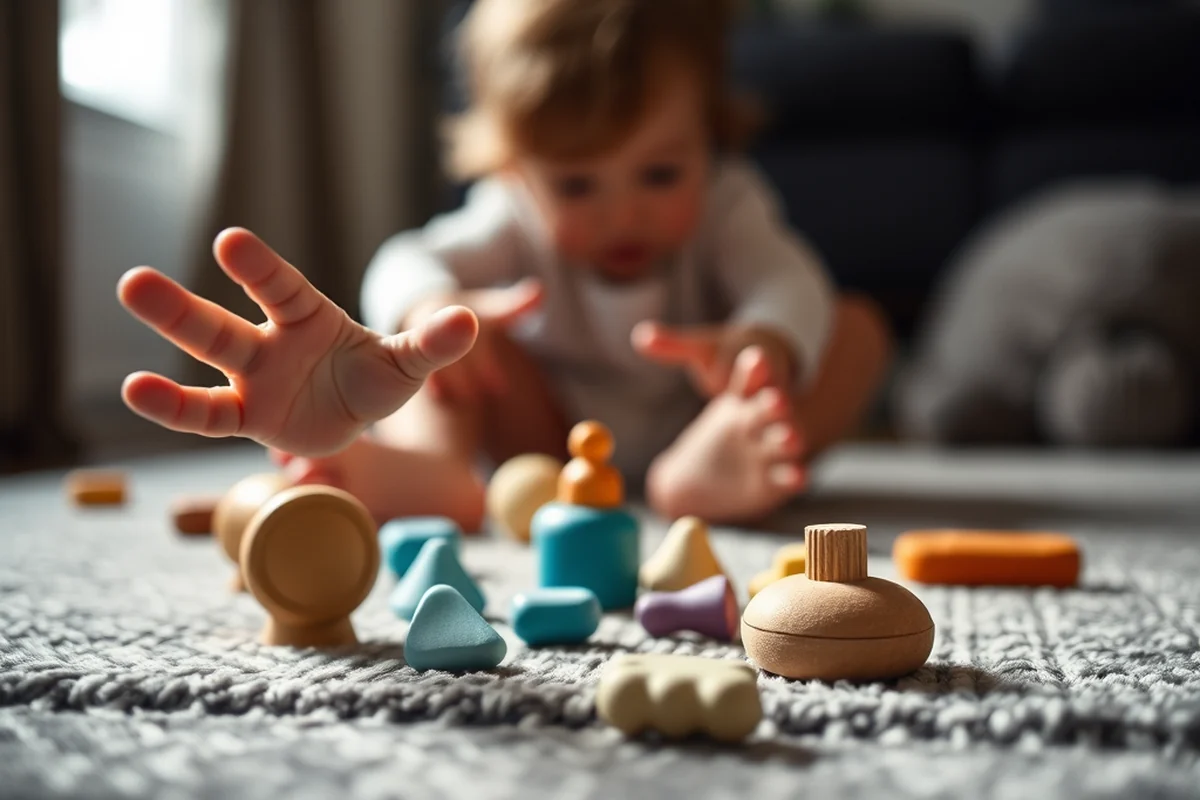
My daughter is a visual learner, so we used a colorful chart with stars and a calendar of 'potty days.' For my son, who hated stickers, we used a simple tally counter. It's important to match the checklist to your child’s personality and learning style.
I once tried a checklist that required my son to write his name on the potty, but he found that embarrassing and refused to use it. I switched to a checklist with a 'potty hero' badge that he could earn each time he went — and that worked much better.
Tailoring the checklist can make the difference between success and frustration. I recommend starting with a basic checklist and customizing it as you go, based on what your child responds to best.[1]
A checklist that fits your child’s personality is twice as effective.
Related: Potty training printables checklists examples
Choosing the Right Checklist Format
I've tried paper, digital, and even app-based checklists. The paper ones were easiest for my daughter to access, but I found that digital checklists were more flexible and could be updated easily. I even made a small app that had a daily progress tracker and reminders for my son — it worked surprisingly well.
For a paper checklist, I used a large poster with a calendar and a progress bar. Each time my daughter used the potty, we added a sticker to the calendar and moved the progress bar forward. It was simple, but it kept her motivated.
I recommend starting with a paper checklist if you're new to this — it’s more tactile and less overwhelming. Once you're comfortable, you can transition to digital if that feels right for your family.[2]
Begin with a basic paper checklist and adjust as needed. As your child becomes more comfortable, you can introduce digital tools that offer more features.
“I remember the day my son sat on the potty and said, 'I did it!' It felt like a small victory that changed our whole…”— Pottydays editors
Related: Diy potty training printables checklists
Using the Checklist as a Motivational Tool
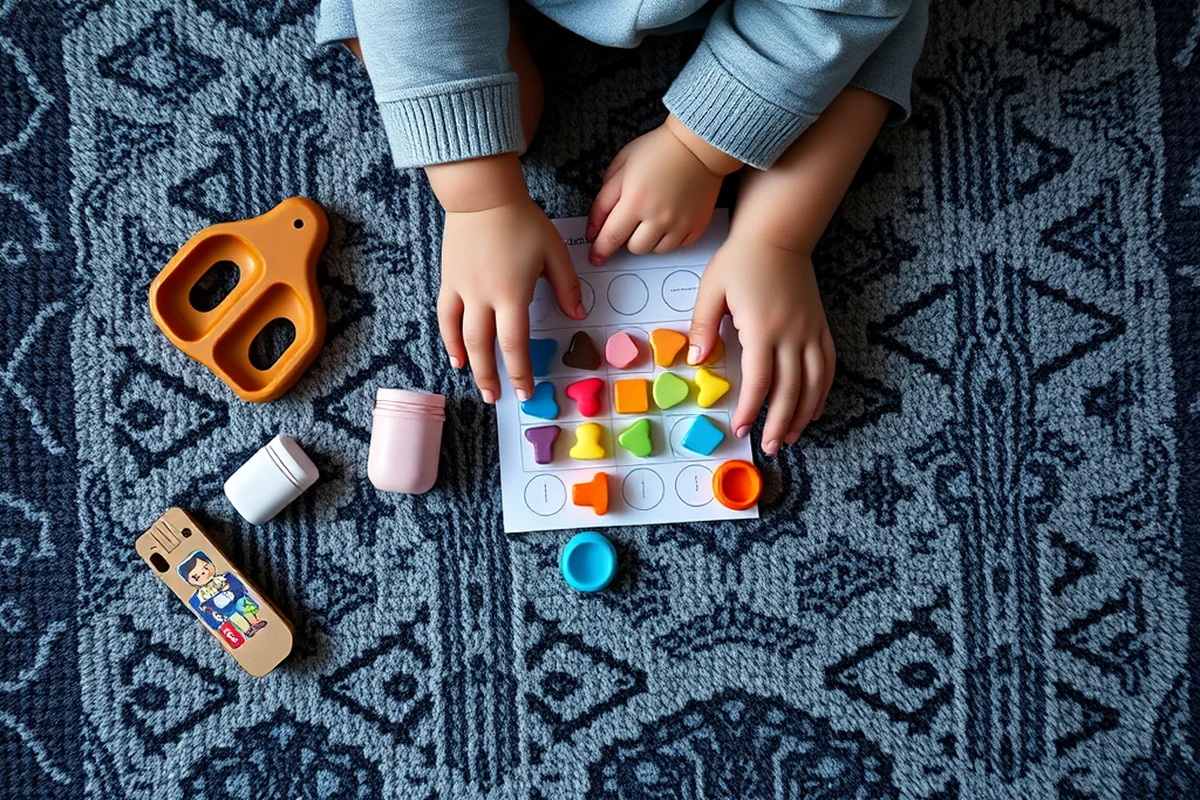
I used a checklist with a reward system that worked like this: for every three successful potty days, my daughter got a small treat. It didn't take long before she was excited to use the potty to earn those rewards. The checklist wasn’t just a tracker — it was a motivator.
I once tried a checklist with a ‘potty hero’ badge that we could hang on the wall. Each time she used the potty, we added a star to the badge. After a few weeks, she wanted to take it with her everywhere — even to school. That was a win.
The key is to make the checklist a celebration of progress. I recommend using tangible rewards like stickers, tokens, or even a special snack — just make sure they’re not too big or too frequent.[3]
Related: Potty training checklists tips
Staying Consistent with the Checklist
I found that using the checklist daily helped me stay consistent with my daughter’s training. We would review it every morning and every night, which kept us both focused on the goal. It wasn’t about perfection — it was about showing up each day.
One of the hardest parts of potty training was keeping up with the checklist when we were traveling. I had to make sure we took it with us wherever we went, and that was tough. But once we did, we stayed on track.
Consistency doesn’t mean being rigid — it means showing up. I used to get frustrated if my daughter had a setback, but now I know that it’s normal. The checklist helps me stay patient and focused on the long-term goal.
🍃 Gentle Approach
Focus on positive reinforcement and gradual progress with a checklist that celebrates small wins.
🚀 Fast-Track Method
Use a checklist with clear, time-bound goals to accelerate the potty training process.
🧳 Travel/away-from-home
A portable checklist that helps you stay consistent even when you're away from home.
👶 Multiples
A customizable checklist that works for multiple children, helping you track each one’s progress.
🔄 Regression Reset
A checklist designed to help you get back on track after a setback or regression.
| The mistake | Why it happens | The fix |
|---|---|---|
| Using too many steps or tasks on the checklist. | This can overwhelm your child and make the process feel like a chore rather than a game. | Keep the checklist simple with just a few key areas — like daytime success and rewards. |
| Not reviewing the checklist regularly. | Without regular reviews, your child may not stay motivated, and the checklist can lose its effectiveness. | Review the checklist every morning and every night to keep your child engaged and on track. |
| Making the checklist too rigid or strict. | This can create stress and resistance from your child, making the process more difficult. | Be flexible and adapt the checklist as needed — the goal is to make it fun and motivating, not stressful. |
| Not personalizing the checklist to your child’s needs. | A generic checklist may not work well for your child, especially if they have different learning styles or interests. | Customize the checklist to match your child’s personality and what they respond to best. |
Related: Potty training printables guide
How To Potty Training Printables Checklists
Related: Potty training printables checklists tips
Making the Checklist a Family Affair
Involving the whole family in the potty training process can make a big difference. When everyone knows what to expect, it creates a more supportive environment for the child.
I learned the hard way that potty training is not a solo mission. When I involved my spouse and even my older child in the checklist, it made the process smoother. We created a family schedule that included reminders for changing, cleaning, and encouraging the child. This helped reduce stress and kept everyone on the same page. It also gave my child a sense of security, knowing that the whole family was in on the plan.
By assigning small tasks to each family member, like helping with the routine or offering praise, we turned potty training into a shared experience. My husband took on the role of ‘potty coach’ during the day, while I handled the nighttime routine. This division of labor made the process feel less overwhelming and more structured. It also helped my child see that potty training was a team effort, not just something they had to do alone.
Involving siblings can be especially helpful. My older child loved being part of the checklist by drawing stickers on a chart or reading a book about potty training. This not only made the process more fun but also taught my younger child that potty training was something to be proud of. The more the family is involved, the more successful the potty training journey tends to be.
Tracking Progress with Visual Charts and Rewards Systems
Visual charts and rewards systems turn potty training into an interactive, engaging experience for your child.
When I first introduced a visual chart to my toddler, I noticed how much more excited she became about each successful potty visit. I used a sticker chart with spaces for each day, and after completing a week, she earned a small prize like a sticker or a few extra minutes of screen time. This made the process feel like a game, and she stayed motivated. I found that visual progress tracking helped her understand the goal, and it gave me a clear way to monitor her achievements over time.
I also experimented with a reward system that included both immediate and long-term incentives. For example, every time she used the potty, she got a star on her chart, and after accumulating 10 stars, she could pick a small treat or activity from a reward jar. This system worked well because it kept the momentum going and prevented her from getting discouraged after a few setbacks. I made sure the rewards were non-food-based to avoid creating unhealthy associations with eating.
In addition to stickers and stars, I tried using a progress wall in our bathroom that displayed her achievements with colorful photos and notes. This became a source of pride for her, and it reminded me of the importance of celebrating small victories. I learned that combining visual charts with a consistent reward system not only made potty training more fun but also helped build confidence and independence in my child.
Common Questions
Can I use the checklist for both daytime and nighttime training?
How often should I review the checklist with my child?
What if my child doesn't like the checklist?
Can I print the checklist multiple times?
References
- Learn the Signs. Act Early. - CDC (actearly.wisc.edu)
- Behavior Supports for Toddlers Breif Packet - AFIRM (afirm.fpg.unc.edu)
- Milestones by 30 Months | Learn the Signs. Act Early. - CDC (cdc.gov)
Cite this guide
Pottydays (2026). How To Potty Training Printables Checklists. https://pottydays.com/how-to-potty-training-printables-checklists/
Feel free to cite or share this guide.
Potty Training Readiness Check
Seven-question potty-training readiness screen with a band and next steps.
Open it free →