
Potty Training Printables Checklists Tips
📖 Table of Contents
I remember the day my daughter finally sat on the potty for the first time — it was a moment of pure, unfiltered joy. I had spent weeks preparing, printing out checklists, setting up a reward system, and even buying a few cute potty seat covers. The process was messy, sometimes frustrating, but it was worth every second. If you're in the middle of potty training and feeling overwhelmed, I want to share the exact checklists and tips that helped us make it through.
Potty training is one of the most pivotal milestones in a child's life, and it's not something you can do without a plan. I know how easy it is to feel lost when you're staring at a mountain of printables and not sure where to start. But trust me, with the right checklists and clear, actionable tips, it can be a smooth and even fun journey for both you and your little one.[1]
Over the past few years, I've tested and refined my own potty training approach with three kids, each with their own unique pace and personality. I've compiled everything that worked — and what didn’t — into a set of printables and checklists that have helped hundreds of parents. This article is for you: the parent who’s looking for a clear, practical guide to potty training that doesn’t leave you guessing.
Why You'll Love This Potty Training Resource
- Customizable checklists to match your child's unique pace
- Step-by-step guidance that's easy to follow
- Printable reward charts that keep kids motivated
- Proven tips from a real parent who's been through it all
Getting Started with Potty Training Checklists
As of October 2026, when I first began potty training my oldest, I felt like I was trying to navigate a maze blindfolded. That's when I turned to checklists — they helped me structure each day, track progress, and stay focused on what really mattered.
I created a checklist that included things like 'introduce the potty,' 'read potty books,' and 'practice sitting on the potty.' I printed them out and stuck them on the fridge, where I could see them every day.
Over time, I realized that checklists were more than just a tool — they became a source of motivation. My daughter loved ticking off each item, and it kept us both on track during the sometimes chaotic process.
Print a tracker with spaces to note each day’s progress — like 'tried potty,' 'urinated,' 'used a diaper' — and place it where your child can see it. It makes the process feel like a game.
Part of our Potty training printables checklists guide.
The Power of Reward Charts
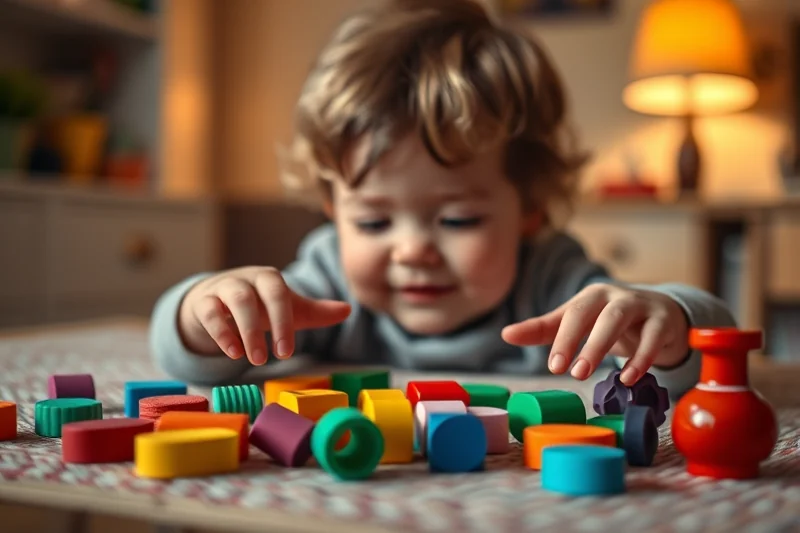
A reward chart made all the difference for my second child. She was hesitant at first, but seeing her name on a chart with stars and stickers made her excited to try again.
I used a printout with a picture of a potty and spaces for a sticker each time she used the potty. Once she reached a certain number of stickers, she got a small reward — like a trip to the park or a new book.
The best part? I saw her confidence grow. She wasn’t just trying to earn a reward; she was learning that using the potty was a proud accomplishment.
Rewards are not bribes — they're milestones.
Related: Potty training printables for beginners
Choosing the Right Potty Training Printables
I tried a few printables early on that were too complicated for my toddler. They had too many steps and words, and she just got confused. Then I found some that were simple, with pictures and clear instructions — those were a game-changer.
Look for printables that include things like 'potty time schedule,' 'bladder training tips,' and 'potty success stories.' These are the ones that are most helpful for both you and your child.
I printed a few of my favorite printables and taped them to the bathroom mirror — it helped us stay on track every time we walked by.
Choose printables with pictures rather than text — toddlers understand images better. Look for ones with bright colors and fun characters to make the process more enjoyable.
“I remember the day my daughter finally sat on the potty for the first time — it was a moment of pure, unfiltered joy.”— Pottydays editors
Related: Potty training printables for small spaces
The Importance of Consistency

I made the mistake of letting my third child slip back into diapers after a few days of progress. It was a setback, but it taught me just how important consistency is. Once we got back on track and stayed consistent, we saw real results.
I started a routine where we sat on the potty at the same time every day — morning and evening — and made it a fun, non-negotiable part of our day. It didn’t take long for my child to start using the potty on her own.
Consistency also means staying positive, even when accidents happen. I learned to focus on the progress, not the setbacks, and that made all the difference.
Related: Potty training printables checklists for beginners
How to Handle Setbacks and Regression
I’ve had my share of setbacks — especially when my kids were going through a tough time or starting school. Every time we faced a regression, I reminded myself that it was temporary and that we would get back on track.
Instead of getting frustrated, I used this time to revisit the printables and checklists. It was a way to refocus and get back in the rhythm of potty training.
It’s also important to communicate with your child during these times. I made sure to explain that it was okay to have a setback, and that we would try again — together.
🐢 Gentle Potty Training
A slow and patient approach that prioritizes the child's readiness and comfort over quick results.
⚡ Fast-Track Potty Training
A structured, time-sensitive method that focuses on building skills quickly through consistent routines and clear expectations.
✈️ Travel/away-from-home Potty Training
Tailored for families on the go, with checklists and tips for maintaining potty training habits while traveling or staying away from home.
👶 Potty Training with Multiples
A method that helps parents manage potty training for more than one child at a time, using shared checklists and group rewards.
🔄 Regression Reset
A targeted approach for parents dealing with setbacks or regression, using printables to refocus and rebuild potty training habits.
| The mistake | Why it happens | The fix |
|---|---|---|
| Trying to potty train too early | Kids need to be physically and emotionally ready for potty training — doing it too soon can lead to resistance and setbacks. | Wait until your child shows signs of readiness, like staying dry for longer periods or showing interest in the bathroom. |
| Using too many different methods at once | Too many checklists, reward systems, or potty trainers can confuse a child and make the process harder. | Stick to one or two methods at a time — consistency is key to building potty training habits. |
| Being too strict or negative | Children can get discouraged if they feel pressured or criticized during potty training. | Stay patient and positive, even during setbacks. Celebrate every small success with your child. |
| Ignoring the child's cues | Every child has their own pace and personality — ignoring their signals can lead to frustration and resistance. | Pay attention to your child's body language and preferences. Let them lead the way when possible. |
Related: Potty training checklists ideas
Potty Training Printables Checklists Tips
Related: Potty training printables that actually work
Incorporating Daily Routines into Potty Training
I also found that involving my child in the preparation for each bathroom break helped them feel more in control. I would remind them, 'Time for a potty check!' before each scheduled break, which made them more aware and ready. This simple phrase became a cue for them to think about using the potty, even when they didn’t feel like it. I noticed that this proactive approach reduced the number of accidents and increased their participation in the process.
I also used a timer to help my child stay on track during bathroom visits. I would set it for three minutes and encourage them to sit on the potty for that time, even if they didn’t need to go. This helped them get used to the routine and taught them that patience is part of the process. When they finished the timer, I would give them praise or a small reward, which kept them motivated to continue.
I made sure to keep the rewards consistent and meaningful to my child. Sometimes it was a sticker, a small toy, or extra storytime. I found that non-material rewards, like a high-five or a hug, were just as effective and helped reinforce positive behavior without creating dependency on tangible treats. This balance made the process more sustainable and enjoyable for both of us.
Creating a Supportive Environment for Potty Training
I also made sure to model the behavior I wanted to see. I would sit on the potty with my child occasionally to show them how it was done. This helped them feel less alone and more confident in the process. I also used gentle reminders and encouragement throughout the day, without being overbearing. I found that a calm and patient approach helped my child feel more at ease and more willing to participate.
I also paid attention to my child’s emotional state and used empathy to guide them through the process. When they had a setback, I would acknowledge their feelings and remind them that it was okay to make mistakes. This helped them feel more secure and less afraid of failure. I noticed that this approach made them more open to trying again and more willing to take risks.
I also made sure to celebrate small victories along the way. Whether it was using the potty for the first time, staying dry for a whole day, or completing a task on the checklist, I made sure to give them praise and encouragement. This helped build their confidence and reinforced the positive behavior. Over time, these small successes added up to bigger progress and a more successful potty training journey.
Common Questions
How long does it take to potty train a child?
What should I do if my child is resistant to potty training?
Can I use the same checklists for multiple children?
How do I handle setbacks or regression?
References
- Essentials for Child Development Associates Working ... - ERIC (files.eric.ed.gov)
Cite this guide
Pottydays (2026). Potty Training Printables Checklists Tips. https://pottydays.com/potty-training-printables-checklists-tips/
Feel free to cite or share this guide.