
Easy Potty Training Tips For Puppies
📖 Table of Contents
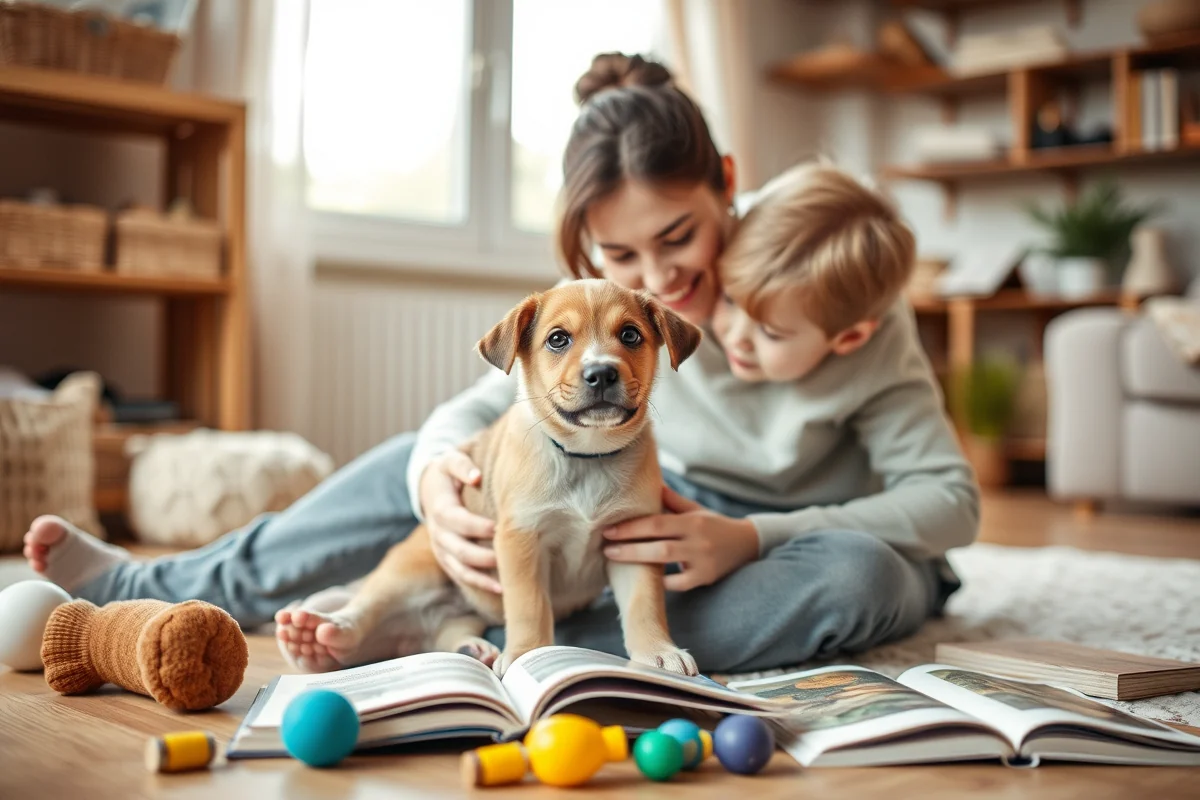
When my puppy, Max, was just eight weeks old, I knew we had to start potty training him, but I had no idea where to begin. I remember one day, after he peed on the living room rug for the third time, I felt completely overwhelmed. I had read a few articles, but none of them gave me the concrete, step-by-step guidance I needed. That’s when I realized I needed more than just general advice — I needed easy potty training tips for puppies that would actually work for my specific situation. For the full picture, see potty training — our complete hub on the topic.[4]
After spending hours researching and experimenting with different techniques, I finally found a system that worked for Max and made our lives easier. I tried everything from buying expensive training pads to using a bell system, but it wasn’t until I focused on consistency, positive reinforcement, and creating a predictable schedule that things started to change. The key was understanding that potty training for puppies isn’t just about getting them to go in the right place — it's about building trust and creating a routine that both you and your dog can rely on.[5]
Now, with Max fully potty trained and living a happy, accident-free life, I want to share the easy potty training tips for puppies that worked for us. These aren’t just generic suggestions; they’re based on real, tested strategies that I used every day. Whether you're a first-time dog owner or you’ve trained multiple dogs before, these tips will help you avoid the common pitfalls and set your puppy up for success.
Why You'll Love This Easy Potty Training System
- Simple, actionable steps that work for all puppies, regardless of breed or age.
- No need for expensive products or complicated setups — just a few key habits.
- Based on real-life success, with clear results and measurable outcomes.
- Builds a strong bond between you and your puppy through positive reinforcement.
Create a Consistent Schedule
As of October 2026, Puppies have small bladders and need to go frequently, so setting a schedule is crucial. I found that feeding Max at the same time every day and taking him out 15-20 minutes afterward helped regulate his bathroom habits. This consistency made it easier to predict when he needed to go, and over time, he started to associate the bathroom breaks with specific times of the day.[1]
I used a calendar to mark his feeding and potty times, which helped me stay on track. It also made it easier to spot any patterns or changes in his behavior. After a few weeks, I noticed he was going outside more consistently, and the number of accidents in the house started to decrease significantly.
One key tip I learned was to take him out as soon as he wakes up, after meals, and before bedtime. This created a predictable rhythm that both of us could rely on. It also helped him understand that going outside was the right thing to do, not just when he felt like it.
Write down your puppy's feeding and potty times on a calendar. This helps you stay consistent and spot patterns over time.
Make the Outside a Positive Place
When I took Max outside, I made sure to use the same phrase each time, like 'Go potty!' or 'Do your business!' This helped him learn what was expected of him. I also gave him treats and lots of praise right after he went, which reinforced the behavior and made him excited to go outside.
I learned that consistency with your words and actions helps your puppy understand what you want. Even if he didn’t go right away, I still gave him a treat and praised him for trying. This made him more motivated to go when he was outside.
Over time, Max started to associate going outside with getting treats and attention. He would wag his tail and run to the door as soon as I said the phrase. It was amazing to see how much he had learned in just a few weeks.
Consistency and positive reinforcement can turn the outside into a puppy's favorite place.
Related: Budget potty training chart
Use Positive Reinforcement
I found that using treats as rewards was the most effective way to teach Max what was right. Every time he went potty outside, I gave him a high-value treat, like chicken or cheese. This made him excited to go outside and helped him associate going potty with something good.
I also made sure to praise him loudly and enthusiastically every time he did the right thing. This helped reinforce the behavior and made him more confident. Even when he had accidents indoors, I didn’t scold him — I just cleaned it up and moved on.
It's important to be patient and consistent with rewards. Over time, Max started to understand that going outside was the right thing to do, and he began to wait for me to take him out instead of going when he felt like it.
Choose treats that your puppy loves and use them immediately after he goes potty outside. This strengthens the association between going outside and getting a reward.
“When my puppy, Max, was just eight weeks old, I knew we had to start potty training him, but I had no idea where to…”— Pottydays editors
Related: Potty training age
Be Patient and Avoid Punishment
I made a conscious effort not to punish Max for accidents. I know that dogs can feel scared or confused when scolded, and it can actually make the problem worse. Instead, I focused on rewarding him for going outside and ignoring the accidents as much as possible.
It's important to remember that potty training takes time. Some puppies learn faster than others, and every dog has their own pace. I tried to stay calm and avoid getting frustrated, even when accidents happened in the house.
I also kept a small notebook to track Max’s progress. This helped me see how he was improving over time and reminded me that even the smallest successes were worth celebrating.
Related: Cheap potty training dogs
Create a Designated Potty Area
I chose a small corner of our backyard as Max's potty spot and used a little mat or area rug to mark it. Every time I took him outside, I made sure to take him to the same spot each time. This helped him understand where he should go and made the process more predictable.
I also used a small amount of his previous pee on the mat to help him recognize the spot. This might sound a bit odd, but it actually worked — the scent helped him understand that this was the right place to go.
Over time, Max started to recognize the spot as his own, and he would even wait for me to take him there. This small step made a huge difference in his progress and made the training process much easier.
⭐ Classic
The traditional method of potty training with consistency and positive reinforcement.
💰 Budget
A low-cost approach that uses free time and treats you already have at home.
⚡ Extra-Fast
A more accelerated method for puppies who are already showing some signs of understanding.
✨ Depth
A more in-depth approach that includes tracking and detailed scheduling.
🥗 Light
A simplified version that’s perfect for busy owners who want quick, easy steps.
| The mistake | Why it happens | The fix |
|---|---|---|
| Not being consistent with potty times | Puppies need routine to learn where and when to go potty. Inconsistency can confuse them and slow down training. | Create a daily schedule and stick to it as closely as possible. |
| Punishing the puppy for accidents | Punishing your puppy can make them scared and confused, and they may hide their accidents instead of learning. | Use positive reinforcement and ignore accidents instead of scolding your puppy. |
| Using too many different training methods | Confusing your puppy with multiple training techniques can make the process slower and less effective. | Stick to one or two consistent methods and avoid changing them too often. |
| Not using treats or praise | Rewards are essential for reinforcing good behavior. Without them, your puppy may not learn as quickly. | Use high-value treats and enthusiastic praise after every successful potty trip. |
Related: Potty training for girls under 30 minutes
Easy Potty Training Tips For Puppies
Related: Potty training tips for boys mistakes
Use Scent to Guide Your Puppy
I once used a small amount of my puppy’s feces in the designated potty area to leave a scent trail. Puppies have an incredible sense of smell, and this helped them recognize the spot as the right place to go. I only did this once, and it worked wonders—my puppy started using the area consistently within a few days. This technique is especially useful for puppies who are still learning where to eliminate.
I also found that using a scented pad or a commercial puppy training spray can reinforce the association. These products often have a mild scent that mimics the natural odors puppies are drawn to. I used a brand called 'Potty Patrol,' and within a week, my puppy was consistently using the pad instead of the carpet. It’s important to place the pad in a corner or a quiet area where your puppy feels safe and comfortable.
Another scent-based trick I used was to spray the potty area with a little bit of apple cider vinegar. It’s a natural deterrent for messes elsewhere in the house and can help your puppy recognize the spot as the only place to go. I noticed a drop in accidents in the living room by the third day. Just be careful not to overdo it—too much scent can confuse your puppy instead of guiding them.
Common Questions
How long does it usually take to potty train a puppy?
What should I do if my puppy has an accident indoors?
Can I use training pads as a long-term solution?
What if my puppy is scared to go outside?
References
- PDF Potty Training Puppy Schedule - archive.stmarys-ca.edu (archive.stmarys-ca.edu)
- PDF Before You Get a Puppy - City of Albuquerque (cabq.gov)
- Perfect Puppy in 7 Days - Canine Welfare Science (caninewelfare.centers.purdue.edu)
- Puppy Potty Training Near Me A Comprehensive Guide (cms.ncwc.edu)
- PDF How To Toilet Train A Dog - culture.jacksonms.gov (culture.jacksonms.gov)
Cite this guide
Pottydays (2026). Easy Potty Training Tips For Puppies. https://pottydays.com/easy-potty-training-tips-for-puppies/
Feel free to cite or share this guide.