
Potty Training By Age Stage For Beginners
📖 Table of Contents
I remember the day my daughter took her first step onto the potty — it was a mix of pride, relief, and a tiny bit of panic. Potty training is one of those parenting milestones that feels both inevitable and impossible at the same time. As a first-time parent, I found myself overwhelmed by the sheer amount of advice out there, all of it conflicting and none of it tailored to my specific situation. That's why I want to share this guide with you: because understanding potty training by age stage for beginners is the first step to making this process as smooth and positive as possible for your child and you.
When I started looking into potty training, I realized most guides focused on a single method, as if every child and every family was the same. But the truth is, there's no one-size-fits-all approach. Some kids are ready by 18 months, others not until they're three. Knowing what to expect at each age stage can help you plan, prepare, and approach the process with confidence. I'm here to walk you through each of these stages with the insights I learned the hard way — and a few that worked really well.[1]
This guide isn’t just about steps to take or products to buy. It’s about understanding your child’s readiness, building a routine that works for your family, and knowing when to slow down or push forward. Potty training is a journey, and it's important to remember that every step — even the messy ones — are part of the process. Let’s dive in and make this chapter of your parenting story a little easier.
Why You'll Love This Potty Training Guide
- Clear, age-specific milestones to follow
- Personalized tips based on real experiences
- Practical advice that fits any family lifestyle
- Supportive, positive language to encourage both child and parent
Understanding Readiness: What to Look For
As of August 2026, your child is ready for potty training when they can stay dry for two hours or more, show interest in the bathroom, and can pull their pants up and down. I noticed my daughter started showing these signs around 18 months. It was subtle — she’d sit on the potty while playing with her toys, and she’d tell me when she needed to go. These are all indicators that she was becoming more aware of her body.[2]
Another sign is when your child starts imitating adults using the bathroom. I found that watching me or her older cousin use the toilet made her curious and excited. She’d point and say, 'Potty!' That was my cue to start the process. But I also knew not to rush — if I had forced her earlier, it might have caused frustration.
Sometimes, readiness comes in waves. My daughter had a few months where she was fully aware of her needs, then regressed for a bit. It was confusing, but I stayed patient and kept the potty accessible. Readiness is a journey, not a destination.
Don’t wait for your child to be a specific age — look for behaviors that show they're interested and capable.
Part of our Potty training by age stage guide.
Creating a Potty Training Routine
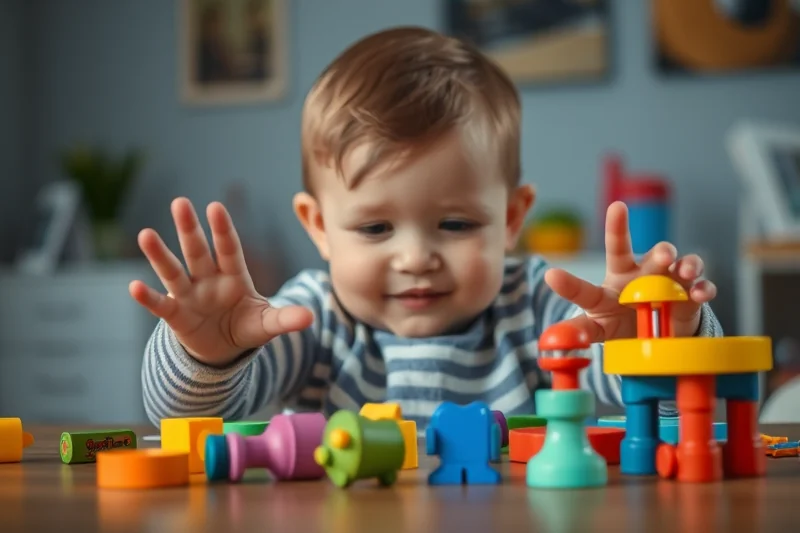
I set a specific time each day for potty breaks — every two hours, or after meals. This helped my daughter associate the potty with regular bathroom breaks, not just when she was uncomfortable. I made sure to sit with her on the potty for the first few weeks, even if it was just for a few minutes.
I also used a timer to keep track of when to sit on the potty. I found that a 3-minute countdown helped her understand how long she was supposed to be there. It was a game, really. She’d laugh when the timer went off, and it made her less anxious about the whole process.
Consistency is crucial, but so is flexibility. I had days where she’d forget to go on the potty, and that was okay. I didn’t punish her — I just reminded her and kept the routine going. Over time, she started remembering on her own.
A consistent routine is a child’s first step to independence.
Related: Potty training by age stage for small spaces
Related: Simple potty training stage
Related: How to potty training stage
Related: Potty Training Printables For Beginners
Related: Potty Training Age Printable
Related: Potty Training Troubleshooting For Beginners
Choosing the Right Tools for Success
I started with a small potty that fit in our bathroom. It was colorful and had a seat that made her feel safe. I also bought a few cute pull-up pants — not the full-time ones, but the ones that are easier to take off and put on. These made the transition from diapers to potty much smoother.
I found that using a chart with stickers helped keep her motivated. Every time she used the potty, I’d put a sticker on the chart, and after a week, she’d get a treat. It was simple, but it made her excited about the process. I also used a small reward box with her favorite toys, which she could earn by staying dry for a few days.
I also bought a book about potty training to help explain the process. It had pictures of other kids who were using the potty, and she loved looking at them. It made her feel like she wasn’t alone, and that helped her stay positive.
Choose a potty, books, or rewards that align with what your child likes — it makes the process more engaging.
“I remember the day my daughter took her first step onto the potty — it was a mix of pride, relief, and a tiny bit…”— Pottydays editors
Dealing with Setbacks and Regression

I had moments where my daughter would suddenly refuse to use the potty — it was like she had forgotten everything we’d learned. I was worried she was regressing, but I reminded myself that this is a normal part of the process. I stayed calm and didn’t push her to use the potty immediately. Instead, I let her explore it again on her own terms.
I found that talking about the potty in a positive way helped her feel more confident. I’d say things like, 'Remember how proud you were when you used the potty yesterday?' It reminded her of her success and made her more willing to try again. I also made sure to avoid any negative language — I never said, 'You're being bad,' or 'Why can't you just do it?'
Sometimes, a setback is just a sign that your child needs a break. I gave her a few days to rest, and then we tried again. We went back to the basics — sitting on the potty for a few minutes, using the same routine. It didn’t take long before she was ready to try again.
When to Seek Help and Support
If your child is over three and still not showing any signs of readiness, it might be worth talking to a pediatrician. I had a friend whose child was three and still not interested in using the potty — the pediatrician suggested a few strategies to help them. It wasn’t that the child was defiant, but that they had some sensory issues that made the potty uncomfortable.
I also found that support groups for parents can be incredibly helpful. We had a local group where we shared tips, challenges, and even had a few successes to celebrate. It was comforting to know other parents were going through the same thing. I also used a few online forums, which were a great source of advice and encouragement.
Sometimes, seeking help isn’t about your child — it’s about your own mental health. Potty training can be stressful, especially if your child is resistant or you’re dealing with setbacks. I found that talking to a therapist or counselor who specialized in parenting issues helped me stay calm and focused during the process.
🌿 Gentle Approach
Focuses on natural readiness and positive reinforcement without pressure.
⚡ Fast-Track Method
Uses a structured, time-bound plan to encourage quick potty training success.
✈️ Travel/Out-of-Home Training
Teaches potty skills in unfamiliar environments to avoid setbacks during trips.
👯 Training Multiples
Tailors strategies to work with siblings at different stages of readiness.
🔄 Regression Reset
Helps parents navigate and restart potty training after setbacks or delays.
| The mistake | Why it happens | The fix |
|---|---|---|
| Forcing the potty too early | Children who are not ready may develop a fear of the potty and resist the process. | Watch for readiness signs and avoid pressuring your child before they're ready. |
| Using punishment for accidents | This can create anxiety and make your child fear using the potty. | Stay positive and use encouragement instead of punishment for setbacks. |
| Not keeping the potty accessible | If the potty is out of reach or hidden, your child may not want to use it. | Keep the potty in a visible, accessible place in the bathroom or living room. |
| Changing the routine too often | Inconsistent routines can confuse your child and make it harder for them to learn. | Stick to a consistent potty training schedule and only make changes when necessary. |
Potty Training By Age Stage For Beginners
Common Questions
What should I do if my child is resistant to using the potty?
How can I help my child stay dry during the night?
Can I start potty training if my child is not yet 18 months old?
What if my child has accidents after starting potty training?
References
- BIRTH THROUGH THREE - Oregon Judicial Department (courts.oregon.gov)
- New York State Early Learning Guidelines (ccf.ny.gov)
Cite this guide
Pottydays (2026). Potty Training By Age Stage For Beginners. https://pottydays.com/potty-training-by-age-stage-for-beginners/
Feel free to cite or share this guide.