
Potty Training Checklists For Beginners
📖 Table of Contents
I remember the first time my daughter sat on the potty with a big grin and said, 'Look, Mommy, I did it!' It was the kind of moment that made me realize how important the right tools — and the right mindset — are for successful potty training. That’s why I created this checklist, because I know how overwhelming it can feel to handle the world of toddler diapers, training pants. The inevitable messes that come with learning to use the toilet for the first time. Potty training checklists for beginners aren’t just about organizing your thoughts; they’re about giving you the confidence and structure you need to make this milestone less stressful.
When my son was just two years old, I found myself staring at a mountain of potty training books, trying to figure out where to start. I had read about the 'readiness signs,' but nothing prepared me for the chaos that came with the actual process. That’s why, after trial and error, I started using a checklist — one that covered everything from setting up the potty to dealing with accidents and offering praise. Potty training checklists for beginners are a lifeline for parents who want to make this transition as smooth as possible for their child and themselves.
Now, I use my own checklist every time I help a new parent handle the world of potty training. It’s not about rushing the process, but about providing clear steps and reminders that help both parent and child feel in control. Whether you’re using a potty or a toilet seat adapter, whether you're preparing for a toddler or a pre-schooler, a well-structured checklist can make the difference between a stressful journey and a joyful one. That’s what I want to share with you — a guide grounded in real experience and practical advice.
Why You'll Love This Checklist
- It reduces overwhelm with clear, actionable steps.
- It keeps you focused on what matters — your child’s comfort and confidence.
- It helps you avoid common pitfalls by preparing you in advance.
- It makes the whole process more predictable and less stressful.
What to Buy Before You Start
As of October 2026, when I first started potty training, I underestimated how many essential items I would need. A potty or toilet seat adapter, training pants, and a few extra clothes for accidents — these are the basics. But I also realized that having a few books or a potty seat cover can make the experience more engaging for the child and less stressful for the parent.
I made the mistake of buying only one pair of training pants, which was a disaster when I found my daughter soaked after a long day at the park. I learned that buying at least two sets of training pants and a few extra clothes for changes is a must. And don’t forget the toilet paper — it’s essential for building independence.
I now recommend buying a few extra items, like a potty seat cover or a reward chart, because these can help the child feel more comfortable and motivated. Choosing the right items upfront can save you time, money, and frustration later on.[1]
Buy a few extra clothes and training pants — it’s better to have them and not need them than to run out when you need them most.
Part of our Potty training printables checklists guide.
Setting the Right Time to Start
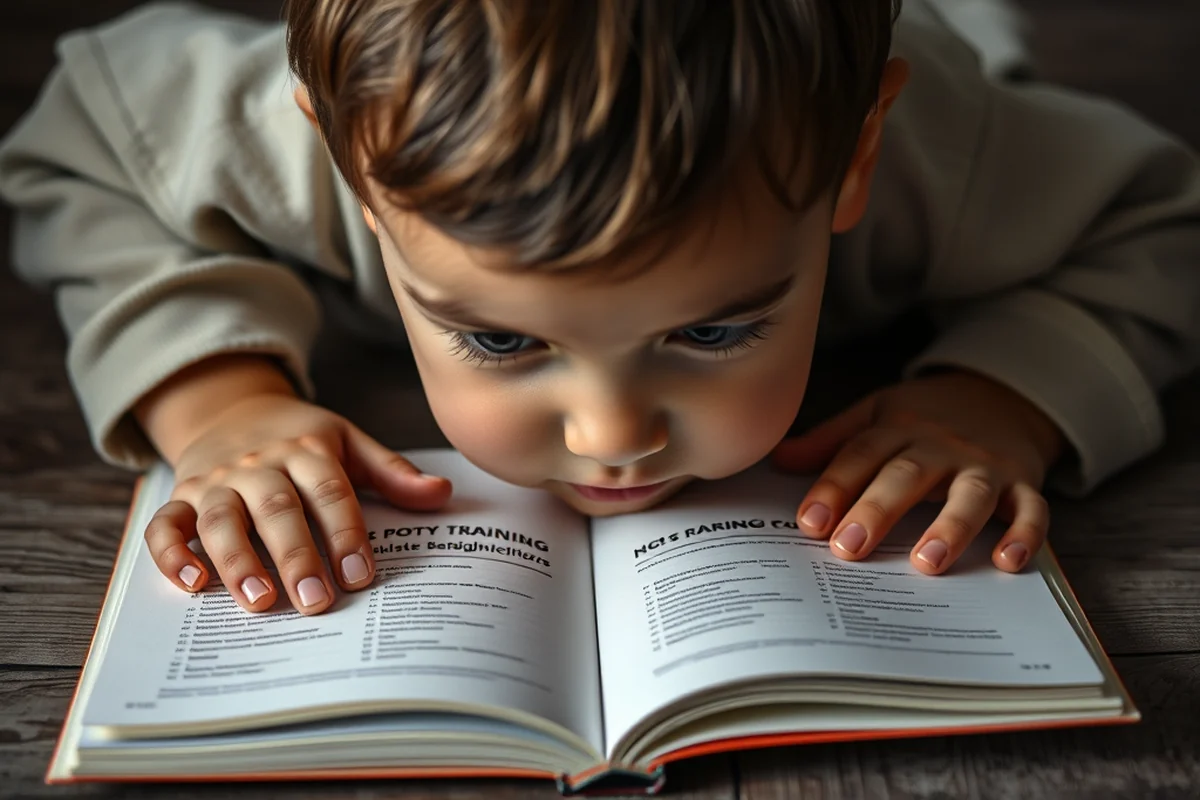
I learned through trial and error that starting too early can lead to frustration, and waiting too long can make the process more complicated. The ideal age range is between 18 and 30 months, but every child is different. I watched my daughter show signs of readiness — like staying dry for longer stretches and showing interest in the bathroom — and that’s when I started the process.[2]
I made the mistake of starting when my son wasn’t ready, and it backfired. He was resistant, and I felt like I was forcing him into something he wasn’t ready for. I later found that waiting until he showed signs of interest and independence — like holding his own cup or staying dry for several hours — made the training much smoother.
Now, I suggest watching for signs of readiness and starting when your child is comfortable with the idea of using the bathroom. It’s not about rushing — it’s about being patient and paying attention to your child’s cues.
Patience is the key to successful potty training.
Related: Potty training printables that actually work
Creating a Positive Environment
I made the mistake of treating accidents as a failure, which only made my daughter more anxious. It was a wake-up call when I saw her crying after an accident and realized that my response was making it worse. I shifted my approach and started focusing on positive reinforcement instead.
I began using a reward chart with stickers for every successful attempt, and that helped my daughter feel accomplished even when things didn’t go perfectly. I also made sure to praise her efforts and avoid negative language, like 'You should have known better.'
Now, I recommend creating a fun and encouraging environment by using a reward system and celebrating every small victory. This makes the process less stressful and more engaging for both parent and child.
Celebrate every success — even if your child only sits on the potty for a few seconds. Positive reinforcement builds confidence and makes the process more enjoyable.
“I remember the first time my daughter sat on the potty with a big grin and said, 'Look, Mommy, I did it!' It was the…”— Pottydays editors
Related: Potty training printables checklists printable
Dealing with Setbacks and Accidents
I remember one day when my daughter had a big accident just before bedtime, and I felt like I had failed as a parent. But I realized that setbacks are normal and that how I handled it made all the difference. I stayed calm, cleaned up without making a big deal out of it, and reminded her that it was okay.
I learned that it’s important not to get angry or frustrated during accidents. Instead, I tried to stay positive and focus on helping her feel more confident. I also made sure to avoid blaming her or making her feel guilty — that only made the situation worse.
Now, I recommend treating setbacks as part of the learning process. Stay calm, clean up quickly, and avoid putting pressure on your child. This helps them feel supported and encourages them to keep trying.
Related: Potty training printables ideas
Making the Transition Easier for the Whole Family
I initially tried to handle potty training on my own, and it was overwhelming. But when I involved my partner and other family members, it made the process much smoother. They could offer support during the day, and I didn’t have to carry the entire burden.
I also realized that consistency was key — if the rules changed depending on who was caring for my child, it confused them and made progress harder to achieve. We all agreed on the same routine, and that made a huge difference.
Now, I recommend involving your partner and other family members in the process. Consistency, support, and a shared approach help make the transition easier for your child and more manageable for the whole family.
🌱 Gentle Approach
Focuses on patience and positive reinforcement, ideal for children who are not yet ready but showing interest.
🚀 Fast-Track Method
Works quickly by using a strict schedule and immediate rewards, best for children who are highly motivated.
🧳 Travel/ Away-From-Home
Tailored for parents who travel often or need portable potty training tools for trips and outings.
👶 Multiples Method
Designed for parents with more than one child, ensuring each child gets individual attention and support.
🔄 Regression Reset
Helps parents reset the process if their child experiences a regression, offering new strategies for success.
| The mistake | Why it happens | The fix |
|---|---|---|
| Starting too early. | Children who are not ready may feel stressed and resistant, making the process harder. | Wait until your child shows signs of readiness, like staying dry for longer stretches and showing interest in the bathroom. |
| Treating accidents as failures. | This can make the child feel ashamed and discourage them from trying again. | Stay calm, clean up, and avoid making a big deal out of accidents. Focus on positive reinforcement instead. |
| Not being consistent with the process. | Inconsistent rules and routines can confuse your child and slow down progress. | Involve the whole family and agree on a consistent approach and schedule for potty training. |
| Ignoring the child’s readiness cues. | Forcing a child who is not ready can lead to resistance and frustration. | Watch for signs of readiness, like staying dry for longer and showing interest in the bathroom, before starting the process. |
Related: Potty training printables step by step
Potty Training Checklists For Beginners
Related: Potty training printables examples
Tracking Progress with a Visual Motivation System
Use visual charts or stickers to help your child track their potty training progress and stay motivated.
I introduced a colorful chart on our bedroom wall with 10 stars, and every time my daughter used the potty successfully, she got to put a sticker on a star. It made her feel proud and gave her a sense of accomplishment. I made sure to celebrate small victories, like staying dry for a whole day, by giving her a small reward, like extra storytime or a favorite snack. This system kept her motivated and helped her see how far she had come over time.
The visual aspect was especially helpful for my son, who is more of a visual learner. I used a simple calendar with smiley faces, and each time he used the potty, we drew a smiley. It made him excited about the process and gave him something tangible to look forward to. I also made sure to keep the chart in a place where he could see it often, like near the bathroom or on the fridge. This constant reminder helped reinforce the habit without feeling forced.
I noticed that the chart also helped me stay on track as a parent. It gave me a way to monitor his progress and adjust our approach if needed. For example, if he had a few days of setbacks, I could use the chart to gently remind him of his previous successes. This kept us both focused on the goal and made the potty training journey feel more manageable and less overwhelming.
Common Questions
What’s the best way to handle accidents during potty training?
How long does potty training usually take?
What should I do if my child is resistant to using the potty?
How can I make potty training more engaging for my child?
References
- DCY MONITORING & COMPLIANCE FIELD GUIDE - Ohio.gov (dam.assets.ohio.gov)
- South Carolina Early Learning Standards (ed.sc.gov)
Cite this guide
Pottydays (2026). Potty Training Checklists For Beginners. https://pottydays.com/potty-training-checklists-for-beginners/
Feel free to cite or share this guide.