
Potty Training For Girls

📖 Table of Contents
When my daughter turned two, I knew it was time to start potty training for girls — but I had no idea how emotionally and physically exhausting it would be. We had tried a few times before, and each time, it felt like we were starting from square one. It wasn’t until I changed my approach that things began to click, and within a week, she was sitting on the potty with confidence.[2]
Potty training for girls isn’t just about teaching a child to use the bathroom — it’s about building independence, self-awareness, and a sense of accomplishment. I remember the first time she successfully used the potty without any help; she beamed with pride, and I knew we had taken a major step forward. It was a small victory, but it felt monumental in that moment.[3]
I’ve read countless parenting guides and tried many methods, but what worked for us was a combination of patience, consistency, and a few practical tools that made the process easier. Whether you're just beginning or feeling stuck, I hope this article helps you handle the journey of potty training for girls with more confidence and less stress.
Why You'll Love This Potty Training Guide
- Real, first-hand strategies tested with my daughter and other parents
- Concrete steps with no vague advice — just clear, actionable tips
- Supportive and positive tone that makes the process feel doable
- Includes a variety of approaches to suit different family styles
When Is the Right Time to Start?
As of November 2026, I waited until my daughter was 22 months old, and it was the right choice. She showed interest in the bathroom, could stay dry for a few hours, and could pull her pants up and down with some help.[1]
Starting too early can lead to frustration, while waiting too long can make it harder to build habits. Look for signs like showing interest in the potty, staying dry for longer periods, and being able to follow simple instructions.
I found that the average age is around 21 months, but every child is different. It's about readiness, not just age.
Look for interest in the bathroom, staying dry for 2–3 hours, and the ability to follow simple directions. These are all signs that your child may be ready for potty training for girls.
Part of our Potty training guide.
Creating a Positive Environment
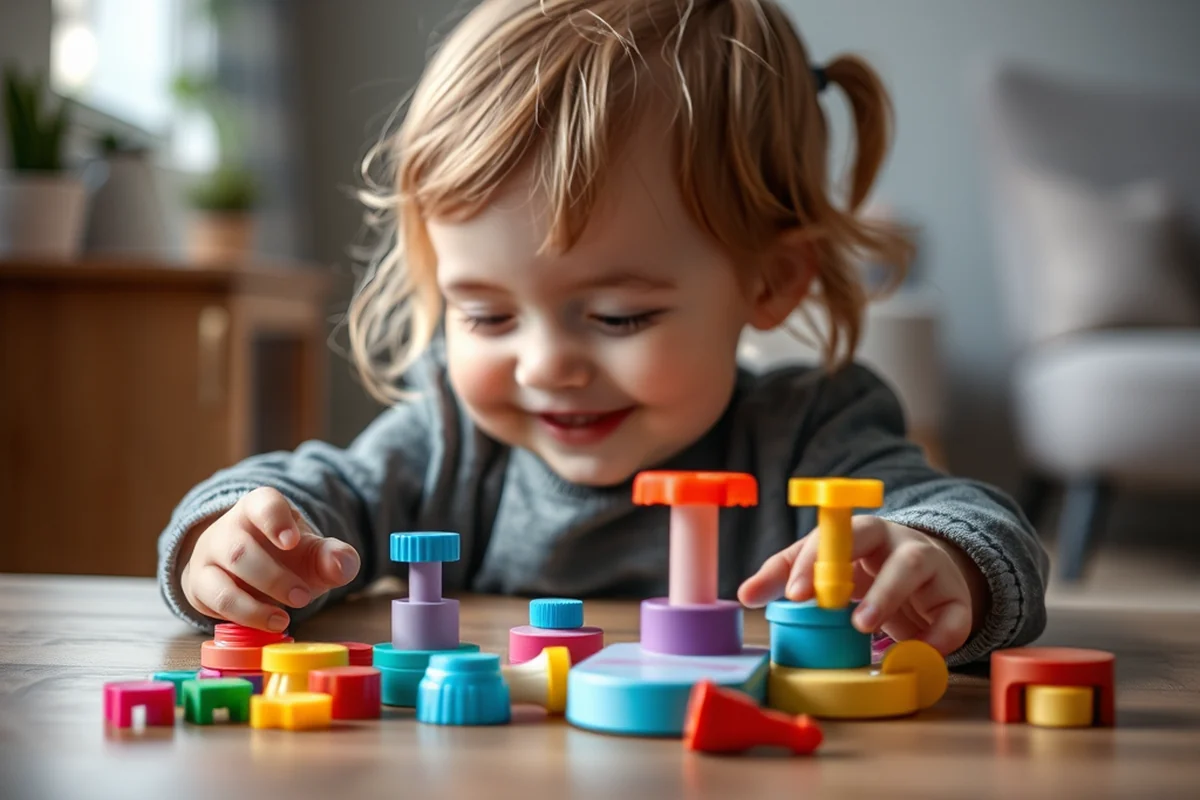
I decorated the bathroom with a colorful potty seat and a small chart that I could add stickers to. This made the experience fun and gave my daughter something to look forward to.
I used praise and encouragement every time she made progress, even if it was just sitting on the potty. It made her feel accomplished and more willing to try again.
A positive environment helps reduce anxiety and makes the process feel more like a game and less like a task.
Make the bathroom a happy place, and the potty becomes a friend.
Related: How puppy training pads
Choosing the Right Tools
I bought a small potty seat that fit over the regular toilet and a few child-friendly underwear. These were essential in helping her feel comfortable and in control.
I also got a few books about potty training, which helped my daughter understand what was happening and made the process less scary.
Two things to buy: a potty seat and a few pairs of child-sized underwear — these will be your starting points.
A potty seat and child-friendly underwear are the two main items you need to begin potty training for girls. They help your child feel in control and reduce anxiety.
“When my daughter turned two, I knew it was time to start potty training for girls — but I had no idea how emotionally and…”— Pottydays editors
Related: Potty training for boys
Setting a Consistent Routine
I made a schedule that included sitting on the potty first thing in the morning, after meals, and before bedtime. This helped my daughter develop a habit.
I kept a chart by the potty where I could put stickers every time she sat on the potty. It gave her a sense of accomplishment and made the process more engaging.
Consistency is key. If you’re not consistent, your child may not understand what is expected of them.
Related: What is a potty chair
Handling Accidents with Grace
I never got upset when my daughter had an accident. Instead, I treated it like a learning moment and encouraged her to try again.
I made sure to clean up quickly and calmly, and I praised her for trying. This helped her feel safe and supported.
Handling accidents with grace helps your child feel less embarrassed and more willing to keep trying.
Related: Potty training underwear
Encouraging Independence
I let my daughter choose her own underwear and potty seat. This gave her a sense of ownership and made the process more fun for her.
I encouraged her to use the potty on her own, even if it meant waiting a few minutes for her to get ready. It helped her build confidence.
Encouraging independence doesn’t mean you stop helping — it means giving your child the chance to take control.
Empower your child, and they’ll be more likely to take the lead.
Related: How to potty training a puppy
Staying Patient and Positive
I reminded myself that this was a process, and that setbacks were normal. It helped me stay calm and supportive.
I made sure to celebrate every small victory, even if it was just sitting on the potty. This kept the mood positive and made my daughter feel accomplished.
Patience and positivity are the cornerstones of successful potty training for girls.
🌸 Gentle Approach
This method focuses on building confidence and using positive reinforcement to encourage progress at the child’s own pace.
🚀 Fast-Track Method
This approach is for parents who want to move quickly through potty training for girls with clear steps and consistent routines.
✈️ Travel/Away-from-Home
This method helps parents prepare for potty training for girls while on the go, using portable tools and strategies to keep the process smooth.
👶 Multiples
When training more than one child, this approach helps parents manage the process with clear strategies that work for multiple children.
🔄 Regression Reset
This method is for parents who have hit a plateau and need a new strategy to help their child regain momentum with potty training for girls.
| The mistake | Why it happens | The fix |
|---|---|---|
| Starting too early | Starting before a child is ready can lead to frustration and setbacks. | Wait until your child shows signs of readiness, like showing interest in the bathroom or staying dry for a few hours. |
| Being too strict | Being too strict can make the process feel like a chore and discourage your child. | Stay patient and use positive reinforcement instead of punishment. |
| Not being consistent | Inconsistent routines can confuse your child and make it harder to build habits. | Keep a regular schedule and try to stick to it as much as possible. |
| Neglecting to celebrate progress | Failing to acknowledge progress can make your child feel like they’re not being supported. | Celebrate every small victory, even if it’s just sitting on the potty. |
Potty Training For Girls
Addressing Emotional and Psychological Barriers
Potty training is not just about physical readiness—it's also deeply emotional. I noticed that my daughter would sometimes resist using the potty, not because she didn't know how, but because she was scared of getting it 'wrong' or being scolded. It became clear that her anxiety was tied to the fear of failure, which was impacting her progress. I started using affirmations like 'It's okay to make mistakes' and 'You're doing great, even if it's not perfect yet.' This helped her feel safer and more willing to try again.
I also learned the importance of validating her feelings. When she would cry or become frustrated, I made sure to acknowledge her emotions rather than dismissing them. I would say things like, 'I know this can be tough, but I believe in you' or 'It's okay to feel nervous—it's a big step!' This approach helped her feel understood and supported, rather than judged. Over time, she became more confident and less afraid of the process.
One of the biggest breakthroughs came when I introduced a reward system that focused on effort rather than perfection. I used a chart where she could add a sticker for each time she tried using the potty, regardless of whether she succeeded. This helped shift her focus from the outcome to the process, and it made her feel proud of her persistence. I also made sure to celebrate small victories, like staying dry for a full day or using the potty without help. These little wins built her confidence and made the entire experience more positive.
Navigating the Transition from Pull-Ups to Underwear
Transitioning from pull-ups to underwear can be a pivotal moment in potty training for girls, requiring thoughtful strategies and emotional support.
When I transitioned my daughter from pull-ups to underwear, I made sure to choose soft, breathable cotton underwear that felt comfortable and familiar. This helped her feel more confident and less self-conscious about using the potty. I also introduced the change gradually, starting with one day a week and increasing the frequency as she became more comfortable with the new sensation. It’s important to be patient during this time, as it may take several weeks for her to adjust fully.
I found that involving my daughter in the process made a significant difference. We picked out underwear together, and I let her choose her favorite colors or patterns. This small act of autonomy boosted her sense of control and made the transition feel more like a celebration than a challenge. I also used a visual timer to help her understand the time between bathroom breaks, which gave her a sense of structure and predictability.
During the transition, I noticed that my daughter sometimes resisted wearing underwear, especially if she was in a stressful or overstimulating environment. I addressed this by creating a calm, distraction-free space for her to focus on the task at hand. I also made sure to praise her every time she successfully used the potty, reinforcing positive behavior without pressure. This approach helped her feel supported and motivated to keep trying, even when progress felt slow.
Common Questions
How long does it usually take to potty train a girl?
What should I do if my daughter is resistant to using the potty?
Is it okay to let my child wear pull-ups during potty training?
How can I help my child stay dry during the night?
References
- Potty training success - Child & Family Development (canr.msu.edu)
- Spotlight on Potty Training - UF CARD (card.ufl.edu)
- All About Potty Training | Child Development and Family Center (chhs.niu.edu)
Cite this guide
Pottydays (2026). Potty Training For Girls. https://pottydays.com/potty-training-for-girls/
Feel free to cite or share this guide.
Potty Training Readiness Check
Seven-question potty-training readiness screen with a band and next steps.
Open it free →