
Easy Potty Training Routines Schedules

📖 Table of Contents
I remember the day my daughter finally sat on the potty without a peep of protest — it felt like a small miracle. For weeks, we’d been trying different potty training routines, some that worked and others that left me frustrated. What I learned was that consistency and structure are key. I created a simple, easy potty training routine that worked for us, and I want to share it with you.[1]
Potty training can be a whirlwind of highs and lows, but with the right easy potty training routines schedules, you can make the process smoother. I’ve tested multiple strategies and found that having a schedule that fits your family’s rhythm makes all the difference. Whether you’re a full-time parent or juggling work and home, these routines can be adapted to your life without extra stress.[2]
Over time, I realized that the most effective easy potty training routines schedules are those that are flexible yet consistent. This means setting times for potty breaks, celebrating successes, and being patient with setbacks. I’ve used these techniques with my kids, and they’ve all transitioned successfully. Let’s explore how you can create your own easy potty training routine that works for your family.[3]
Why You'll Love This Simple Potty Training Strategy
- It reduces the stress of trial-and-error with potty training.
- It creates a predictable and comforting routine for your child.
- It makes the process quicker with clear expectations and timing.
- It allows you to tailor the schedule to your family’s lifestyle.
Why Consistency Matters in Potty Training
As of November 2026, when I first started potty training my son, I made the mistake of changing the routine every day. One day, we’d try potty breaks every hour, and the next, we’d forget entirely. This inconsistency made it harder for him to grasp the concept. After switching to a consistent potty training schedule, he began to understand what was expected of him.
Children thrive on routine and structure, and this is especially true during potty training. I made it a point to sit with my kids on the potty at the same times each day — after waking up, after meals, and before bedtime. This helped them build a mental association between the potty and these key moments.
Over time, I noticed that consistent potty training routines led to faster progress. My daughter, who had initially resisted the potty, began using it without being prompted. Consistency, paired with positive reinforcement, was the key to success.
Set a potty time right after waking up, after meals, and before bedtime. This helps your child build a routine they can rely on.
Part of our Potty training routines schedules guide.
Making Potty Time a Positive Experience

I learned the hard way that negative reinforcement, like yelling or punishing accidents, can make potty training harder. I shifted my approach by making potty time fun and rewarding. We used a potty chart and small rewards, like stickers or extra storytime, after successful attempts.
I also made sure to keep the potty area clean and inviting. I added a seat for my toddler and used a small, colorful book to keep her occupied while she sat. This helped her associate the potty with comfort and play, not stress.
When my daughter had a successful potty break, I celebrated with a high-five and a cheer. This positive reinforcement helped her feel accomplished and motivated to continue. Over time, she started using the potty independently.
Celebrate every success — even small ones.
Related: Potty training schedules ideas
The Power of a Visual Schedule
I created a simple visual schedule using drawings and pictures to show my son when it was time to sit on the potty. This helped him understand the routine without needing constant verbal reminders.
For example, I used a picture of a clock with a red arrow pointing to ‘9 AM’ and a potty icon next to it. This made it clear that after breakfast, it was time for a potty break. My son would point to the picture and say, ‘Potty time!’
I found that using a visual schedule also helped my daughter stay on track. She’d look at the schedule when she woke up and know exactly what to do next. It made the process more engaging and less confusing.
Create a simple picture chart with times and potty icons to help your child follow the routine independently.
“I remember the day my daughter finally sat on the potty without a peep of protest — it felt like a small miracle.”— Pottydays editors
Related: Potty training routines step by step
When to Take a Break and Why
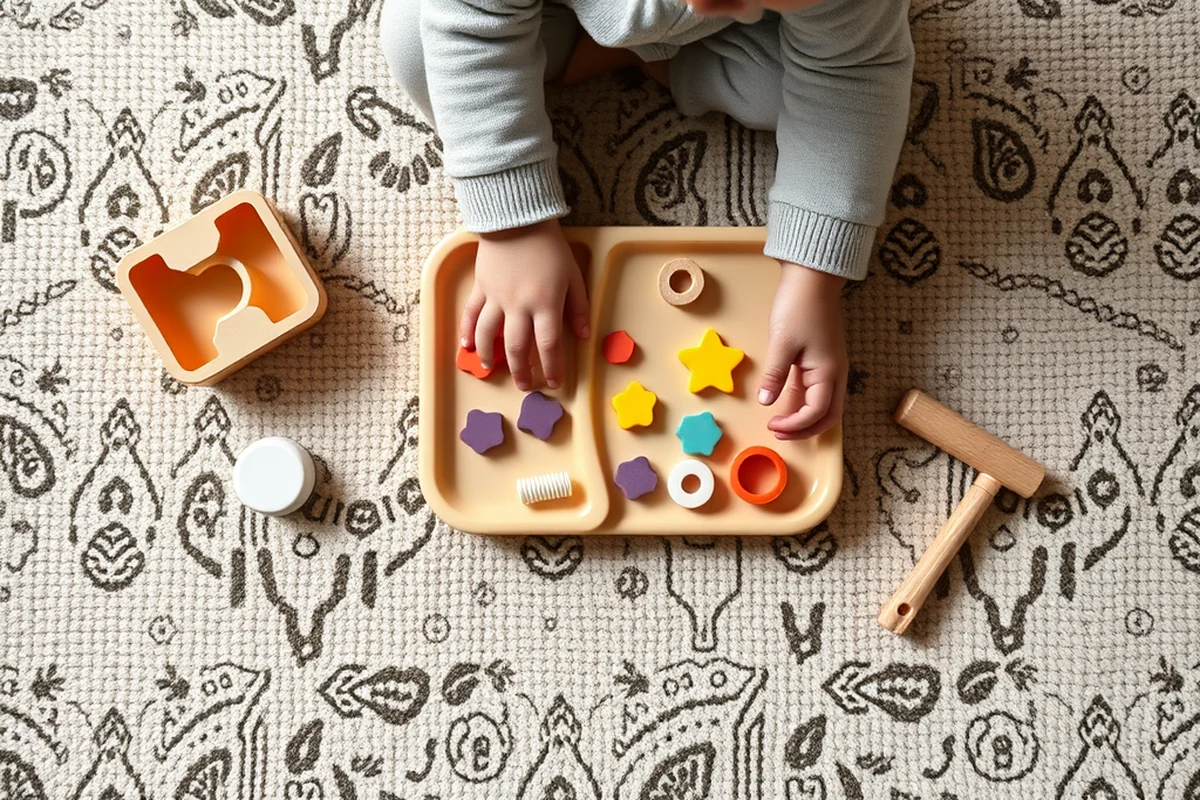
I once hit a wall with my son when he started resisting potty time and having accidents again after months of progress. I realized that pushing too hard was causing him to feel overwhelmed and frustrated. I decided to take a short break and revisit potty training later.
During that break, I focused on making the potty a fun and non-pressured space again. I let him choose his own potty seat and read him a book about using the potty. This helped reset his confidence and motivation.
After a few days, I reintroduced the potty routine with a lighter touch. The break allowed my son to approach the process with a fresh perspective, and he was more cooperative this time around.
Related: Potty training routines for small spaces
Tailoring the Routine to Your Family’s Needs
When my youngest daughter was born, my older child was already potty trained. I had to adjust the routine to fit our new family dynamic. I found that having a flexible schedule, with potty breaks during the day but not during naps, worked best for us.
I also adjusted the routine when I had to return to work. I made sure to keep potty training as consistent as possible, even if I was away for part of the day. I communicated with my husband about the routine and made sure he followed the same schedule.
Tailoring the potty training routine to your family’s needs is essential. Whether you’re working full-time or managing a busy household, flexibility can help ensure success without overwhelming your child or yourself.
🌱 Gentle Approach
This method focuses on patience and low-pressure routines, ideal for parents who want to avoid stress.
⚡ Fast-Track Method
A structured, time-sensitive approach that helps kids transition quickly with clear expectations.
✈️ Travel/away-from-home
A flexible routine that works when you’re on the go, using portable potties and consistent timing.
👯♀️ Multiples
A potty training schedule that can be adapted for multiple children, helping them stay on track together.
🔄 Regression Reset
A method for parents who’ve hit a setback and need to re-establish a potty training routine.
| The mistake | Why it happens | The fix |
|---|---|---|
| Changing the routine too often | This can confuse your child and make the process harder. | Stick to a consistent schedule and make small, gradual changes if needed. |
| Using punishment for accidents | This can create fear and make your child resistant to the potty. | Focus on positive reinforcement and never punish accidents. |
| Not preparing the child for potty training | Children who are not prepared may feel overwhelmed and confused. | Introduce the potty gradually and use books or role-play to help your child understand what to expect. |
| Forcing the child to use the potty | This can create anxiety and make the process stressful. | Give your child choices and let them take the lead when they’re ready. |
Related: Potty training schedules checklist
Easy Potty Training Routines Schedules
Related: Potty training routines schedules ideas
Involving Siblings in the Potty Training Process
Involving siblings in the potty training process can be a game-changer, especially if you have older children who are already potty trained. I noticed that my older child, who was already fully potty trained, became a helpful role model for my younger sibling. They would sit on the potty together, which made the experience feel less intimidating and more like a shared activity. It also gave my older child a sense of responsibility and pride in helping their younger sibling. This not only made the process smoother but also created a stronger bond between the siblings.
I also made sure to involve my older child in the routine by letting them help with things like choosing the potty seat or picking out a special reward for their sibling. This gave them a sense of involvement and ownership in the process. I also encouraged them to praise their younger sibling for using the potty, which helped reinforce the behavior in a positive way. This approach helped my younger child feel more supported and made the whole experience less stressful for the family.
Involving siblings also meant that potty training wasn't just something that happened in isolation. It became part of the family's daily routine, and my older child was able to offer encouragement and support when needed. I found that this made the process more engaging and less overwhelming for my younger child, who looked up to their older sibling as a role model. Overall, involving siblings in the potty training process created a more supportive and positive environment for everyone involved.
The Role of Rewards and Incentives in Potty Training
Rewards can be a powerful motivator during potty training, helping to reinforce positive behavior and build confidence in your child.
I found that using small, tangible rewards like stickers or extra storytime made a big difference in my child's willingness to use the potty. It's important to keep the rewards simple and age-appropriate — something that feels like a celebration rather than a bribe. I started with a sticker chart, which gave my child a sense of accomplishment each time they successfully used the potty. Over time, this built their confidence and made the process feel more like a game than a chore.
I also discovered that non-material rewards, like praise or a special dance, worked just as well. My child loved hearing me say, 'You did it!' after each successful attempt. These verbal affirmations helped reinforce their sense of achievement. I made sure to be specific with my praise — instead of just saying 'good job,' I would say, 'You used the potty all by yourself — I'm so proud of you!' This kind of language helped my child understand exactly what they were being rewarded for.
It's crucial to avoid over-rewarding or making the potty training process feel transactional. I kept the reward system light and introduced it gradually. After a few weeks, I noticed my child was using the potty consistently without needing the stickers or extra attention. At that point, I faded out the rewards slowly, replacing them with more intrinsic motivation like pride and independence. This approach helped my child transition smoothly from being externally motivated to feeling genuinely proud of their progress.
Common Questions
How long does it typically take to potty train a child?
Should I use a potty chart or reward system?
What if my child has an accident after I thought they were trained?
Can I use a potty seat if the child is not ready?
References
- Potty training success - Child & Family Development (canr.msu.edu)
- Spotlight on Potty Training (card.ufl.edu)
- Getting Ready for Toilet Training (cdd.health.unm.edu)
Cite this guide
Pottydays (2026). Easy Potty Training Routines Schedules. https://pottydays.com/easy-potty-training-routines-schedules/
Feel free to cite or share this guide.
Potty Training Readiness Check
Seven-question potty-training readiness screen with a band and next steps.
Open it free →