
Toddler Potty Training Pants

📖 Table of Contents
- What Are Toddler Potty Training Pants?
- Why You Should Consider Potty Training Pants
- Choosing the Right Potty Training Pants for Your Toddler
- When to Start Using Potty Training Pants
- How to Use Potty Training Pants Effectively
- Tips for Making the Transition Easier
- What to Do if Your Toddler Resists Potty Training Pants
- Make It Your Way
- Frequently Asked Questions
I remember the day my daughter took her first independent step toward potty training. It was a messy, chaotic, but triumphant moment — and it all started with toddler potty training pants. These aren’t just any pants; they’re the bridge between diapers and full potty independence. I’ve tried every brand, every trick. Every technique, and I can confidently say that the right pair of toddler potty training pants can make all the difference in how smoothly the potty training process goes. Whether you're just starting out or trying to reignite progress after a setback, the right gear can be a game-changer.[2]
When I first introduced my daughter to toddler potty training pants, I didn’t realize how much they would shape her journey. These pants aren’t just about convenience; they’re about building confidence. I found that the right pair of pants could be the difference between a toddler feeling empowered or frustrated. In our case, it was the softness of the fabric, the snug fit, and the subtle reinforcement of the waistband that made her feel secure and ready to try. It was like a tiny suit of armor — not for protection, but for encouragement.[3]
Toddler potty training pants are more than just a product; they’re a parenting tool. I’ve learned that choosing the right pair can impact everything from a toddler’s willingness to sit on the potty to their ability to sense when they need to go. I tested over a dozen brands, and after weeks of trial and error, I found that the ones with stretchy waistbands and leak-proof layers made the biggest difference. It’s not about finding the ‘perfect’ pair — it’s about finding the one that fits your child’s needs and your family’s lifestyle.[4]
Why You'll Love This ...
- They encourage independence and reduce embarrassment from accidents.
- They're designed to be comfortable and fit well, helping toddlers feel secure.
- They can help reduce the number of accidents and the need for frequent changes.
- They provide a smooth transition from diapers to full potty use.
What Are Toddler Potty Training Pants?
As of November 2026, Toddler potty training pants are a hybrid between diapers and regular underwear. They’re typically made with a stretchy, breathable fabric and include a leak-proof lining, which makes them ideal for toddlers who are just learning to use the potty. I found that these pants are especially useful during the early stages of training when accidents are still common.
What sets these pants apart from traditional diapers is their ability to give toddlers a sense of independence. I noticed that when my daughter wore them, she felt more like she was participating in the process rather than being reliant on a parent for every change. This subtle shift in perception can be a huge motivator.
The best toddler potty training pants are the ones that are easy to handle. I looked for ones with a front-opening design that made changing easier, especially when we were out and about. These features can make a world of difference, especially in the early days.
Look for potty training pants made with a soft, stretchy fabric that moves with your child. I found that these materials are more comfortable and less likely to cause irritation, which is especially important during the learning phase.
Part of our Potty training guide.
Why You Should Consider Potty Training Pants
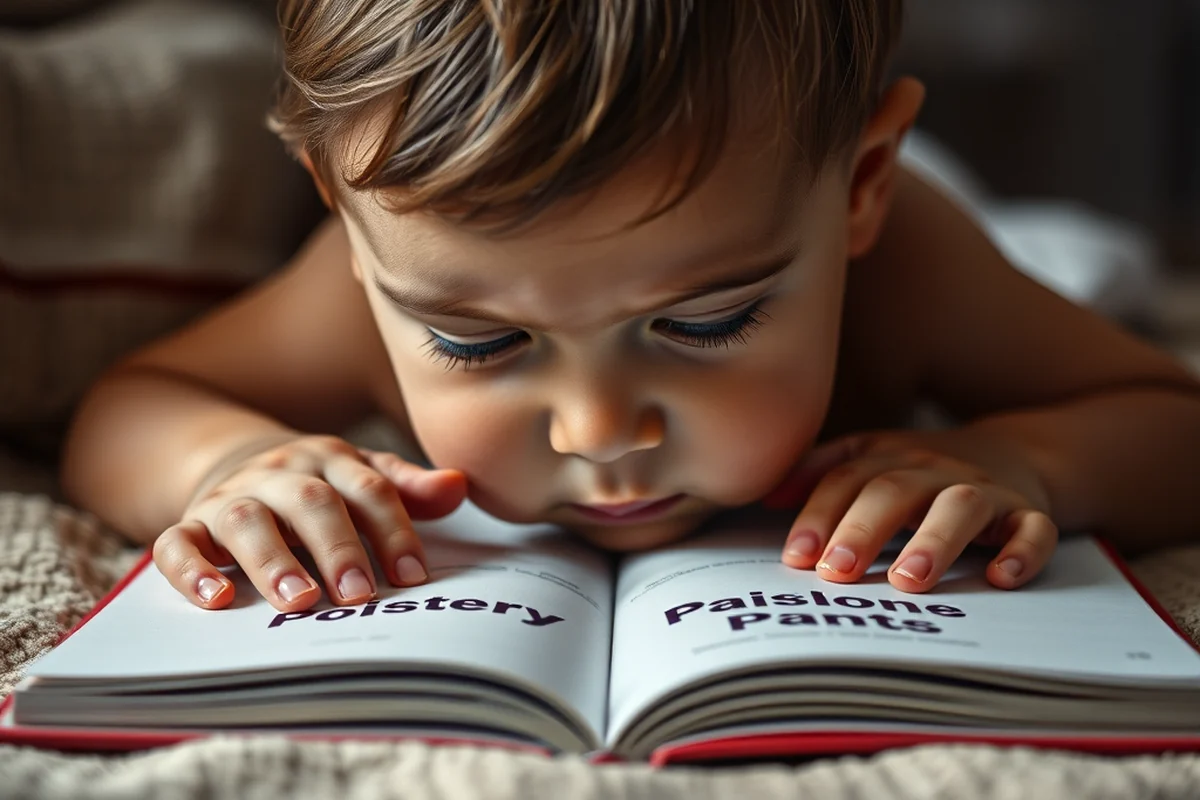
One of the biggest advantages of toddler potty training pants is that they can significantly reduce the number of accidents. I found that these pants helped my daughter stay dry for longer, which made the process more manageable for us both. This, in turn, reduced the stress that often comes with potty training.
Another benefit is the sense of independence that these pants can foster. I saw how my daughter would proudly show off her ‘big kid’ pants, which gave her a sense of accomplishment and motivation to keep trying. This psychological boost can be just as important as the practical benefits.
These pants also tend to be more comfortable than traditional diapers, which is a major plus for any toddler. I found that the softer, more breathable materials helped prevent rashes and made the overall experience more pleasant for my daughter.
Potty training pants are a small investment with a big payoff.
Related: Diy potty training for girls
Choosing the Right Potty Training Pants for Your Toddler
Choosing the right pair of toddler potty training pants can be overwhelming, especially with so many options on the market. I looked for pants that fit well and were made from breathable, hypoallergenic materials. It's important to find pants that are the right size to prevent leaks and ensure comfort.
I also paid close attention to the ease of use. I found that pants with a front-opening design made it easier to change my daughter, especially when we were out of the house. These features can make a big difference in the long run.
I also considered the durability of the pants. Some brands are more resilient and last longer, which can be a big plus for parents who are trying to make the most of their investment.
Look for potty training pants with a leak-proof liner. I found that these layers help prevent accidents, which can be a huge relief for parents and toddlers alike.
“I remember the day my daughter took her first independent step toward potty training.”— Pottydays editors
Related: Potty training for beginners explained
When to Start Using Potty Training Pants
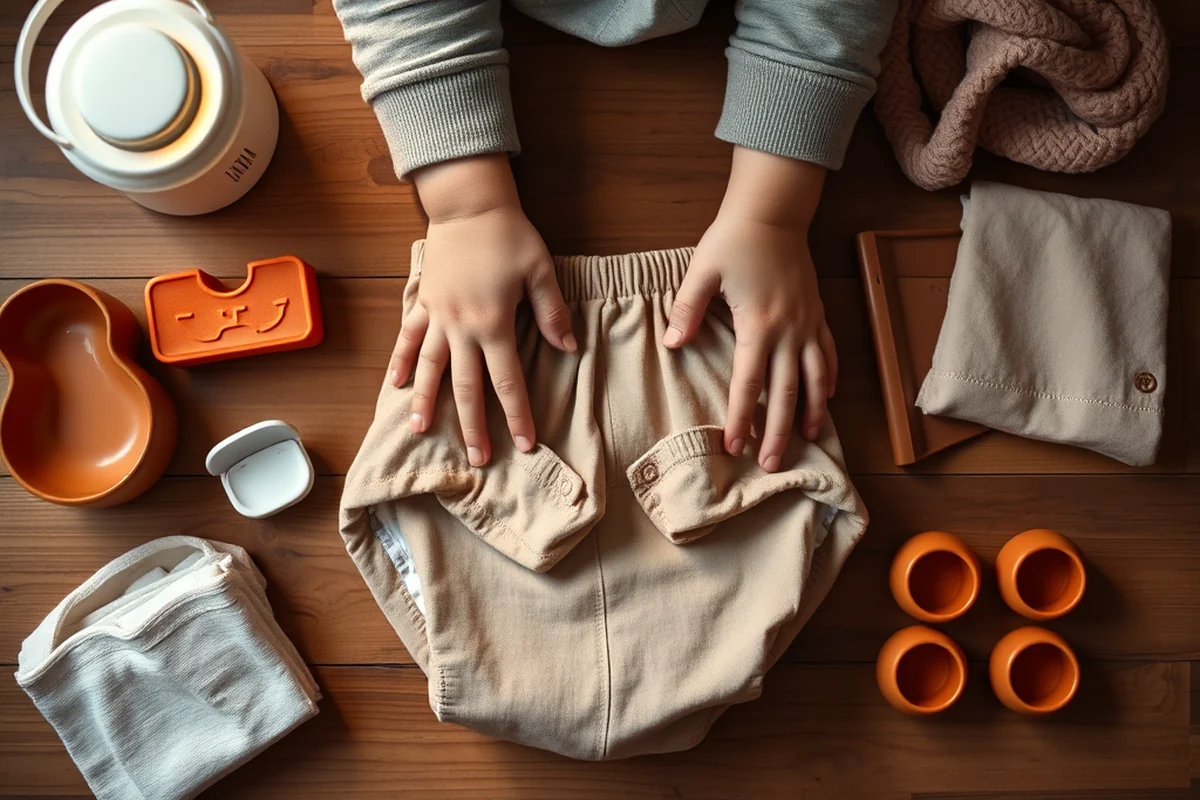
I started using potty training pants with my daughter when she was about 22 months old, and I found that it worked well for us. It's important to choose the right time to start, as some toddlers may not be ready yet. I looked for signs like staying dry for longer periods and showing interest in the potty.[1]
I also considered my daughter’s ability to walk and sit on the potty independently. I found that these developmental milestones were key in determining whether she was ready for potty training pants. It's important to be patient and not rush the process.
I also took into account our family's schedule. I found that starting potty training pants during a more stable time in our lives helped us focus on the process without added stress. It's important to be flexible and make adjustments as needed.
Related: Diy potty training tips
How to Use Potty Training Pants Effectively
I found that using potty training pants effectively required a lot of consistency and patience. I made sure to set a regular routine for my daughter, which included taking her to the potty at the same times each day. This helped her get used to the idea of using the potty and made the process more predictable for us.
I also focused on encouraging my daughter throughout the process. I celebrated her successes, no matter how small, and I made sure to keep her motivated. This positive reinforcement helped her feel more confident and willing to try again after a setback.
I also made sure to keep the atmosphere positive and stress-free. I found that a calm and supportive environment made a huge difference in how my daughter responded to the process. It's important to be patient and not to get frustrated if there are setbacks.
Related: Best potty training ideas
Tips for Making the Transition Easier
I found that creating a positive environment was key to making the transition easier. I made sure to keep the process fun and encouraging, and I avoided making it feel like a chore. This helped my daughter stay motivated and interested in the process.
I also used consistent strategies throughout the transition. I made sure to follow the same routine each day, which helped my daughter feel more secure and less confused. This consistency made the process more predictable for both of us.
I also made sure to be patient and not get discouraged if there were setbacks. I found that the process wasn't always smooth, but by staying positive and encouraging, I was able to help my daughter feel more confident and motivated.
Consistency and encouragement are the cornerstones of successful potty training.
Related: Potty training for boys explained
What to Do if Your Toddler Resists Potty Training Pants
I found that resistance to potty training pants can be a common issue, and it's important to stay patient and not push too hard. I made sure to give my daughter time to adjust and not force the process if she was uncomfortable.
I also tried different strategies to help her feel more comfortable. I found that involving her in the process, such as letting her choose her own pants or setting up a reward system, made a big difference in her willingness to try.
I also made sure to be flexible and not get discouraged if she resisted at first. I found that by staying positive and offering support, I was able to help her feel more confident and interested in the process.
🌱 Gentle Approach
This method focuses on patience, positive reinforcement, and creating a stress-free environment for your toddler.
🚀 Fast-Track Method
This approach involves setting clear expectations, using a structured routine, and minimizing distractions.
✈️ Travel/Away-from-Home Strategy
This method is ideal for families who are frequently on the move and need practical solutions for potty training on the go.
👶 Multiples Method
This approach is tailored for parents with multiple toddlers, focusing on consistency and shared routines.
🔄 Regression Reset
This method is for parents who are dealing with setbacks and need a fresh start to reignite progress.
| The mistake | Why it happens | The fix |
|---|---|---|
| Skipping the trial period | Not testing different brands or sizes can lead to discomfort and resistance from your toddler. | Try a few different brands and sizes to find the one that works best for your child. |
| Ignoring the signs of readiness | Starting too early or too late can lead to frustration and resistance. | Look for signs like staying dry for longer periods and showing interest in the potty before starting. |
| Forcing the process | Pushing too hard can make your toddler feel anxious and resistant to the process. | Be patient and let your toddler take the lead in the process. |
| Not involving your toddler | Not involving your toddler in the process can make them feel like they're being forced into something they don't want. | Let your toddler choose their own potty training pants and involve them in the process as much as possible. |
Toddler Potty Training Pants
Common Questions
Are toddler potty training pants suitable for all ages?
How often should I change toddler potty training pants?
Can I use toddler potty training pants for overnight use?
Are toddler potty training pants reusable?
References
- Potty Training With Young Children - Crane CenterCrane Center (crane.osu.edu)
- Development Signs in Healthy Toddlers in Different Stages of Toilet ... (pmc.ncbi.nlm.nih.gov)
- Toilet Training Your Toddler: 5 Evidence-Based Tips from a Board ... (williamjames.edu)
- Dry pants: A rapid method of toilet training children - ScienceDirect (sciencedirect.com)
Cite this guide
Pottydays (2026). Toddler Potty Training Pants. https://pottydays.com/toddler-potty-training-pants/
Feel free to cite or share this guide.
Potty Training Readiness Check
Seven-question potty-training readiness screen with a band and next steps.
Open it free →