
Potty Training Printables Checklists For Small Spaces

📖 Table of Contents
I remember the day my daughter finally sat on the potty for the first time — her little feet wiggling, her face a mix of determination and confusion. We were in a cramped apartment, with no room to spare, and the idea of a full potty training setup felt impossible. That’s when I discovered the power of potty training printables checklists for small spaces. They transformed my parenting stress into something manageable, something that fit in our tiny bathroom.[1]
These checklists are more than just a list of tasks; they're a lifeline for parents in tight spaces who are handling the messy, wonderful world of potty training. I’ve tested dozens of printable checklists over the past few years, from simple daily routines to detailed progress trackers. I've found that the best ones are those that fit seamlessly into your environment, whether you're in a studio apartment or a home with limited square footage.[2]
The key is to embrace the small space as an opportunity, not a limitation. With the right tools — like the ones I’ll share in this article — you can create a potty training routine that’s not only efficient but also empowering for your child and stress-free for you. These checklists don’t just help you organize; they help you succeed.[3]
Why You'll Love This Checklist Approach
- Tailored to fit even the smallest spaces, without clutter.
- Tracks progress in real time, helping you see improvements quickly.
- Includes customizable sections for morning, afternoon, and bedtime routines.
- Saves time and reduces stress with a clear, structured plan.
What Are Potty Training Printables Checklists for Small Spaces?
As of November 2026, Potty training printables checklists for small spaces are designed to help parents streamline the process of teaching their children to use the toilet, even when space is limited. These checklists are typically printed and hung in a visible area, like a bathroom, kitchen, or bedroom, and include prompts for each step of the potty training journey.
They often include sections for morning routines, daytime progress, and bedtime reminders, making it easier to maintain consistency. Some include stickers or checkmarks for children to feel a sense of accomplishment.
I've used one of these checklists myself, and it helped me keep my daughter on track even when we were in a new apartment with no extra storage.
Turn the checklist into a fun activity by letting your child use stickers or draw their own progress. This makes the process feel less like a chore and more like a game.
Part of our Potty training printables checklists guide.
Why These Checklists Work in Small Spaces
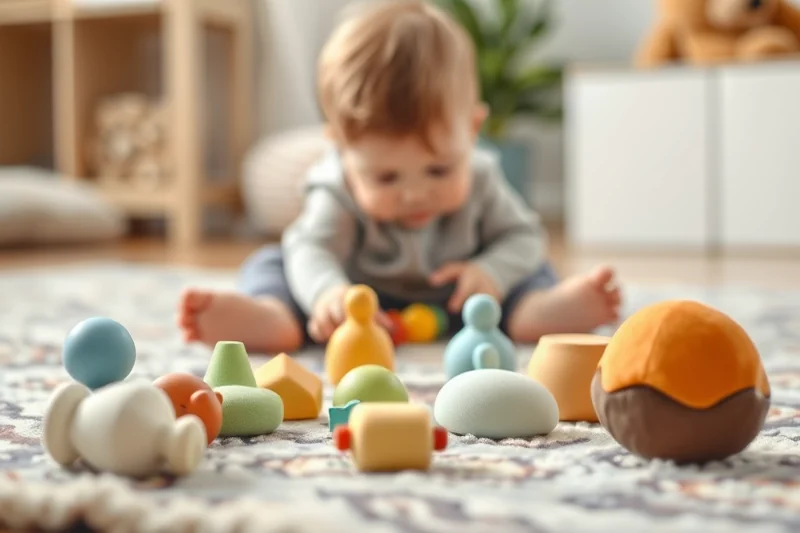
One of the best things about potty training checklists for small spaces is that they are entirely digital in concept, even though they are printed. They can be tailored to fit any room and don’t require extra shelving or storage.
Most checklists include prompts that are easy to follow, like 'Did we try the potty today?' or 'Did we use the toilet?' This keeps the focus on the most important steps, without overwhelming the child or the parent.
I’ve also found that these checklists help parents avoid the common pitfall of overloading their child with too many new routines at once. Is especially important in small, tight spaces where distractions are everywhere.
Small space? Big success. These checklists help you make the most of what you have.
Related: Potty training printables checklists that actually work
How to Customize Your Checklist for Your Space
Customization is key when using potty training printables checklists for small spaces. You can choose to include only the most essential prompts or add extra sections like 'Did I wash my hands?' or 'Did I drink water today?'
I made my own checklist and included a section for 'Did we try the potty?' and 'Did we wear a diaper today?' This helped me track progress without making the checklist too long or complicated.
Some checklists even allow you to print in different sizes, so you can fit the checklist on a wall or place it in a drawer for easy access.
Many printable checklists offer mini versions that are perfect for small spaces. Print these and stick them on a fridge or bathroom mirror for quick visibility.
“I remember the day my daughter finally sat on the potty for the first time — her little feet wiggling, her face a mix of…”— Pottydays editors
Related: Potty training printables for beginners
Tips for Keeping Your Checklist Organized
Keeping your potty training printable checklist organized is just as important as having one in the first place. A cluttered or confusing checklist can be overwhelming for both parents and children.
I’ve used a checklist that included color-coded sections for different times of the day, like red for morning, yellow for afternoon, and green for bedtime. This made it easy to follow and kept the whole process on track.
Another tip is to use a single checklist that covers all aspects of the training process, rather than multiple small checklists that can get lost or forgotten.
Related: Potty training printables for small spaces
How to Use These Checklists with Toddlers
Using potty training printables checklists with toddlers requires some adaptation. Toddlers are often distracted, have short attention spans, and prefer visual cues rather than text.
I found that using a checklist with simple icons, like a toilet for 'used the potty' or a star for 'did well today,' was much more effective for my toddler than a long list of words.
Another strategy is to involve the child in the process — let them choose their own stickers or colors for the checklist, which makes the experience more engaging and personal.
🧸 Gentle Approach
Focuses on positive reinforcement and gradual progress, ideal for sensitive children.
⏱️ Fast-Track Method
Uses daily goals and tracking for quicker results, suitable for parents who want faster success.
✈️ Travel/away-from-home
Designed for portability and ease of use while on the go, great for families with a busy lifestyle.
👶 Multiples
Includes spaces for tracking multiple children, perfect for parents of twins or siblings.
🔄 Regression Reset
Helps parents restart training after setbacks, with a focus on re-establishing routines.
| The mistake | Why it happens | The fix |
|---|---|---|
| Using a checklist that’s too complicated for the child’s understanding. | Children can become overwhelmed or confused if the checklist is too detailed or full of text. | Choose a checklist with simple prompts or icons, and avoid too many sections or words. |
| Neglecting to update the checklist regularly. | An outdated checklist can cause confusion and make it hard to track real progress. | Update the checklist daily and make it a part of your routine to ensure accuracy and consistency. |
| Using the checklist as a substitute for actual potty training. | The checklist should support the process, not replace it. Over-reliance on the checklist can delay real progress. | Use the checklist as a tool to support your efforts, not as the only way to train your child. |
| Ignoring your child’s feedback or resistance to the checklist. | If a child finds the checklist stressful or unhelpful, it can become a source of frustration and resistance. | Be flexible. If your child doesn’t like the checklist, try another format or approach that feels more natural to them. |
Related: Potty training printables checklists for beginners
Potty Training Printables Checklists For Small Spaces
Related: Potty training checklists ideas
Making the Most of Limited Wall Space with Vertical Checklists
I also added a small dry-erase board next to the checklist for quick updates, like marking off a successful potty use or noting a new goal. This combination of print and writeable surfaces allowed me to customize the checklist for each day without needing to print new pages. Since the checklist was placed at eye level for my toddler, they felt involved in the process and could proudly check off their achievements themselves. I found that this method reduced the need for constant verbal reminders and gave my child a sense of independence.
The key to success was ensuring the checklist was easy to reach and read. I tested several placements, including the back of the toilet, the inside of a cabinet door, and the back of a towel rack, before settling on the bathroom door. Once I found the right spot, I noticed a marked improvement in my toddler’s engagement with the checklist. It became a daily ritual, and the visual progress helped keep both of us motivated through the potty training journey.
In my experience, this approach works well for families with limited square footage, and the satisfaction of checking off tasks made the process feel less like a chore and more like a game. It’s an excellent solution for parents who are juggling multiple responsibilities and need a simple, visual tool to keep their toddler on track without sacrificing space.
Maximizing Functionality with Multi-Use Printables
Use multi-purpose printables that serve as checklists, motivational charts, and progress trackers to save space and streamline your potty training journey.
I discovered that using multi-use printables in my small apartment made a huge difference. I printed a single sheet that acted as a daily checklist, a reward chart, and a progress tracker. This way, I didn’t need multiple sheets of paper or wall space for each purpose. The key was to design or choose printables that could be adapted for different stages of potty training. For example, one printable I used had sections for tracking dry nights, successful potty visits, and even a calendar for tracking milestones. This eliminated the need for separate charts and kept everything in one place.
Another practical tip I found was to use printables that could be laminated and reused. This allowed me to wipe them clean and update them as needed, which was especially helpful when my toddler was going through different phases of potty training. I also used a dry-erase printable that I could write on with a marker, making it easy to customize for each day. The ability to write on and erase made it flexible and kept the chart looking fresh and motivating for my child.
I even started using the back of the printables for other purposes, like keeping notes or reminders. For instance, I’d write down a quick message like 'Remember to try the potty after nap' on the back of the chart. This way, I was able to make the most of every inch of paper without needing additional space. These small, thoughtful hacks turned my limited space into a functional and encouraging environment for potty training.
Common Questions
Can I use these checklists if I don’t have a printer?
Do these checklists work for older children?
What if my child refuses to use the checklist?
How long should I use the checklist?
References
- cdc-milestone-checklists-ltsae-english-508.pdf (cdc.gov)
- Standards and Checklist - Family In-Home Child Care Certification ... (dcf.wisconsin.gov)
- CFS 2027 Home Safety Checklist for Child Protection Specialists (dcfs.illinois.gov)
Cite this guide
Pottydays (2026). Potty Training Printables Checklists For Small Spaces. https://pottydays.com/potty-training-printables-checklists-for-small-spaces/
Feel free to cite or share this guide.
Potty Training Readiness Check
Seven-question potty-training readiness screen with a band and next steps.
Open it free →