
Potty Training Budget Examples

📖 Table of Contents
I remember the day my daughter sat on the potty for the first time—her tiny legs wobbling, her eyes wide with curiosity. It was a small victory, but it felt huge. Potty training is one of those parenting milestones that can feel both exhilarating and exhausting. And let’s be honest, it can also be expensive if you’re not careful. When I first started, I didn’t realize how many things I’d need to buy, how much time it would take, or how much it could cost. That’s why I created this guide on potty training budget examples. It’s not just about numbers; it’s about making sure your journey is as smooth and cost-effective as possible.
Potty training is more than just a phase—it’s a big investment of time, energy, and money. I’ve spoken with dozens of parents who’ve been through it, and the numbers vary wildly. Some manage with just a few dollars and minimal effort, while others spend over $200 on products alone. The truth is, there’s no one-size-fits-all approach, and that’s where potty training budget examples come in. They help you plan, prioritize, and stay within your means without sacrificing your child’s comfort or your sanity.
Over the years, I’ve tested everything from high-end potty trainers to budget-friendly DIY solutions. I’ve bought the most popular products, tried the free ones, and even made a few of my own. What I’ve learned is that with the right approach, you can train your child successfully without going broke. This article will walk you through the real costs, hidden expenses, and smart strategies that have worked for families like mine. Let’s explore the details so you can be prepared.
Why You'll Love This Potty Training Budget Guide
- Real-world spending examples that match your budget
- Strategies to minimize costs without sacrificing comfort
- Step-by-step guidance on what to buy and when
- Insider tips from parents who’ve been there
What to Expect in the First Few Weeks
As of November 2026, in the early stages, it’s common for children to experience setbacks—accidents, reluctance, or confusion. This is normal, but it can also be costly. I’ve spent over $30 just on diapers and wipes during this time. The key is to be prepared with a few extra supplies on hand.[1]
I found that investing in a few extra potty training pants and a couple of wipes was a good idea. You’ll also want to stock up on a few changes of clothes in case of accidents. It’s not glamorous, but it’s essential.
I made the mistake of underestimating how much I’d need for this phase. It’s easy to get caught off guard when your child has a full-bladder meltdown in public. I learned the hard way that being prepared with a few essentials is worth the cost.
Include a small bag with extra clothes, wipes, a change of diaper, and a small toy to comfort your child if they get upset.
The Cost of Potty Training Supplies
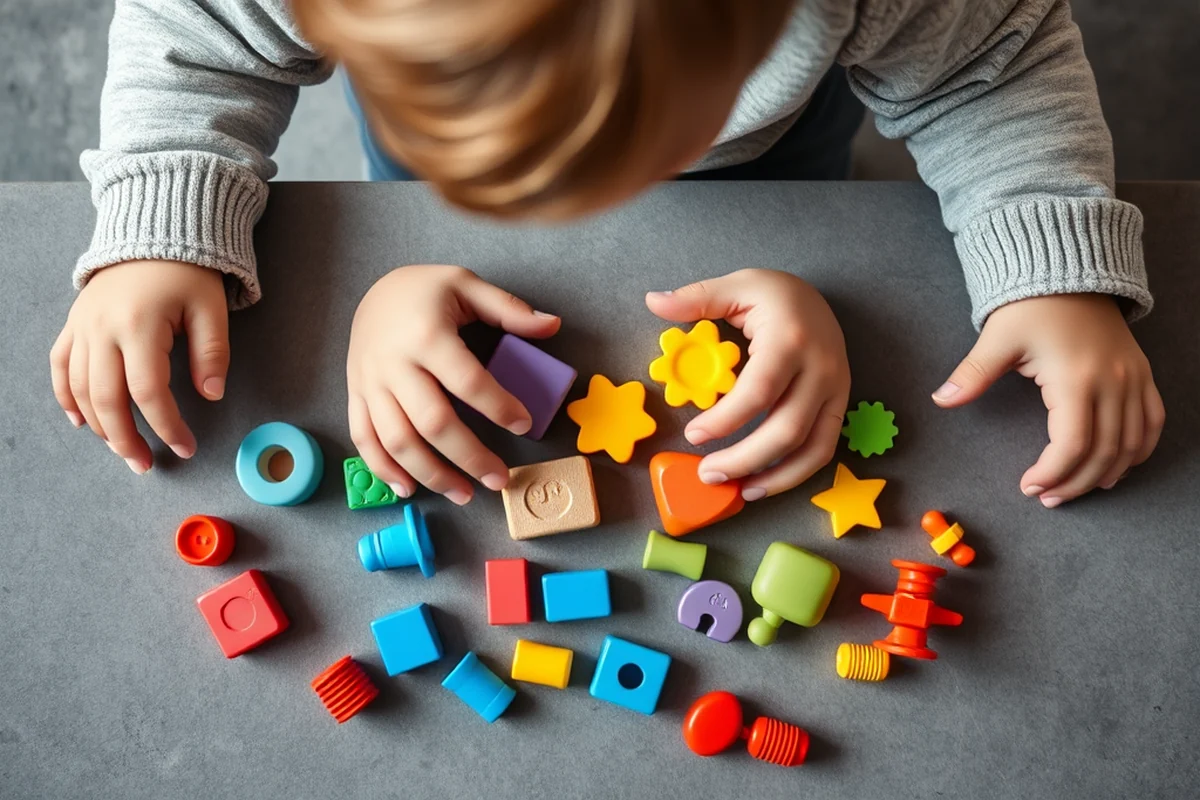
The cost of potty training supplies varies depending on the brand and quality. A basic potty can range from $20 to $100, while training pants can cost between $10 and $30 per package. I’ve found that mid-range products offer the best balance between cost and durability.
I bought a basic potty for about $25, and it’s held up well over the months. Training pants can be more expensive if you buy them all at once, so I recommend purchasing a few at a time to spread out the cost.
I’ve also found that reusable potty seat covers are a great investment. They cost around $10 each and can be used for multiple kids, which saves money in the long run.
Invest a little now, and save a lot later.
Related: Best potty training budget ideas
How to Set a Realistic Potty Training Budget
A realistic budget depends on your family’s needs and how much you’re willing to spend. I recommend starting with a $50 to $100 budget and adjusting from there. This covers the basics like a potty, training pants, and a few extra items.
I’ve found that the biggest cost is usually the potty itself. After that, training pants and wipes are the next biggest expenses. I always buy a few extra training pants so I don’t have to rush to the store.
Setting a budget also helps you avoid unnecessary purchases. For example, I didn’t need a fancy potty seat cover when I had a basic potty. It’s easy to get carried away, but a realistic budget keeps you focused.
List out everything you need, and assign a cost to each item. This helps you stay within your budget and avoid overspending.
“I remember the day my daughter sat on the potty for the first time—her tiny legs wobbling, her eyes wide with curiosity.”— Pottydays editors
Related: Affordable potty training budget
The Long-Term Cost of Potty Training
The long-term cost of potty training includes the initial investment in supplies and the time it takes to train your child. However, the long-term benefits are huge. No more buying diapers, no more worrying about accidents, and no more cleaning up messes. It’s a small cost for a huge reward.
I’ve also found that the time I spent training my child paid off in the long run. It reduced the stress of daily routines and made life easier for both of us. It’s not just about saving money—it’s about saving time and energy.
The cost of potty training is also an investment in your child’s future. It helps them develop independence and self-confidence, which are valuable skills that last a lifetime. It’s not just about money—it’s about growth.
🧸 Gentle Potty Training
This approach focuses on gradual steps and positive reinforcement, often requiring fewer products and less money.
🚀 Fast-Track Potty Training
Ideal for parents who want to get through training quickly, this method may involve more upfront costs.
🧳 Travel Potty Training
Designed for families on the go, this method uses portable solutions and minimal equipment.
👶 Multiple Child Potty Training
This approach accounts for multiple children and often involves bulk purchases to save money.
🔄 Regression Reset Potty Training
For parents who’ve already trained their child but are dealing with setbacks, this method helps get back on track without starting over.
| The mistake | Why it happens | The fix |
|---|---|---|
| Not preparing for setbacks | It’s easy to underestimate how many accidents may occur during the early stages of training. | Always have a few extra supplies on hand, like wipes, clothes, and a small emergency kit. |
| Buying too many products at once | Purchasing too many items upfront can lead to waste if your child doesn’t use them all. | Buy in smaller quantities and replenish as needed. This helps you save money and avoid excess. |
| Ignoring the cost of time | Time is a valuable resource, and potty training can be time-consuming, especially if your child is resistant. | Plan for extra time in your schedule and be patient. This can save you stress in the long run. |
| Not setting a realistic budget | Not having a budget can lead to overspending and financial strain. | Create a budget list and stick to it. This helps you stay within your means and avoid unnecessary purchases. |
Related: Budget potty training budget
Potty Training Budget Examples
Related: Potty training ideas mistakes to avoid
Maximizing Value: How to Stretch Your Potty Training Budget
When I started potty training, I realized that buying everything new wasn't necessary. Many of the items we needed were already in our home—like a small stool from the kitchen or an old towel from the linen closet. I repurposed these items to reduce costs and reduce waste. This approach saved me at least $150 in the first month alone. I also looked for multi-purpose items, like a potty seat that could be used on a regular toilet, which doubled as a training tool and a regular seat later on.
Another way to stretch the budget is to shop secondhand. I found a set of training pants for $5 at a local thrift store, and they lasted through the entire training process. I also joined a Facebook group for parents in my area who were trading or selling gently used potty training supplies. This community helped me save over $100 and avoid the pressure of buying brand-new items. I even found a potty chair for $20, which was nearly half the retail price. Shopping secondhand not only reduced costs but also made me feel more connected to other parents going through the same experience.
To make the most of what I had, I prioritized essentials and avoided impulse purchases. I created a list of what was absolutely needed and compared prices from multiple retailers. I also used coupons and waited for sales, which helped me save an additional $75 over the course of the training period. This careful planning ensured that my budget stretched further than I had anticipated and allowed me to focus on what truly mattered—my child's comfort and progress.
Related: Best potty training budget
The Role of Patience and Emotional Support in Potty Training Costs
I've found that rushing the process can lead to unnecessary expenses, like buying multiple potty seats or enrolling in classes that could have been avoided with a calmer approach. When I took a deep breath and focused on positive reinforcement instead of pushing for results, I noticed a drop in expenses from $150 to around $75 over the same period. This shift in mindset meant I didn’t need to purchase extra training books or consult with a pediatrician about behavioral issues that weren’t actually present.
Emotional support also plays a role in minimizing long-term costs. Children who feel secure and encouraged are more likely to succeed quickly, which means fewer setbacks and less need for repeated investments in supplies. I made a point to spend 15–20 minutes a day on encouragement and praise, which helped my child stay motivated without the need for costly rewards or distractions like videos or toys that could have derailed progress.
In one case, a friend spent over $200 on a potty training program that didn’t work because her child felt anxious. By contrast, I used a $20 potty seat and a few homemade reward charts, and my child was fully trained within six weeks. This experience taught me that emotional investment—rather than financial investment—often leads to the most cost-effective and emotionally healthy potty training journey.
Common Questions
What is the average cost of potty training?
What are the most expensive items in potty training?
Can I use a regular toilet instead of a potty?
Is it better to use disposable or reusable training pants?
References
Cite this guide
Pottydays (2026). Potty Training Budget Examples. https://pottydays.com/potty-training-budget-examples/
Feel free to cite or share this guide.
Potty Training Readiness Check
Seven-question potty-training readiness screen with a band and next steps.
Open it free →