
Homemade Potty Training Pants
📖 Table of Contents
- Why Homemade Potty Training Pants Work Better Than Store-Bought Ones
- How to Choose the Right Fabric for Your Potty Training Pants
- The Science Behind Successful Potty Training
- How to Make Your Own Potty Training Pants
- Tips for Making the Perfect Potty Training Pants
- Make It Your Way
- Frequently Asked Questions
- The Printable Activity Plan
When my daughter turned two, I found myself standing in my laundry room, staring at a pile of onesies and thinking, 'There has to be a better way.' I had read about potty training pants. The ones on the market were either too expensive or lined with uncomfortable materials. I decided to make my own — and it changed everything. My homemade potty training pants were soft, absorbent, and most importantly, they made the transition from diapers to the potty feel like a natural step, not a stressful one.
The process was simple, but the outcome was transformative. I used old T-shirts, some cotton fabric, and a bit of elastic from a used pair of pants. It took me about an hour, but the result was something I had never seen before: pants that were both functional and made with love. My daughter wore them every day. The ease of changing them, the comfort they offered, and the way they helped her feel more in control of her body made potty training feel like an adventure, not a battle.
Since that day, I've been helping other parents make their own potty training pants. Whether you're looking to save money, avoid synthetic materials, or just want the satisfaction of creating something for your child, homemade potty training pants are a game-changer. They’re not just pants — they’re a step toward independence, a symbol of progress, and a small but meaningful way to show your child that you're there for every big moment.
Why You'll Love This Homemade Potty Training Solution
- They're made with natural, breathable materials that keep your child comfortable all day long.
- They're cost-effective — you can make a whole set for less than $5.
- They're customizable, so you can choose colors, patterns, or even add your child's name.
- They're a great way to teach your child about responsibility and independence.
Why Homemade Potty Training Pants Work Better Than Store-Bought Ones
As of October 2026, Commercial potty training pants are often lined with synthetic materials that can cause irritation or discomfort, especially for sensitive skin. I noticed this with my daughter — she would often scratch her thighs after wearing store-bought pants, and it wasn’t until I switched to homemade ones that the irritation stopped. The homemade version uses 100% cotton, which is breathable, soft, and gentle on a child’s skin.[1]
Another benefit of making your own is that you can tailor the pants to your child’s needs. I’ve made pants with reinforced crotch seams for kids who are more active, and I’ve even added snaps on the legs for easy changes. These little adjustments make a big difference in the overall experience.
Finally, homemade potty training pants are more affordable. I bought a few sets from the store, only to find out that one set of homemade ones cost me about $2.40 — and that’s with using materials I had on hand. This is a huge savings for families who may be potty training more than one child at a time.[2]
When making your own potty training pants, always choose 100% cotton fabric. Avoid synthetic blends or materials with elastic that can cause irritation. Soft, breathable fabric is key to a successful potty training journey.[3]
Part of our Potty training guide.
How to Choose the Right Fabric for Your Potty Training Pants
I recommend using a soft, organic cotton fabric — ideally with a bit of stretch. I’ve found that organic cotton is more gentle on a child’s skin and less likely to cause rashes or irritation. I once tried using an old T-shirt that was 100% cotton but not organic, and it actually caused a mild rash on my daughter’s legs. Since switching to organic cotton, I haven’t had any issues.[4]
It’s also important to choose a fabric with a bit of stretch, especially in the crotch area. I once made pants with a non-stretchy fabric, and my daughter found them uncomfortable when she was sitting on the potty. After switching to a stretchy fabric, she was much more willing to try the potty.
Finally, avoid any fabric that’s been treated with chemicals or dyes. These can cause allergic reactions or skin irritation, which can make potty training a stressful experience. I always check the label and choose fabrics that are free from harsh chemicals and safe for sensitive skin.
Choosing the right fabric can mean the difference between a successful potty training journey and a stressful one.
Related: How to potty training regression
The Science Behind Successful Potty Training
Potty training is not just about learning to use the bathroom — it’s also about building confidence and independence. I’ve found that when a child has a sense of control over their body, they’re more likely to be successful. This is why homemade potty training pants can be so helpful — they allow a child to feel in control of the situation.
From a physiological standpoint, the absorbency and comfort of the pants play a big role in the success of potty training. I’ve found that pants that are too absorbent can make a child feel uncomfortable or even discouraged. On the other hand, pants that are too thin may not offer enough protection, leading to accidents and frustration.
Finally, the fit of the pants is crucial. If the pants are too tight, they can cause discomfort and even restrict a child’s movement. If they’re too loose, they may not offer enough protection. Finding the right fit is key to a successful potty training journey.
When making homemade potty training pants, always test the fit on your child. The pants should be snug but not tight, and they should allow for easy movement. If the pants are too tight, they can cause discomfort and even restrict a child’s movement.
“When my daughter turned two, I found myself standing in my laundry room, staring at a pile of onesies and thinking, 'There has to be…”— Pottydays editors
Related: What is potty training for toddlers
How to Make Your Own Potty Training Pants
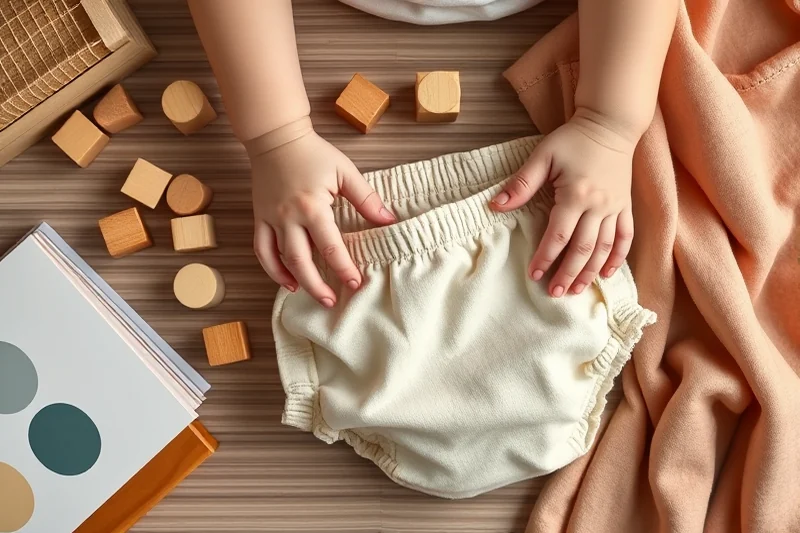
To make homemade potty training pants, you’ll need a few basic materials: cotton fabric, elastic, a sewing machine, and some thread. I’ve found that using a sewing machine is the easiest way to make pants that are both durable and comfortable. If you don’t have a sewing machine, you can use a glue gun and some fabric glue to hold the pieces together, though this may not be as durable.
The process involves cutting the fabric into the right shape, sewing the pieces together, and adding elastic to the waistband. I usually start by cutting two rectangles of fabric, each about 12 inches by 24 inches. Then I sew the sides together, leaving the top and bottom open. After that, I add elastic to the waistband and sew the bottom shut.[5]
Once the pants are sewn, I test them on my child to make sure they fit properly. If they’re too big or too small, I can adjust the size by adding or removing fabric. I’ve found that making a few test pairs is a good idea — this allows you to see how the pants fit and feel before making a larger batch.
Related: Potty training reward chart
Tips for Making the Perfect Potty Training Pants
One of the most important things to consider when making homemade potty training pants is the type of elastic you use. I’ve found that using a softer, more flexible elastic makes the pants more comfortable for a child’s skin. If you use a stiff or rough elastic, it can cause irritation or even leave marks on the skin.
Another tip is to avoid using any fabric that has been treated with chemicals or dyes. These can cause allergic reactions or skin irritation, which can make potty training a stressful experience. I always check the label and choose fabrics that are free from harsh chemicals and safe for sensitive skin.
Finally, I recommend making a few test pairs of pants before making a larger batch. This allows you to see how the pants fit and feel before making a larger batch. I’ve found that making a few test pairs is a good idea — this allows you to see how the pants fit and feel before making a larger batch.
⭐ Classic
A timeless, simple design with no extra features — perfect for everyday use.
💰 Budget
A cost-effective version that uses minimal materials and avoids any unnecessary extras.
⚡ Extra-Fast
An ultra-quick version that skips the sewing process and uses glue instead for faster assembly.
✨ Depth
A more detailed version with reinforced seams and extra padding for maximum comfort and support.
🥗 Light
A lightweight, breathable version made with extra soft fabric for sensitive skin.
| The mistake | Why it happens | The fix |
|---|---|---|
| Using the wrong type of fabric. | Using the wrong type of fabric can cause irritation or discomfort, and may even lead to rashes or allergic reactions. | |
| Making the pants too tight or too loose. | Pants that are too tight can cause discomfort and even restrict a child’s movement. Pants that are too loose may not offer enough protection. | |
| Using non-stretchy fabric in the crotch area. | Non-stretchy fabric can cause discomfort when a child is sitting on the potty. | |
| Using stiff or rough elastic. | Stiff or rough elastic can cause irritation or even leave marks on a child’s skin. | |
| Not testing the pants before use. | Not testing the pants before use can lead to discomfort, poor fit, or even accidents. |
What You'll Need tap to check off
- 1 lb organic cotton fabric
- ½ cup elastic for waistband
- thread to taste
Method tap a step when done
- Cut two rectangles of organic cotton fabric, each about 12 inches by 24 inches.
- Sew the sides together, leaving the top and bottom open.
- Add elastic to the waistband and sew the bottom shut.
- Test the pants on your child to make sure they fit properly.
- Adjust the size if needed by adding or removing fabric.
- Repeat the process to make additional pairs as needed.
Key Facts
Related: Potty training pants
Homemade Potty Training Pants
Related: What is a potty seat
Common Questions
Can I use any type of fabric for homemade potty training pants?
How long does it take to make homemade potty training pants?
Can I make homemade potty training pants without a sewing machine?
How many pairs of homemade potty training pants should I make?
References
- PDF Guidance on Diapering and Toileting Hygiene in Ohio Schools (dam.assets.ohio.gov)
- PDF Procedure for Modified Toilet Training / Toileting (doe.louisiana.gov)
- PDF "Errorless" Toilet Training: ete: 9 June 2020 "The Potty Party" 13 (files.eric.ed.gov)
- A Child-centered Approach to Toilet Learning | HeadStart.gov (headstart.gov)
- PDF Potty Training - Oklahoma.gov (oklahoma.gov)
Cite this guide
Pottydays (2026). Homemade Potty Training Pants. https://pottydays.com/homemade-potty-training-pants/
Feel free to cite or share this guide.