
Toddler Potty Training Sticker Chart

📖 Table of Contents
The day my daughter finally peed on the potty without me holding her hand, I felt like I’d just finished a marathon. It was messy, it was loud, and it was a small victory in the grand scheme of things, but it was mine. Potty training is one of those milestones that feels like it should be easier than it is — and yet, for many parents, it’s a minefield of frustration, tears. The occasional moment of panic. I’ve tried every method out there: the sticker chart, the reward system, even the 'just wait and see if they’re ready' approach. But if there’s one thing I learned, it’s that a toddler potty training sticker chart can be a game-changer.[2]
I remember staring at a wall of stickers, some of them ripped, others faded from repeated use. Thinking, 'Is this really the best way to teach a toddler to use the bathroom?' The answer, as it turned out, was a resounding yes. A well-designed sticker chart isn’t just a reward system — it’s a visual representation of progress, a way to celebrate small wins. A tool that can keep a motivated child on track when potty training feels like a battle. It’s also a way to involve your child in the process, giving them a sense of ownership over their success.[3]
The sticker chart I used was simple: a colorful board with a series of steps, each marked with a sticker when completed. My toddler would run to it after every successful trip to the bathroom, and I would sit with her, adding a sticker to the board. It didn’t take long for her to start looking forward to the next one. Over time, this system helped her understand that using the potty was a good thing — and that she was doing it all on her own. The sticker chart was the bridge she needed to cross from reluctance to confidence.
Why You'll Love This Toddler Potty Training Sticker Chart
- It makes progress tangible and rewarding for your child.
- It provides a visual goal for the toddler to work toward.
- It helps maintain consistency and motivation during training.
- It encourages independence and self-pride in your child.
Choosing the Right Sticker Chart
As of November 2026, when I first started using a sticker chart, I picked one with simple, cartoon-like images. It wasn’t flashy, but it was clear and easy for my toddler to understand. The key was to choose a design that matched her interests — if she loves animals, a chart with animals is a good fit. I also looked for charts that had a visual path, like a ladder or a race track, where each step represented a milestone. This helped her see how far she had come and how much more she could achieve.
I found that charts with a small number of steps worked best for my child. Too many steps, and she felt overwhelmed. A chart with around 10 steps, each marked with a clear action (like 'Used the potty without help'), made it easier for her to focus on one goal at a time. It also helped me track her progress and celebrate each small success with her.[1]
Another thing I considered was the material. I went with a reusable chart that came with a set of stickers, which made it more cost-effective and environmentally friendly. It also allowed me to change the stickers as needed, which was helpful when we ran out or wanted to switch up the rewards.
Look for a sticker chart that features characters or images your toddler is already familiar with. This can make the chart more engaging and personal for them.
Part of our Potty training printables checklists guide.
Setting Up Your Sticker Chart
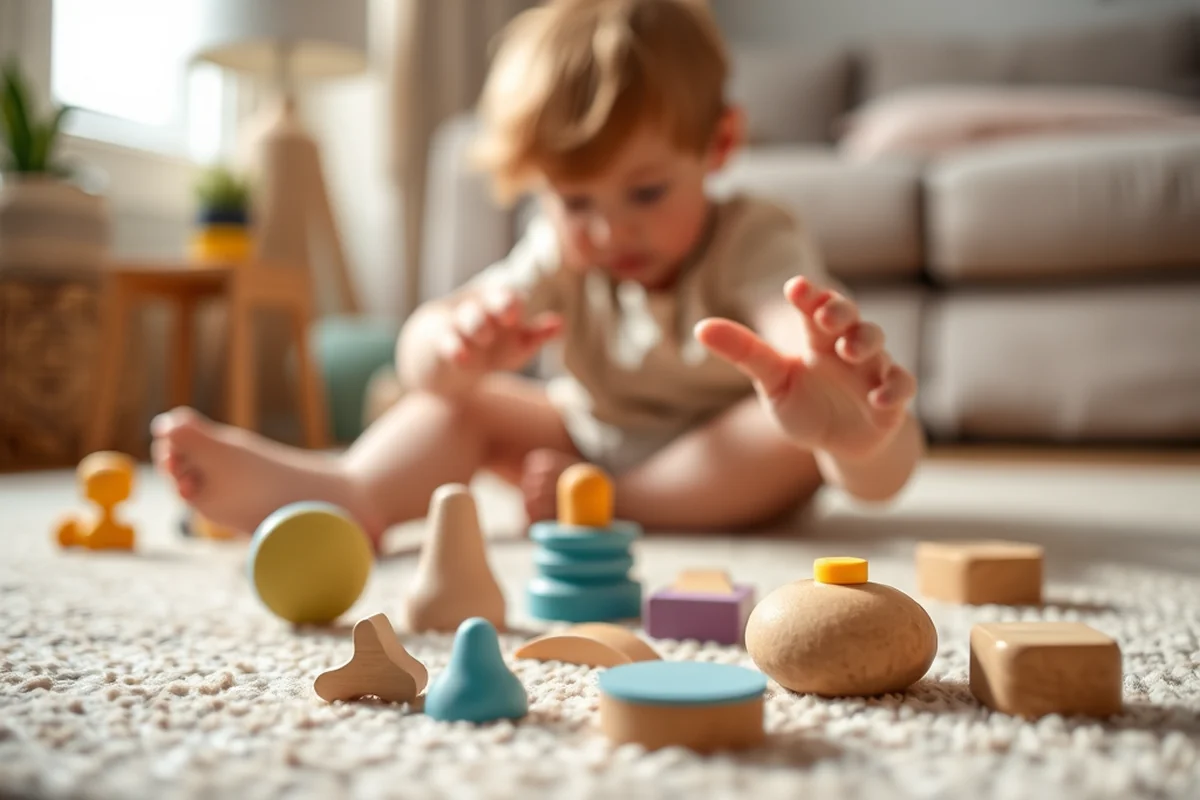
Setting up the sticker chart involved more than just hanging it on the wall. I made sure to place it where my toddler could see it easily, like in the bathroom or in a common area of the house. This way, she could check her progress throughout the day and feel a sense of accomplishment when she saw the stickers on the board.
I also introduced the chart to my toddler with excitement and enthusiasm. I explained what each sticker meant and what she needed to do to earn them. It was important for her to understand that the chart was a way to celebrate her efforts, not just a reward system. I also made sure to be consistent with the rules — if she used the potty, she would get a sticker. If she had an accident, we would talk about it and not put a sticker on the board.
I found that involving my toddler in the setup process helped her feel more invested in the chart. I let her choose the stickers she wanted to use and even helped her draw her own if she wanted. This personal touch made the chart feel like it was hers, not just something I had created for her.
A well-setup sticker chart becomes a child’s greatest cheerleader.
Related: Potty training printables mistakes to avoid
Tracking Progress with the Sticker Chart
One of the biggest advantages of the sticker chart is that it allows parents to visually track their toddler’s progress. I would check the chart each morning and evening to see how many stickers had been added and how far my toddler had come. This helped me stay motivated and reminded me that even small steps were still progress.
I also used the chart as a way to encourage my toddler to keep going. If she had a rough day with a few accidents, I would still acknowledge her efforts and remind her that she was doing well. I made sure not to get too frustrated or upset, as that could make the process more stressful for her.
Another thing I found useful was setting up a reward system that tied into the sticker chart. Once my toddler reached a certain number of stickers, we would have a small celebration, like a special snack or a trip to the park. This helped her see that her efforts were being recognized and appreciated.
Even if your toddler only completes one step on the chart, take the time to celebrate it. This builds confidence and reinforces positive behavior.
“The day my daughter finally peed on the potty without me holding her hand, I felt like I’d just finished a marathon.”— Pottydays editors
Related: How to potty training checklists
Making the Sticker Chart a Motivational Tool
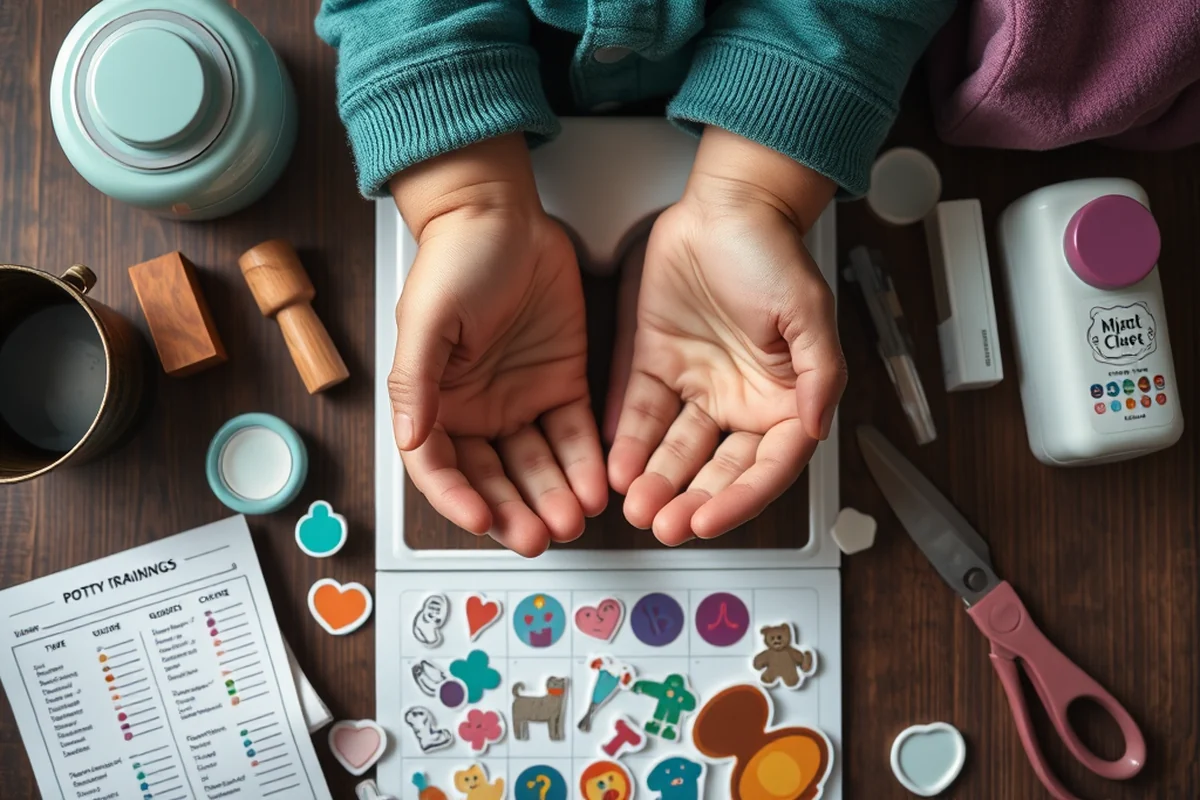
I quickly realized that the sticker chart was more than just a way to track progress — it was a way to keep my toddler motivated. The sight of a new sticker being added to the board was enough to make her run to the bathroom, excited to earn another one. It became a game for her, and I found that she was more willing to try again after an accident if she knew she could earn a sticker the next time.
I made sure to keep the chart in a place where she could see it throughout the day, so she could check on her progress and feel a sense of accomplishment. I also used the chart as a way to reinforce positive behavior. If she used the potty, she would get a sticker, and if she had an accident, we would talk about it and not put a sticker on the board.
Over time, the sticker chart became a source of pride for my toddler. She would point to the board and say, 'Look, I did it!' It was a small moment, but it meant the world to me as a parent. The chart had helped her understand that using the potty was something to be proud of, and that she was capable of doing it on her own.
Related: Potty training printables checklists examples
Involving the Whole Family
I found that involving my husband and other family members in the sticker chart process helped make it more engaging for my toddler. When we all celebrated her successes, it made her feel more supported and encouraged. I would let my husband add a sticker when he saw her use the potty, and even my dog would get a 'paw print' sticker if she used the bathroom successfully.
I also made sure to explain the chart to my toddler’s grandparents and other family members so they could be part of the process. This helped keep the system consistent, even when we were visiting other people’s homes or had family over. It also made the whole family feel like they were helping in the potty training process.
Involving the whole family also helped me stay motivated. Knowing that my toddler was making progress and that others were helping made the process feel less overwhelming. It also gave me a sense of support, which was important during the more challenging days.
Related: Diy potty training printables checklists
Customizing the Sticker Chart
One of the things I found most helpful was customizing the sticker chart to fit my toddler’s needs. I had a few different versions of the chart, each with different goals and rewards. This allowed me to adapt the system as needed, depending on how my toddler was progressing.
I also used the chart to teach my toddler new skills, like washing her hands after using the bathroom or wiping properly. Each new skill was marked with a sticker, which helped her understand that she was learning something important. This made the process feel more like a game and less like a chore.
Another way I customized the chart was by setting different milestones. For example, once my toddler had used the potty for a week straight, we would add a special sticker to the chart. This helped her see that consistency was important and that she was doing well.
A customized chart becomes a personal journey of growth.
Related: Potty training checklists tips
Maintaining Motivation Over Time
As the days went on, I found that maintaining motivation was one of the biggest challenges. It was easy to get discouraged if my toddler had a few setbacks, but I made sure to stay positive and encouraging. I reminded myself that every child is different and that progress, even small, was still progress.
I also made sure to vary the rewards and the way I celebrated successes. Sometimes we would have a special snack, and other times we would go for a walk or watch a favorite show. This kept the process exciting and fresh for my toddler.
I found that being patient and flexible was key to the success of the sticker chart. I didn’t get frustrated if my toddler had a few setbacks, and I made sure to celebrate every small win. This helped me stay motivated and encouraged my toddler to keep going.
🌼 Gentle Approach
A low-pressure, non-competitive method that focuses on gradual progress and positive reinforcement.
🚀 Fast-Track Method
A structured, goal-oriented approach that aims to complete potty training in a shorter time frame with consistent rewards.
✈️ Travel/away-from-home Method
A portable, flexible system that works well when potty training on the go or during family trips.
👶 Multiples Method
A system that allows for potty training multiple children at once, with individual and shared goals.
🔄 Regression Reset
A method that helps re-motivate a child who has regressed during training, using a fresh start with the sticker chart.
| The mistake | Why it happens | The fix |
|---|---|---|
| Using the sticker chart as a punishment tool. | Using the sticker chart as a punishment can make the process more stressful for your toddler and discourage them from using the potty. | Focus on using the chart as a reward system and a way to celebrate progress, not as a way to punish for accidents. |
| Setting unrealistic goals. | Setting too many steps or too high a goal can overwhelm your toddler and make them feel like they can't succeed. | Start with a few simple goals and gradually increase the number of steps as your toddler becomes more comfortable with the process. |
| Not being consistent with the chart. | If you are inconsistent with using the sticker chart, your toddler may not understand the system and may not be motivated to use the potty. | Make sure to use the chart consistently and explain the rules clearly to your toddler. |
| Ignoring setbacks or accidents. | Ignoring setbacks or accidents can make your toddler feel like they are being judged or punished for something they can't control. | Acknowledge the setback and use it as a learning opportunity, rather than ignoring it. This helps your toddler feel supported and encouraged. |
Toddler Potty Training Sticker Chart
Common Questions
How long does it usually take to potty train a toddler?
What should I do if my toddler refuses to use the potty?
Can I use the sticker chart for nighttime potty training as well?
What if my toddler loses interest in the sticker chart?
References
- Toilet Training Children and Adolescents with Down Syndrome (chop.edu)
- How To Potty Train: Our Best Tips (health.clevelandclinic.org)
- Emotional Growth Needed for Toilet Training - HealthyChildren.org (healthychildren.org)
Cite this guide
Pottydays (2026). Toddler Potty Training Sticker Chart. https://pottydays.com/toddler-potty-training-sticker-chart/
Feel free to cite or share this guide.
Potty Training Readiness Check
Seven-question potty-training readiness screen with a band and next steps.
Open it free →