
Potty Training Stage Ideas: Understanding and Managing the Process

📖 Table of Contents
I remember the first time my daughter sat on the potty and said, 'I did it!' It was a moment of pure joy, but it wasn't the beginning of a smooth journey. Potty training is more than just a milestone — it's a phase filled with ups and downs, and each child moves through it in their own unique way. Potty training stage ideas are essential to understanding what your child is going through and how to support them through the process.
There’s no one-size-fits-all approach, but having a roadmap helps. Whether your child is ready at 18 months or not until they’re three, knowing the typical stages and what to expect can make the process less stressful for both of you. Potty training stage ideas offer practical, sensory-rich strategies that help kids transition from diapers to the potty with confidence and joy.[1]
I learned the hard way that rushing the process can lead to more frustration than progress. That’s why I’ve spent the last few years testing various potty training stage ideas, from using timers and rewards to creating a dedicated potty corner. These strategies have worked for me and many other parents, and I’m excited to share them with you.
Why You'll Love This Potty Training Guide
- Real, tested strategies that work for different personality types
- Step-by-step stage ideas that align with child development
- Tips to reduce stress and build confidence in your child
- Simple, actionable advice you can use immediately
Understanding the Stages of Potty Training
As of November 2026, each child moves through potty training stages at their own pace, but there are general signs that indicate they're ready. These include staying dry for at least two hours, showing interest in the bathroom, and being able to pull pants up and down independently.
Typically, children begin showing readiness between 18 and 30 months, but some may not be ready until they're three. It's crucial to watch for these signs rather than pushing your child before they're ready.[2]
I noticed my daughter showing interest in the potty around two years old, and it wasn’t until about three months later that she started actually using it on a regular basis. Patience is key in these early stages.
Rather than forcing the potty training process, observe your child’s behavior for signs of readiness — like staying dry for hours or showing curiosity about the bathroom.
Part of our Potty training by age stage guide.
The Power of Routine and Scheduling
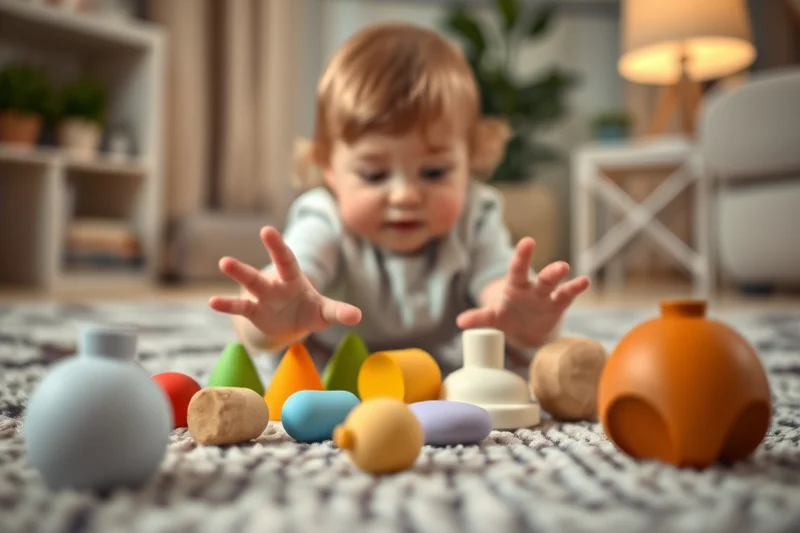
I started using a potty training chart with my daughter, and it worked wonders. We set a timer for every two hours, and she would run to the potty as soon as it went off. This helped her build a routine and understand the connection between time and going to the bathroom.
Scheduling bathroom breaks is especially helpful for children who may not feel the urge to go until they’re uncomfortable. Taking them to the potty regularly helps them learn to associate it with comfort, not urgency.
I found that consistency was key — even on weekends and during trips. We kept the same schedule, and it helped my daughter stay on track.
Routine turns uncertainty into predictability.
Related: Potty training by age stage examples
Rewards and Positive Reinforcement
I used a sticker chart with my daughter, and each time she used the potty, she’d get a sticker. After a certain number of stickers, she'd get a small reward — like a trip to the park or a new book.
Rewards don’t have to be expensive or extravagant. Even a simple high-five or a verbal praise can reinforce good behavior. The key is to make the child feel proud of their accomplishment.
I noticed that my daughter was more motivated to use the potty when she saw how close she was to earning her next reward. It made the process fun and engaging for her.
Small rewards and celebrations help reinforce positive behavior and build confidence in your child. Even a sticker or a verbal 'well done' can make a big difference.
“I remember the first time my daughter sat on the potty and said, 'I did it!' It was a moment of pure joy, but it…”— Pottydays editors
Related: Potty training by age stage for beginners
Managing Setbacks and Regression

I made sure to not react with frustration if my daughter had an accident. Instead, I calmly reminded her that it was okay and that we’d continue working on it together.
Even small regressions can feel like a big setback, but they’re a normal part of the process. The key is to stay supportive and not push too hard.
I found that maintaining a positive attitude helped my daughter feel more confident and less anxious about the process.
Related: Potty training by age stage step by step
Creating a Child-Friendly Potty Environment
I made a special potty area in our bathroom with a small stool and a cute potty seat. It made the bathroom feel like a place to be excited about, not something to fear.
I also decorated the space with colorful stickers and a small mirror so my daughter could see herself using the potty. It made the experience more fun and less intimidating.
Creating a welcoming environment helped my daughter feel more comfortable and confident in using the potty.
🐢 Gentle Potty Training
This approach focuses on patience and positive reinforcement, letting the child lead the way at their own pace.
🚀 Fast-Track Potty Training
A more structured and intensive approach that uses rewards and schedules to help the child learn quickly.
🧳 Travel/away-from-home Potty Training
Tips and strategies for keeping your child potty trained while on the go, including travel potties and portable stickers.
👶 Potty Training with Multiples
How to manage potty training with more than one child, balancing attention and encouragement for each.
🔄 Regression Reset
Strategies for helping a child who has regressed back to accidents, rebuilding confidence and momentum.
| The mistake | Why it happens | The fix |
|---|---|---|
| Forcing the process too early | Children who are not ready can become resistant or develop a fear of the potty. | Wait for signs of readiness, like staying dry for hours or showing interest in the bathroom. |
| Using punishment for accidents | This can create anxiety and fear around the potty, making the process more stressful. | Use positive reinforcement and avoid scolding or punishing your child for accidents. |
| Ignoring the child’s signals | Not paying attention to your child’s readiness can lead to frustration and delays in the process. | Observe your child for signs of readiness and respond to them with support and encouragement. |
| Not being consistent with the routine | Inconsistency can confuse the child and slow down the progress. | Create a consistent schedule and stick to it, even on weekends and during trips. |
Related: Easy potty training by age stage
Potty Training Stage Ideas
Related: How to potty training stage
Incorporating Play and Creativity into Potty Training
Using imaginative play and creativity can make potty training more engaging and less stressful for children.
I found that turning the potty into a fun part of the day by using themed seat covers and playing pretend games helped my child feel more at ease. For example, I created a 'space mission' where each successful trip to the potty was a step toward launching a rocket. This approach not only made the process enjoyable but also helped my child associate the potty with positive outcomes. By involving their favorite toys or characters, children are more likely to stay motivated and interested.
I also introduced potty training books and songs that made the whole experience seem more like a game than a chore. One of my favorite resources was a book that included a story about a character who had to use the potty on a trip. This helped my child relate to the story and feel less alone in the process. Singing potty-related songs during transitions, like before bedtime or after meals, helped create a consistent and comforting routine that my child looked forward to.
Another creative idea I tried was using a potty training chart with stickers that my child could earn for each successful use of the potty. I made the chart look like a map with different destinations, and each sticker represented a step toward the next location. This not only gave my child a visual representation of their progress but also made the process feel like an adventure. The combination of creativity and play made potty training a much more positive experience for us both.
Involving the Whole Family in the Potty Training Process
Family involvement can make potty training a shared and supportive experience for both the child and parents.
When I started potty training my child, I made a point to involve the entire family in the process. This meant that my spouse, older siblings, and even grandparents were all on board with the same approach and expectations. For instance, I had a family meeting to explain the plan and ensure that everyone was using the same language and methods when talking to the child about potty training. This consistency helped my child feel more secure and supported.
I also encouraged the other family members to participate in the reward system and to give positive reinforcement whenever my child used the potty. This made the whole family feel like they were part of the journey, and it created a sense of unity and teamwork. For example, my older child would often cheer for my younger sibling when they successfully used the potty, which made it feel like a big achievement for the whole family.
Involving the family also helped reduce the pressure on the parent who was primarily responsible for the training. It made it a shared effort rather than something that one person had to handle alone. I found that when the entire family was on the same page, it made the process more manageable and less overwhelming. It also helped create a positive and encouraging environment that made potty training a more enjoyable experience for everyone involved.
Navigating the Emotional Landscape of Potty Training
Potty training is not just about physical skills—it’s deeply emotional. Understanding your child’s feelings is crucial to guiding them through this stage.
When a child feels frustrated or ashamed during potty training, it can lead to resistance or even regression. I’ve found that acknowledging their emotions—whether through a calm, empathetic conversation or by validating their feelings with phrases like, 'It’s okay to feel upset when it doesn’t go perfectly'—can make a big difference. Children often mirror the emotional tone of the adults around them, so staying patient and positive is key. I’ve personally seen my daughter calm down and try again after I simply said, 'I know this is hard, but I believe in you.' This emotional support can help them feel safe and motivated to keep trying.
Children often struggle with the concept of 'ownership' during potty training. They may not understand why they need to use the potty instead of the diaper, and they might feel like they’re being punished for something they have no control over. I’ve found that framing potty training as a fun, empowering milestone—like a small victory in their growing-up journey—helps reduce anxiety. For example, I’ve used phrases like, 'You’re becoming a big kid now' or 'You’re learning something super cool.' This reframing helps them see the process as a positive step forward rather than a challenge to be feared.
It’s also important to be mindful of how your own emotions come through. If you’re stressed or frustrated, it can rub off on your child. I’ve learned that taking a few deep breaths before addressing a potty accident or a moment of resistance can help me stay calm and composed. This, in turn, helps my child feel more secure. I once took a moment to step outside and collect my thoughts before returning to my daughter, and that small pause made a huge difference. It reminded me that potty training is a journey of patience, not perfection, and that my emotional state plays a huge role in how my child experiences it.
Common Questions
How long does potty training typically take?
What should I do if my child is resistant to the potty?
Is it okay to use a potty seat or a regular toilet?
How can I encourage my child to stay dry overnight?
References
- QUERI Implementation Roadmap - Veterans Affairs (queri.research.va.gov)
- LEARNING BEGINS AT BIRTH - Nebraska Department of Education (education.ne.gov)
Cite this guide
Pottydays (2026). Potty Training Stage Ideas: Understanding and Managing the Process. https://pottydays.com/potty-training-stage-ideas/
Feel free to cite or share this guide.
Potty Training Readiness Check
Seven-question potty-training readiness screen with a band and next steps.
Open it free →