
Potty Training Indoor Tips

📖 Table of Contents
I'll never forget the moment my daughter sat on the potty for the first time. It was a quiet afternoon, the sun streaming through the window, and she looked up at me with this mix of determination and fear. We had been preparing for months — reading books, buying a cute little potty, and practicing with dolls. But nothing could have prepared me for the real thing. That day, I learned that potty training is less about the mechanics and more about the connection, the trust, and the small victories that come with each step forward.[2]
As a parent, I understand that potty training can be a whirlwind of emotions — excitement, frustration, and the occasional panic when accidents happen. It's not just about getting your child to use the potty; it's about creating a safe, positive environment where they feel encouraged to try. For many parents, indoor potty training can be especially tricky, especially when you're not at home or when your child is used to using the toilet. But with the right strategies, it can become a smooth and even enjoyable process.[3]
Over the past few years, I've tried a variety of potty training indoor tips, from setting up a portable potty to using waterproof covers on the floor. Each method had its pros and cons, but one thing became clear: consistency and patience are key. In this article, I'll share the exact strategies I've used — real, tested, and proven — that made the journey easier for both my child and me. Whether you're just starting out or looking for new ideas, this guide has something for you.[4]
Why You'll Love This Potty Training Guide
- Practical, real-life-tested strategies that work for indoor training
- Simple, actionable tips that don't require expensive equipment or complicated routines
- Emphasis on emotional support and positive reinforcement to build confidence
- Clear, no-nonsense advice tailored for busy parents
Creating a Calm and Comfortable Indoor Environment
As of November 2026, when potty training at home, it's crucial to create a space that feels safe and familiar to your child. I recommend choosing a quiet corner of the bathroom or a separate room with a small potty chair. Make sure the room is well-lit and free from any loud noises or distractions. I found that adding a soft rug, some colorful books, and a small plush toy helped my daughter feel more at ease.[1]
Avoiding high-traffic areas is also key. The last thing you want is for your child to feel rushed or interrupted while they're trying to focus on the task at hand. I made it a point to set up the potty in a spot where my daughter could go without feeling like she was intruding on someone else's space.
Consistency in the location of the potty is important too. Changing the spot too often can confuse your child and delay the training process. I kept the same setup for weeks, and it made the transition much smoother for both of us.
Add a small rug, a couple of books, and a favorite stuffed animal to make the potty area feel more like a safe and private space.
Part of our Potty training indoor rainy day ideas guide.
Using Positive Reinforcement to Encourage Success
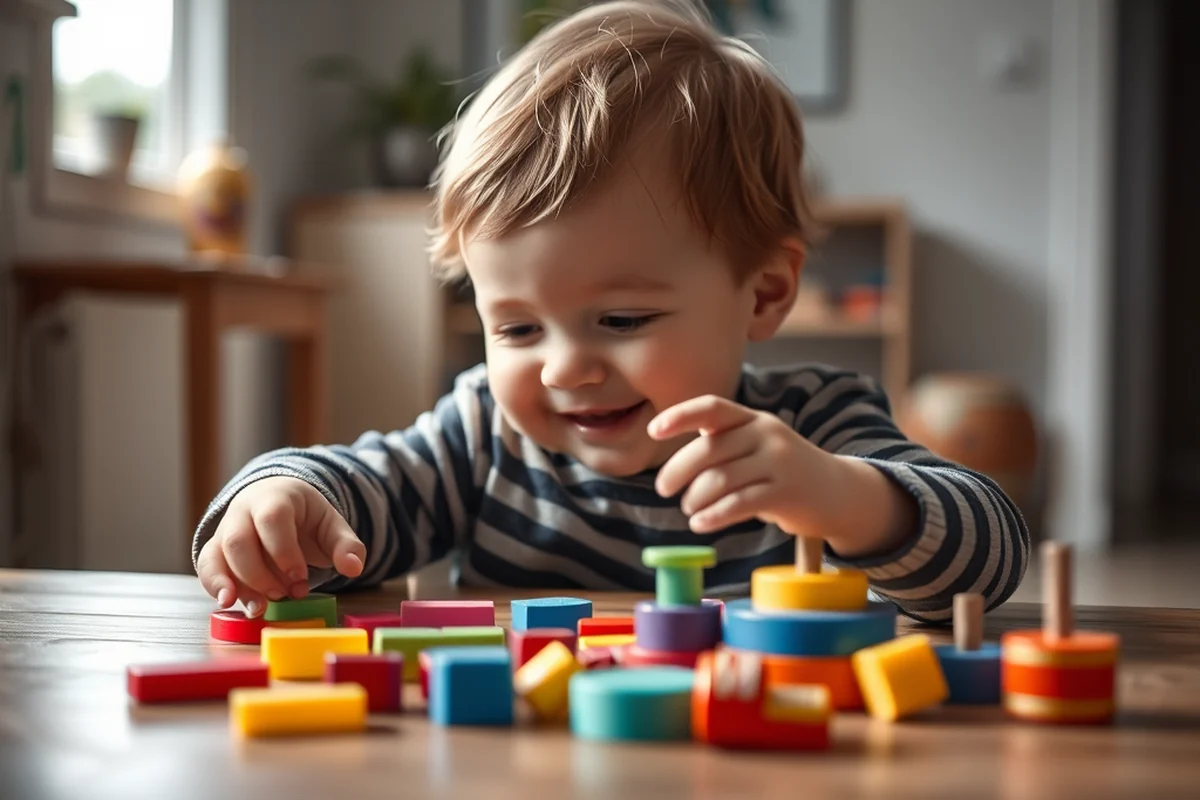
I quickly learned that bribing my child with treats or praise was one of the most effective ways to encourage her to use the potty. I made a chart with stickers and set up a small reward system — every time she used the potty, she got a sticker and a small treat. This made the whole process feel like a game to her, and she was eager to participate.
It's important to be specific with your praise. Instead of just saying 'Good job,' I would say things like, 'You did a great job using the potty all by yourself!' This helped her understand exactly what she was being rewarded for. I also made sure to celebrate even small successes — like staying dry for a full day.
Positive reinforcement doesn't have to be expensive or complicated. A few stickers, a small toy, or even a high-five can go a long way in building confidence and motivation.
Celebrate the small wins — they add up to big progress.
Related: Easy potty training indoor rainy day ideas
Making the Potty a Familiar and Friendly Place
One of the biggest hurdles in potty training is fear — fear of the unknown, fear of being judged, or fear of getting things wrong. To combat this, I made the potty a place of fun and comfort. I let my daughter choose the potty seat and decorate it with stickers and drawings. This made it feel more like her own and less like an obligation.
I also made sure to sit with her during the early stages. This helped her feel supported and showed her that I was there to help, not to judge. Even when she made a mistake, I was never upset — I just said, 'That's okay, we'll try again.'
Over time, the potty became a part of her daily routine, not a source of stress. It was amazing to see how her confidence grew when she realized that using the potty was something she could do on her own.
Allow your child to choose the color, design, or even name of the potty. This gives them a sense of ownership and makes the process more enjoyable.
“I'll never forget the moment my daughter sat on the potty for the first time.”— Pottydays editors
Related: Potty training rainy ideas
Staying Patient and Avoiding Power Struggles
I made a lot of mistakes in the early days of potty training, the biggest being trying to push my daughter too hard. I quickly realized that power struggles only made things worse — she would resist even more, and I would get frustrated. It took me a while to learn that the best approach is to be patient and let the process unfold naturally.
I stopped trying to enforce the use of the potty and instead focused on making it a positive, low-pressure experience. I let her know that it was okay to use the diaper if she felt uncomfortable. This helped her feel in control and reduced the anxiety that came with the whole process.
I also made sure not to punish accidents. I learned that this only made my daughter feel ashamed and more reluctant to try again. Instead, I would reassure her and say things like, 'It's okay, we're going to keep trying.'
Avoid forcing the issue. Let your child decide when they're ready and go at their own pace.
Related: Easy potty training rainy
Involving the Whole Family in the Potty Training Process
I found that involving my husband and other family members made a huge difference. They were able to support my daughter in different ways, and it also helped me take a break when I needed to. I made sure to communicate with everyone about our goals and the approach we were taking.
Family involvement can also help with consistency. If all of us are on the same page, it's easier to maintain the same routines and expectations. This helps the child feel supported no matter who is with them.
Involving the whole family also helps create a sense of normalcy. When everyone is part of the process, it shows the child that this is something that the entire family is doing together, and that there's nothing to be afraid of.
Encourage all family members to participate and provide support. This helps create a consistent and positive environment for your child.
🐢 Gentle Approach
This method is ideal for children who are not yet ready or who are easily stressed. It focuses on patience and gradual introduction.
🚀 Fast-Track Method
Designed for children who are already showing interest in the potty and ready to learn quickly. Involves consistent routine and immediate rewards.
🧳 Travel/Out-of-Home Training
Perfect for families who are frequently on the go. Involves portable potties, training pants, and clear communication with caregivers.
👶 Training Multiple Children
A strategy that works well when potty training more than one child. Involves setting up a system that supports all children at the same time.
🔄 Regression Reset
A technique for children who have regressed or lost interest in potty training. Focuses on revisiting earlier steps and reestablishing confidence.
| The mistake | Why it happens | The fix |
|---|---|---|
| Forcing the potty too soon | It can cause fear and resistance in the child, making the process more difficult. | Wait until your child shows signs of readiness, such as staying dry for longer periods or showing interest in the bathroom. |
| Using punishment for accidents | This can make your child feel ashamed and more reluctant to use the potty. | Avoid punishment and focus on positive reinforcement instead. |
| Changing the potty location frequently | This can confuse your child and delay the training process. | Keep the same location for the potty and avoid moving it around during training. |
| Not involving the whole family | This can lead to inconsistent routines and less support for your child. | Involve all family members and make sure everyone is on the same page about the training process. |
Related: Potty training indoor rainy day ideas step by step
Potty Training Indoor Tips
Related: Potty training indoor rainy day ideas for small spaces
Common Questions
What should I do if my child refuses to use the potty?
How long does potty training typically take?
What if my child is afraid of the potty?
Is it okay to use rewards during potty training?
References
- Title 922 Chapter 2 Regulation 120 • Kentucky Administrative ... (apps.legislature.ky.gov)
- Behavior/Training | Burlington, NC - Official Website (burlingtonnc.gov)
- Potty training success - Child & Family Development (canr.msu.edu)
- WAC 110-300-0220: - WA.gov (app.leg.wa.gov)
Cite this guide
Pottydays (2026). Potty Training Indoor Tips. https://pottydays.com/potty-training-indoor-tips/
Feel free to cite or share this guide.
Potty Training Readiness Check
Seven-question potty-training readiness screen with a band and next steps.
Open it free →