
Easy Potty Training Printables Checklists

📖 Table of Contents
I remember the first time my daughter sat on the potty without any coaxing — it was a quiet moment, but it felt like a small victory. Potty training is one of those parenting milestones that feels both monumental and maddeningly slow. After two years of trying and failing, I stumbled upon a set of easy potty training printables checklists that turned the process into something manageable, predictable, and even kind of fun.
These checklists became the backbone of our potty training journey. They helped us track progress, set goals, and celebrate even the smallest successes. What I loved most about them was the way they broke down a big, overwhelming task into manageable steps — something that felt doable for both my child and me.[1]
If you're on the fence about potty training, or if you're already deep in the trenches, I want to tell you that these easy potty training printables checklists are worth your time. They’re not just worksheets — they’re tools that help you stay calm, focused, and empowered during one of the most chaotic yet rewarding phases of parenting.
Why You'll Love This Checklist System
- It simplifies a complex process into clear, actionable steps.
- It keeps both parents and kids motivated with progress tracking.
- It provides a consistent visual reminder of what to expect.
- It’s customizable, making it work for different family dynamics.
How to Start with Potty Training Printables
As of November 2026, Starting with potty training can feel overwhelming, but having a printable checklist gives you a clear roadmap. I printed out a daily tracker that had spaces for each day of the week and a section to note successes like 'sat on the potty' or 'used the potty'. My daughter would look at it each morning, and it became a source of pride for her.
One of the best parts of the checklist was how it helped me stay consistent. I would write down every time she sat on the potty, even if she didn’t go. That consistency mattered more than I expected — it showed her that I was paying attention and that her efforts were being recognized.
I found that having a checklist also kept me from getting discouraged. Potty training doesn’t always go smoothly, and it’s easy to lose motivation. But when I saw the checklist filled out, it reminded me of how far we’d come.
Hang the printable checklist in a place your child can see it every day, like the bathroom or kitchen. It helps them stay motivated and reminds you of your progress.
Part of our Potty training printables checklists guide.
Customizing Checklists for Your Family
I learned that the most effective potty training checklists are the ones that match your family’s lifestyle. For instance, if your child is a night owl, you might need a checklist that accounts for bedtime accidents or late-night potty trips.
I customized my checklist by adding a section for 'wet clothes' and 'urine smell' — things that were common for my child but didn’t always show up on the original template. It made the checklist more relevant to our specific situation.
Another thing I changed was the way progress was celebrated. Instead of just checking off boxes, I added a small reward system, like stickers or a star chart, which kept my daughter excited to try again each day.
A checklist is only as useful as the way you use it.
Related: Potty training printables examples
Tracking Progress with Printables
Tracking progress is one of the most important parts of potty training, and a printable checklist is an excellent tool for that. I used a weekly progress chart that had space for each day, and I’d put a sticker on the day she successfully used the potty.
What I loved about this approach was that it made progress tangible. I could see how many days she was doing well, and that made it easier to spot patterns or areas where we needed more support.
I also found that tracking progress helped me stay patient. Potty training is a process, and it’s easy to feel like you’re not making headway. But when I saw the checklist, I was reminded that even small steps were still steps forward.
Whether it’s a sticker, a high-five, or a small treat, celebrating every potty success helps reinforce good behavior and makes the process more enjoyable for everyone.
“I remember the first time my daughter sat on the potty without any coaxing — it was a quiet moment, but it felt like a…”— Pottydays editors
Related: Potty training printables tips
Staying Consistent with Your Checklist
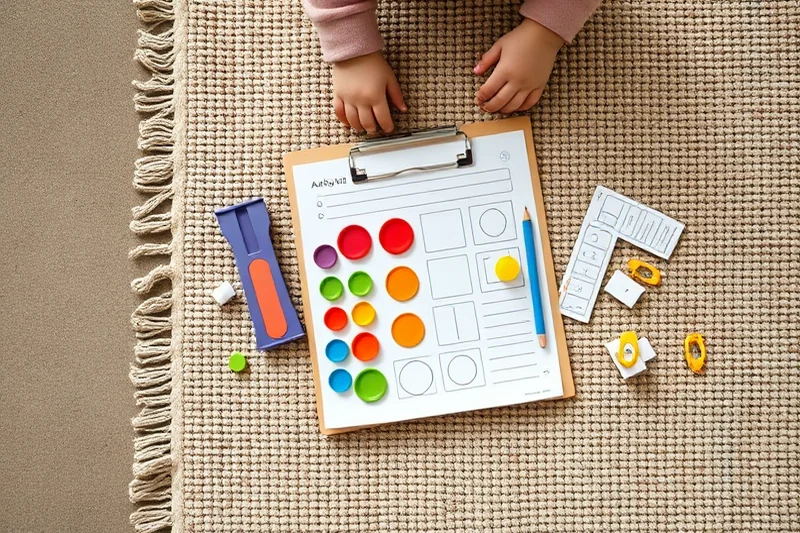
Consistency is one of the hardest parts of potty training — and that’s why having a checklist is so helpful. I used my printable checklist as a daily reminder of what needed to be done, whether it was encouraging my child to sit on the potty, keeping track of accidents, or offering praise for trying.
I made sure that both my spouse and I used the same checklist. It helped us stay on the same page, and it prevented confusion or mixed messages for my daughter. She could see that both of us were supporting her in the same way.
I also used the checklist to help my child understand what was expected of her. It gave her a clear idea of what she needed to do each day, which made the whole process feel more predictable and less stressful.
Related: Potty training checklists mistakes to avoid
Making Potty Training a Positive Experience
One of the things I loved most about using a printable checklist was how it helped me make potty training a positive experience. I used it to introduce games, like 'Find the Star' or 'Count the Days', which made the process feel more like a challenge and less like a chore.
I also used the checklist to create a sense of competition in a healthy way. We'd see who could make the most stars in a week, or who could go the longest without an accident. It made the whole process more engaging and fun.
I found that my daughter was more willing to try again after a setback when the checklist reminded her of her progress. It gave her a visual reminder that she was still on the right track, even if she had a rough day.
🌸 Gentle Potty Training
A slow and nurturing approach, ideal for children who need more time to adjust.
🚀 Fast-Track Potty Training
A more structured and goal-oriented method, perfect for families who want quick results.
🧳 Travel/away-from-home Potty Training
A printable checklist designed for on-the-go families who need portability and flexibility.
👶 Multiples Potty Training
A checklist that helps parents manage potty training for more than one child at a time.
🔄 Regression Reset
A checklist to help children who have regressed back to using the potty and need to get back on track.
| The mistake | Why it happens | The fix |
|---|---|---|
| Using the checklist too infrequently | If you don’t update the checklist regularly, it can lose its effectiveness and fail to keep your child motivated. | Update the checklist every day, even if the progress is small. This helps maintain consistency and keeps the process on track. |
| Not adapting the checklist to your child’s needs | A one-size-fits-all checklist may not be effective if it doesn’t match your child’s personality or family dynamics. | Customize the checklist by adding sections that are relevant to your child’s specific situation or preferences. |
| Forcing the use of the checklist | If the child feels like they're being forced to use the checklist, it can become a source of stress rather than a helpful tool. | Introduce the checklist in a fun and engaging way, using games or rewards to make it more appealing. |
| Not celebrating progress | If progress is not celebrated, the child may lose motivation and become discouraged. | Celebrate every small win with a sticker, a high-five, or a small treat to reinforce positive behavior and keep the child excited. |
Related: Best potty training printables checklists
Easy Potty Training Printables Checklists
Related: Quick potty training printables checklists
Using Printables to Teach Independence
One of the most overlooked benefits of potty training printables is how they encourage independence in children. For example, I used a printable chart that had a section for 'I did it myself' and another for 'I asked for help.' This helped my child gradually take ownership of the process. When they completed a task like pulling their pants up on their own, they could mark it off, which gave them a sense of accomplishment.
I also found that using a printable 'potty helper' checklist with visual prompts, like pictures of a child sitting on the potty or wiping themselves, was incredibly helpful. These visuals gave my child clear instructions on what to do next, which reduced confusion. I noticed that the more they used the printable, the more they started to follow the steps on their own without prompting.
Another printable that made a difference was a 'potty job tracker' that allowed me to reward my child with stickers or points for each successful potty use. This wasn't just about the sticker—it was about teaching them that being independent is something to be proud of. Over time, I saw them take more initiative, like using the bathroom without me reminding them, which was a huge milestone.
Incorporating Printables into Daily Routines
I discovered that integrating potty training printables into my child's morning and bedtime routines made the process feel more natural. I created a printable 'morning potty routine' that included steps like brushing teeth, getting dressed, and using the potty. This helped my child understand that using the potty was just another part of their day, not something separate or scary.
I also used a printable 'bedtime potty reminder' that I hung on the bathroom mirror. It had a simple message like 'Don't forget to go potty before bed!' along with a cute illustration. This became part of our nightly ritual, and it helped my child remember to use the bathroom before going to sleep. I noticed that this small printable made a big difference in reducing nighttime accidents over time.
To keep things consistent, I placed a printable 'potty schedule' on the fridge that showed when we would be using the potty throughout the day. It had specific times like 'after breakfast' and 'after naptime.' This helped my child anticipate bathroom breaks and feel more in control of their schedule. I found that this predictability reduced anxiety and made the whole experience more positive for both of us.
Common Questions
Can I use the printable checklists for a child who is not yet ready for potty training?
How often should I update the checklist?
Can I print these checklists on my phone or tablet?
What should I do if my child is not interested in the checklist?
References
Cite this guide
Pottydays (2026). Easy Potty Training Printables Checklists. https://pottydays.com/easy-potty-training-printables-checklists/
Feel free to cite or share this guide.
Potty Training Readiness Check
Seven-question potty-training readiness screen with a band and next steps.
Open it free →