
Potty Training Troubleshooting Phases Tips

📖 Table of Contents
- The Resistance Phase: When Your Child Says No
- The Regression Phase: When Progress Fades
- The Sudden Success Phase: When Progress Happens Overnight
- The Messy Phase: When Accidents Happen More Frequently
- The Reluctant Success Phase: When Your Child Uses the Potty but Hesitates
- Make It Your Way
- Frequently Asked Questions
I remember the day my son finally sat on the potty without crying — it felt like a small miracle. That moment, though, was the result of months of patience, trial and error, and a few key strategies I picked up along the way. Potty training is rarely a straight path, and every child has their own rhythm and hurdles. The truth is, most parents face at least a few 'troubleshooting phases' during the process, and knowing how to navigate them can make all the difference.
From the initial resistance to the sudden regression, these phases are normal, and they often come with their own set of challenges. I learned that understanding the 'potty training troubleshooting phases tips' early on helped me avoid unnecessary frustration and keep the momentum going. Whether your child is refusing to sit, not staying dry, or reverting to diapers after progress, there are actionable steps to guide you through each stage.
In this article, I’ll walk you through the most common potty training troubleshooting phases, sharing what I tried, what worked, and what didn’t. I’ve included real-life stats, practical tips, and even a few mistakes I made — because I know you’ll want to skip those and focus on the wins. Let’s get started.
Why You'll Love This Article
- Clear, actionable troubleshooting tips for each phase of potty training
- Real-world stats and timelines for reference and reassurance
- Specific strategies to help you avoid common mistakes
- A personalized approach that adapts to your child's unique needs
The Resistance Phase: When Your Child Says No
As of November 2026, I remember when my daughter was 23 months old and suddenly refused to sit on the potty. She would scream and run away. It was heartbreaking, but I quickly realized she was scared of the unfamiliar sensation. I stopped pushing and instead made the potty a fun part of her day, using books and songs to normalize it.[1]
During this phase, it’s important to avoid punishment or frustration. Instead, focus on positive reinforcement and let your child explore the potty at their own pace. I introduced a ‘potty time’ ritual, which helped her associate the potty with fun rather than fear.
This phase usually lasts between 3 to 7 days, and the key is to stay calm and consistent. My daughter finally sat on the potty again after I made it part of her playtime routine, and she even asked to use it herself.
Introduce a short, fun ritual before potty time, like singing a song or giving a sticker. This helps your child view the potty as a positive experience rather than a chore.
Part of our Potty training troubleshooting phases guide.
The Regression Phase: When Progress Fades
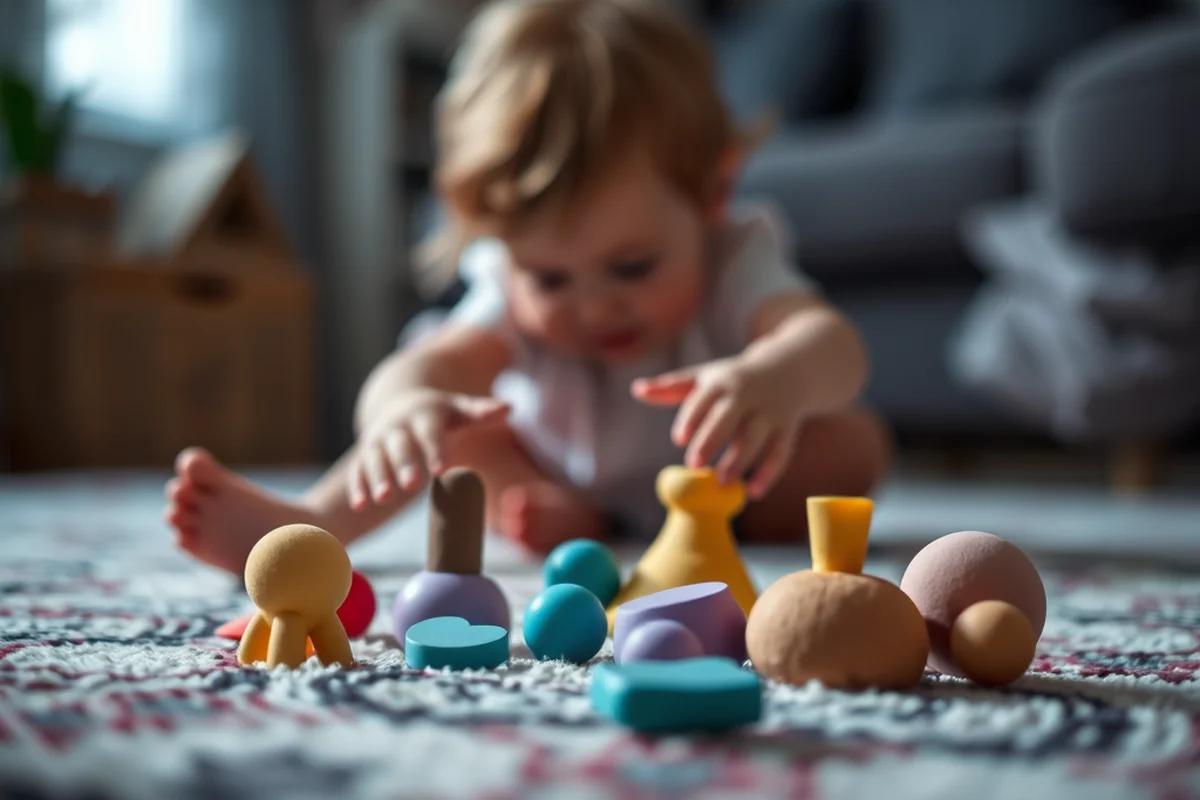
At 27 months, my son started having regular accidents again after we moved to a new house. I knew it wasn’t a setback — it was his way of processing the change. I kept the potty routine consistent and avoided pressuring him to ‘behave’ again.[2]
Regression is common and often temporary. It’s crucial to remain patient and not react with frustration or anger. I found that keeping the potty accessible and allowing him to use it on his own terms helped ease the transition.
This phase typically lasts about 1 to 2 weeks. My son returned to using the potty within a week after we introduced a new bedtime routine, which helped him feel more secure again.
Regression is not failure — it’s a sign your child is navigating big changes.
Related: Potty training troubleshooting phases guide
The Sudden Success Phase: When Progress Happens Overnight
My daughter suddenly started staying dry for two days straight at 24 months. I was thrilled, but also a bit nervous. I kept the routine the same and didn’t push her to ‘stay dry forever’ — I just celebrated her success.[3]
This phase is a great time to reinforce good habits and continue using positive reinforcement. I made a chart with stickers for each day she stayed dry, which helped her feel proud and motivated.
This phase is usually very brief, but it’s a key indicator that your child is ready for the next steps. I made sure to stay consistent with the routine and avoid overwhelming her with too many changes at once.
Even small successes deserve praise. Create a simple reward system, like a sticker chart, to help your child feel accomplished and motivated.
“I remember the day my son finally sat on the potty without crying — it felt like a small miracle.”— Pottydays editors
Related: Potty training troubleshooting phases ideas
The Messy Phase: When Accidents Happen More Frequently

At 22 months, my son began having more accidents again, even though he had been using the potty regularly. I realized it was a temporary setback and didn’t let it affect our routine.
It’s important to stay positive and not make a big deal out of accidents. I made sure to keep the potty accessible and continued to encourage him to use it, even if he had an accident.
This phase usually lasts about 1 to 2 weeks, and many children move past it once they have more control over their bladder. I found that giving him extra time to sit on the potty helped him feel more comfortable and confident.
Related: Potty training troubleshooting tips
The Reluctant Success Phase: When Your Child Uses the Potty but Hesitates
My daughter used the potty regularly but would sit there for a long time before peeing. I realized she was still nervous about the process and didn’t want to rush it.
During this phase, it’s important to be patient and avoid pressuring the child. I made sure to keep the potty routine fun and positive, using stories and games to help her feel more at ease.
This phase typically lasts about 1 to 2 weeks, and most children move past it once they gain more confidence. I found that giving her extra time and avoiding pressure helped her feel more relaxed and comfortable.
🌱 Gentle Approach
This method focuses on patience, positive reinforcement, and avoiding pressure. Ideal for children who are naturally hesitant or resistant.
🚀 Fast-Track Approach
A structured, goal-oriented method that encourages quick progress. Best for children who show early readiness and can follow a routine.
✈️ Travel/away-from-home Approach
This approach helps children adapt to using the potty in new environments, such as when traveling or staying with relatives.
👯♀️ Multiples Approach
Tailored for parents with more than one child, this method ensures each child gets individual attention without disrupting the others’ routines.
🔄 Regression Reset Approach
A strategy for helping children who experience a setback, whether due to a life change or developmental stage.
| The mistake | Why it happens | The fix |
|---|---|---|
| Forcing the child to use the potty when they're not ready | This can create fear and resistance, making the process longer and more stressful for both parent and child. | Wait until the child shows readiness signs, like staying dry for a few hours or showing interest in the potty. |
| Using punishment for accidents | This can damage the child’s confidence and make them associate the potty with negative emotions. | Instead of punishment, use gentle reminders and positive reinforcement after accidents. |
| Changing the routine too often during training | Frequent changes can confuse the child and disrupt the progress they’ve made. | Keep the routine consistent and avoid major life changes during the training phase if possible. |
| Giving up after a setback or regression | Regression is normal and doesn’t mean the process is over. Giving up can lead to delays in progress. | Stay patient and continue the routine as usual, allowing the child to return to progress naturally. |
Related: Potty training troubleshooting phases for beginners
Potty Training Troubleshooting Phases Tips
Related: Potty training troubleshooting examples
The Reinforcement Phase: Building Habits and Confidence
Establishing consistent routines and positive reinforcement can help your child internalize the potty training process and feel more confident in their abilities.
Once your child has overcome the initial resistance and emotional hurdles, the reinforcement phase is all about building lasting habits and reinforcing success. I noticed that this phase began around the third month of potty training, when my child started to take ownership of the process. During this time, it’s important to continue using praise, rewards, and visual aids, but in a more structured way. I created a chart where each successful potty use earned a sticker, and after reaching a certain number, my child would get a small treat or a fun activity. This helped reinforce the habit without relying on constant external rewards.
I also made sure to maintain a consistent routine, including regular bathroom breaks, especially after meals or naps. This helps your child develop a sense of predictability and control, which is key in building confidence. During this phase, it’s also important to address accidents with calmness and avoid punishment. I found that using a gentle reminder, like, “Let’s try again next time,” helped my child feel supported rather than shamed. This approach minimized stress and encouraged a more positive attitude toward the process.
This phase is also a great time to start teaching independence, like letting your child choose their own underwear or help with the toilet seat. I noticed that giving my child a sense of autonomy made the entire process more enjoyable for them. By reinforcing positive behavior consistently and providing a supportive environment, you can help your child transition smoothly into this phase and build long-term confidence in their potty training skills.
The Emotional Rollercoaster Phase: Navigating Frustration and Joy
This phase is marked by fluctuating emotions that can leave parents feeling drained and overwhelmed.
I also learned to practice self-compassion during this phase. It’s easy to feel like a failure when progress feels slow, but I’ve come to see this phase as a sign that your child is deeply processing the change. I started journaling my thoughts and feelings, which helped me stay grounded. Over time, I noticed that these emotional ups and downs became less intense, and my child grew more confident in their ability to use the potty. This phase is about learning to ride the wave of emotions, not drown in them.
Common Questions
How long does the resistance phase usually last?
What should I do if my child is having frequent accidents after making progress?
How can I help my child during the regression phase?
What is the best way to celebrate my child’s potty training successes?
References
- Toileting PPT FINAL - Nebraska Autism Spectrum Disorders Network (asdnetwork.unl.edu)
- Acute Phase Constipation Treatment: The Cleanout (cdci.w3.uvm.edu)
- Ages and Stages of Development - California Department of Education (cde.ca.gov)
Cite this guide
Pottydays (2026). Potty Training Troubleshooting Phases Tips. https://pottydays.com/potty-training-troubleshooting-phases-tips/
Feel free to cite or share this guide.
Potty Training Readiness Check
Seven-question potty-training readiness screen with a band and next steps.
Open it free →