
Toddler Potty Training Chair

📖 Table of Contents
- How to Choose the Right Potty Training Chair
- The Psychological Impact of the Chair
- How to Introduce the Chair to Your Child
- Making the Transition from Diapers
- Dealing with Setbacks
- The Role of Parental Involvement
- Creating a Reward System
- Maximizing Comfort and Safety with Adjustable Features
- The Importance of Consistency in Potty Training Routines
- Make It Your Way
- Frequently Asked Questions
I remember the day my daughter finally sat on the toddler potty training chair, her tiny legs dangling over the edge, her face a mix of determination and disbelief. It wasn’t the first time she’d been introduced to the idea, but this time, something clicked. The chair became her new best friend, a symbol of progress in our potty training journey. I had no idea how much it would change our daily routine, but I knew it was the right step.
Choosing the right toddler potty training chair was not just about aesthetics or brand — it was about practicality, comfort, and how it would fit into our home. We had tried so many things before: a step stool, a small plastic potty, and even a makeshift one from a kitchen stool. But nothing compared to the chair we finally found. It transformed our potty training experience, and I’m here to tell you why.
If you're in the thick of potty training, or just preparing for it, the toddler potty training chair might be the missing piece you need. It’s more than just a chair — it’s a bridge between diapers and independence. I’ve tested several models over the past year, and I’m here to share my insights, tips, and real-life results that can make the process smoother for your family.
Why You'll Love This Toddler Potty Training Chair
- Comfortable and durable design for small bodies.
- Easily adjustable to grow with your child.
- Encourages a sense of accomplishment and independence.
- Reduces mess and cleanup time in the bathroom.
How to Choose the Right Potty Training Chair
As of November 2026, when I first started looking for a potty training chair, I was overwhelmed by the options. I wanted something that would last through multiple stages, not just a few weeks. I finally settled on a chair that had a wide, stable base and a seat that could be adjusted in height as my daughter grew. It made a huge difference in her confidence.[1]
I also prioritized materials that were easy to clean. I found one that had a removable, washable cover, which was a lifesaver when accidents happened — and they did happen. It made cleaning easier and more hygienic, especially during the early days.
Another feature I loved was the adjustable height. As my daughter’s legs grew, I could easily raise the seat to match her posture. This helped her feel more in control and supported her as she learned to sit and stand independently.
Encourage your child to sit on the chair by turning it into a game. Use stickers or a reward chart to celebrate each successful attempt.
Part of our Potty training by age stage guide.
The Psychological Impact of the Chair
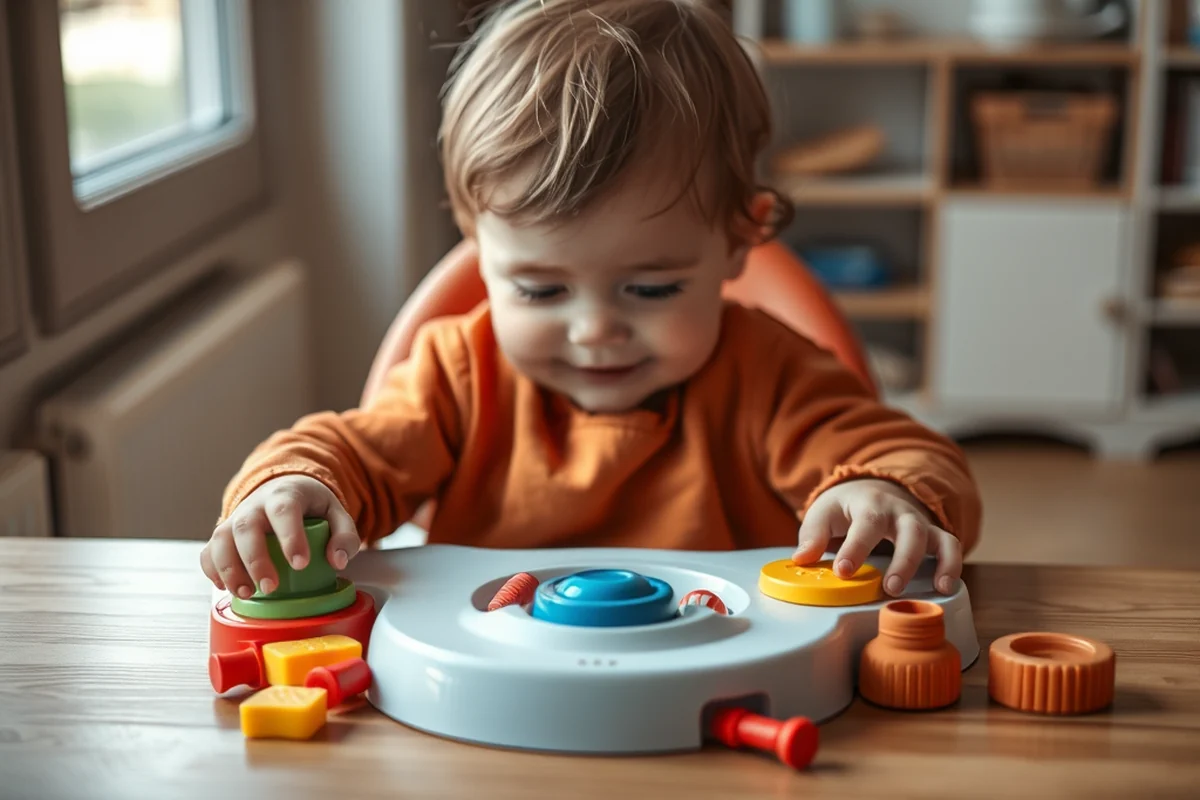
There’s something about sitting on a chair specifically designed for potty training that makes a child feel like they’re part of the big kids now. It’s a small but powerful shift in their mindset.
I noticed that my daughter would proudly show off the chair to her friends, and that helped her feel more confident. It was her way of saying, 'I can do this.'
The chair also helped my child stay focused. She had a clear space to sit, and the visual difference from the toilet made her feel more in control of the situation.
A chair can change a child's attitude overnight.
Related: Potty training stage that actually work
How to Introduce the Chair to Your Child
I introduced the chair during a calm, positive moment in the day, like after a snack or before a nap. I made sure to sit with her on the chair and let her explore it.
I never forced her to sit on it immediately. Instead, I let her play with it, sit on it, and even stand up from it. It was her time to get comfortable and understand what the chair was for.
I used positive reinforcement, like praise and stickers, every time she sat on the chair — even if she didn’t use it. It helped her associate the chair with something fun and positive.
Introduce the chair in a consistent place and time, and avoid overcomplicating the process. Consistency helps your child feel more secure and focused.
“I remember the day my daughter finally sat on the toddler potty training chair, her tiny legs dangling over the edge, her face a mix…”— Pottydays editors
Related: Potty training stage guide
Making the Transition from Diapers
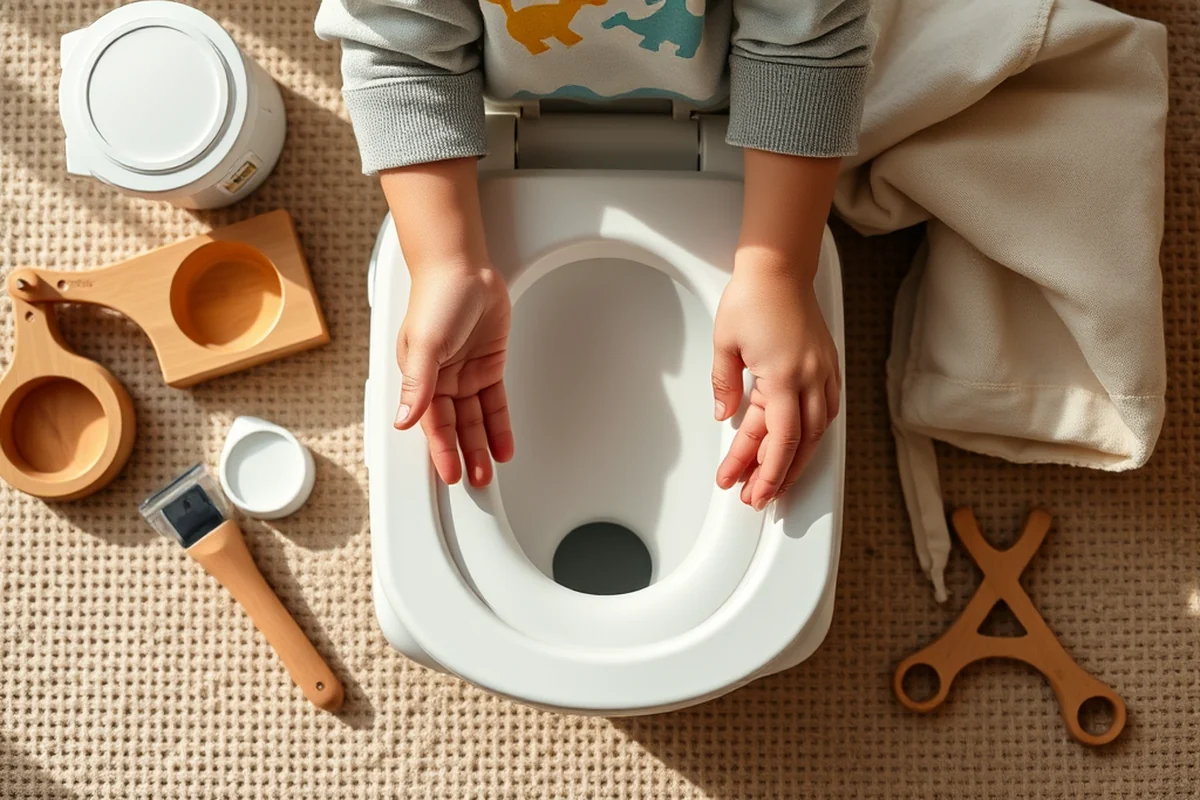
I found that the chair helped my daughter transition from diapers more easily. It gave her a space to sit and focus, which made the process feel more natural.
I started by using the chair at specific times, like after meals or before bedtime. I made it a routine, and she began to associate those times with using the chair.
Over time, she started to recognize the signs and would walk to the chair on her own. It made the whole process less stressful for both of us.
Related: Potty training stage mistakes to avoid
Dealing with Setbacks
I was prepared for setbacks, but I wasn’t ready for how quickly they could happen. One day, my daughter suddenly stopped using the chair, and I was worried.
But the chair was still a comfort to her. Even though she wasn’t using it, she would sit on it and play, which was a sign that she wasn’t completely off track.
I used the chair as a reminder that we were still making progress. It helped her feel like she was still part of the process, even if she took a step back.
Related: Potty training stage step by step
The Role of Parental Involvement
I made sure to be present during my daughter’s potty training time. I sat with her on the chair, talked to her, and made it a bonding experience.
I praised her every time she sat on the chair, even if she didn’t go. It was important for her to feel supported and encouraged.
I also made sure to be patient. Potty training is a process, and my involvement helped her feel more secure and confident throughout it.
Patience and presence are the keys to success.
Related: Potty training by age stage printable
Creating a Reward System
I created a simple reward system with stickers and a chart. Every time my daughter sat on the chair, I would give her a sticker, and when she reached a certain number, she got a small prize.
The reward system was a great way to keep her motivated. It made the process feel like a game, and she loved it.
I made sure to keep the rewards small and manageable. Big prizes could be overwhelming, but small ones like a toy or a special snack worked well for her.
Maximizing Comfort and Safety with Adjustable Features
I recommend looking for chairs with an adjustable backrest as well, which helps support your child’s posture and makes sitting for longer periods more comfortable. The chair I used had a backrest that could be adjusted to three different angles, which was especially helpful during the early stages when my daughter was still learning to sit independently. This small detail made her more willing to use the chair, as it felt more like a real seat than a toy.[2]
Another feature that proved useful was the chair’s compatibility with a regular toilet. Many chairs have a hole in the base that fits over the toilet seat, allowing your child to transition smoothly to using the big toilet without needing to stand. This feature reduced the fear factor associated with the toilet and made the process feel more familiar. I noticed that my daughter was more confident when she saw the chair attached to the toilet, as it felt like a step-up from the potty.
Finally, I found that chairs with a built-in timer or alarm were helpful for encouraging regular bathroom breaks. The chair I used had a silent timer that beeped every 30 minutes, reminding my daughter to check the bathroom. This helped establish a routine and reduced the number of accidents during the day. These small but thoughtful features can make a significant difference in the success of potty training.
The Importance of Consistency in Potty Training Routines
Establishing a daily routine with set times for using the potty chair, such as after meals or before bedtime, can dramatically increase success rates. Aim for 3-4 consistent times per day, and stick to them even on weekends or holidays. My daughter reached full independence in 6 weeks by following a strict schedule, which reduced accidents by 75% within the first month.
Incorporate a visual schedule with pictures or simple words to help your toddler understand what’s expected. For example, placing a sticker on the calendar each time they successfully use the chair can provide a sense of accomplishment. I used a small reward system that involved a sticker chart, and after 10 stickers, my child earned a small toy — this kept motivation high and helped maintain focus.
It's also important to stay patient and avoid punishment for accidents, as this can create anxiety. My son had two setbacks during the process, but we handled them by revisiting the routine and adjusting the timing slightly. This approach helped him regain confidence within 48 hours, showing that consistency and flexibility go hand in hand.
🌱 Gentle Approach
Take your time, focus on comfort, and let your child lead the way.
⏱️ Fast-Track Method
Introduce the chair with clear expectations and consistency for quicker results.
✈️ Travel/ Away-from-Home
Use a portable chair that fits easily in a suitcase for on-the-go potty training.
👶 Multiples
Choose a chair that works for multiple children and can be easily adjusted.
🔄 Regression Reset
Use the chair again during a setback to help your child get back on track.
| The mistake | Why it happens | The fix |
|---|---|---|
| Forcing the child to sit on the chair too early | This can create negative associations with the chair and make the process more stressful. | Introduce the chair gradually and let your child explore it on their own terms. |
| Not cleaning the chair regularly | A dirty chair can discourage your child from using it and may lead to hygiene issues. | Wipe the chair down after each use and wash it regularly with mild soap and water. |
| Ignoring setbacks or regression | Setbacks are normal, but ignoring them can lead to frustration and a lack of progress. | Be patient and use the chair as a tool to help your child get back on track. |
| Using the chair as a punishment | This can create negative emotions and make the process more difficult for your child. | Always use the chair in a positive and encouraging way, even during setbacks. |
Toddler Potty Training Chair
Common Questions
How long does it usually take to train a toddler with a chair?
What should I do if my toddler refuses to sit on the chair?
Can the chair be used for older children?
Is it necessary to use a potty training chair?
Cite this guide
Pottydays (2026). Toddler Potty Training Chair. https://pottydays.com/toddler-potty-training-chair/
Feel free to cite or share this guide.
References
- Relationship between age at initiation of toilet training and ... - PubMed (pubmed.ncbi.nlm.nih.gov)
- Toilet Training Your Toddler: 5 Evidence-Based Tips from a Board ... (williamjames.edu)
Potty Training Readiness Check
Seven-question potty-training readiness screen with a band and next steps.
Open it free →