
Potty Training Phases For Beginners

📖 Table of Contents
Potty training can feel like a minefield of toddler tantrums, sudden accidents, and the occasional dramatic meltdown. I remember the first time my daughter sat on the potty for more than a minute — it felt like a small victory, but I still had no idea how to move forward. Potty training phases for beginners can be confusing, with so many conflicting advice and timelines. What’s normal? What’s not? How do you know when you’re ready to start?
After two years of trial and error, I learned that potty training isn’t a one-size-fits-all process. There are distinct phases, and knowing where you are in the process can make a huge difference. I’ve spent countless hours researching, experimenting, and even buying more than one potty just to get it right. And I’ve made it through — not without tears, but with a clearer understanding of potty training phases for beginners.[1]
Now, I want to help you navigate these steps with confidence, knowing that you're not alone. Whether you're a first-time parent or have been through this before, understanding these phases can ease the journey, reduce stress, and create a more positive experience for both you and your child.
Why You'll Love This Potty Training Journey
- Clear, step-by-step guidance through the phases of potty training
- Real-world insights from a parent who’s been there
- Strategies that work with toddlers, not against them
- Empowerment through understanding, not frustration
Understanding the First Shift in Potty Training
As of November 2026, the first shift is a subtle but critical step in potty training phases for beginners. It’s not about going on the potty — it’s about recognizing the urge to go. I remember my daughter picking up the potty and pretending to sit on it during a game. It wasn’t about training, it was about exploration.
This phase can last anywhere from a few days to a few weeks. During this time, your child might be fascinated by the toilet, asking questions, or even trying to sit on it. It’s a sign they’re becoming aware of their body and what it’s doing.
You can support this phase by keeping the potty in a visible location and talking about it. Avoid pushing or pressuring — this is all about observation and gentle encouragement.
Place the potty where your child can see it, like near the sink or in a play area. This helps them associate the potty with their daily routine.
The Transition Phase: From Interest to Action
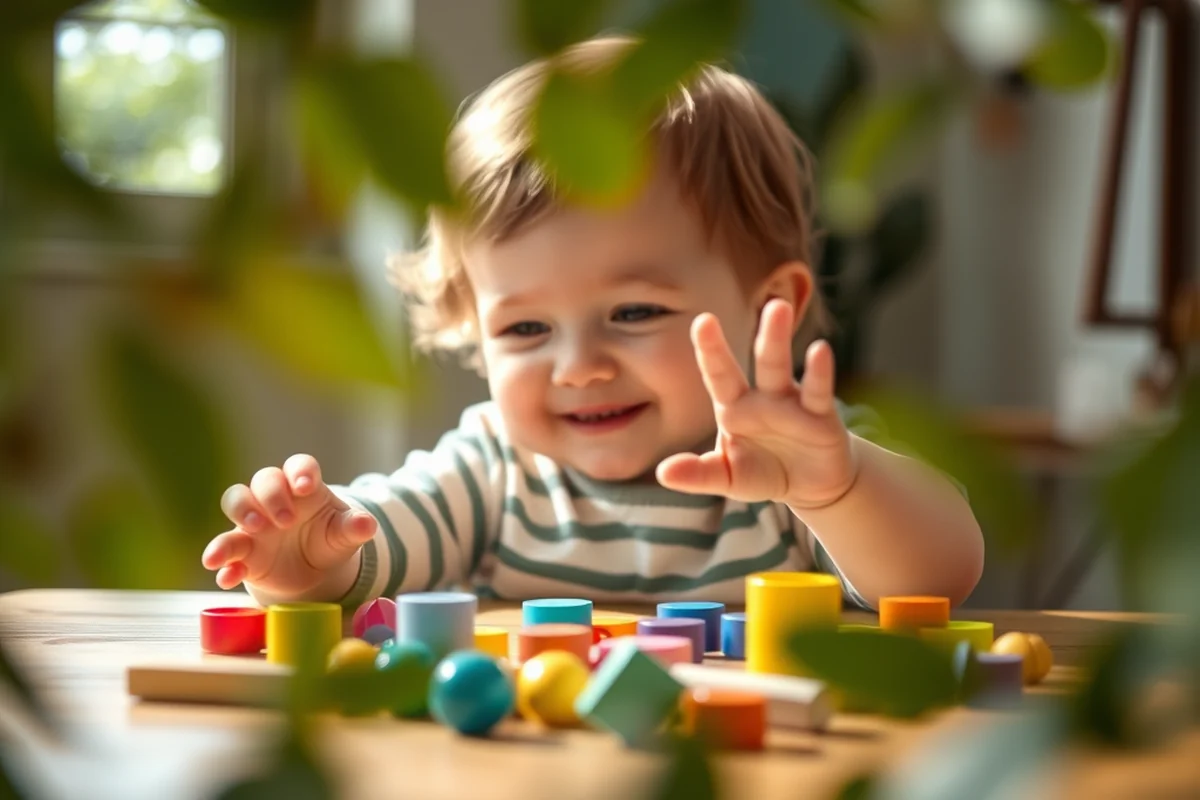
Once your child has shown interest in the potty, the next step is helping them transition from curiosity to action. This phase is marked by attempts to use the potty — even if it doesn’t always work the first time. I remember my daughter trying to sit on the potty, then running off to the bathroom. It wasn’t pretty, but it was progress.
During this phase, it’s important to celebrate every small success, no matter how messy it might be. A sticker on the chart or a high-five after a successful attempt can go a long way in building confidence.
This phase can last a few weeks to a few months. Patience is key — pushing too hard can make your child resistant.
Every tiny step is a victory, even if it ends with a puddle on the floor.
Related: Potty Training Troubleshooting Phases Ideas
Related: How to potty training phases
The Mastery Phase: Consistency and Control
The mastery phase is when your toddler begins to show consistent use of the potty. It’s not about being perfect — it’s about being predictable. I remember when my daughter started using the potty every time she asked to go. It felt like the breakthrough we’d been waiting for.
This phase can be tricky because your child might still have accidents, especially at night or during transitions like bedtime or car rides. It’s important to remain calm and avoid punishing them for mistakes. This is a learning process, not a test.
During this phase, it’s also a good time to introduce a reward system that reinforces good behavior. Just remember to keep it simple and avoid overwhelming your child with too many rules.
Encourage regular potty use, even if it’s just once a day. Consistency builds confidence and reduces anxiety.
“Potty training can feel like a minefield of toddler tantrums, sudden accidents, and the occasional dramatic meltdown.”— Pottydays editors
Related: Potty Training Troubleshooting & Phases
Related: Potty training troubleshooting for beginners
The Regression Phase: When Progress Feels Like a Step Back
Regression is a common part of potty training phases for beginners. It can happen at any time, even after your child has mastered the potty. I remember when my daughter, who was using the potty consistently, suddenly had multiple accidents in a row. It was confusing and discouraging.
Regressions can be triggered by changes in routine, stress, or even a new sibling. It’s important to stay patient and not treat this as a failure. Your child is still learning and growing — even if it feels like they’re going backward.
During a regression, it’s helpful to revisit previous steps and revisit the potty as a fun, non-pressured experience. Avoid setting new expectations during this time, as it can increase frustration.
Related: Potty Training For Beginners Explained
The Independence Phase: When Your Toddler Takes the Lead
The independence phase is when your toddler starts taking control of their potty training. They begin to recognize their own needs and signal when they’re ready to go. I remember when my daughter would walk to the potty on her own, not even needing a reminder. It was a huge relief — and a huge milestone.
During this phase, it’s important to let your child take the lead. Encourage them to choose their own underwear or even help with the potty lid. This builds autonomy and reinforces their sense of accomplishment.
This phase can be a bit bittersweet — you’re proud of your child, but you’re also realizing that they’re growing up faster than you’d like. It’s a reminder that this phase, while challenging, is temporary.
🌿 Gentle Potty Training
A slow, child-led approach that prioritizes comfort and confidence over timelines.
⏱️ Fast-Track Potty Training
An accelerated method that uses clear rules and consistent routines to speed up progress.
🧳 Travel/away-from-home Potty Training
Tips for keeping your child potty trained even when on the go or visiting new environments.
👶 Multiples Potty Training
Strategies for managing potty training with more than one child at a time.
🔄 Regression Reset
How to handle setbacks and get your child back on track with a fresh start.
| The mistake | Why it happens | The fix |
|---|---|---|
| Starting too early | Children who aren’t physically or emotionally ready may become resistant or frustrated. | Wait until they show signs of readiness, like staying dry for a few hours or showing interest in the toilet. |
| Forcing the potty | This can create anxiety and make your child more resistant to using the potty. | Make it a fun, non-pressured experience. Let them explore the potty at their own pace. |
| Ignoring accidents | This can lead to shame and self-doubt, making potty training more difficult. | Stay calm, avoid punishment, and focus on positive reinforcement for successes. |
| Overloading with rules | Too many rules can overwhelm your child and make them feel like they’re being tested. | Keep it simple. Focus on consistency and encouragement, not perfection. |
Potty Training Phases For Beginners
The Role of Environment in Potty Training Success
Creating a supportive environment is key to making potty training a smoother process for both child and parent.
The physical and emotional environment plays a significant role in how smoothly potty training goes. I made a conscious effort to make the potty a welcoming space by placing a small chair next to it for my child to sit on and a colorful potty seat to make it more comfortable. I also used a timer to remind my child to sit on the potty every two hours, even if they didn’t feel the urge. This helped build a routine and made the process feel less intimidating.
I also found that involving my child in the process made a big difference. I let her choose her own potty seat and underwear, which gave her a sense of control and ownership over the experience. We even created a potty training chart with stickers, and she would proudly add a sticker every time she used the potty. This visual reward system kept her motivated and excited about progress. It was also a great way to track her achievements and identify any patterns of resistance.
Another thing I did was to make sure the potty was easily accessible and visible in our bathroom. I placed a small mirror above the potty so my child could see herself, which helped her feel more confident. I also made sure that the bathroom was a calm and encouraging space, avoiding any punishment or negative language around accidents. By creating a positive environment, I was able to reduce the anxiety that often comes with potty training and make the process more enjoyable for both of us.
The Emotional Rollercoaster of Potty Training
Potty training is as much about emotions as it is about physical readiness. Parents often underestimate the emotional weight of this journey.
When a child is in the middle of potty training, they may experience anxiety, frustration, or even embarrassment if they have an accident. I’ve noticed that my toddler would often hide behind the couch or refuse to go near the toilet if she felt like she was failing. This emotional turbulence can create a loop where fear of failure leads to more accidents, which in turn reinforces the fear. It’s important to acknowledge these feelings without judgment, and to offer reassurance that accidents are normal and not a sign of failure.
Recognizing the emotional hurdles is key to helping your child feel safe and supported. I started using a reward chart with stickers that she could earn for each successful attempt, not just for accidents avoided. This helped shift the focus from punishment to positive reinforcement. It also made the process feel more like a game than a chore. I found that keeping the atmosphere light and fun was essential in maintaining her motivation and reducing her anxiety around the potty.
Patience is a non-negotiable part of this phase. I learned that pushing too hard could lead to resistance, while giving space and allowing her to take the lead helped her feel more in control. One day, she simply announced, 'I’m ready now,' and that was the moment everything clicked. It’s a reminder that emotional readiness is just as important as physical readiness, and that every child’s timeline is unique.
Common Questions
How do I know if my toddler is ready to start potty training?
What should I do if my child refuses to sit on the potty?
Is it normal for my child to have accidents after they’ve mastered the potty?
How long does potty training usually take?
References
Cite this guide
Pottydays (2026). Potty Training Phases For Beginners. https://pottydays.com/potty-training-phases-for-beginners/
Feel free to cite or share this guide.
Potty Training Readiness Check
Seven-question potty-training readiness screen with a band and next steps.
Open it free →