
How To Potty Training Checklists
📖 Table of Contents
When my daughter turned two and still refused to sit on the potty, I felt like I'd failed as a parent. I had read every book, watched every video, and tried every technique, but it just wasn't clicking. That's when I discovered how to potty training checklists — a game-changer that finally helped us get on track. These checklists didn't just organize my thoughts; they gave me a clear, step-by-step path that made the process feel manageable, even when it felt impossible.
Potty training is one of those parenting milestones that can feel like a mountain to climb. Between the mess, the resistance, and the sheer unpredictability of a toddler's behavior, it's easy to feel overwhelmed. But with a well-structured how to potty training checklist, I was able to break the process down into small, actionable steps. I remember the first day I used a checklist — it felt like holding a lifeline in a sea of uncertainty. And within a week, we had made real progress.[1]
What I didn't realize at first was how much a checklist could help me focus on the right things at the right time. It stopped me from overthinking, kept me from getting distracted by the noise of toddlerhood, and gave me a clear plan that worked for both my child and me. If you're reading this, I hope you're ready to take a deep breath and see how to potty training checklists can help you, too.
Why You'll Love This Checklist Approach
- It keeps you focused on the essential steps without getting lost in the chaos of toddler life.
- It gives you a clear roadmap and helps you track progress in real time.
- It reduces anxiety by turning an overwhelming task into a series of small, achievable goals.
- It helps you avoid the most common pitfalls that make potty training feel like a never-ending struggle.
Why a Checklist Works Better Than Guessing
As of October 2026, Trying to potty train without a plan is like trying to build a house without blueprints — it might work, but it's going to take a lot longer and cost you more in the end. A checklist helps you identify the key steps, like choosing the right time to start, setting up the potty, and creating a routine.
I remember the first time I used a checklist — it helped me realize I was missing a few crucial steps, like making sure my daughter was ready emotionally and physically. It also reminded me that consistency was key, not perfection.
With a checklist, I was able to stay focused on what mattered most, instead of getting distracted by the noise of toddler life. It was like having a coach whispering in my ear, guiding me every step of the way.
Start when your child is between 18 and 30 months and shows interest in the bathroom. This is the sweet spot for most kids — it's not too early, and they're not too far into toddler chaos.[2]
Part of our Potty training printables checklists guide.
What to Include on Your Checklist
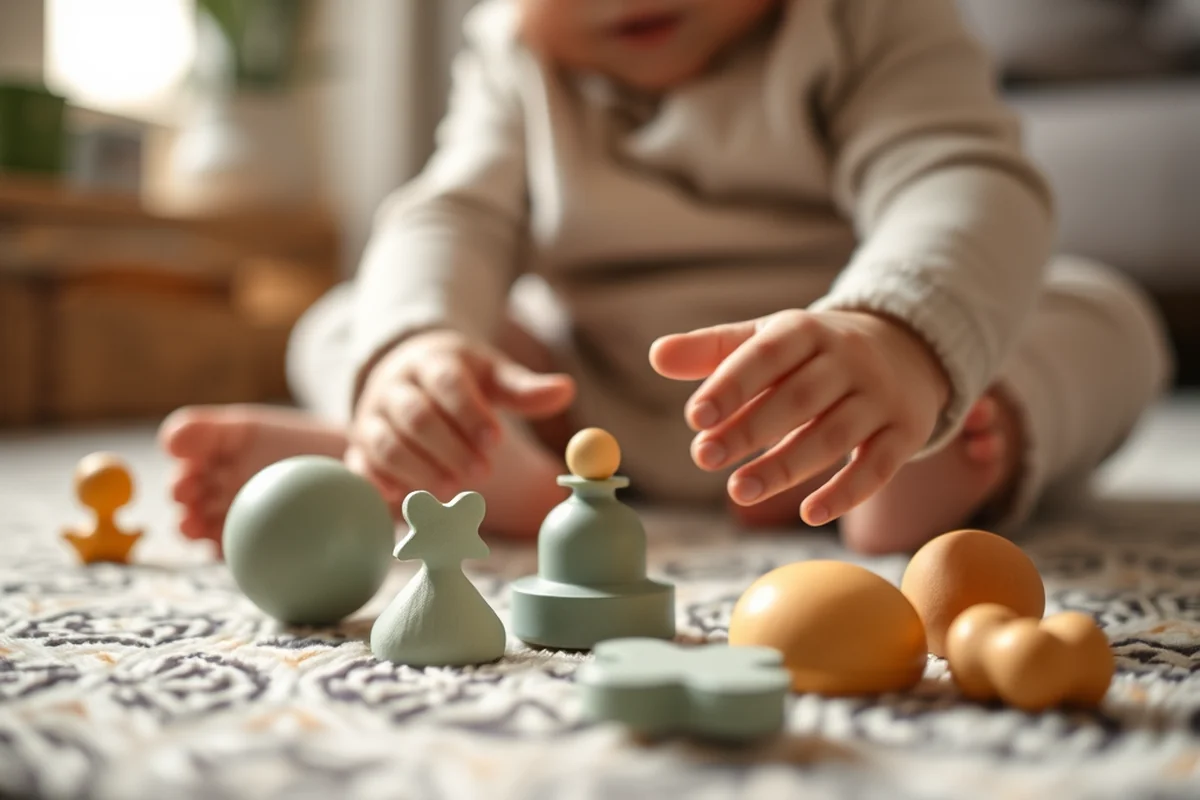
A good checklist starts with the basics: signs of readiness, choosing the right potty, creating a routine, and introducing the idea of using the potty. It should also include reminders for things like tracking accidents, celebrating successes, and staying positive.
I found that having a checklist that covered both the practical and emotional aspects of potty training made a huge difference. It helped me stay focused on the big picture instead of getting bogged down by the details.
For example, I used to forget to reward my daughter for her successes — but with a checklist, it reminded me to do it every time. It became a part of our daily routine.
A checklist makes the invisible, visible.
Related: Best puppy training pads
Tracking Progress: Why It Matters
I used to think I didn't need to track anything — but after a few weeks of struggling, I realized I needed to see where I was and where I needed to go. Tracking progress helped me see that even small steps were leading us in the right direction.
One of the most important things I learned was that consistency was more important than speed. By tracking each success and setback, I was able to stay on course and not get discouraged when things didn't go perfectly.
Tracking also helped me celebrate the small victories — like the first time my daughter sat on the potty for five minutes, or the first time she used it without help. These moments made the whole process feel more rewarding.
Make a chart or a sticker board and put a star or sticker every time your child has a success. This keeps them motivated and gives you a visual of how far you've come.
“When my daughter turned two and still refused to sit on the potty, I felt like I'd failed as a parent.”— Pottydays editors
Related: Simple potty training printables checklists
Avoiding Common Mistakes with a Checklist
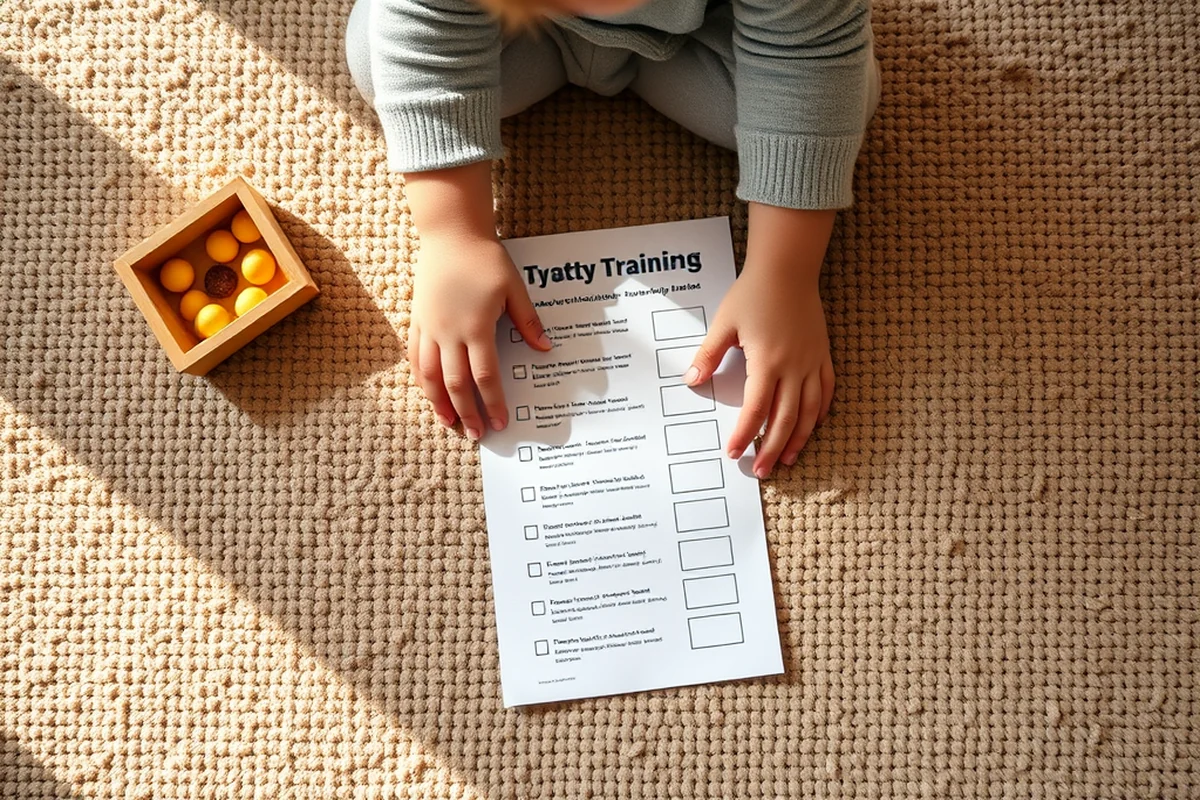
One of the biggest mistakes I made early on was trying to force the process. I thought that if I just kept pushing, my daughter would get it — but that only made her more resistant. A checklist helped me slow down and focus on what really mattered.
Another mistake I made was getting too discouraged when things didn't go perfectly. I remember a day when my daughter had three accidents in a row — I felt like I was failing. But with a checklist, I was reminded to take a deep breath and stay positive.
Checklists also help you avoid the trap of inconsistency. For example, if you're not sure whether to use a potty or a toilet, a checklist can help you make the right choice based on your child's readiness and your home setup.
Related: Potty training chart printable
The Power of Consistency and Patience
I used to think that patience was just about waiting — but I've come to realize that it's about showing up every day, even when it's hard. A checklist helps you stay consistent by reminding you of the steps you need to take every day.
One of the most important lessons I learned was that consistency is more important than speed. It doesn't matter how fast you get there — what matters is that you're showing up every day and doing the work.
With a checklist, I was able to stay focused on the long game, instead of getting caught up in the short-term frustrations. It helped me see that even small, daily steps could lead to big changes over time.
🌿 Gentle Approach
This method focuses on patience and natural readiness, using a checklist to guide your child at their own pace.
⚡ Fast-Track Method
Ideal for parents who want to get through potty training quickly, with a structured and focused checklist.
✈️ Travel/On-the-Go Method
A checklist designed for families who are often away from home, making potty training easier in new environments.
👶 Multiple Children Approach
Tailored for parents of multiples, this checklist helps you manage potty training for all your children at once.
🔄 Regression Reset
For parents who are facing setbacks, this checklist helps you get back on track and avoid common mistakes.
| The mistake | Why it happens | The fix |
|---|---|---|
| Forcing your child to use the potty too early. | This can lead to resistance and a lack of motivation. | Wait until your child shows signs of readiness and use a checklist to help you stay on track. |
| Getting discouraged by setbacks. | Setbacks are normal, but they can make the process feel overwhelming. | Use a checklist to remind you that progress is a long-term goal, not a short-term race. |
| Being inconsistent with the process. | Inconsistency can confuse your child and slow down the training process. | Use a checklist to help you stay consistent and focused on your goals. |
| Overlooking the emotional aspects of training. | Potty training is as much about emotions as it is about practical steps. | Use a checklist that includes emotional readiness and positive reinforcement. |
Related: Simple potty training checklists
How To Potty Training Checklists
Related: Potty training printables checklists checklist
Customizing Checklists for Different Ages and Developmental Stages
Tailoring checklists to your child's age and readiness can make potty training smoother and more effective.
Customizing your checklist based on your child’s unique timeline helps you avoid burnout and keeps the process positive. I made a checklist that included small, achievable goals like wearing underwear for a full day or staying dry for two hours in a row. These incremental steps gave my child a sense of accomplishment and kept me from feeling like I was constantly starting over. It’s also helpful to consult with a pediatrician to ensure your checklist aligns with your child's developmental progress and to identify any red flags early on.
Incorporating age-appropriate language and visuals into your checklist can also make it more engaging for your child. I used a sticker chart with pictures of a potty, a toilet, and a happy face to celebrate each milestone. This not only made the checklist more relatable but also gave my child something tangible to look forward to. By making the checklist interactive and tailored, I found the potty training journey to be more successful and less stressful for our whole family.
Tailoring your checklist to your child’s needs means you can adjust expectations as they grow and change. When my child turned three, I updated the checklist to focus more on independence and nighttime dryness, which were new challenges. Being flexible with the checklist allowed me to adapt to her progress without feeling like I had to follow a rigid timeline. This approach helped us maintain a sense of control and made the process feel more manageable, even on difficult days.
Involving the Whole Family in the Checklist Process
Including all family members in the potty training checklist fosters teamwork and support throughout the journey.
By involving siblings in the checklist, we created a sense of competition and camaraderie that made potty training more fun. My older child, who had already mastered the potty, was eager to help by reminding our younger child of the steps on the checklist and cheering them on when they succeeded. This not only made the process more enjoyable but also taught our older child about responsibility and empathy. It also helped reduce the pressure on the child being trained, as they felt supported by their entire family.
Including the whole family in the checklist also helps create a consistent environment for the child. When everyone knows their role and responsibilities, it’s easier to maintain a routine that supports potty training. I made sure to include notes on the checklist for things like changing the child’s clothes after an accident or offering a reward when they stayed dry for a full day. This helped my partner and I stay on the same page, even when we were in different parts of the house. Involving everyone in the process made potty training less overwhelming and more successful for our whole family.
Involving family members in the checklist also allows for shared encouragement and positive reinforcement. When my child was struggling, my husband took over the checklist for a few days and provided consistent, gentle reminders. This not only gave me a break but also ensured that my child received encouragement from multiple sources. The more people involved, the more opportunities there are for praise, support, and positive reinforcement, which can make a big difference in a child’s confidence and progress.
Common Questions
When is the best time to start potty training?
What should I include on my potty training checklist?
How long does potty training usually take?
What should I do if my child resists the potty?
References
- LEARNING BEGINS AT BIRTH - Nebraska Department of Education (education.ne.gov)
- How To Potty Train: Our Best Tips (health.clevelandclinic.org)
Cite this guide
Pottydays (2026). How To Potty Training Checklists. https://pottydays.com/how-to-potty-training-checklists/
Feel free to cite or share this guide.