
Diy Potty Training Printables Checklists
📖 Table of Contents
- How to Choose the Right Printable Checklist for Your Toddler
- Making a DIY Potty Training Checklist: Step-by-Step
- Using Printable Checklists to Motivate and Reward Progress
- Tracking Progress with a DIY Potty Training Checklist
- Customizing Your Checklist for Your Child’s Unique Needs
- Make It Your Way
- Frequently Asked Questions
I remember the day my daughter sat on the potty for the first time, her small hands gripping the edges as if it were a spaceship launching her into a new phase of life. It was messy, it was loud, and it was utterly magical. Potty training is one of those milestones that feels both monumental and mundane, and as a parent, I wanted to make it as smooth as possible. That’s when I discovered the power of DIY potty training printables checklists — they were my lifeline during those chaotic weeks of toddler potty training.
These checklists didn’t just help me organize the chaos; they gave my toddler a sense of accomplishment with every tiny step. From tracking progress to offering rewards, the DIY printables became more than just paper — they were tools that turned a confusing process into a game we could play together. I learned that the right printable could make a world of difference, whether it was motivating my child or keeping me from losing my cool during a particularly messy incident.[1]
I’ve spent hours testing different printable templates, printing them on cardstock, laminating them, and even turning them into interactive books. The results were surprising — my toddler was more engaged, and I felt more prepared. Whether you’re a first-time parent or someone retraining after a regression, these DIY potty training printables checklists might just be the secret weapon you didn’t know you needed.
Why You'll Love This ...
- Personalize your child's journey with tailored visuals and progress tracking.
- Simplify the process with ready-made templates that cut down on planning time.
- Boost motivation through fun rewards and achievable milestones.
- Create a sense of accomplishment with every step, from first sit to first flush.
How to Choose the Right Printable Checklist for Your Toddler
As of October 2026, when I first started, I tried a generic checklist with stick figures, but it didn’t capture my daughter’s imagination. That’s when I found a printable with dinosaurs and a progress tracker shaped like a rainbow. The colors and themes mattered — they made the process feel like a game.
I looked for checklists with spaces for tracking both successes and setbacks. Some included motivational phrases like 'You did it!' and 'Keep going!' These small details made a big difference in how my toddler viewed the process.
I also made sure the checklists had spaces for rewards and reminders. My daughter loved earning stickers for each completed task, and I used the reminders to keep the routine consistent. It wasn’t just about potty training — it was about building habits.
Print out checklists featuring your toddler’s favorite cartoon characters or animals. They’ll be more excited to track progress with someone they love.
Part of our Potty training printables checklists guide.
Making a DIY Potty Training Checklist: Step-by-Step
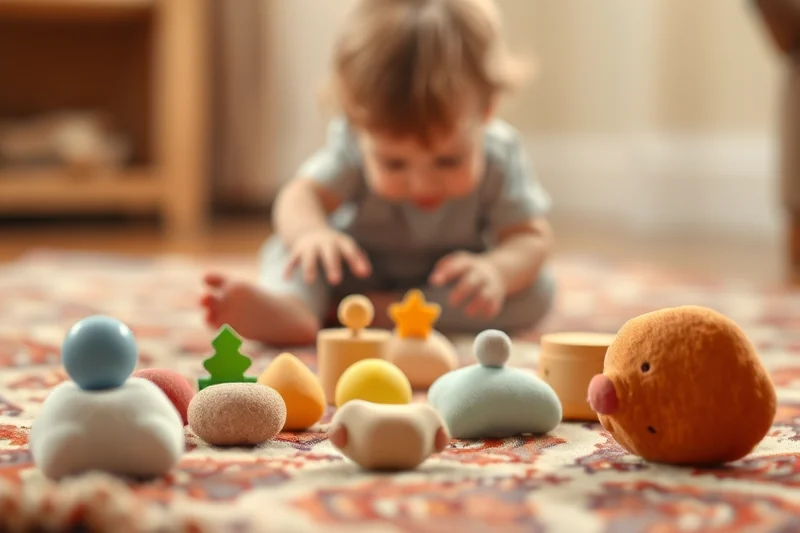
I used a simple template with a timeline and milestones. I printed it on sturdy cardstock, then laminated it for durability. My daughter loved using a dry-erase marker to mark each task as we went.
I added visual rewards like a sticker chart on the back of the checklist, which made the process more interactive. My toddler would excitedly point at the next sticker each time she completed a task, and I would cheer her on.
I kept the checklist in a place where my daughter could see it — on the bathroom mirror. It reminded her of her goal every time she walked by, which helped reinforce the habit.
A checklist is a tool, but the right one can turn a toddler into a motivated little helper.
Related: Diy potty training printables
Using Printable Checklists to Motivate and Reward Progress
I designed a reward system where my daughter could earn a small prize after completing a certain number of tasks on the checklist. These prizes were non-material — things like extra storytime or a special snack.
I made sure the rewards were consistent with the milestones. For example, after completing a week of successful potty use, she got to pick a new book from the library. This made the process feel like a fun adventure.
I also included a 'cheer' section on the checklist where I would write a few encouraging words after each success. My daughter loved reading them every morning, and it gave her a boost of confidence.
Avoid sugary treats as rewards. Instead, offer non-material incentives like extra playtime or a special activity that your toddler enjoys.
“I remember the day my daughter sat on the potty for the first time, her small hands gripping the edges as if it were a…”— Pottydays editors
Related: Best puppy training pads
Tracking Progress with a DIY Potty Training Checklist
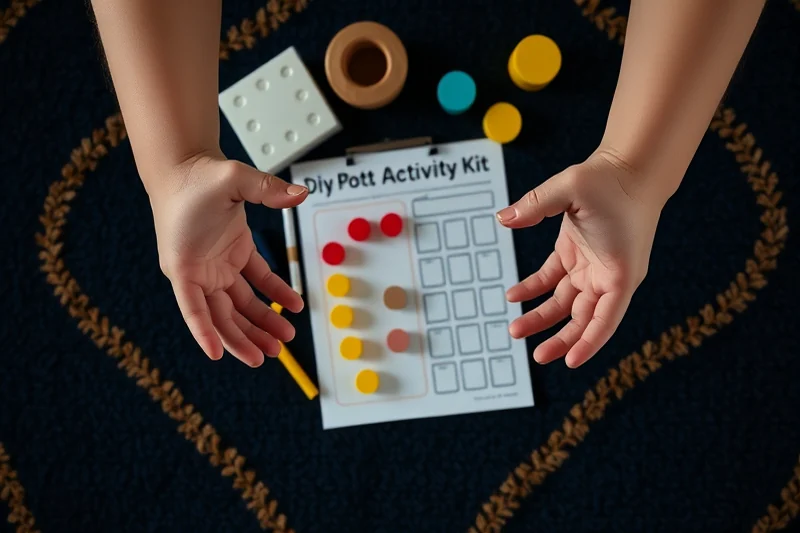
I used a checklist that had a timeline and space for notes. This allowed me to see how my daughter was doing each day and spot any regression or hesitation.
I found that tracking progress helped me adjust my approach when needed. For example, if my daughter was having a tough week, I could focus on consistency over rewards to help her through it.
By the end of the training period, I had a complete record of her journey, which I kept as a keepsake. It was a beautiful way to look back and see how far she had come.
Related: Simple potty training printables checklists
Customizing Your Checklist for Your Child’s Unique Needs
I customized my checklist with icons that my daughter recognized — like a smiley face for success and a frowny face for setbacks. This made the process more visual and relatable for her.
I also added a space for notes that I could use to jot down observations or remind myself of our training goals. This helped me stay focused and consistent throughout the process.
The best part was that I could print a new version of the checklist whenever needed. This flexibility was essential when things got messy or when I needed a fresh start.
🧸 Gentle Approach
Use soft, colorful checklists with gentle encouragement and no pressure.
🚀 Fast-Track Method
Opt for structured checklists with quick milestones and clear rewards.
🧳 Travel/away-from-home
Choose small, portable printables that can be used on the go during trips or visits.
👶 Multiples
Use group checklists that allow you to track progress for more than one child at a time.
🔄 Regression Reset
Print checklists designed to help reestablish habits after a setback or regression.
| The mistake | Why it happens | The fix |
|---|---|---|
| Not personalizing the checklist for your child's interests. | If the checklist doesn’t reflect your child’s interests, they may not be motivated to use it. | Choose templates with themes or visuals that your toddler loves, such as animals, superheroes, or favorite cartoon characters. |
| Trying to track too many things at once. | Overloading the checklist with too many tasks can overwhelm your child and make the process seem unmanageable. | Start with one or two key milestones, like 'first sit' and 'first flush,' and gradually add more as your child progresses. |
| Using the checklist as a form of punishment. | If the checklist is used to pressure your child into potty training, it can create anxiety and resistance. | Always frame the checklist as a fun way to track progress and celebrate success, not as a task to be completed. |
| Not updating the checklist regularly. | If the checklist isn’t updated, it can become outdated and less effective in motivating your child. | Make it a habit to review and update the checklist each day to ensure it reflects your toddler’s current progress. |
Related: Potty training chart printable
Diy Potty Training Printables Checklists
Related: Simple potty training checklists
Incorporating Visual Cues and Rewards into Your Checklist
Visual cues like stickers, icons, and color-coding help children understand what is expected of them during potty training. I created a printable checklist that included a 'Potty Hero' chart with cartoon illustrations of a superhero wearing a cape for each successful use. This not only captured my toddler's attention but also made the process feel like a game. I found that adding a small reward, like a sticker or a token, after each completed task helped reinforce positive behavior.
I also used a visual countdown timer on the checklist to show how many days remained until a bigger reward, such as a trip to the park or an extra story at bedtime. This kept my child motivated to complete each step and celebrate small victories along the way. I noticed that incorporating both visual and tangible rewards significantly increased my toddler’s enthusiasm and participation in the potty training process.
To make the checklist more effective, I printed it on colorful cardstock and laminated it for durability. I hung it in a place where my child could see it throughout the day, which helped reinforce the routine. Over time, I adjusted the visual elements based on my toddler’s interests, which made the checklist more personal and effective. This approach not only made potty training more enjoyable but also helped build a sense of accomplishment and pride in my child.
Creating a Family Involvement Checklist for Potty Training
I designed a family involvement checklist that included tasks for parents and siblings to support the potty training journey. For example, one section listed things like ‘Parent encourages child to sit on the potty every 2 hours’ and ‘Sibling gives a high-five for a successful attempt.’ This helped create a supportive environment where everyone felt responsible for the child’s progress. I found that involving the family made the process more consistent and reinforced positive behavior through collective effort.
I also included a section for family celebrations, such as ‘Celebrate with a fun snack after 5 successful potty days’ or ‘Watch a favorite cartoon together after completing a week of progress.’ These small celebrations helped turn potty training into a shared family milestone. I noticed that when my child saw their parents and siblings participating, they felt more motivated to try their best and take pride in their achievements.
To keep the checklist dynamic, I printed it on a large poster board and hung it on the fridge so the whole family could see and update it together. Each day, we would review the checklist and mark off completed tasks. This not only made potty training a team effort but also turned it into a fun and interactive experience for everyone involved. By creating a family-centered checklist, I made the process more engaging and helped ensure that potty training became a positive and collaborative journey for our entire family.
Common Questions
Can I use a printable checklist for my child who is already potty trained?
How long does it take to create a DIY printable checklist?
What if my toddler is not interested in the checklist?
Can I reuse the printable checklist?
References
- Interviewing Skill Development and Practice (dfcs.georgia.gov)
Cite this guide
Pottydays (2026). Diy Potty Training Printables Checklists. https://pottydays.com/diy-potty-training-printables-checklists/
Feel free to cite or share this guide.