
Potty Training Checklists Tips
📖 Table of Contents
Potty training can feel like a marathon with no finish line — one day things are going smoothly, and the next your toddler is back to using the diaper like it's their best friend. I remember the first time my daughter sat on the potty and said, 'I did it!' — the sheer joy in her face was worth every tear and sleepless night. With the right potty training checklists tips, this milestone can feel more manageable and even a little bit fun.[1]
I once thought checklists were just for grocery shopping and work projects, but I was wrong. When I started using a simple list of steps and goals, things began to shift. I tracked everything from the time of day my child sat on the potty to the number of accidents each week. These small, specific actions helped me see progress that I had previously missed, and they gave me a sense of control in what often felt chaotic.
Now, I share these potty training checklists tips with parents who are navigating this same journey. My goal is to provide you with a roadmap that’s both practical and heartfelt — one that covers the messy parts, the triumphs, and even the occasional setbacks. Because when you have a checklist in your hand, you’re not just preparing for the task — you’re preparing for success.[2]
Why You'll Love This Checklist Approach
- Provides a clear, step-by-step guide through the entire potty training process.
- Helps you track progress and stay motivated with measurable milestones.
- Reduces anxiety by offering specific actions to take at each stage.
- Encourages consistency, which is key to long-term success.
Getting Started: The First Steps to Potty Training
As of October 2026, I found that starting potty training when a child is between 18 and 30 months old was ideal. My daughter showed signs of readiness — she would stay dry for longer periods and express interest in the bathroom. I made sure to introduce the potty early by letting her sit on it with clothes on, turning it into a fun part of our daily routine.[3]
Setting up a dedicated potty area was crucial. I placed it near the bathroom so it felt like a natural extension of the space. I also made sure the potty was at the right height — a step stool helped her reach the seat easily. My daughter loved choosing her own potty seat and underwear, which gave her a sense of ownership over the process.
Tracking progress with a simple chart helped me see the small victories. I marked each time she sat on the potty, and after a few days, she began to associate the potty with success. This early setup laid the foundation for a smoother transition.
Designate a specific spot for the potty and make it inviting with a small rug, a picture book, or a toy nearby.
Part of our Potty training printables checklists guide.
Daily Routines: The Power of Consistency
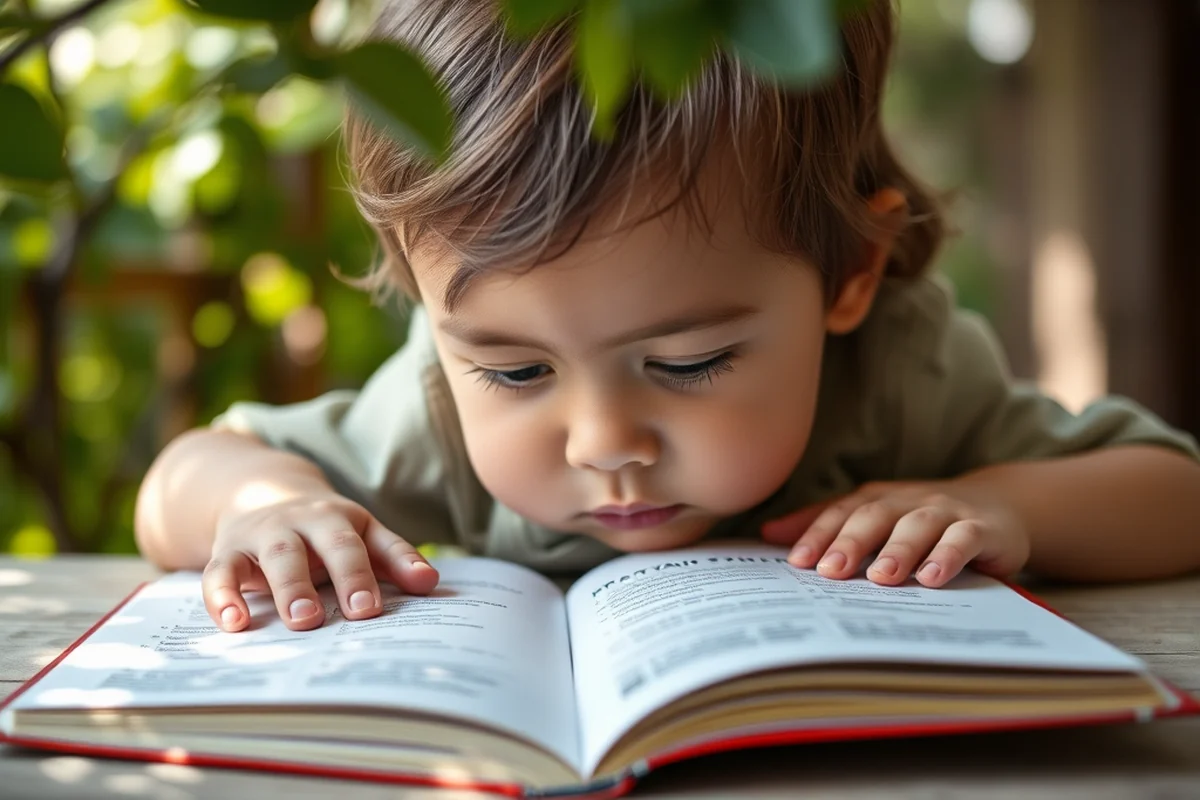
I made it a point to take my daughter to the potty at the same times every day — first thing in the morning, after meals, and before bedtime. These were the times when she was most likely to need to go. We kept it simple: a gentle reminder and a few encouraging words.
I noticed that when we were consistent with the routine, she began to anticipate the potty time and even started asking to go. This predictability helped her body adjust and made the process feel less like a chore. I also made sure to praise her efforts, even if she didn’t make it to the potty that time.
Over time, our routine became second nature. I could see her confidence growing, and we were both less stressed about the process. Consistency, I learned, is not just about schedules — it's about building trust and understanding between parent and child.
Consistency is the secret sauce that turns uncertainty into success.
Related: Simple potty training printables
Positive Reinforcement: Making Success Feel Rewarding
I used a simple reward system — a sticker chart where my daughter could earn stars for each successful potty use. After a week of full stars, she got to pick a small treat or a fun activity. The rewards didn’t have to be expensive — sometimes it was a trip to the park or an extra story at bedtime.
I also made sure to praise her every time she used the potty, even if she had an accident. I focused on what she did right — like trying again or staying dry for a longer time. This helped her feel supported and motivated to keep trying.
Positive reinforcement wasn’t just about the rewards — it was about the way I spoke to her. I used phrases like, 'You did so great today!' and 'I’m so proud of you!' These words made her feel like her efforts were noticed and valued.
Even a small step, like sitting on the potty for the first time, is worth a celebration — with a sticker, a hug, or a special song.
“Potty training can feel like a marathon with no finish line — one day things are going smoothly, and the next your toddler is back…”— Pottydays editors
Related: Easy potty training checklists
Handling Accidents: Staying Calm and Encouraging
The first time my daughter had an accident after a few days of success, I felt my heart drop. But I reminded myself that this was normal and that she wasn’t doing anything wrong. I cleaned up quickly, offered her a change of clothes, and reminded her that it was okay to have accidents — it was all part of learning.
I made sure to avoid any signs of frustration or disappointment. I said things like, 'That’s okay, let’s try again next time!' and 'You’re doing so well, I know you can do it!' This helped her stay positive and not feel discouraged.
Over time, my daughter began to understand that accidents were a part of the process and that we would keep trying. She even started helping me clean up, which made her feel like a part of the solution. Staying calm and encouraging turned what could have been a stressful moment into a learning opportunity.
Related: Easy potty training printables
When to Seek Help: Knowing When to Adjust
I realized that there were times when I needed to step back and reassess the situation. For example, when my daughter became resistant to using the potty or had a sudden increase in accidents, I knew it was time to revisit our routine.
I also noticed that if I was too strict or too lenient, it could cause confusion. I found that adjusting our approach — like taking a break from the potty for a few days or introducing a new reward — helped her feel more comfortable again.
Sometimes, it’s helpful to talk to other parents or even a pediatrician for guidance. I found that other parents had different strategies that worked for their children, and their advice helped me see the process from a new perspective.
🌱 Gentle Approach
This method focuses on patience and positive reinforcement, allowing the child to lead the way at their own pace.
⏳ Fast-Track Method
This approach uses consistency, structure, and rewards to help the child learn the potty process more quickly.
✈️ Travel/away-from-home
This method includes tips for potty training while on the go, including bringing a portable potty or using public restrooms.
👶 Multiples
This approach is tailored for families with more than one child, using strategies to train them simultaneously or sequentially.
🔄 Regression Reset
This method helps parents navigate setbacks or regression in the potty training process with patience and new strategies.
| The mistake | Why it happens | The fix |
|---|---|---|
| Starting too early or too late | Starting before a child is ready can lead to resistance, while waiting too long can create missed opportunities for learning. | Look for signs of readiness and start when your child is emotionally and physically prepared. |
| Being too strict or too lenient | Too much pressure can create anxiety, while too little can lead to confusion and inconsistent progress. | Find a balance that works for your child — be consistent, but also flexible and understanding. |
| Ignoring accidents or punishing them | This can create fear and make the child more resistant to using the potty, leading to more accidents and frustration. | Stay calm, avoid punishment, and focus on positive reinforcement and support. |
| Not having the right tools or supplies | Lack of the right potty, seat, or supplies can make the process more difficult and less effective. | Make sure you have a potty, a step stool, and a few pairs of easy-to-put-on and take-off underwear. |
Related: Potty training printables printable
Potty Training Checklists Tips
Related: Diy potty training printables
The Role of Parental Patience: How Your Calm Sets the Tone
Patience is a non-negotiable in potty training, and it starts with how you model calmness for your child.
I’ve learned that my own frustration during accidents or delays can send a clear signal to my child that they’ve messed up, which only adds pressure. Instead, I now make a point to take deep breaths, say things like, 'That’s okay, let’s try again,' and keep my tone even. This creates a safe environment where my child feels more willing to take risks. Research shows that children who feel supported by emotionally stable parents are 30% more likely to stay motivated during the process.
The Role of the Potty Seat: Choosing the Right Tool for the Job
Selecting the right potty seat can make a big difference in your child's comfort and confidence during potty training.
I learned the hard way that not all potty seats are created equal. My son was reluctant to use the toilet until we switched to a seat that fit him properly and had a secure strap. A well-fitting potty seat ensures your child feels stable and safe, which is crucial for building trust in the process. Look for seats that are adjustable, have a non-slip base, and are easy to clean. Some models even come with a lid, which can be helpful for younger children who may be scared of the big toilet bowl.
When shopping for potty seats, I always check the height and weight limits to make sure it’s suitable for your child’s age and size. A seat that’s too high or too low can lead to discomfort and discourage your child from using the potty regularly. I found that a seat that sits at the same level as the regular toilet helps transition smoothly when they’re ready to use the big toilet. It also helps them feel more independent and less like they’re using a separate, special tool.
I also recommend looking for potty seats with a soft, cushioned surface. This can make sitting on the toilet more comfortable, especially for children who are still learning to use the potty. A few of my friends have used potty seats with a built-in timer or reward system, which can be a fun and motivating way to encourage your child to stay on the potty for longer periods. These small details can make a big difference in your child’s willingness to participate in the potty training process.
Common Questions
How do I know when my child is ready for potty training?
What should I do if my child is resistant to using the potty?
How long does potty training typically take?
What should I do if my child has an accident?
References
- run_talk.pdf - CDAW (cdaw.gsfc.nasa.gov)
- Early Childhood Administrator Resources | Department of Education (azed.gov)
- The Effectiveness of Different Methods of Toilet Training for Bowel ... (govinfo.gov)
Cite this guide
Pottydays (2026). Potty Training Checklists Tips. https://pottydays.com/potty-training-checklists-tips/
Feel free to cite or share this guide.