
Potty Training Stage Step By Step
📖 Table of Contents
The day my daughter sat on the potty for the first time was one of those moments that stuck with me — the way her tiny hands gripped the sides, the way she giggled at the sound of the toilet flushing. The way I felt like I’d finally unlocked a secret that had been hidden from me for months. Potty training is a journey, and not one that follows a linear path. It can be messy, confusing, and at times, overwhelming. But as someone who’s walked through it with three kids, I’ve learned that breaking it down into stages helps both parent and child feel more in control.
Potty training stage by stage is not just about teaching a child to use the toilet — it’s about building confidence, creating routines, and understanding the developmental milestones that make each step possible. I remember how my firstborn refused to sit on the potty for weeks, even after we had spent weeks preparing. It wasn’t until we shifted strategies and focused on the next stage that things began to click. Knowing what to expect and how to navigate each phase can make all the difference.[1]
This article is a roadmap through the potty training stages, from the first signs of readiness to the final push toward full independence. I’ll share the specific moments that signaled my kids were ready, the tools I used, and the little tricks that helped them transition smoothly. Whether you’re just beginning or feeling stuck, this guide is designed to help you move forward with clarity and confidence.
Why You'll Love This Potty Training Guide
- Clear, actionable steps for each stage
- Real-world examples from multiple kids
- Simple tools and strategies that work
- A structured approach to avoid common pitfalls
The First Signs of Readiness
As of October 2026, I remember the day my son started showing interest in the toilet — he would stand at the bathroom door and point at the potty, trying to climb up to sit on it. It was a clear sign that he was curious and ready to begin. Other children may show signs like staying dry for longer periods or expressing discomfort with soiled diapers.[2]
The emotional readiness is just as important. Kids who are secure, confident, and not going through major changes (like starting daycare or moving) tend to transition more smoothly. I found that keeping the process fun and not stressful helped my kids feel more in control.
When you notice these signs, it's time to start preparing. I used books, songs, and even a small potty chair to make the transition feel less intimidating. It’s never too early to begin the conversation, even if actual training happens later.
Introduce a toy potty early on to familiarize your child with the concept. It’s a fun, non-pressure way to build interest and comfort with the actual potty later.
Part of our Potty training by age stage guide.
Preparing for the First Step
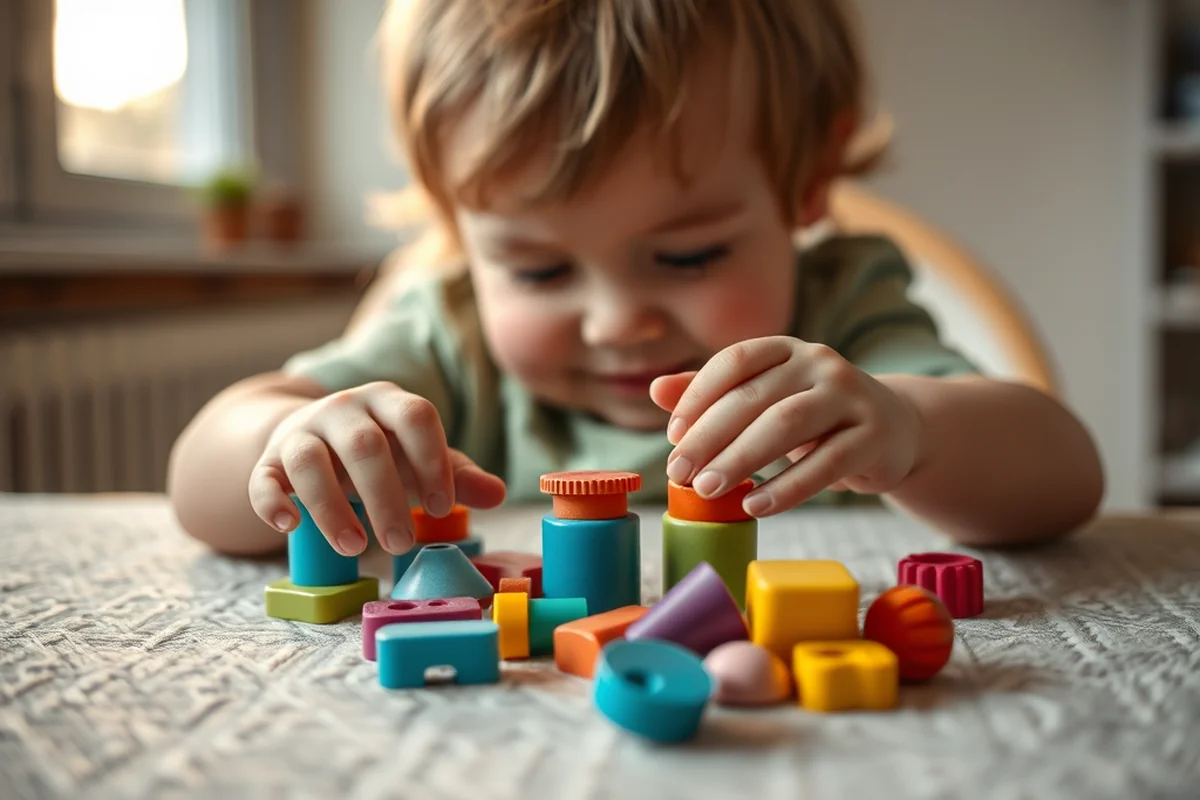
I made a big deal out of the 'big kid' potty — I bought a small chair with a seat cover and placed it in the bathroom. I read books about potty training and even played a song that made my kids giggle every time they saw the potty. It was all about making it feel like a fun new adventure.
I also made sure my kids knew that using the potty was a big step, and that I was proud of them no matter what. Even if they didn’t succeed right away, I celebrated small victories, like staying dry for a few hours or sitting on the potty for the first time.
This preparation phase can take a few days to a couple of weeks. I found that starting too soon or pushing too hard can backfire, so I focused on building curiosity rather than pressure.
Preparation is the secret sauce to a smooth potty training journey.
Related: Quick potty training stage
The First Attempt: What to Expect
My firstborn refused to sit on the potty for weeks. I didn’t push — I just kept it in the bathroom and let him explore it on his own. One day, he sat on it and said, 'I pee here!' and I felt like I’d won the lottery. It wasn’t the end of the journey, but it was the first real step.
Some kids may urinate on the potty right away, while others may take a few weeks to even sit on it. I found that consistency and positive reinforcement helped my kids feel more confident. I made it a game — we’d count how many times they sat on the potty, and I’d give them stickers for each attempt.
It’s important to remember that this is a learning process for both parent and child. I didn’t get upset when accidents happened — I just reminded myself that it was part of the journey and that progress, no matter how small, was worth celebrating.
Even if your child sits on the potty without going, praise them. Positive reinforcement makes the process more enjoyable and encourages repeat behavior.
“The day my daughter sat on the potty for the first time was one of those moments that stuck with me — the way her…”— Pottydays editors
Related: Budget potty training by age stage
The Transition to Full Independence
I remember the day my daughter said, 'I go pee in the potty by myself!' That was the moment I knew she was on the path to full independence. From there, I focused on teaching her how to pull her pants up and down, and how to flush the toilet after using it.
I kept a small chart in the bathroom that we used to track her progress. Each time she used the potty successfully, we’d put a sticker on the chart. It was a visual reminder of her achievements and kept her motivated.
This phase can take a few weeks to a couple of months. I found that patience and consistency were key. I didn’t rush the process — I let her learn at her own pace and celebrated every small victory along the way.
Related: Easy potty training stage
The Final Push: Toward Full Mastery
Once my youngest was using the potty every time, I knew we were in the final stage. I continued to reinforce good habits by praising her and making sure she knew that using the potty was the right thing to do.
I also made sure she knew how to clean up after herself, how to wash her hands properly, and how to call for help if she needed it. It was a small but important part of the process that helped her feel confident and capable.
This stage is about consistency and habit-building. I found that once the routine was in place, it was much easier to maintain. I didn’t need to remind my kids as much, and they became more responsible with their own bathroom needs.
🐢 Gentle Potty Training
A low-pressure, child-led approach that focuses on building confidence and comfort with the potty over time.
🚀 Fast-Track Potty Training
A structured, intensive method that uses clear routines and positive reinforcement to accelerate the process.
✈️ Travel/away-from-home Potty Training
A method tailored for families who need to use public restrooms or travel frequently, with tips on preparing kids for unfamiliar settings.
👶 Potty Training with Multiples
A strategy for parents of more than one child, designed to handle the unique challenges of training siblings at the same time.
🔄 Regression Reset
A method for parents who have hit a roadblock or experienced a regression, offering tips to restart the process with renewed focus.
| The mistake | Why it happens | The fix |
|---|---|---|
| Forcing the child to use the potty too early | Starting potty training before a child is emotionally or physically ready can lead to resistance, fear, and long-term negative associations with the toilet. | Wait for clear signs of readiness and create a positive, non-pressured environment before beginning the process. |
| Using punishment for accidents | This can create anxiety and make the child associate the potty with fear, leading to a longer training period and more setbacks. | Celebrate successes and remain calm during accidents. Focus on positive reinforcement and encouragement. |
| Neglecting to establish a routine | Without a consistent schedule, children may not learn the connection between using the bathroom and the potty, leading to confusion and setbacks. | Create a daily routine that includes regular bathroom breaks, and stick to it as much as possible. |
| Ignoring the child's need for independence | Children at this age are learning to be independent, and not allowing them to try using the potty on their own can slow the process and reduce confidence. | Give your child the opportunity to use the potty on their own and offer support without taking over the process. |
Related: Budget potty training stage
Potty Training Stage Step By Step
Related: Potty training stage printable
Navigating Setbacks and Reinforcing Progress
I learned that setbacks are inevitable, and they don’t mean regression — they’re just part of the process. One day, my son might be fully potty trained, and the next, he’s back to using the diaper. Instead of panicking, I made a point to stay calm and not punish him. This approach helped him feel secure, not ashamed. I also kept a chart where we marked each successful attempt, which gave him a sense of accomplishment and kept motivation high.
When setbacks happen, it’s important to revisit the routine and check for any changes in the child’s environment or schedule that might be causing stress. I noticed that when we traveled or had a busy week, my son slipped back into old habits. By maintaining a consistent routine even during these times, we minimized disruptions. I also made sure to praise progress, no matter how small, which helped reinforce positive behavior and keep him focused on success.
Another practical step I took was involving my son in the process by letting him choose his own potty seat and underwear. This gave him a sense of ownership and control, which reduced resistance. I also kept the tone light and fun, using phrases like, 'Let’s show the potty who’s boss!' This approach turned a potentially stressful task into an enjoyable challenge, making the journey much smoother for both of us.
Common Questions
How long does potty training typically take?
What should I do if my child is scared of the potty?
Should I use rewards or praise during potty training?
What if my child refuses to use the potty?
References
- The Four Stages of Toilet Learning | Child Development and Family ... (chhs.niu.edu)
- Pull Up Potty Training (jfd.jacksonms.gov)
Cite this guide
Pottydays (2026). Potty Training Stage Step By Step. https://pottydays.com/potty-training-stage-step-by-step/
Feel free to cite or share this guide.